Lakeside Light: Touring Northern Italy’s Alpine Lakes and Grand Villas
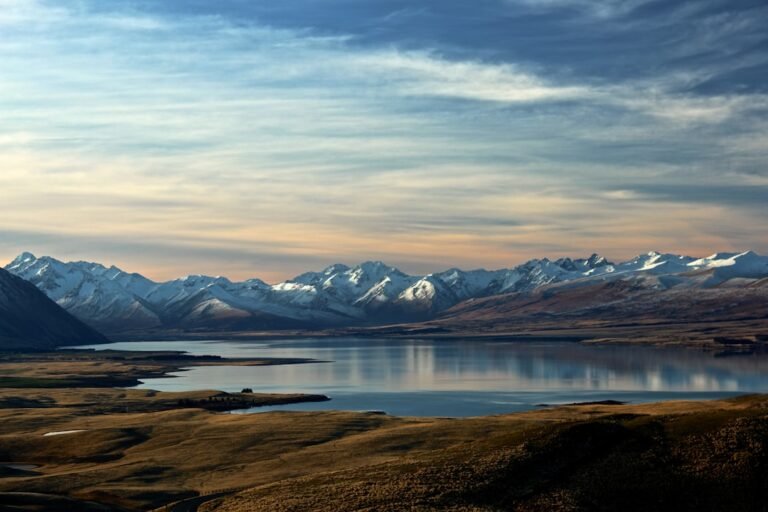
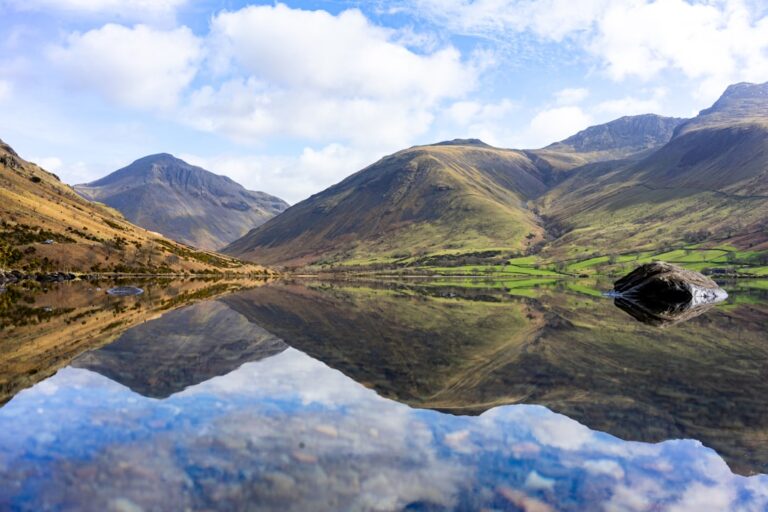
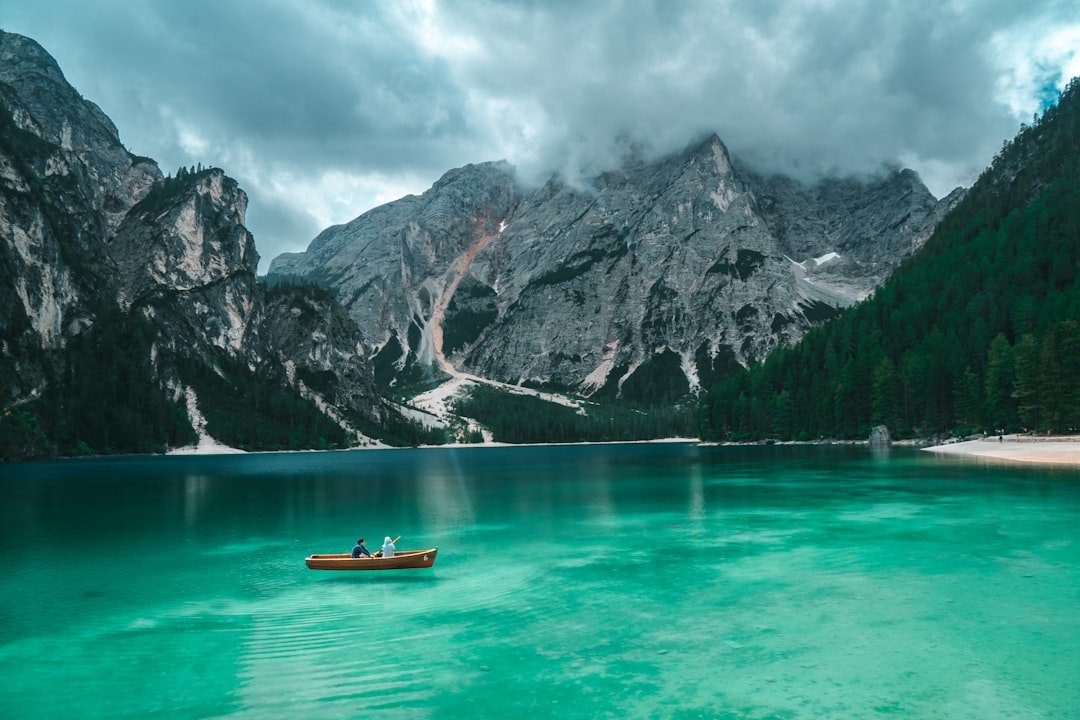
Northern Italy’s great lakes—set where the Alps slope down to the plains—are a study in contrasts: dramatic mountains and mirrored waters, centuries-old villas and lively fishing villages, Michelin-starred dining and simple lakefront trattorie. From the elaborate terraced gardens of Lake Como to the breezy shores of Lake Garda and the baroque islands in Lake Maggiore, each basin offers a distinct character shaped by geography, history and climate. Light on these lakes is a variable of its own—crisp and crystalline in spring, golden at autumn’s edge, soft and luminous in summer evenings—making this region irresistible to photographers, gardeners and anyone who loves slow travel. This guide outlines the unmissable sights, authentic local experiences, seasonal planning and practical tips to help you design an itinerary around northern Italy’s most beautiful lakes.
Must-See Attractions
The lake district is a cluster of unique highlights rather than a single destination. Concentrate on a handful of icons to feel the region’s sweep.
-
Lake Como – Villa del Balbianello and Villa Carlotta: Villa del Balbianello (Lenno) is famous for its terraced gardens and panoramic headland; accessible by short boat ride or steep walk. Villa Carlotta (Tremezzo) showcases neoclassical interiors and botanical collections with commanding views over Bellagio and the central lake.
-
Bellagio, Varenna and Menaggio: These three towns form the cultural triangle at Como’s central promontory. Cobblestone alleys, lakeside promenades and ferry connections make them ideal bases for exploring gardens, shops and historic villas.
-
Lake Garda – Sirmione and Scaliger Castles: Sirmione sits on a narrow peninsula with thermal springs and the well-preserved Scaliger Castle. Up the northern shore, towns like Riva del Garda and Malcesine provide access to trails, windsurfing and cable cars to mountain viewpoints.
-
Lake Maggiore – Borromean Islands and Villa Taranto: The Borromean Islands (Isola Bella, Isola dei Pescatori, Isola Madre) are celebrated for their palaces and formal gardens. On the western shore, Villa Taranto near Verbania is notable for its rare botanical collections and sculpted flowerbeds.
-
Lake Iseo and Monte Isola: Smaller and quieter than the big three, Lake Iseo’s centerpiece is Monte Isola—Europe’s largest lake island—ringed by fishing villages and gentle paths. The atmosphere here is intimate and ideal for cycling and short hikes.
Best Time to Visit
The lakes are enjoyable year-round, but each season offers different advantages.
-
Spring (April–June): Arguably the best time—the gardens come into bloom, temperatures are mild (50s–70s °F / 10–25 °C), and crowds are lighter than high summer. Ferry schedules begin to ramp up, and hiking conditions are excellent.
-
Summer (July–August): Warmest weather and full activity: restaurants, boat services and events peak. Expect larger crowds and higher prices, especially in popular towns like Bellagio and Sirmione. Early mornings or evenings are the most pleasant times to sightsee.
-
Autumn (September–October): Warm early autumn days and striking autumnal colors make this a favorite season for photographers and food lovers—harvest festivals and chestnut sagre are common. September in particular balances good weather with thinner crowds.
-
Winter (November–March): Quiet season with limited ferry services but lower rates and a serene atmosphere. Some villas close for the season, yet towns like Stresa and Como remain atmospheric; nearby ski areas are accessible for winter-sport side trips.
Essential Travel Tips
Practical advice helps you navigate the lakes efficiently and respectfully.
-
Getting Around: Trains connect Milan to Como, Varenna, Desenzano (Garda) and Verbania (Maggiore); from there, ferries and local buses link towns. Ferries are frequent but timetables vary by season—consult Navigazione Laghi websites for schedules. Renting a car gives flexibility for small villages and mountain roads, but parking can be scarce in historic centers.
-
Money and Costs: The euro is standard. Many small businesses prefer cash for markets and family-run trattorie, though cards are widely accepted in larger towns. Expect higher prices in peak season and in lakeside restaurants with prime views.
-
Safety and Health: The area is generally safe; watch for narrow roads and cyclist traffic on lakeside promenades. If hiking, carry water, a map or GPS and dress in layers—weather can shift quickly near the mountains.
-
Packing: Comfortable walking shoes, a light rain shell, a warm layer for cool evenings and sun protection are essentials. If you plan to dine in formal restaurants or visit historic villas, pack a smarter outfit for evenings.
-
Local Etiquette: Greet shopkeepers with a polite buongiorno/buonasera. Tipping is modest—round up or leave 5–10% for table service. Respect private villa grounds and gardens; many sites enforce photography rules and timed entry to protect fragile landscapes.
Frequently Asked Questions
Which lake is best for gardens and historic villas?
Lake Como and Lake Maggiore stand out for grand villas and botanical gardens—Villa del Balbianello and Villa Carlotta on Como, and the Borromean Islands plus Villa Taranto on Maggiore.
How do I travel between the different lakes?
There is no single inter-lake service; the easiest routes usually involve returning to Milan or Verona by train and transferring to another lake, or driving. Ferries serve intra-lake travel efficiently, while regional trains and buses connect the broader area.
Are the lakes family-friendly?
Yes—many lakesides have calm swimming spots, boat tours, and gentle walking paths suitable for families. Northern Garda, around Lazise and Peschiera, is particularly amenable to family activities and amusement parks are nearby.
Can I visit villas and gardens without a guide?
Most villas and gardens are open to independent visitors, though some popular sites require advance tickets or timed entries in high season. Guided tours add historical context and access to restricted areas at select villas.
Is English widely spoken?
In tourist towns and major attractions, English is commonly spoken. In smaller villages, basic Italian phrases will be appreciated and can enhance local interactions.
Conclusion
Northern Italy’s lakes combine the visual drama of Alpine light with cultivated landscapes and lively village culture. Whether you move quietly by ferry to explore villa gardens, hike ridgelines for sweeping panoramas, or taste the seasonal produce at a village market, the region rewards attention and a slower pace. Plan your visit around the seasons and balance must-see icons with a few less-traveled corners—this mix brings the best of lake life into focus: history, nature and a quietly sophisticated way of living tied to the water.