
Portugal’s Most Charming Coastal Villages: A Seaside Road-Trip Guide
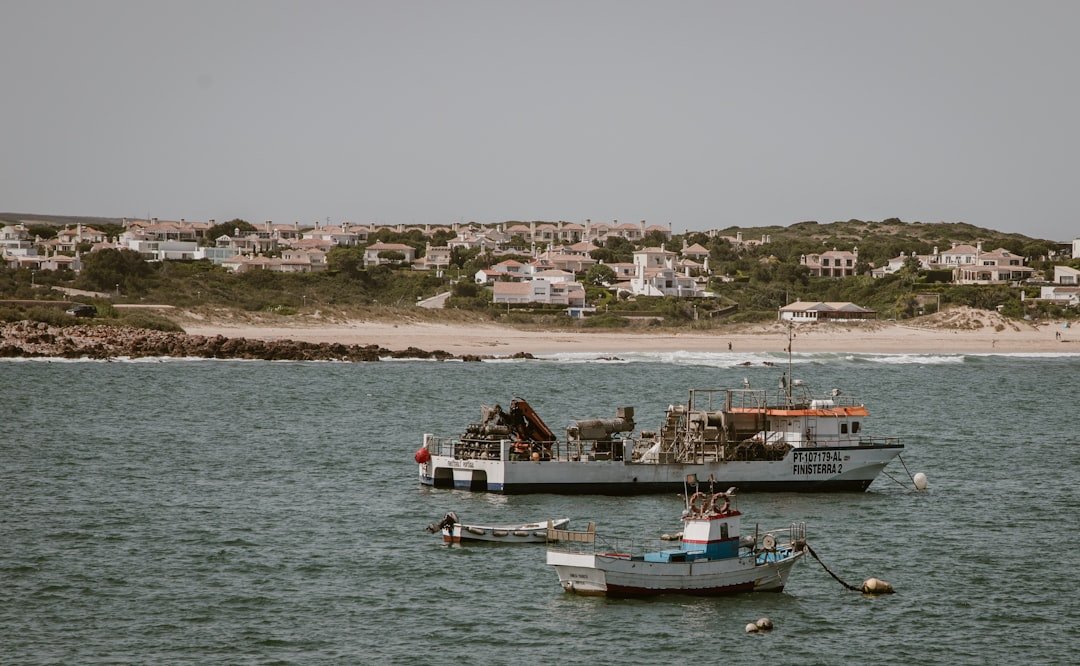
Portugal’s shoreline is studded with villages that feel hand-painted: whitewashed houses, weathered fishing boats, and cliffs that drop into turquoise water. Beyond Lisbon and the Algarve’s resort cities lie compact communities where daily life still orbits the sea. Some are international surf meccas while others preserve centuries-old fishing traditions. Traveling between these villages reveals the country’s diversity—rocky Atlantic headlands, soft sandy bays, salt marshes and rice paddy hinterlands. This article takes a practical, on-the-ground look at the most beautiful coastal villages in Portugal, highlighting what to see, where to eat locally, and how to experience authentic rhythms of coastal life. It’s designed for travelers who want scenery and local color, whether on a short coastal drive or a multi-week itinerary.
Must-See Attractions
Start north or south and plan stops around landmark coastal features that define each village.
- Ericeira – The village center’s narrow lanes and the clifftop viewpoints at Fisherman’s Beach and Ribeira d’Ilhas are essential. Ericeira is Portugal’s only World Surfing Reserve; watching surfers carve glassy waves at sunset is unforgettable.
- Nazaré – The Sitio cliff viewpoint above the old quarter offers panoramic views of Praia do Norte, where giant winter swells break and big-wave surfers chase record rides. Visit the Fort of São Miguel Arcanjo to learn about the town’s surf history.
- Peniche and the Berlenga Islands – Peniche’s harbor, the fortress Fortaleza de Peniche, and short boat trips to the Berlenga Islands provide superb birdlife, clear waters, and dramatic rock formations. Surfers favor Supertubos beach for powerful tubes.
- Cascais – Boca do Inferno cliffs, the marina and the promenades along the bay are elegant but intimate; Cascais blends a traditional fishing village feel with sophisticated day-trip appeal from Lisbon.
- Comporta and Melides – Wide, empty white-sand beaches backed by rice fields and pine forests. The village of Comporta keeps a low-key, rural feel and is ideal for peaceful coastal walks.
- Costa Nova – The striped houses along the waterfront and the long beaches across the estuary make this a visually distinctive stop. Traditional palheiros—wooden fishermen’s houses—have been restored into cafés and shops.
- Vila Nova de Milfontes and Zambujeira do Mar – Set along the Alentejo coast, these villages are gateways to rugged cliffs, quiet beaches and the scenic Mira River estuary. The coastline’s raw beauty is less commercialized than the Algarve.
- Porto Covo – A compact cluster of houses around a small harbor with several coves nearby; head to the coastal trails in Southwest Alentejo for cliff-top panoramas.
- Sagres and Cabo de São Vicente – Sagres is a windswept village with a maritime fortress and dramatic headlands; the nearby Cabo de São Vicente lighthouse marks Europe’s southwestern edge with raw Atlantic vistas.
- Lagos, Carvoeiro and Alvor – In the central Algarve, these towns offer iconic sea stacks, sea caves (including boat access to Benagil), and sheltered beaches. Ponta da Piedade near Lagos showcases towering cliffs and grottoes.
Local Experiences
Authentic experiences in Portugal’s coastal villages focus on food, sea-based activities and neighborhood rhythms.
- Seafood meals – Eat like a local: grilled sardines, percebes (goose barnacles where available), cataplana (seafood stew) and arroz de marisco. Small family-run marisqueiras and fish markets serve the freshest catches—arrive early to see the morning haul.
- Markets and harbour life – Visit fish markets in Peniche or small morning markets in Tavira and Sagres to see fishermen, sample local cheeses and olives, and buy regional preserves.
- Surf and water sports – Ericeira, Peniche, and Nazaré are world-class surf spots. If you prefer calmer waters, the Ria Formosa in the eastern Algarve and the Mira River around Vila Nova de Milfontes offer kayaking, stand-up paddleboarding and estuary cruises.
- Boat trips and caves – From Lagos and Carvoeiro, take guided boat trips to sea caves and rock arches. Peniche offers tours to the Berlenga Islands for clear-water snorkeling and seabird watching.
- Viewpoints and coastal trails – Walk cliff-top trails at Ponta da Piedade, Cabo de São Vicente and along the Alentejo coast—bring sturdy shoes for rocky paths and ample water on exposed stretches.
- Local neighborhoods and architecture – Stroll the painted palheiros of Costa Nova, the cobbled alleys of Cascais, and the whitewashed houses of Alentejo fishing villages to appreciate regional building styles and maritime motifs.
- Festivals and traditions – Time your visit for local festas: small coastal towns celebrate patron saints with processions, seafood feasts and music through summer—ask locally for exact dates.
Best Time to Visit
Choosing when to visit depends on weather preferences and tolerance for crowds.
- Spring (March–May) – One of the best times: mild temperatures (60s–70s°F / 15–25°C), blooming landscapes, and fewer tourists than summer. Surf conditions are good in many spots.
- Summer (June–August) – Warmest and sunniest, ideal for swimming and boat trips. Expect higher crowds, especially in Algarve villages, Cascais and Peniche. Book accommodations early.
- Autumn (September–October) – Warm sea temperatures and thinning crowds make early autumn excellent for both beaches and surf. Late October sees increased swell in Nazare for big-wave surfers.
- Winter (November–February) – Quietest season with mild daytime temperatures on the south coast but cooler, windier weather on the west. Surf peaks in power; some small businesses close off-season, so check opening times.
For a balance of pleasant weather and manageable crowds, aim for May–June or September.
Essential Travel Tips
Practical details to keep your trip smooth and respectful of local life.
- Transportation – Renting a car offers the most flexibility to reach small villages and hidden beaches. Trains and intercity buses connect major hubs (Lisbon, Porto) to towns like Cascais and Nazare; local buses serve many smaller communities but can be infrequent.
- Money – Credit cards are widely accepted in tourist areas, but carry cash for small markets, rural cafés and boat operators. ATMs are common in towns but may be scarce in very small villages.
- Safety – Coastal cliffs can be unstable; heed signage and keep a safe distance from edges. Ocean currents are strong—adhere to lifeguard flags and ask locals about swimming conditions.
- Packing – Bring layered clothing for variable Atlantic winds, sturdy walking shoes for trails, reef shoes for rocky beaches, and reef-appropriate sun protection. If surfing, check whether rental shops provide suits for cooler months.
- Local etiquette – Greet shopkeepers and servers with a polite ‘bom dia’ or ‘boa tarde’. Respect quiet hours in residential villages, especially at night. When visiting religious processions or festivals, dress modestly and observe local customs.
- Reservations – Popular restaurants and boat trips can fill up in summer—book ahead. For guided cave trips or Berlenga ferries, check seasonal schedules and reserve early for weekend departures.
Frequently Asked Questions
What is the easiest way to visit multiple coastal villages in one trip?
Renting a car gives the best freedom to hop between villages along the coast. Coastal highways and regional roads link most spots; combine driving with occasional train segments (e.g., Lisbon to Cascais) to avoid city traffic.
Are these coastal villages family-friendly?
Many villages, especially in the Algarve and Ria Formosa, are family-friendly with calm beaches and shallow waters. Check local beach conditions and amenities—beaches with lifeguards and easy access are best for families.
Can I surf if I’ve never tried before?
Yes. Ericeira and Peniche have numerous surf schools offering lessons and equipment rental for beginners. Choose schools with certified instructors and smaller beach breaks for your first lessons.
How remote are the Alentejo coast villages?
Alentejo’s coastline (Vila Nova de Milfontes, Zambujeira, Porto Covo) is more rural and less developed than the Algarve, with longer stretches between towns. Services are more limited, so plan fuel, food and lodging in advance.
Are English speakers common in coastal villages?
In tourist-oriented villages English is widely spoken, though farther from tourist centers you may encounter fewer English speakers. Learning basic Portuguese greetings and phrases is appreciated and useful.
Conclusion
Portugal’s coastal villages offer a compact portrait of the country: maritime history, regional cuisine, and dramatic Atlantic landscapes all packed into walkable centers. From surf towns like Ericeira and Peniche to the tranquil sands of Comporta and the rugged Alentejo coast, each village has a distinct character shaped by the sea. Traveling at a relaxed pace—taking local boats, sampling fish at neighborhood marisqueiras, and following cliff-top trails—reveals the rhythms that make these places special. Whether you’re chasing waves, searching for solitude on a long beach, or following a coastal hiking route, Portugal’s seaside villages reward slow travel and curiosity.
Inspired? Start planning your trip.
Move from inspiration to planning with BookingTabs — explore hotels, tours and travel options in one place.


Join the conversation
Ask a question, share a travel tip, or help another traveler plan with confidence.
Leave a comment
No account or email required.