Aotearoa Revealed: Mountains, Lakes and Adventure Across New Zealand
New Zealand — Aotearoa in Māori — fits an astonishing range of landscapes into a country not much larger than California. From the jagged Southern Alps and glacier-scoured fiords of the South Island to geothermal valleys, volcanic lakes and sheltered bays in the North, the scenery changes faster than your rental car’s fuel gauge. Beyond dramatic vistas, the country rewards travelers with well-maintained trails, lively small cities, strong food and wine culture, and a warm outdoors ethos. This guide focuses on the essential places and experiences that unlock New Zealand: the alpine peaks and clear lakes, the adrenaline sports and quiet coastal walks, and practical advice to navigate distances, seasons and local customs. Whether you’re planning a two-week circuit or a focused South Island adventure, these insights will help you make the most of Aotearoa’s mountains, lakes and adventure.
Must-See Attractions
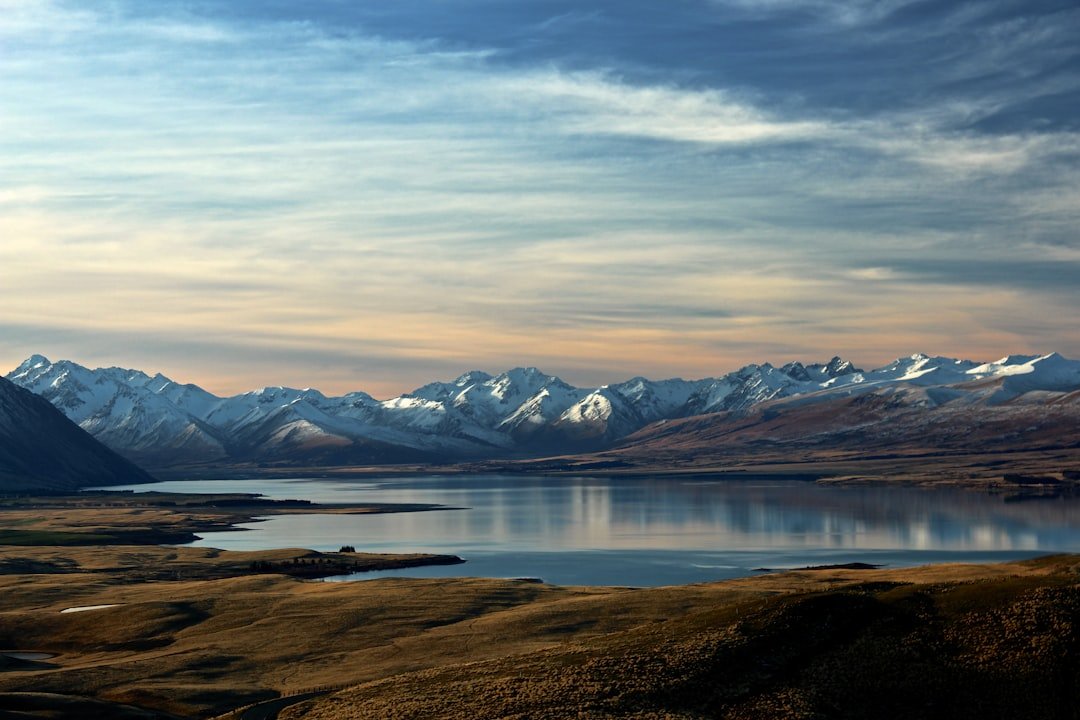
New Zealand’s highlights are concentrated yet diverse. In the South Island, Aoraki / Mount Cook National Park presents the country’s highest peak, an accessible base for alpine hikes and stargazing in the Aoraki Mackenzie International Dark Sky Reserve. Nearby Lake Pukaki glows electric blue on clear days.
Fiordland National Park is home to Milford Sound and Doubtful Sound — steep-sided fiords carved by ice, best appreciated from a boat or sea kayak. Queenstown serves as the adventure hub, surrounded by the Remarkables and Crown Range; it’s a gateway for bungee jumping, jet boating on the Shotover River and scenic gondola rides.
Wanaka, quieter than Queenstown, offers access to Roys Peak and a relaxed lakeside vibe. On the west coast, Franz Josef and Fox Glaciers descend unusually close to sea level; guided glacier walks and heli-hikes reveal dramatic ice formations. In the North Island, Tongariro National Park’s Alpine Crossing is one of the world’s best day hikes through volcanic terrain and emerald crater lakes.
The Bay of Islands and the Coromandel Peninsula show a different side: sheltered water, historic towns and golden beaches such as Cathedral Cove. Rotorua offers geothermal parks and living Māori culture, while Lake Taupō — formed in a massive volcanic eruption — is a focus for fishing, sailing and skydiving. Finally, Marlborough’s vineyard-dotted valleys and Kaikōura’s whale-watching make excellent complements to New Zealand’s wild interior.
Best Time to Visit
New Zealand’s seasons are reversed from the northern hemisphere. Summer (December–February) brings long, warm days ideal for hiking, lakeside swimming and festivals, but popular spots can be crowded and accommodation prices peak. Shoulder seasons — spring (September–November) and autumn (March–May) — are often the smartest choice: fewer crowds, lower costs, and vibrant seasonal colors. Spring displays wildflowers and newborn lambs; autumn offers crisp air and clear light for photography.
Winter (June–August) is best for snow sports in Queenstown, Wanaka and the Canterbury ski fields. Road conditions in alpine areas can be challenging in winter; check closures and carry chains when required. If your priority is wildlife viewing, Kaikōura’s whale season runs year-round but offers different experiences by month; Milford Sound is dramatic any time of year, though rain is frequent.
Ultimately, pick months based on activities: summer for multi-day tramping and boating, winter for skiing, and spring or autumn for a balanced mix of weather and quieter travel.
Essential Travel Tips
Transportation: Renting a car or campervan is the most flexible way to explore, especially on the South Island where public transit options are limited. Drive on the left and allow extra time for winding single-lane roads and one-lane bridges. Interislander and Bluebridge ferries connect Wellington and Picton; book ahead in peak season. Domestic flights (Air New Zealand and regional carriers) save time between islands and distant towns.
Money and costs: The currency is the New Zealand dollar (NZD). Cards are widely accepted; contactless payments are common. Budget for fuel and longer driving times than distances suggest — fuel and rural accommodation can add up. Tipping is not compulsory; a small tip for exceptional service is appreciated but not expected.
Safety and health: New Zealand is generally safe, but the outdoors demand respect. Check weather and track conditions before heading out; register intentions for backcountry trips at DOC (Department of Conservation) huts or online systems when available. Sunburn is a real hazard — NZ has a strong UV index; wear sunscreen and a hat. Sandflies (particularly on the West Coast and in bushy coastal areas) can be annoying — use repellents and long sleeves at dawn/dusk.
Packing: Layering is essential — a breathable base layer, insulating mid-layer, and waterproof outer shell handle sudden weather changes. Sturdy walking shoes, a daypack, water bottle and a headlamp for short walks are recommended. If visiting alpine or glacier areas, book guided trips and carry appropriate gear; never attempt glacial travel without a guide.
Local etiquette: Learn basic Māori greetings such as ‘kia ora’ to show respect. Many sites are of cultural significance to iwi (tribes); observe signage and closures. Keep distances from wildlife and never feed animals. Respect fellow travelers and the environment — adhere to the outdoor ethic of ‘Leave No Trace.’
Frequently Asked Questions
Do I need a visa to travel to New Zealand?
Visa requirements depend on your nationality. Many countries are visa-exempt for short stays, but most visitors must obtain an NZeTA (New Zealand Electronic Travel Authority) before arrival. Check official immigration websites for current rules and processing times.
How long should I spend in New Zealand to see the highlights?
Two weeks allows a classic North-South loop but will be brisk. For a relaxed pace and time for hiking, a three-week trip is ideal. If focusing solely on the South Island or North Island, 7–10 days can work for a concentrated itinerary.
Is it easy to get around without a car?
Major cities and some towns have good local services, and long-distance buses and domestic flights cover key routes. However, to access remote scenic areas, trailheads and flexible itineraries, renting a car or campervan is recommended.
Are New Zealand’s tracks and hikes suitable for beginners?
There are tracks for all levels. Short walks near towns are accessible to most visitors. The Great Walks (e.g., Milford, Routeburn, Abel Tasman) vary from moderate to challenging and often require booking huts or campsites in advance. Research difficulty, weather, and required fitness before setting out.
Can I use my mobile phone and internet across the country?
Mobile coverage is good in urban areas and along main routes but can be patchy or absent in national parks, rural valleys and fiords. Buy a local SIM card for better coverage and data rates; Wi‑Fi is widely available in cafes, accommodations and visitor centers in towns.
Conclusion
New Zealand rewards travelers who balance ambition with respect for its environment and distances. From glacier-carved fiords and alpine peaks to geothermal valleys and glassy lakes, Aotearoa offers landscapes that invite both adrenaline and contemplation. Plan seasons around the activities you want, allow extra travel time between highlights, and immerse yourself in local food, Māori culture and outdoor rhythms. Whether you chase snow on the Southern Alps, paddle coastal coves, or walk volcanic ridgelines, New Zealand’s combination of accessibility and wildness makes for a trip that lingers long after the plane lands.