
Egypt Uncovered: Pyramids, Nile Journeys and Red Sea Retreats
Egypt is a country where time layers visibly: millennia-old stone monuments sit alongside bustling modern streets, and the Nile continues to shape daily life as it has for thousands of years. This guide threads together the essentials—iconic archaeological sites, river voyages that reveal rural rhythms, and coral gardens of the Red Sea—while helping you plan logistics, choose seasons and immerse yourself in local flavors. Whether you have a week to explore Cairo and Luxor or several weeks to add remote deserts and Mediterranean Alexandria, the country rewards curiosity with dramatic history, warm hospitality and vivid contrasts. Read on for a practical, experience-driven roadmap to Egypt’s highlights and lesser-known ways to savor them.
Must-See Attractions
Egypt’s headline sites are rightly famous, but their power remains intact in person.
-
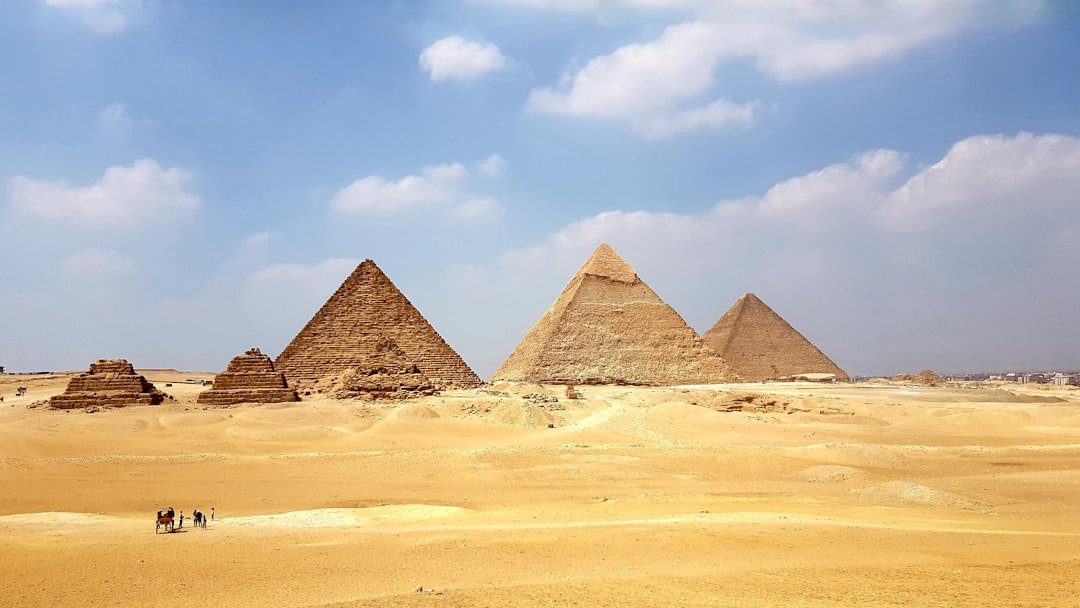
Giza Plateau (Pyramids and the Sphinx), Cairo: The Great Pyramid of Khufu, Khafre and Menkaure dominate the plateau west of Cairo. Allow time for the panoramic views at sunrise or late afternoon when the light deepens the stone’s color. The nearby Solar Boat Museum offers context on funerary beliefs.
-
Egyptian Museum, Tahrir Square, Cairo: Home to Tutankhamun’s treasures and countless artifacts spanning Pharaonic history. Note ongoing moves of some collections to the Grand Egyptian Museum (GEM) near Giza—check current exhibits before visiting.
-
Karnak Temple Complex and Luxor Temple, Luxor: Karnak’s vast hypostyle hall and processional avenues reveal the scale of New Kingdom religious life. Luxor Temple is atmospheric at night when floodlit.
-
Valley of the Kings, West Bank, Luxor: Tombs carved into the valley cliffs house spectacular painted burial chambers, including Tutankhamun’s burial site objects now largely in museums.
-
Abu Simbel, near Aswan: Ramses II’s colossal temple was an engineering triumph of relocation in the 1960s. The temple’s sheer scale and its twice-yearly solar alignment event draw many visitors.
-
Aswan and Philae Temple: Aswan’s relaxed riverfront character contrasts with noisy Cairo. Philae Temple, dedicated to Isis, sits on an island reachable by boat and is particularly photogenic at sunset.
-
Red Sea Resorts (Hurghada, Sharm el-Sheikh, Dahab): Known for world-class snorkeling and diving on vibrant coral reefs, sheltered bays and clear water. Dahab offers a more laid-back vibe and easy access to Blue Hole diving; Sharm and Hurghada provide extensive resort and liveaboard options.
-
Alexandria: The Bibliotheca Alexandrina, Qaitbay Citadel and coastal Corniche reflect Egypt’s Mediterranean history and offer a cooler alternative in summer.
-
Saint Catherine’s Monastery and Mount Sinai: For history and pilgrimage, the 6th-century monastery and sunrise hikes up Mount Sinai remain memorable, especially for those who value quiet reflection and dramatic vistas.
Local Experiences
Beyond monuments, Egypt’s character is revealed in food, neighborhoods, markets and outdoor pursuits.
-
Food and street eats: Try koshari (lentils, rice, pasta and tomato sauce), ful medames (stewed fava beans) and ta’amiya (Egyptian falafel) at family-run shops. Dishes like mahshi (stuffed vegetables), grilled seafood along the Nile and sweet basbousa or knafeh complete the culinary picture.
-
Markets and bazaars: Khan el-Khalili in Islamic Cairo is the classic market for spices, brassware, textiles and souvenirs—bargaining is expected. Local food markets (souks) offer a sensory immersion in daily life; visit early morning when produce and bread are freshest.
-
Viewpoints and neighborhoods: Cairo Tower and the Giza plateau give sweeping city panoramas. Stroll Zamalek for leafy streets, cafés and gallery spaces; explore Coptic Cairo’s narrow lanes and historic churches for a quieter, older urban fabric.
-
Festivals and culture: Religious and national observances shape the calendar. Sham el-Nessim (spring festival), Ramadan (with special evening foods and lively nights), and the occasional cultural festivals in Luxor and Aswan offer chances to see traditional music and dance.
-
Outdoors and adventure: Nile felucca rides—traditional sailboats—are relaxing ways to travel between villages and see riverside life. Hot-air balloon flights over Luxor’s West Bank are popular for sunrise views of temples and the Nile valley. Sinai and Western Desert excursions deliver bedouin-led hikes, desert camping and sandboarding near oases.
Best Time to Visit
Timing your trip depends on the balance you want between comfortable weather and lower crowds.
-
Seasons and weather: Egypt’s coastal Mediterranean north (Alexandria) has mild winters and hot summers. Inland and Upper Egypt (Cairo, Luxor, Aswan) are hot and dry; summer temperatures frequently exceed 100°F (38°C). The Red Sea coast stays warm year-round but is hottest in summer.
-
Best months: October through April offers the most comfortable conditions across most of the country—cooler days, warm sun and pleasant evenings. Late autumn and early spring are especially pleasant for Nile cruises and archaeological sites.
-
Crowds: Peak tourist season runs from December to February, when Europeans and other international travelers capitalize on mild weather. If you prefer fewer tourists and still-warm days, late September or April are good shoulder-month options.
Essential Travel Tips
Practicalities matter for a smooth trip—here are vetted, on-the-ground tips.
-
Transportation: Domestic flights connect Cairo, Luxor, Aswan and Hurghada quickly; book in advance during high season. The overnight sleeper train between Cairo and Luxor/Aswan is a classic option—choose a reputable operator and a private cabin for comfort. In cities, use registered taxis or ride-hailing apps (Uber/Careem) to avoid haggling over fares.
-
Money and payments: The Egyptian pound (EGP) is the local currency; carry some cash for markets and small vendors. Cards are widely accepted in hotels and larger restaurants. ATMs are common in cities but bring a backup card and notify your bank before travel.
-
Safety: Exercise standard travel caution: watch belongings in busy areas, avoid political demonstrations, and follow guidance from local authorities. Heat-related illness is common—stay hydrated, limit midday sun exposure and seek shaded breaks at archaeological sites.
-
Packing: Bring lightweight, breathable clothing that covers shoulders and knees for visits to religious sites and conservative neighborhoods. Sun protection—hat, sunglasses, high-SPF sunscreen—and a refillable water bottle are essential. If you plan diving or snorkeling, consider bringing reef-safe sunscreen and a basic mask if you prefer your own fit.
-
Local etiquette: Egyptians are generally warm and hospitable. Greet with a handshake; when in rural or conservative areas, dress modestly and be respectful when photographing people—ask permission. Tipping (baksheesh) is common for services and small favors; small bills make tipping easy.
-
Health and visas: Check visa requirements for your nationality before travel—many visitors can obtain e-visas or visas on arrival. Stay up to date on routine vaccinations and bring any prescription medicines with a copy of the prescription.
Frequently Asked Questions
Do I need a visa to travel to Egypt?
Visa rules vary by nationality. Many travelers can obtain an e-visa online before arrival or a visa on arrival at Egyptian airports. Check the official Egyptian e-visa portal and your embassy for the latest requirements and processing times.
How much time should I spend in Egypt to see the highlights?
A typical first-time itinerary is 7–10 days: 2–3 days in Cairo (Giza, Egyptian Museum, Islamic/Coptic quarters), 3–4 days in Luxor/Aswan for temples and a Nile cruise, plus 2–3 days at a Red Sea resort if you want diving or relaxation. More time allows for Alexandria, Sinai or desert excursions.
Is it safe to drink tap water in Egypt?
Tap water is not recommended for drinking. Stick to bottled or filtered water—hotels and restaurants usually provide bottled water. Use bottled water for brushing teeth if you have a sensitive stomach.
What should I wear at religious sites and temples?
Modest clothing is advised: cover shoulders and knees. Men and women should avoid revealing outfits in mosques and conservative neighborhoods. At some desert or beach locations the dress code is relaxed, but always carry a modest layer when moving between sites.
Can I use my credit card everywhere?
Credit cards are widely accepted in hotels, larger restaurants and tourist attractions, but small shops, markets and rural vendors often prefer cash. Have enough local currency for small purchases and tipping.
Conclusion
Egypt rewards travelers who balance planning with curiosity. From the monumental silence of the Giza plateau and the intimate rhythms of a Nile felucca to the riot of color beneath Red Sea waves, the country offers layered experiences that stay with you long after you leave. Practical preparation—timing your visit for comfortable weather, choosing reliable transport, and respecting local customs—lets the sites and encounters take center stage. Travel with an open mind, taste boldly, and allow moments of quiet between the big-ticket attractions: Egypt’s most memorable insights often come in small, unscripted encounters with place and people.
Inspired? Start planning your trip.
Move from inspiration to planning with BookingTabs — explore hotels, tours and travel options in one place.

Join the conversation
Ask a question, share a travel tip, or help another traveler plan with confidence.
Leave a comment
No account or email required.