Alpine and Pyrenean Villages to Visit in France’s Mountain Heartlands
France’s mountains are not just dramatic peaks and ski runs; they’re peppered with villages where stone streets, steep roofs and local traditions feel unchanged by time. From the sunlit quays of Annecy and the channeled lanes around Mont Blanc to the weathered, pastoral communities tucked beneath the Pyrenean cirques, these settlements make ideal bases for exploration. Whether you’re chasing high-altitude trails, pastel-painted facades beside glacial lakes, or Basque farm-to-table flavors, the Alpine and Pyrenean villages of France offer concentrated doses of landscape, culture and slow-paced village life. This guide points you to the most rewarding villages, local experiences to seek out, the best seasons to travel and practical tips for getting there and getting the most from your visit.
Must-See Attractions
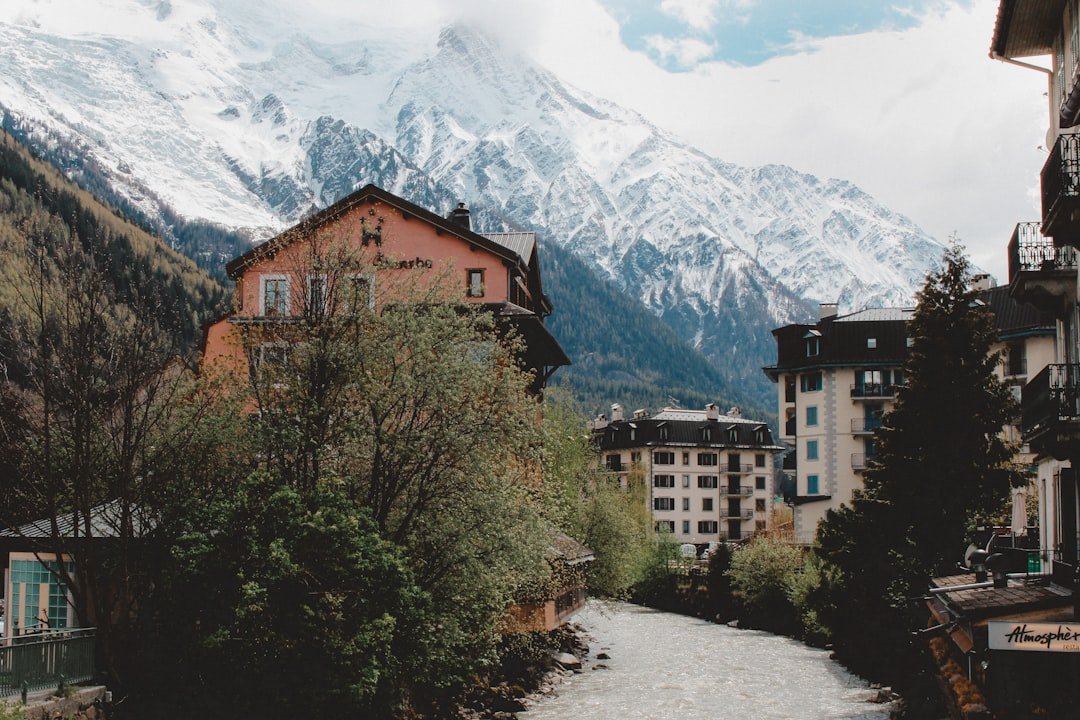
The region’s villages are gateways to some of France’s most iconic natural and cultural sights. In the northern Alps, Chamonix sits at the foot of Mont Blanc: wander the pedestrian streets, ride the Aiguille du Midi cable car for eye-popping views of the massif, or take the historic Montenvers train up to the Mer de Glace glacier. Nearby Annecy is best known for its medieval old town and crystal-clear lake—stroll the canals, cross the Pont des Amours and watch boats drift past the Palais de l’Isle.
Megève retains an old-fashioned Alpine charm with cobbled lanes and a fashionable après-ski scene anchored around its village square. Yvoire on Lake Geneva is a well-preserved medieval village with flower-filled ramparts and quiet promenades. For a fortified alpine experience, the ancient bastions of Briançon offer Vauban architecture and sweeping valley views.
In the Pyrenees, the village of Gavarnie (Gavarnie-Gèdre) is best-known for the Cirque de Gavarnie, a UNESCO-listed natural amphitheater crowned by dramatic waterfalls—an accessible, unforgettable walk from the village. Cauterets combines traditional spa-town history with easy access to the Vignemale massif and Pont d’Espagne’s waterfalls. Bagnères-de-Luchon (commonly called Luchon) has long been a thermal spa base and a launch point for high passes and alpine hiking. Saint-Lary-Soulan is a lively mountain village with family-friendly ski areas and a network of summer lifts and trails for walking and biking.
Best Time to Visit
Choosing when to visit depends on whether you prioritize winter sports, summer hiking or quieter shoulder seasons. Winter (December–February) brings reliable snow to higher Alpine resorts such as Chamonix and Megève and to Pyrenean ski areas like Saint-Lary. Expect crowded holiday periods around Christmas and February school breaks.
Late spring to early autumn (May–September) is ideal for hiking, cycling and lake activities. July and August offer long days, fully open mountain lifts and village festivals, but they are the busiest months for tourists. Wildflower displays are at their peak in June and July, while late September can be pleasantly quieter with crisp air and autumn colors.
Shoulder seasons—April/May and September/October—are attractive if you prefer fewer crowds and lower prices; some high-altitude trails or lifts may be closed early or late in season. For thermal town visits and local markets, late spring and early autumn offer mild weather and authentic village rhythms without the summer rush.
Essential Travel Tips
Transportation: Major gateways include Geneva and Lyon for the northern Alps, and Toulouse or Pau for the Pyrenees. France’s SNCF and regional TER trains connect many mountain towns—Annecy and Briançon have reliable rail links; for smaller villages such as Gavarnie or Cauterets, a car or regional bus is often necessary. Roads into mountain valleys can be narrow and winding; in winter, carry or rent appropriate tires and check for snow chains.
Money and costs: France uses the euro. Village shops can be cash-friendly; carry small bills and coins for markets and mountain refuges. Credit cards are widely accepted in towns but less so at remote chalets or small stalls.
Safety and health: Mountain weather changes fast—carry layers, waterproofs and sun protection. If hiking, let someone know your route and check park notices for trail closures. At higher altitudes, pace yourself to avoid fatigue. Many villages have local pharmacies and clinics; larger hospitals are in regional centers like Annecy or Pau.
Packing: Bring sturdy walking shoes, a warm midlayer, and a compact rain jacket year-round. If you plan to dine in traditional restaurants, bring smart-casual clothes—some older establishments have dress expectations. For winter visits, pack thermal layers, insulated outerwear and appropriate footwear for icy streets.
Local etiquette: Greet shopkeepers and locals with a polite Bonjour or Bonsoir. In small villages, people value discretion and friendliness—avoid loud behavior late at night. Respect grazing lands and private property when walking outside marked trails. When dining, tipping is modest in France—service is usually included, though leaving small change or rounding up is appreciated.
Frequently Asked Questions
1. Which village is best for a first-time mountain visit?
Annecy is excellent for first-timers—easy access, a scenic lake, a well-preserved old town and gentle nearby hikes. For a classic alpine mountaineering vibe, Chamonix gives dramatic peaks and mountain activities.
2. Are the Pyrenean villages easier to reach than Alpine ones?
Both ranges have accessible hubs. Pyrenean towns such as Pau and Lourdes are served by regional airports and trains, but some high-mountain villages require a car or bus. Alpine hubs like Annecy and Chamonix are well-connected by train and larger airports (Geneva, Lyon).
3. Can I visit these villages without driving?
Yes—many larger villages are reachable by train and bus. Annecy, Chamonix and Briançon are accessible by public transport. For smaller or remote villages, organized shuttles, local buses or day tours are useful alternatives to driving.
4. What should I eat in mountain villages?
Try regional specialties: in the Alps, raclette, tartiflette and local cheeses; in the Pyrenees, garbure, confits and sheep cheeses like Ossau-Iraty. Village markets and boulangeries offer excellent local products and snacks for hikes.
5. Are mountain villages family-friendly?
Many are. Resorts like Saint-Lary and Megève have family-oriented ski areas, childcare options and gentle summer activities. Lakeside Annecy is especially family-friendly with shallow swimming areas and safe promenades.
Conclusion
France’s Alpine and Pyrenean villages offer concentrated, evocative experiences—stone streets and bustling markets, dramatic summits and calming lakes, centuries-old traditions and modern outdoor pursuits. Whether you favor the cosmopolitan access of Annecy, the adrenaline of Chamonix’s peaks, or the pastoral calm around Gavarnie and Cauterets, each village is an invitation to slow down and connect with mountain culture. Practical transport links make many of these places easy to include on a wider itinerary, while the range of seasons ensures there’s always a version of the mountains to suit your travel style. Plan according to activities and crowd tolerance, pack for changeable weather, and you’ll find the villages of France’s mountain heartlands richly rewarding.