
Chile From Desert to Ice: Ultimate Travel Handbook
Chile stretches 2,700 miles along South America’s Pacific edge, folding dramatic contrasts into a single itinerary: lunar salt basins in the north, verdant lakes and fjords in the south, and cosmopolitan cities in between. This handbook guides travelers through key regions—Atacama’s high deserts and geysers, the central valleys and coastal culture around Santiago and Valparaíso, the lake district and Chiloé archipelago, and the wild reaches of Southern Patagonia. Practical advice, seasonal guidance, and authentic local experiences will help you shape a trip that balances iconic sights and quieter discoveries. Whether you’re backpacking, driving a rental car, or taking domestic flights, this guide focuses on what to see, how to move around, and how to travel smart across Chile’s diverse environments.
Must-See Attractions
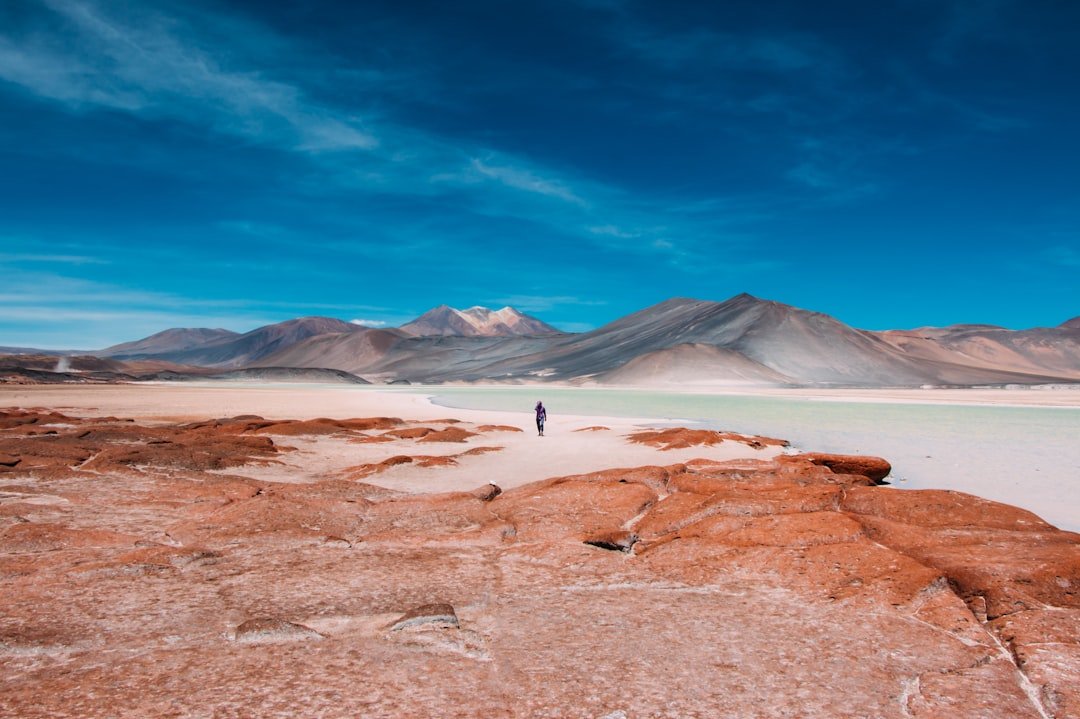
Chile’s geography delivers several unmissable destinations. In the far north, San Pedro de Atacama is the gateway to Valle de la Luna’s otherworldly formations, the high-altitude El Tatio geyser field, and the expansive Salar de Atacama—home to flamingo colonies. Head south to the central region for Santiago’s Cerro San Cristóbal viewpoint and the UNESCO streets of Valparaíso, where painted houses and steep funiculars define the port city’s character. Wine lovers shouldn’t miss the Casablanca and Colchagua valleys for accessible tastings and vineyard tours.
In the Lake District, Puerto Varas offers views of Osorno Volcano and access to Petrohué Falls and the Todos los Santos Lake. Nearby, the island culture of Chiloé—Castro’s palafitos and its wooden churches—presents folkloric architecture and seafood specialties. Finally, Southern Patagonia is dominated by Torres del Paine National Park with its jagged towers, mirrored lakes, and the Grey Glacier. Punta Arenas is the traditional staging point for expeditions to Tierra del Fuego and Antarctic gateways; from here, road and ferry links lead into remote channels and southern estancias.
Best Time to Visit
Chile’s extremes mean travel windows vary by region. Northern Atacama is driest year-round; winter nights are colder, but days remain pleasant—March to May and September to November offer milder temperatures and fewer tourists. Central Chile (Santiago, Valparaíso, wine regions) follows Mediterranean seasons: summer (December–February) is warmest and busiest, while spring (September–November) and autumn (March–May) offer comfortable weather and shoulder-season advantages.
The Lake District and Chiloé are best in summer (December–February) for long daylight and calmer weather, though rain is possible year-round. Southern Patagonia’s high season is austral summer (December–February), when access and services are most reliable; expect higher prices and more visitors. Shoulder months (October–November and March–April) can work well for fewer crowds but bring more variable weather. Winter (June–August) is best for low-season prices and snow sports in central Andes resorts, but many southern trails and services are closed.
Essential Travel Tips
Transportation: Chile’s long spine is serviced by domestic flights (Santiago is the main hub) connecting to Calama (for Atacama), Puerto Montt (for the Lake District and Chiloé), and Punta Arenas (for Patagonia). Long-distance buses are comfortable and economical—companies like TurBus and Pullman run services on major routes, with sleeper options for overnight travel. In the south, ferries and car ferries are often necessary; check schedules in advance during low season.
Money and costs: Chile uses the peso (CLP). Credit cards are widely accepted in cities and tourist towns; carry cash for small purchases, markets, and remote areas. ATMs are common in urban centers but scarce in remote regions—withdraw before long journeys. Tipping is appreciated: 10% in restaurants is customary when service isn’t included.
Safety and health: Chile is generally safe for travelers, but standard precautions apply—watch belongings in crowded urban areas. In high altitudes like El Tatio and salt flats, acclimatize in San Pedro de Atacama before early-morning excursions; stay hydrated and avoid strenuous activity if you develop symptoms. In Patagonia, weather changes rapidly—always inform someone of plans before long treks and use licensed operators for glacier activities.
Packing and clothing: Pack layers. Northern deserts require sun protection and warm nights; a sun hat, sunscreen, and a warm jacket are essential. In central Chile bring light clothes plus a waterproof layer for spring/fall. For Patagonia, bring windproof and waterproof outer layers, thermal mid-layers, sturdy hiking boots, and a warm hat and gloves. If visiting multiple regions, plan for both desert and alpine conditions.
Local etiquette: Greet with a handshake in first meetings; a kiss on the cheek is common in more social contexts. Learn basic Spanish phrases—people appreciate effort beyond English, especially in smaller towns. Respect local customs and environmentally sensitive areas: follow marked trails and dispose of waste thoughtfully.
Frequently Asked Questions
Do I need a visa to visit Chile?
Visa requirements depend on nationality. Many countries enjoy visa-free entry for tourism for limited periods. Check Chile’s official immigration site or your consulate for the most current rules before travel.
How many days do I need to see Chile properly?
Chile’s length means prioritizing regions. A compact trip covering Santiago, Valparaíso, and a day trip to a nearby wine valley needs 5–7 days. To include Atacama or Patagonia add another week each. For a coast-to-patagonia experience plan 3+ weeks to travel without excessive rush.
Is it easy to travel between regions by car?
Driving is straightforward on main highways in central and northern Chile. In the south, ferry crossings and narrow roads can slow travel; check ferry schedules and road conditions. Rental agreements may restrict crossing into neighboring countries—read terms carefully.
What vaccinations or health precautions should I take?
Standard travel vaccinations are recommended. There are no widespread vaccine requirements for entry, but consult a travel health clinic for personalized advice. In the Atacama, altitude can affect some travelers—ascend gradually and seek medical attention for severe symptoms.
Can I see wildlife in Chile?
Yes. In the north, flamingos inhabit salt flats. Central and southern wetlands host diverse birdlife. Chiloé and southern channels offer marine mammals, including sea lions and dolphins; Magellanic penguin colonies can be visited near Punta Arenas and on southern islands—book guided trips to ensure ethical viewing.
Conclusion
Chile rewards travelers who embrace its contrasts: the stark silence of Atacama’s salt pans, the historic lanes and coastal art of Valparaíso, the volcanic mirrors of the Lake District, and the raw grandeur of Patagonia’s ice and mountainscapes. Practical planning—respecting seasonal windows, preparing for climatic variety, and choosing reputable local guides—turns a well-laid itinerary into memorable experiences. Whether your trip focuses on stargazing in the north, tasting world-class wines, island culture, or multi-day trekking in Torres del Paine, Chile’s geographic breadth guarantees a journey full of dramatic scenery, rich food traditions, and distinct regional identities.
Inspired? Start planning your trip.
Move from inspiration to planning with BookingTabs — explore hotels, tours and travel options in one place.
Join the conversation
Ask a question, share a travel tip, or help another traveler plan with confidence.
Leave a comment
No account or email required.