
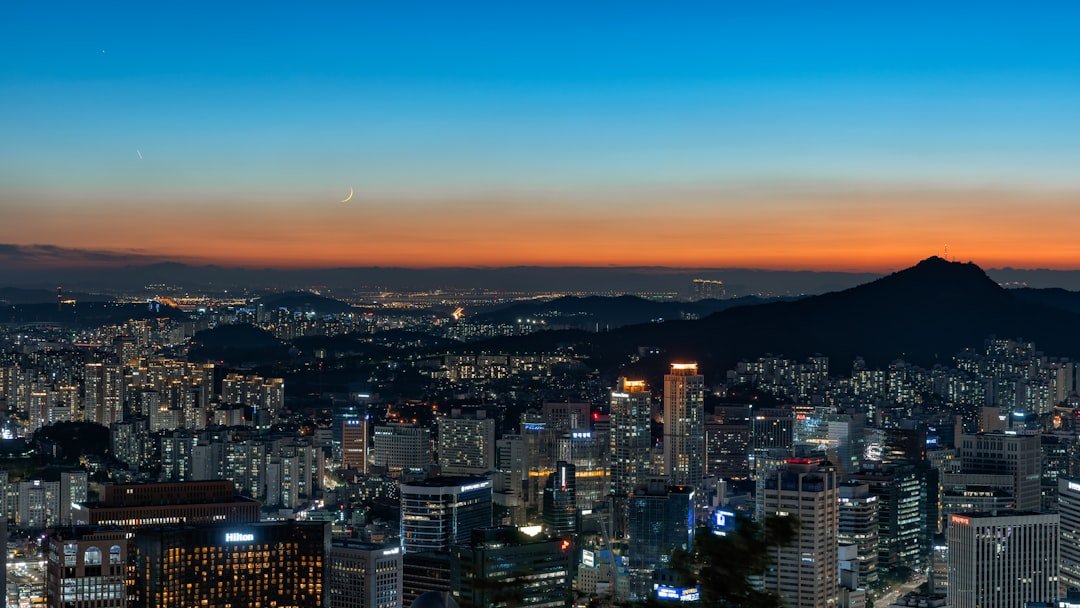
South Korea Travel Guide: Seoul, Coastal Highlights and Cultural Immersion
South Korea packs centuries of history, cutting-edge urban life and dramatic coastline into a country roughly the size of Indiana. From Seoul’s palace courtyards and neon-lit neighborhoods to Busan’s harbor markets and Jeju Island’s volcanic landscapes, the country rewards travelers who mix city exploration with coastal escapes. This guide focuses on what to see and do in Seoul and along Korea’s coasts, how to experience authentic local culture, and practical tips to move around efficiently. Whether you have a week or three, you can combine historic palaces, seafood markets, mountain hikes and island beaches into a layered trip that feels both modern and deeply rooted in tradition.
Must-See Attractions
South Korea’s highlights balance imperial history, modern design and natural drama. In Seoul, visit Gyeongbokgung Palace to watch the royal guard ceremony and wander the serene gardens of Changdeokgung. The Bukchon Hanok Village provides a peek at traditional wooden houses set among Seoul’s contemporary skyline, while Insadong is ideal for galleries and handicrafts.
For coastal cities, Busan is essential: stroll Haeundae Beach, watch the sunrise at Songdo or Taejongdae Park’s cliffs, and browse Jagalchi Fish Market for fresh seafood and lively auction scenes. On the east coast, Sokcho serves as the gateway to Seoraksan National Park, one of Korea’s most scenic ranges with well-maintained trails and dramatic granite peaks.
Jeju Island stands apart with volcanic features such as Seongsan Ilchulbong (Sunrise Peak), the lava tubes of Manjanggul Cave and Hallasan, South Korea’s highest mountain. Yeosu and Tongyeong offer charming harbors and island-hopping opportunities along the southern coast; both are known for seafood and coastal viewpoints.
Local Experiences
Food: Korean cuisine is regional and communal. In Seoul, sample bibimbap, Korean barbecue and street snacks like tteokbokki and hotteok. Visit Gwangjang Market for bindaetteok (mung-bean pancake) and mayak kimbap, and Noryangjin Fish Market for sashimi served at counters where you can pick your catch. In Busan, try milmyeon (wheat noodles) and fresh raw fish; Jeju is famous for black pork and abundant seafood.
Markets and neighborhoods: Insadong crafts lanes and Ikseon-dong’s renovated hanok alleys are perfect for ceramics and tea houses. Hongdae and Itaewon showcase nightlife, live music and international dining. Jagalchi and Gwangalli Beach in Busan offer evening promenades; Tongyeong’s old town has narrow alleys and local art studios.
Viewpoints and outdoor activities: For skyline views, ride the cable car to N Seoul Tower or hike Namsan. Busan’s Haeundae and Dalmaji-gil drive provide coastal panoramas, and the Olle Trails on Jeju are well-marked routes along cliffs and countryside. Seoraksan’s Ulsanbawi rock and the cable car to Gwongeumseong Fortress are unforgettable for hikers.
Festivals: Seasonal festivals highlight local traditions—cherry blossom and spring flower festivals in April, Boryeong Mud Festival on the west coast in July for energetic beach fun, and autumn foliage festivals in October and November in mountain parks like Seoraksan and Naejangsan.
Best Time to Visit
Spring (April–June) and autumn (September–November) are the most pleasant times to visit. Spring brings cherry blossoms and mild temperatures; late April is peak blossom season in many cities. Autumn offers crisp air and vivid foliage—late October to early November is ideal for mountain hikes and coastal drives.
Summer (July–August) is hot, humid and the monsoon (jangma) typically arrives in late June or July, bringing heavy rain in some regions—it’s the season for beach trips and festivals but expect occasional downpours and higher humidity. Winter (December–February) is cold with snow in the north and mountains; Jeju is milder and often chosen for winter getaways. If you want fewer crowds and lower prices, consider shoulder months (March or November) when weather is still comfortable and major tourist sites are less busy.
Essential Travel Tips
Transportation: South Korea’s transport network is efficient. In Seoul, use the subway with a T-money card for seamless transfers between buses and trains. For intercity travel, the KTX high-speed train connects Seoul with Busan, Daegu and other cities in under three hours to Busan. Local express buses reach smaller coastal towns. Domestic flights are frequent and often economical for reaching Jeju.
Money: The Korean won (KRW) is cash-based in many markets but cards are widely accepted in cities. Carry some cash for market stalls and smaller eateries. ATMs are abundant; choose machines labeled for international cards. Credit cards are accepted at most hotels and restaurants in urban areas.
Safety: South Korea is generally very safe for travelers. Standard precautions apply: watch belongings in crowded areas, especially at busy markets and festivals. Emergency services use 112 for police and 119 for fire/ambulance.
Packing: Bring comfortable walking shoes for cobblestones and trails, a lightweight rain jacket for the monsoon season, and layered clothing for sharp temperature changes between day and night. If you plan to hike Seoraksan or Hallasan, pack proper gear and check trail conditions.
Etiquette: Bowing lightly and using two hands when receiving or giving items are appreciated. Remove shoes before entering traditional homes, certain guesthouses and some restaurants. Tipping is not customary and sometimes politely refused—round up or leave service charges to hotel staff only if desired. Learn basic Korean phrases like ‘annyeonghaseyo’ (hello), ‘gamsahamnida’ (thank you) and ‘juseyo’ (please give me) to make interactions smoother.
Frequently Asked Questions
How many days do I need to see Seoul and Busan?
A focused Seoul itinerary needs 3–4 full days to cover major palaces, neighborhoods and a museum or two. Add 2–3 days in Busan to sample beaches, markets and nearby temples. If you include Jeju or Seoraksan, allocate an additional 2–4 days each.
Is English widely spoken?
English is common in tourist areas, major hotels and with younger Koreans, but proficiency varies. Bring a translation app for menus and local buses; signage in Seoul and Busan often includes English.
Can I use public transportation with a tourist card?
Yes. Buy a reloadable T-money card (or similar regional cards) to pay fares on Seoul subways, buses and some taxis. It saves time and often offers small fare discounts compared to single tickets.
Are there any cultural customs I should be aware of at temples?
Dress modestly and speak quietly. Follow signage for photography rules, avoid stepping on thresholds or touching altars, and remove hats if instructed. Many temples welcome visitors but expect respectful behavior during ceremonies.
Is it easy to travel to Jeju Island from the mainland?
Yes. Jeju is a short flight from Seoul, Busan and other cities—frequent flights make it a convenient island escape. Ferries also run from coastal ports but take considerably longer.
Conclusion
South Korea rewards travelers who balance urban discovery with coastal and mountain experiences. Start in Seoul to absorb royal history, contemporary neighborhoods and vibrant food scenes, then head to Busan, the east coast or Jeju for seafood, beaches and outdoor adventures. Seasonal timing matters—spring and autumn offer the most pleasant weather and scenery—while practical preparation, such as a T-money card and basic Korean phrases, will smooth daily travel. With thoughtful planning you can mix palace visits, market feasts, seaside sunsets and mountain hikes into a compact trip that feels both varied and deeply memorable.
Inspired? Start planning your trip.
Move from inspiration to planning with BookingTabs — explore hotels, tours and travel options in one place.
Join the conversation
Ask a question, share a travel tip, or help another traveler plan with confidence.
Leave a comment
No account or email required.