
Best Things to Do in Lower Manhattan: Sights, Food and Tips
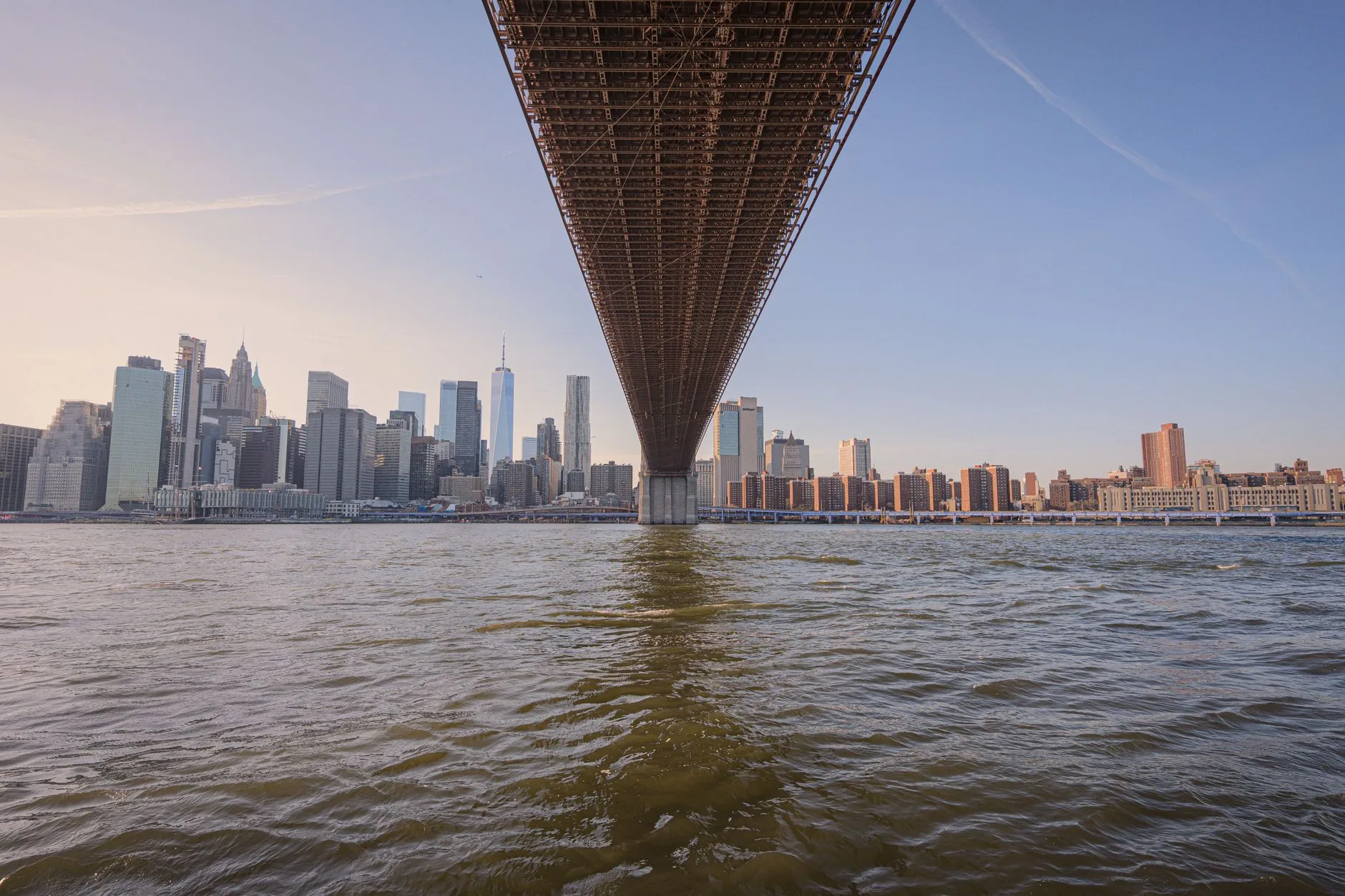
Lower Manhattan is New York at its most layered. The southern end of Manhattan brings together Wall Street and Revolutionary-era landmarks, the World Trade Center, harbor parks, immigrant food traditions, historic waterfront buildings and several of the city’s most memorable views. It is generally understood as the area south of Chambers Street, although its practical sightseeing zone also includes Tribeca, Chinatown, Little Italy and nearby waterfront districts.
The area works particularly well for first-time visitors because many major sights are close enough to connect on foot. It is also one of the best parts of New York for history, architecture, photography and food. Allow two full days for the principal attractions. Three days will feel more comfortable if you want to visit the Statue of Liberty and Ellis Island, include Governors Island or explore the neighborhood restaurants at an unhurried pace.
Why Visit Lower Manhattan
Lower Manhattan is not a single neighborhood with one personality. The Financial District is defined by skyscrapers, historic streets and weekday business activity, while the World Trade Center area combines contemporary architecture with places of remembrance. Battery Park City provides landscaped waterfront walks, Chinatown is one of the city’s strongest food destinations, and the South Street Seaport adds maritime history and East River views.
This concentration makes Lower Manhattan especially useful for travelers who want variety without spending every day crossing the city. Within a compact area you can visit a National Park Service historic site, walk beside the harbor, eat dim sum or dumplings, look across to Brooklyn and take a ferry toward the Statue of Liberty.
The district is also a good base for combining Manhattan sightseeing with Brooklyn or harbor excursions. The Brooklyn Bridge, Staten Island Ferry, Governors Island and Statue City Cruises departures are all close at hand. Just remember that the area can feel larger than it looks on a map because of security screening, large plazas, waterfront detours, construction and crowds.
Weather and the Best Time to Go
Spring and autumn are usually the most comfortable seasons for walking, waterfront sightseeing and bridge views. Temperatures are often more manageable for long days on foot, although weather and attraction calendars still need checking.
Summer brings long daylight hours and is a good season for Governors Island, outdoor waterfront areas and ferry excursions. It can also be hot, sunny and crowded, with higher demand for popular attractions and possible ferry queues.
Autumn is often favorable for photography and extended walks. Check holiday schedules, event-related closures and any changes to ferry or museum access.
Winter makes the harbor areas colder and windier, with shorter daylight hours, but indoor attractions remain strong. The 9/11 Memorial Museum, One World Observatory, shops and restaurants can help balance an itinerary that would otherwise involve too much time outdoors.
The Battery is subject to ongoing coastal-resilience work, and construction conditions can change. Check current access information close to your visit in every season.
Transport in Lower Manhattan
Walking is usually the best way to connect attractions within the Financial District, World Trade Center, The Battery and the Seaport. Wear comfortable shoes and allow more time than a map suggests. Security screening, large plazas, construction zones and crowded pedestrian areas can slow a short-looking route.
The subway is the most useful complement to walking. Stations serving the district include Chambers Street, Fulton Street, World Trade Center, Cortlandt Street, Rector Street, Whitehall Street, Bowling Green and South Ferry. PATH connects the World Trade Center with New Jersey.
MTA fares, payment rules and transfer policies can change. Use current official guidance before departure, and use the same contactless card or device consistently when paying fares so applicable transfer rules can be recorded correctly. MetroCard availability and OMNY policies should be verified for your travel date.
Yellow taxis and app-based rides are available, but traffic, curb restrictions and pedestrianized areas can make door-to-door journeys slow. A car is generally inconvenient for sightseeing because parking is limited and expensive. Public transport is usually the better option.
Arriving from New York airports
From John F. Kennedy International Airport, AirTrain connects with Jamaica Station for Long Island Rail Road and subway services, or Howard Beach for the A subway. AirTrain fares and payment procedures should be checked close to travel.
LaGuardia can be convenient for domestic travelers. The free Q70 LGA Link connects Terminals B and C with subway hubs at Jackson Heights–Roosevelt Avenue and 74 St–Broadway.
Newark Liberty International Airport connects by AirTrain to Newark Airport Station, where travelers can continue by NJ Transit or other regional services. PATH from Newark Penn Station reaches the World Trade Center, subject to applicable fares and schedules.
Airport taxis, rideshares and pre-booked transfers can be useful with heavy luggage, late arrivals or family groups. Compare the convenience of a direct vehicle with the cost and traffic conditions for your arrival time.
Where to Stay in Lower Manhattan
Looking for a place to stay? Compare hotels for Lower Manhattan on BookingTabs.
Financial District
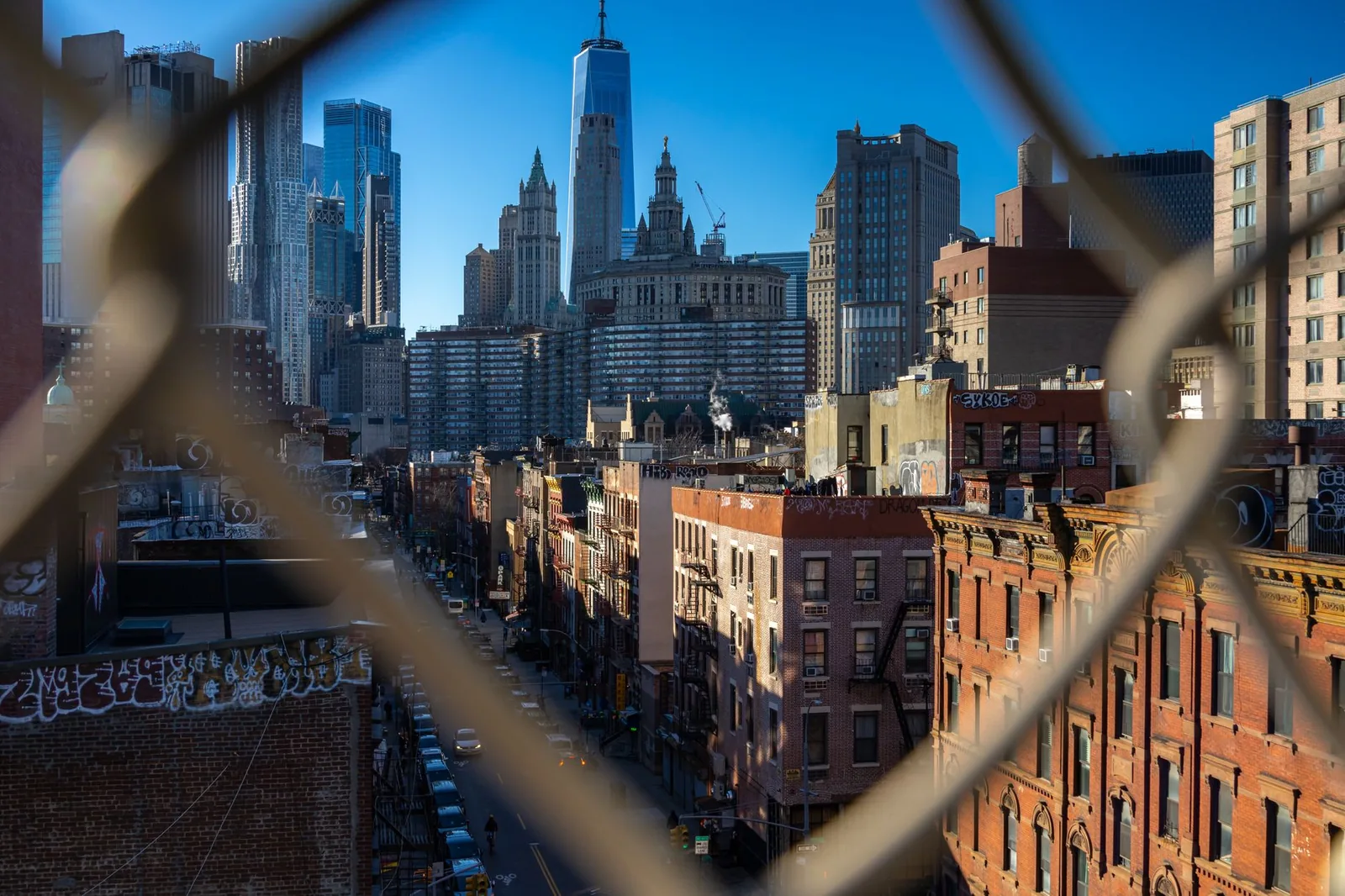
Choose the Financial District for the closest access to Wall Street, Federal Hall, Trinity Church, Stone Street, The Battery and the Staten Island Ferry area. It is convenient for sightseeing and public transport, although weekday mornings and afternoons have a distinctly business-district feel.
World Trade Center
The World Trade Center area is practical for visitors prioritizing the 9/11 Memorial and Museum, One World Observatory, the Oculus and PATH connections. It also offers easy access to Battery Park City and Brookfield Place.
Battery Park City
Battery Park City suits travelers who prefer landscaped waterfront walks and a quieter atmosphere while remaining close to the World Trade Center and Financial District. It can feel removed from some of the livelier restaurant streets, so consider your evening plans.
South Street Seaport
The Seaport is a good choice for East River views, maritime attractions, Pier 17 and waterfront dining. It offers a more visitor-oriented setting than the office-heavy Financial District, though event and seasonal activity can change the atmosphere.
Tribeca
Tribeca is useful for travelers who value restaurants, galleries, architecture and a more residential downtown setting. It is north of the core waterfront attractions, but still well placed for exploring Lower Manhattan on foot or by subway.
Chinatown and Little Italy
These areas are particularly appealing for food-focused travelers who want immediate access to restaurants, bakeries, markets and lively street life. They are less quiet than Battery Park City and can be busy at mealtimes, but they provide a strong local character.
Which Lower Manhattan experience would you most want to build your day around?
What to See and Do in Lower Manhattan
Visit the 9/11 Memorial and Museum
The outdoor 9/11 Memorial is one of Lower Manhattan’s most important places of remembrance. Two reflecting pools occupy the footprints of the former Twin Towers, with the names of the victims inscribed around their edges. The Memorial is free, and visitors should approach it as a quiet memorial site rather than a conventional sightseeing stop.
The 9/11 Memorial Museum is a separate attraction that requires admission. Its exhibitions explore the 2001 and 1993 attacks, their context, the aftermath and their continuing impact through artifacts, personal accounts and recorded testimony. Allow at least 45 to 90 minutes for the Museum alone, and more if you prefer to read and reflect carefully.
Timed admission and advance planning are sensible, particularly on weekends and during busy travel periods. The Memorial and Museum do not have identical admission rules, so check current visitor information before setting out. Security screening also adds time.
See Lower Manhattan from One World Observatory
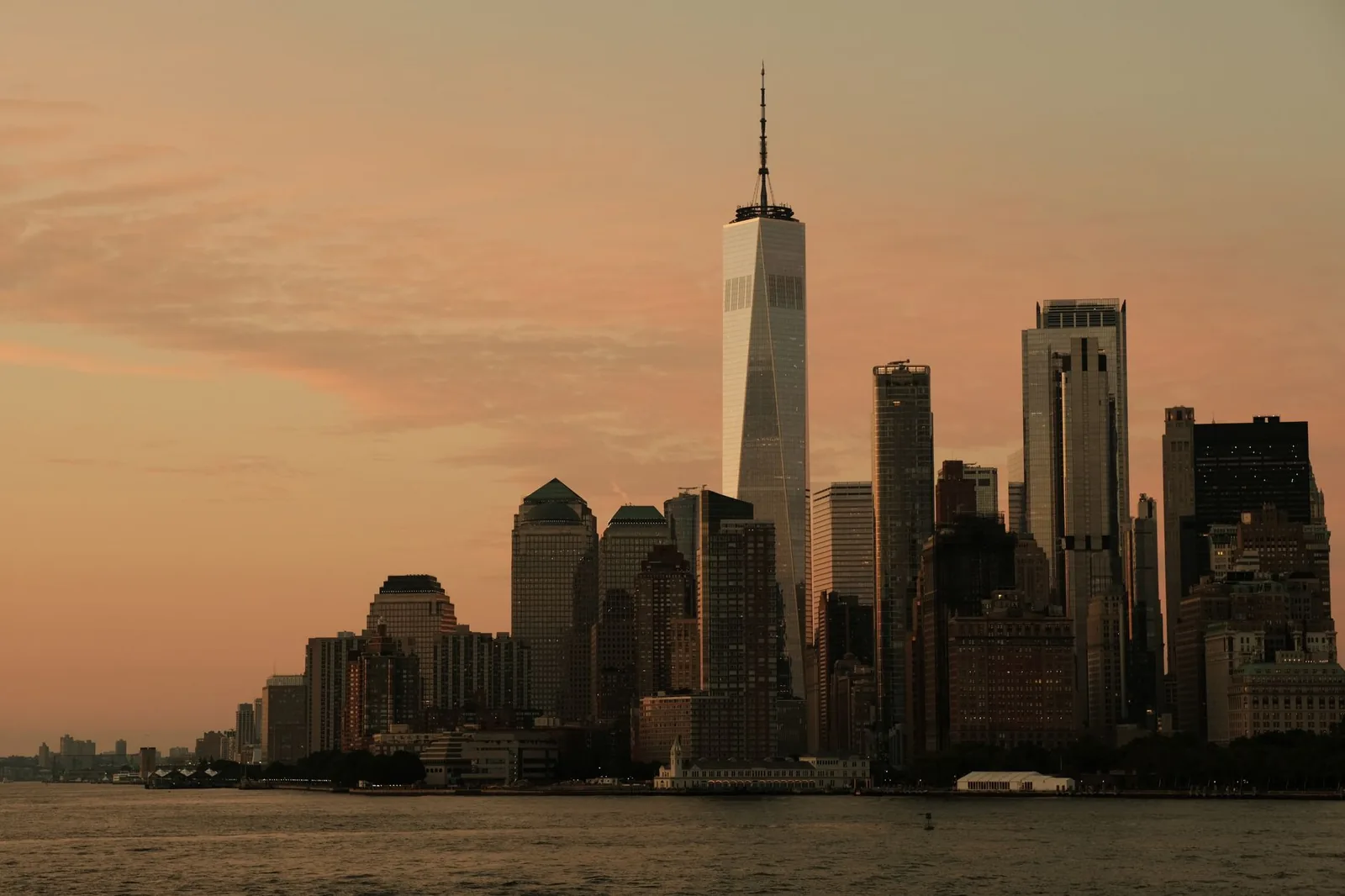
One World Observatory occupies floors 100 to 102 of One World Trade Center and offers expansive views across Manhattan, New York Harbor and the surrounding region. It is a useful choice if you want a high-level panorama from the southern end of the island, especially when the weather is clear.
Admission is timed, and opening hours vary seasonally. Consider placing the observatory on the same day as the 9/11 Memorial and Museum, since all three are part of the World Trade Center district. If you are choosing between several New York observation decks, One World Observatory provides a particularly strong perspective over the harbor, bridges and downtown skyline.
Explore the World Trade Center and Oculus
The Oculus is the distinctive Santiago Calatrava-designed transportation and retail complex at the World Trade Center. Its bright, rib-like interior is one of Lower Manhattan’s most recognizable modern spaces. It connects with subway services, PATH trains and shops, and provides a useful weather-protected route between nearby attractions.
The broader World Trade Center district is worth exploring beyond the individual sights. Its architecture, open plazas and rebuilt public spaces create a marked contrast with the older streets around Wall Street and the Seaport. Follow posted rules around transit areas and allow additional time if security or event controls are in place.
Walk Wall Street and the Financial District
The Financial District is best explored on foot. Start around Wall Street and continue through the surrounding historic streets, taking in Federal Hall, Trinity Church and Trinity Churchyard, Bowling Green, the New York Stock Exchange district and Stone Street.
Federal Hall National Memorial is associated with the early federal government and George Washington’s inauguration. It is one of the most significant Revolutionary-era sites in Lower Manhattan. Confirm current opening days, exhibits and visitor requirements before visiting, as historic sites can operate on different schedules from one another.
Trinity Churchyard provides a quieter pause among the surrounding towers. Stone Street, with its historic setting and restaurants, is particularly active on weekdays and in favorable weather. The Financial District is busiest during business hours, so early mornings, evenings and weekends often provide a different atmosphere.
Visit The Battery and Castle Clinton
The Battery occupies Manhattan’s southern tip and is one of the best places in Lower Manhattan for harbor views. From the waterfront, you can look toward the Statue of Liberty, Ellis Island, New Jersey and the wider harbor. The park is also the setting for Castle Clinton National Monument.
Castle Clinton began as a harbor fort and later served as an entertainment venue and immigration station. Today it is connected with ferry operations to the Statue of Liberty and Ellis Island. Admission to Castle Clinton itself is free, but ferry tickets are separate.
Access around The Battery can change because of coastal-resilience construction, so check current conditions before your visit. Do not assume that every pathway or ferry approach will remain exactly as shown on older maps.
Take the ferry to the Statue of Liberty and Ellis Island
A visit to the Statue of Liberty and Ellis Island is one of the most substantial excursions from Lower Manhattan. Both islands are reached through the same authorized ferry system from The Battery, with an additional departure point at Liberty State Park in New Jersey.
Allow a half-day at minimum, and longer if you want to explore both islands carefully. Security and ferry boarding take time, particularly in summer, on weekends and during holidays. Crown access must be reserved in advance and involves a strenuous 162-step staircase with no elevator to the crown.
Buy island-landing ferry tickets only through Statue City Cruises or official National Park Service-linked channels. Unofficial sellers around The Battery can be misleading, and the free outdoor areas around Lower Manhattan should not be confused with paid ferry access to the islands.
Pause at Battery Park City
Battery Park City offers a calmer waterfront contrast to the Financial District. Its landscaped promenades, parks, public art and Hudson River views make it a good place to slow down after a museum or a busy downtown walk.
You can combine Battery Park City with the World Trade Center, Brookfield Place and the 9/11 Memorial. It is also useful for travelers who want a less crowded waterfront setting without leaving Lower Manhattan. Cafés and quick meals are available around Brookfield Place and the nearby office district, although individual venues and schedules can change.
Discover South Street Seaport and Pier 17
South Street Seaport brings together preserved maritime buildings, historic vessels, the South Street Seaport Museum, restaurants and public spaces along the East River. Pier 17 adds broad views toward Brooklyn and is a good place to include in a walking route from the Financial District or the Brooklyn Bridge.
The district also serves as a departure point for some sightseeing cruises and ferry experiences. Programming, rooftop operations, museum access and restaurant hours vary by season and event calendar, so check current details if a particular venue is central to your plans.
Walk across the Brooklyn Bridge
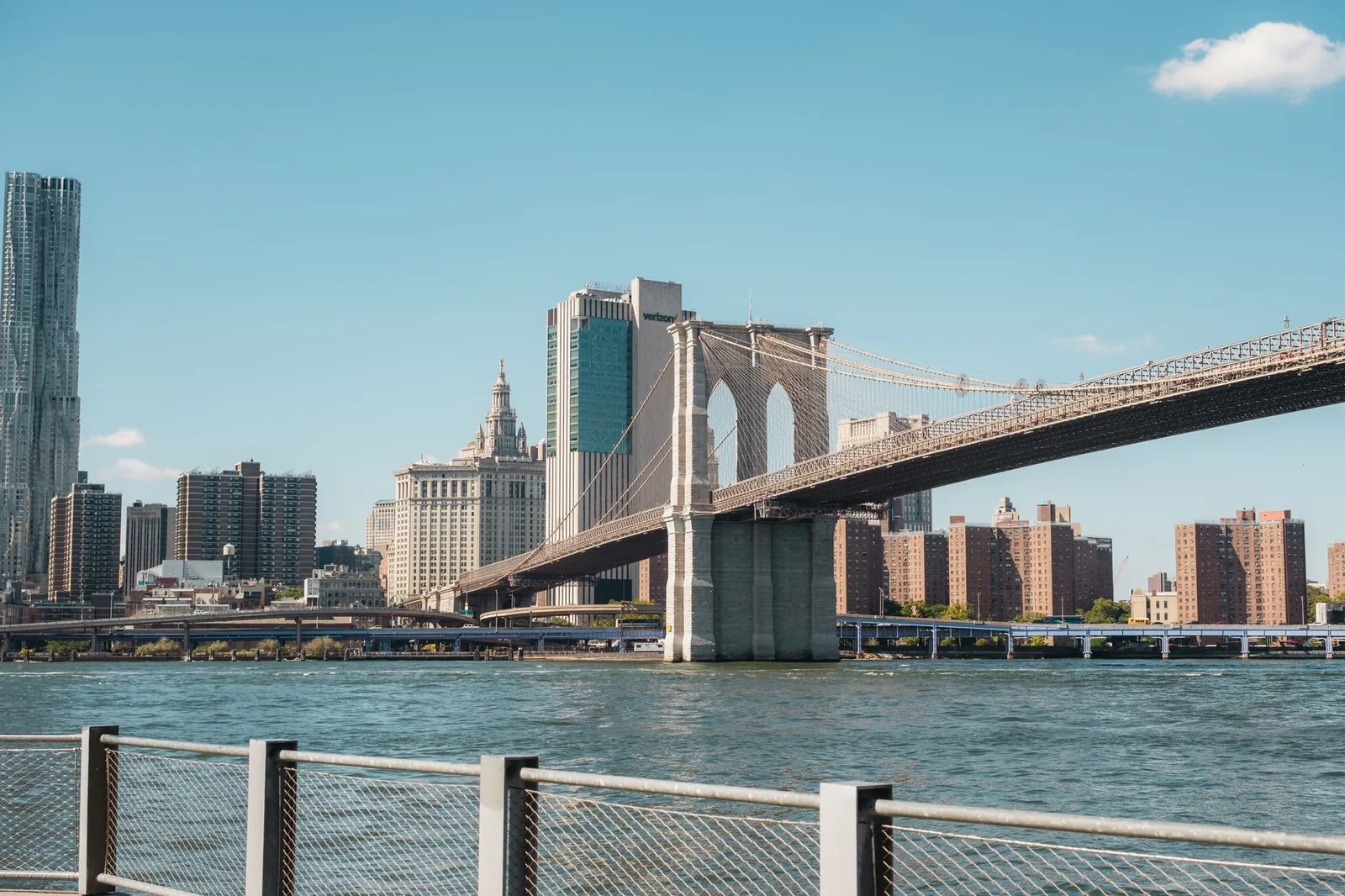
The Brooklyn Bridge pedestrian walkway begins near City Hall Park on the Manhattan side and provides views of Lower Manhattan, the East River and Brooklyn’s waterfront. It is one of the most rewarding walks in the area, but it is not always a peaceful one. The walkway can become crowded around sunrise, sunset and weekends.
Keep to the pedestrian side, stay alert for cyclists and avoid stopping in the center of the route. For a more relaxed outing, continue into DUMBO, Brooklyn Bridge Park or Brooklyn Heights after crossing rather than turning around immediately.
Ride the Staten Island Ferry
The Staten Island Ferry offers one of the easiest free ways to see Lower Manhattan from the water. Departing from Whitehall Terminal, the crossing takes approximately 25 minutes and provides views of the skyline, harbor and Statue of Liberty.
This is a public commuter service rather than a narrated sightseeing cruise. Rush-hour sailings can be crowded, and there is no need to buy a ticket. Ignore anyone attempting to sell ferry tickets near the terminal. Check current service information before travel, since schedules can change.
Explore Chinatown, Little Italy and Civic Center
Chinatown, Little Italy and the Civic Center form one of the most rewarding walking and food combinations in Lower Manhattan. Chinatown is known for dim sum, noodles, dumplings, roast meats, bakeries, tea and regional Chinese cuisines. Little Italy is compact but remains useful for Italian-American restaurants, cafés, pastries and traditional sweets.
Nearby Civic Center and Foley Square add a different historical dimension. African Burial Ground National Monument commemorates a burial ground where more than 15,000 free and enslaved Africans were interred from approximately the 1690s to the 1790s. The visitor center is inside the Ted Weiss Federal Building and requires airport-style security. Check current visitor-center and memorial hours before going.
Look for Tribeca’s architecture and local character
Tribeca is a useful addition if you want to see a more residential and restaurant-focused side of Lower Manhattan. Converted warehouses, cast-iron architecture, galleries, cafés and higher-end dining give it a different rhythm from the Financial District.
It works well as part of a broader downtown walk, although it is less concentrated in major headline attractions. Visit for the architecture, restaurants and atmosphere rather than trying to fit it into an already crowded sightseeing schedule.
What to Eat in Lower Manhattan

Chinatown is the essential food stop for many visitors to Lower Manhattan. Look for dim sum, noodles, dumplings, roast meats, bakeries, tea and regional Chinese dishes. Opening hours and reservation policies vary, so busy restaurants may require flexibility.
Little Italy is adjacent and works naturally in the same walking itinerary. Its restaurants, cafés, bakeries, cannoli and other traditional sweets provide a different style of dining, although the area is compact and strongly visitor-oriented.
Tribeca has a wide range of restaurants, cafés, bars and chef-led dining. Prices vary considerably, and reservations are often important for popular venues. Stone Street and the surrounding Financial District are useful for restaurants, drinks and outdoor seating, particularly on weekdays and in favorable weather.
South Street Seaport and Pier 17 provide waterfront dining and casual food options with views toward Brooklyn. Venue hours, rooftop access and event programming may be seasonal. Battery Park City and Brookfield Place are practical for cafés, quick meals and food-court-style options near the World Trade Center.
Across the district, useful New York food themes include pizza, bagels, deli food, seafood, Italian-American pastries and modern dining. A good food itinerary might combine breakfast in Chinatown, a midday stop around the Civic Center and dinner in Tribeca or the Seaport.
Best Day Trips from Lower Manhattan
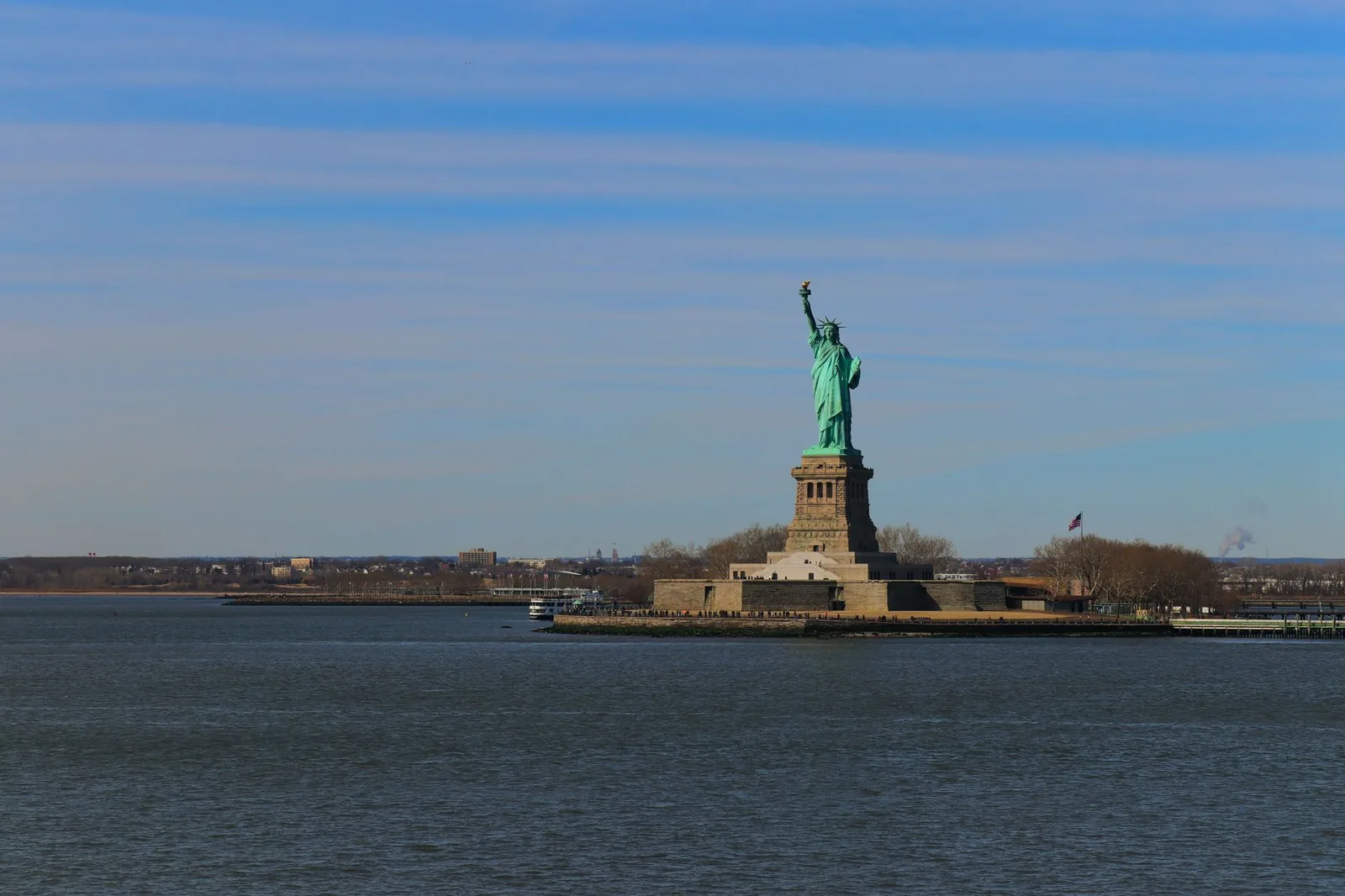
Statue of Liberty and Ellis Island
This is the classic Lower Manhattan harbor excursion. Plan it as a half-day or longer, particularly if you want to visit both islands or have reserved pedestal or crown access. Use the authorized ferry operator and allow time for security and boarding.
Governors Island
Governors Island offers open space, historic fortifications, waterfront views and cultural programming. It is a seasonal destination reached from Lower Manhattan’s Battery Maritime Building. Ferry dates, operating periods and activities require advance checking.
Brooklyn
Cross the Brooklyn Bridge on foot or use public transport to continue toward DUMBO, Brooklyn Bridge Park and Brooklyn Heights. These areas provide some of the best views back toward Lower Manhattan and make a natural extension to a downtown itinerary.
Staten Island
The free Staten Island Ferry is an easy harbor outing. The crossing itself is usually the main attraction, although travelers can continue into Staten Island if they want a longer excursion.
Lower East Side and East Village
For more food, nightlife, immigrant history and contemporary culture, continue north to the Lower East Side and East Village. The Tenement Museum, New Museum and Nuyorican Poets Café are among the cultural options in this broader downtown area.
Practical Tips for Visiting Lower Manhattan
- Group attractions geographically: World Trade Center with Battery Park City; Wall Street with The Battery; the Seaport with the Brooklyn Bridge; Chinatown with Little Italy and Civic Center.
- Book timed admission ahead for the 9/11 Memorial Museum, One World Observatory and Statue of Liberty experiences, especially on weekends and during peak travel periods.
- Treat the 9/11 Memorial as a place of remembrance and follow posted visitor guidance.
- Allow extra time for airport-style security at the 9/11 Museum, ferry operations and African Burial Ground’s federal-building visitor center.
- Buy Statue of Liberty and Ellis Island ferry tickets only through authorized channels. Ignore aggressive sellers near The Battery.
- Check museum, ferry, observatory, park and restaurant schedules close to travel. Seasonal hours, weather, maintenance and special events can affect access.
- Do not attempt to combine every major attraction in one day. The Statue of Liberty, Ellis Island, the 9/11 Museum, One World Observatory and Brooklyn Bridge each deserve meaningful time.
- Carry water and wear comfortable shoes. Lower Manhattan is walkable, but crowds and security approaches add distance.
- If traveling with children, balance museums and historic sites with parks, ferry rides, waterfront walks and the Brooklyn Bridge.
Common Questions About Lower Manhattan
What is Lower Manhattan?
Lower Manhattan is the southern part of Manhattan, generally associated with the area south of Chambers Street. Its main sightseeing districts include the Financial District, World Trade Center, Battery Park City, The Battery, South Street Seaport, Tribeca, Chinatown and Little Italy.
How many days do you need in Lower Manhattan?
Two full days are suitable for the principal sights. Add a third day if you want to include the Statue of Liberty and Ellis Island, Governors Island, several museums or a slower food itinerary.
Is the 9/11 Memorial free?
Yes. The outdoor 9/11 Memorial is free. The 9/11 Memorial Museum is a separate attraction that requires admission and advance planning.
Where do Statue of Liberty ferries leave from in Manhattan?
Authorized island-landing ferries leave from The Battery in Lower Manhattan, with ticketing associated with Castle Clinton. Ferries also depart from Liberty State Park in New Jersey.
Can you walk from the 9/11 Memorial to Wall Street?
Yes. Both sites are within the same broad Lower Manhattan sightseeing area and can be connected on foot. Exact walking time depends on your entrance, crowd levels and route.
Is the Staten Island Ferry really free?
Yes. The City’s Staten Island Ferry is free and takes approximately 25 minutes per crossing. It is a public commuter service rather than a narrated sightseeing cruise. Check current service information before travel.
What is the easiest airport for Lower Manhattan?
There is no single best airport for every traveler. LaGuardia can be convenient for domestic arrivals using the Q70 bus and subway connections. JFK offers extensive international service with AirTrain, subway and rail options. Newark provides NJ Transit and PATH connections. Compare flight availability, baggage, arrival time and transfer complexity.
Is Lower Manhattan walkable?
Yes, the main attractions are highly walkable. However, the district is dense and can be affected by security screening, large plazas, waterfront detours, construction and crowds. A flexible schedule and comfortable shoes make a noticeable difference.
Planning Your Lower Manhattan Trip
Lower Manhattan is one of the most rewarding parts of New York City to explore on foot. Its appeal comes from the way major history, modern architecture, waterfront scenery, memorials and neighborhood food fit together in a relatively compact area.
Plan by district rather than trying to see everything at once. Pair the World Trade Center with Battery Park City, explore Wall Street before continuing to The Battery, combine the Seaport with the Brooklyn Bridge, and leave room for Chinatown or Tribeca after the major sights. With two well-planned days, Lower Manhattan offers a concentrated introduction to New York’s history and present-day energy; with a third, it becomes a more relaxed and varied downtown base.
Inspired? Start planning your trip.
Move from inspiration to planning with BookingTabs — explore hotels, tours and travel options in one place.





Join the conversation
Ask a question, share a travel tip, or help another traveler plan with confidence.
Leave a comment
No account or email required.