

New York City Travel Guide
New York City is best approached as a collection of distinct places rather than one compact sightseeing district. Manhattan supplies many of the classic first-visit landmarks, but Brooklyn, Queens, the Bronx and Staten Island each add their own food, culture, waterfronts and urban character. Plan by area, leave room for unstructured exploration and expect journeys between neighborhoods to take longer than they appear on a map.
Four or five full days is a sensible minimum for a first visit. That gives you time for major Manhattan sights and one or two excursions beyond it. A week or more allows a broader experience, including museums, Broadway, neighborhood food, Brooklyn, Queens, the Bronx and a day trip outside the city.
What Makes New York City Special
New York combines an unusually broad range of experiences in one destination. World-class museums sit near historic neighborhoods, elevated parks, famous theatres, major sports venues and busy food districts. You can spend a morning in an encyclopedic art museum, an afternoon walking beside the Hudson River and an evening at a Broadway show without leaving the city.
The city is also practical for travelers who prefer not to drive. The subway and bus network reaches all five boroughs, while walking is often the most rewarding way to experience an individual neighborhood. Taxis, rideshares and ferries fill in the gaps when luggage, weather or late-night travel makes public transport less convenient.
There are plenty of free or relatively low-cost ways to experience New York, from Central Park and neighborhood walks to public viewpoints, waterfront promenades and the Staten Island Ferry. At the same time, several signature attractions require advance planning, timed entry or separate tickets. A successful itinerary balances both.
Top Experiences in New York City

See the Statue of Liberty and Ellis Island
The Statue of Liberty and Ellis Island are among New York Harbor’s defining landmarks. Together, they connect the city to stories of immigration, public history and the waterfront. A ferry visit can include the island grounds, while pedestal and crown access involve different ticket types and availability.
Book through an authorized provider and check the exact rules for your visit. Security procedures, ferry schedules and access arrangements can change. Allow more time than the ferry ride alone suggests, particularly if you plan to visit both islands. Lower Manhattan is a natural place to continue the day, with Battery Park, the Financial District and the 9/11 Memorial nearby.
Walk through Central Park
Central Park is large enough to deserve its own plan. Its landscapes include walking paths, bridges, fountains, playgrounds, cultural landmarks and seasonal activities across 843 acres. Rather than trying to cover everything, choose a section or route that fits the rest of your day.
The southern end works well with Midtown and the Museum Mile, while the western side pairs naturally with the American Museum of Natural History and the Upper West Side. Bring comfortable shoes and allow time to pause; the park is more than a corridor between attractions. Maps, accessibility information, alerts and official tours are useful for planning current conditions.
Central Park is open daily from early morning until late evening, but individual facilities and activities have separate schedules. Check for temporary closures, events and restrictions before setting out.
Experience Times Square and Broadway
Times Square is the city’s most recognizable concentration of illuminated advertising, theatres, shops, restaurants and pedestrian activity. It can feel overwhelming, particularly at night and around major holidays, but it is worth seeing at least once. Visit as part of a Midtown itinerary rather than treating it as a full day’s destination.
Broadway adds a more focused evening experience. Choose a show based on your interests, then check the theatre’s arrival, bag and late-seating policies. Schedules, productions and ticket arrangements change regularly, so use official theatre or authorized ticketing channels. Leave enough time to reach the venue, especially during busy periods or when combining dinner with the performance.
Choose an observation deck
The Empire State Building offers a historic Art Deco setting and views across Manhattan and the surrounding region. Top of the Rock at Rockefeller Center provides a different perspective, including views toward Central Park and the Empire State Building. Other observation decks add further options, but there is rarely a need to visit several on a short trip.
Timed admission and security procedures generally apply. Sunset is particularly popular, and visibility depends on weather. Compare the view, location and timing before booking rather than choosing solely by reputation. Check current admission rules, opening times and weather policies directly before visiting.
Visit the 9/11 Memorial and Museum
The 9/11 Memorial and Museum is a significant place documenting the September 11, 2001 attacks, the 1993 World Trade Center bombing and their aftermath. The outdoor memorial and museum are separate experiences with different arrangements and schedules.
The museum can require several hours, particularly for visitors who want to engage fully with its material. Plan it as the central focus of a Lower Manhattan day and review security, accessibility and ticket information in advance.
Spend time in New York’s museums
The Metropolitan Museum of Art covers ancient, European, American, Asian, Islamic and modern collections. Its scale makes a selective visit far more rewarding than attempting to see every gallery. Choose a few areas before arrival and leave time for breaks.
The Museum of Modern Art is a strong choice for modern and contemporary art, with collections spanning painting, sculpture, design, photography, film and media. Special exhibitions can be popular, so check current schedules and entry arrangements.
On the Upper West Side, the American Museum of Natural History offers exhibits covering dinosaurs, human cultures, biodiversity, space and the natural world. It is particularly useful for families, but its size means that an advance plan helps. Some experiences may have separate or timed admission.
Other museums and cultural institutions across the city support more specialized interests, from architecture and design to music, immigration, science and local history. Build your museum days around neighborhoods so that indoor attractions are balanced with nearby cafés, parks and walks.
Walk the High Line and Hudson Yards
The High Line is an elevated linear park built on a former railway spur. Its gardens, public art, architecture and Hudson River views make it one of the city’s most distinctive walks. The route is approximately 1.45 miles long and has accessible entrances and restrooms.
Crowds can be heavy on weekends and pleasant-weather days. Combine the walk with Chelsea Market, nearby galleries, Hudson Yards or the Hudson River waterfront. Check access points, event information and temporary closures before visiting. The High Line is best enjoyed at a relaxed pace rather than treated as a quick transfer between neighborhoods.
Cross the Brooklyn Bridge
The Brooklyn Bridge provides one of the city’s classic pedestrian experiences, with views of Manhattan, the East River and surrounding bridges. The pedestrian route is shared with cyclists and can become congested, so an early start usually makes the crossing more comfortable.
On the Brooklyn side, continue toward Brooklyn Heights and Brooklyn Bridge Park for waterfront promenades and skyline viewpoints. DUMBO is close by, with converted industrial architecture, restaurants and photo-friendly streets. Treat the bridge and its approach as a walking route, not simply a viewpoint, and use the designated pedestrian areas.
Explore neighborhoods beyond the landmarks
New York’s neighborhoods are central to its appeal. Greenwich Village and the West Village offer smaller-scale streets, cafés, restaurants, nightlife and music history. SoHo, Nolita and Chinatown combine loft architecture, shopping, galleries, Chinese food traditions and dense downtown street life.
Harlem is important for African American history, music heritage, restaurants and the Apollo Theater area. Brooklyn Heights, DUMBO and Williamsburg add waterfront parks, independent shops, nightlife and a different architectural rhythm. In Queens, Astoria and Long Island City offer museums, food diversity, parks and skyline views, while Flushing is one of the city’s strongest destinations for Chinese, Korean and broader Asian food.
The Bronx is worth considering for Yankee Stadium, the Bronx Zoo, the New York Botanical Garden, Arthur Avenue and waterfront parks. Staten Island offers a quieter harbor perspective, parks, museums and the free Staten Island Ferry.
Best Areas to Stay in New York City
Looking for a place to stay? Compare hotels for New York City on BookingTabs.
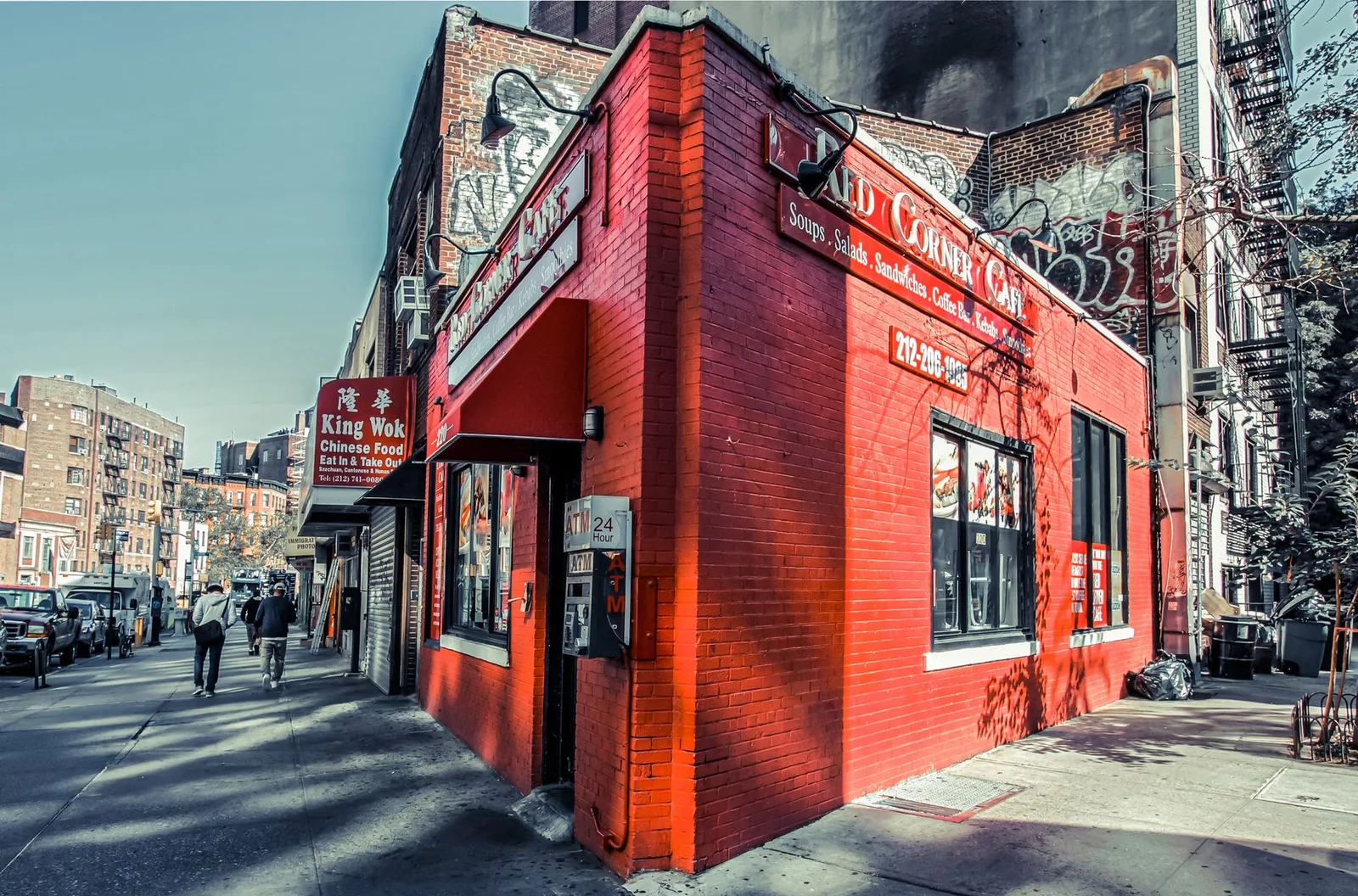
Choose accommodation according to your itinerary rather than assuming Midtown is always the best base. Staying near a convenient subway connection can matter as much as being close to one particular attraction.
Midtown Manhattan
Midtown is convenient for first-time visitors focused on Times Square, Broadway, Rockefeller Center, Fifth Avenue, the Empire State Building, Grand Central Terminal and major observation decks. It is busy and commercial, but its central location can reduce travel time on a short trip.
Lower Manhattan
The Financial District and surrounding Lower Manhattan work well for visitors interested in the 9/11 Memorial, Wall Street, Battery Park, ferries and harbor access. The area is quieter outside business hours in some sections and offers useful connections for exploring downtown Brooklyn and the waterfront.
Greenwich Village and the West Village
These neighborhoods suit travelers who prioritize restaurants, cafés, nightlife, music history and atmospheric streets. They are well placed for downtown exploration and offer a more residential feel than Midtown.
SoHo, Nolita and Chinatown
Choose this area for shopping, galleries, restaurants, loft architecture and immediate access to several downtown neighborhoods. Chinatown is especially practical for casual meals and food exploration, while SoHo is heavily oriented toward shopping and architecture.
Chelsea and Hudson Yards
Chelsea is useful for the High Line, galleries, Chelsea Market and access to the Hudson River. Hudson Yards adds newer architecture, shopping and observation experiences. It is a good base for visitors who want to combine contemporary attractions with downtown Manhattan.
Upper West Side
The Upper West Side offers Central Park access, the American Museum of Natural History, Lincoln Center and a more residential atmosphere. It can be a comfortable choice for families and museum-focused travelers.
Brooklyn, Queens and beyond Manhattan
Brooklyn Heights, DUMBO and Williamsburg suit travelers who want waterfront walks, restaurants, independent shops and nightlife. Astoria and Long Island City provide food diversity, parks and skyline views with relatively direct subway access to Manhattan. Staying farther out can work well, but compare the evening journey, transfer requirements and walking distance to stations before booking.
What to Eat and Drink

New York’s food culture is one of its strongest reasons to visit. You can eat well at almost any price level, but the most memorable meals often come from exploring a neighborhood rather than following a single citywide list.
Start with New York-style pizza: thin, foldable slices and whole pies remain a core city tradition. Bagels with cream cheese or breakfast fillings are practical for mornings, while deli sandwiches and pastrami connect to the city’s Jewish New York traditions. Look for appetizing-shop foods, knishes, babka and other Jewish and Eastern European specialties as well.
Chinatown offers regional Chinese cuisines, dim sum, noodles, roast meats, bakeries and casual meals. Flushing in Queens is another major destination for Chinese and broader Asian food. Caribbean and Latin American cuisines are especially prominent across the Bronx, Queens, Brooklyn and Upper Manhattan, including Dominican, Puerto Rican, Mexican, Colombian and Jamaican traditions.
The city also has a deep concentration of fine dining and tasting menus. Reservations, deposits, dress codes, service charges and cancellation policies vary, so check directly before committing. Cocktail bars, breweries, wine bars, coffee shops and increasingly sophisticated nonalcoholic programs provide plenty of evening options beyond traditional nightlife.
Weather and the Best Time to Go

New York City can be visited throughout the year, but each season changes the balance between outdoor sightseeing, cultural attractions, crowds and accommodation demand. Weather, event calendars, attraction hours and prices vary by date, so verify details before booking.
Spring
Spring is generally comfortable for walking, neighborhood exploration and parks as temperatures moderate. Seasonal flowers, cherry blossoms, garden displays and outdoor programming add interest, although exact dates vary. Keep a light layer and a rain plan available.
Summer
Summer brings long daylight hours, outdoor events, waterfront activities and seasonal beaches. Heat, humidity, thunderstorms and major events can affect plans, while accommodation demand may be high. Reserve popular attractions ahead of time and avoid scheduling every activity outdoors during the hottest part of the day.
Autumn
Autumn is often one of the strongest seasons for walking, museums and neighborhood exploration. Central Park foliage can be particularly appealing, although timing changes from year to year. Theatre schedules, holiday events and major gatherings can also affect availability and prices.
Winter
Winter is cold and daylight is shorter, but the season works well for museums, restaurants, Broadway and observation decks. Holiday programming can bring substantial crowds, while snow, ice and temporary closures may disrupt outdoor plans. Central Park remains an option, but individual facilities and activities have separate schedules.
Transport in New York City
For most visitors, the subway, buses, walking and occasional taxis or rideshares are more practical than renting a car. Travel times vary with traffic, service changes, weather and major events.
The MTA subway and local bus network connects Manhattan, Brooklyn, Queens, the Bronx and Staten Island. OMNY is the current contactless payment system for subway and bus fares, while MetroCard arrangements and fare policies have been changing. Use the same contactless card or device where possible and verify current fares, fare caps and payment rules before travel.
Walking is often the best way to experience a neighborhood, but distances between neighborhoods can be surprisingly large. Wear comfortable shoes, allow time for crossings and crowds, and combine walking segments with public transport.
Licensed yellow taxis accept electronic payment and operate throughout the city. Rideshare services are widely available, although pickup locations, prices and journey times vary. At airports, use official taxi stands and follow the airport’s instructions for app-based pickups.
A rental car is usually unnecessary for a city-centered itinerary. Traffic, tolls, parking scarcity and garage costs can make driving inconvenient. A car may be useful for selected trips outside the city, but compare the full cost with rail, organized transport or a day tour.
Arriving by air
The principal commercial airports serving New York City are John F. Kennedy International Airport, LaGuardia Airport and Newark Liberty International Airport.
JFK connects with the city through AirTrain and combinations involving the subway or Long Island Rail Road. LaGuardia does not have a subway station, but the free Q70 LGA Link connects with subway and Long Island Rail Road hubs, including Jackson Heights–Roosevelt Avenue and Woodside. Newark connects with NJ Transit and Amtrak through the Newark Airport Train Station using AirTrain, although construction can temporarily require shuttle buses.
The best airport depends on your airline, accommodation and final destination. Compare the complete transfer route, including luggage, connections, traffic and service conditions. Check current airport instructions and transit alerts for your arrival date.
Which New York City experience would you most like to build your trip around?
Best Day Trips from New York City

Governors Island
Governors Island offers open space, harbor views, historic structures, public art and seasonal programming. It is reached by ferry, and operating dates and schedules vary. Check current access before planning it as a fixed part of an itinerary.
Coney Island and Brighton Beach
This Brooklyn seaside area combines a boardwalk, beach, amusement attractions and strong Russian-speaking cultural influences. Beach, amusement-park and event schedules are seasonal, so confirm what is operating on your date.
Beacon and the Hudson Valley
Beacon offers Dia Beacon, galleries, restaurants and river-town character. Rail schedules and museum hours should be checked before departure. Nearby Storm King Art Center is a larger seasonal excursion built around outdoor sculpture and landscape; it is best suited to warmer months and requires transport planning.
Sleepy Hollow and Tarrytown
These Hudson Valley communities provide historic sites, river views and seasonal programming, along with connections to Washington Irving’s The Legend of Sleepy Hollow. They work well for travelers who want a change from the city without committing to a long intercity journey.
Long Beach or Rockaway Beach
These beach-oriented escapes are accessible from the metropolitan area and can provide a useful summer change of pace. Swimming conditions, lifeguard coverage and beach facilities are seasonal and should be verified.
Philadelphia
Philadelphia is a longer intercity excursion for U.S. history, museums, food and walkable historic districts. Compare rail and bus schedules and allow substantial travel time; it is better treated as a full day than a brief side trip.
Good to Know Before You Go
- Group sightseeing geographically instead of crossing the city repeatedly.
- Check official attraction sites for timed entry, closures, ticket tiers and special exhibitions.
- Verify current MTA fares, OMNY rules and planned service changes before relying on a route.
- Use the same contactless card or device for transit where appropriate, and keep a physical payment alternative available.
- Allow extra time for airport transfers, Broadway venues, museum security and major attractions.
- Book the Statue of Liberty, observation decks, Broadway shows and high-demand restaurants ahead of time.
- Wear comfortable shoes and bring layers. Indoor venues can be heavily air-conditioned in summer and heated in winter.
- Use licensed taxis or clearly identified rideshare pickup areas, especially at airports.
- Review accessibility information directly with each venue and station. Conditions can vary across the network.
- Avoid unofficial ticket sellers and unsolicited offers around major attractions.
- Do not assume every restaurant accepts reservations or stays open late.
- Keep a weather backup for outdoor viewpoints, harbor trips and beach plans.
- Emergency services use 911. Non-emergency city information and service assistance are available through 311.
Common planning mistakes include attempting Manhattan, Brooklyn, Queens and the Bronx in a single day, underestimating Central Park and assuming every attraction accepts walk-ins. Visitors also frequently confuse Statue of Liberty grounds, pedestal and crown tickets, rent cars unnecessarily, or rely on outdated MetroCard information. Check current policies before departure.
Common Questions About New York City
How many days do you need in New York City?
Four to five full days is a practical minimum for major first-time highlights. A week or longer allows more neighborhoods, museums, borough exploration and a day trip without an overly compressed schedule.
What is the best way to get around New York City?
Use the subway and buses for longer journeys, walk within neighborhoods, and use taxis or rideshares when carrying luggage, traveling late or dealing with service disruptions. Check current transit alerts before departure.
Which airport is best for New York City?
It depends on your airline, destination and accommodation. LaGuardia can be convenient for Queens and parts of Manhattan, JFK has extensive domestic and international service with AirTrain connections, and Newark can be practical for western Manhattan or New Jersey. Compare the complete transfer route rather than choosing only by flight price.
Is New York City expensive?
It can be, particularly for accommodation, Broadway, observation decks, major attractions, restaurants and taxis. Reduce costs with public transportation, free parks and waterfronts, selected free museum periods, casual restaurants and advance comparison of ticket options. Admission policies and prices change frequently, so verify them directly.
Do you need to book New York City attractions in advance?
Advance booking is strongly advisable for the Statue of Liberty, popular observation decks, Broadway shows, special museum exhibitions and high-demand restaurants. Some attractions accept walk-ins, but availability and prices are not guaranteed.
Is New York City safe for tourists?
Millions of visitors travel to New York each year, but normal large-city precautions remain important. Stay aware in crowded areas, secure phones and wallets, use licensed transportation, avoid empty subway cars late at night and follow venue or park guidance. Check current official advice for specific neighborhoods and events.
Can you visit New York City without a car?
Yes. A car is usually unnecessary for a conventional sightseeing trip. The subway, buses, walking, taxis and ferries cover most visitor needs, while some day trips may require rail, organized transport or a rental car.
Final Thoughts
New York City is easier to enjoy when you resist the temptation to treat it as a checklist. Choose a few major landmarks, organize them by neighborhood and leave time for food, parks and streets that were not part of the original plan. Manhattan may provide the first introduction, but the city’s full character emerges across all five boroughs.
Plan popular attractions and transport connections carefully, verify details close to your travel dates and keep your schedule flexible enough for weather, crowds and spontaneous discoveries. That balance is what makes a New York trip feel less like a race between landmarks and more like time spent in one of the world’s most varied cities.
Inspired? Start planning your trip.
Move from inspiration to planning with BookingTabs — explore hotels, tours and travel options in one place.






Join the conversation
Ask a question, share a travel tip, or help another traveler plan with confidence.
Leave a comment
No account or email required.