
Jaipur Travel Guide
Jaipur is Rajasthan’s capital and one of northern India’s most rewarding heritage cities. Founded in 1727 by Sawai Jai Singh II, it is widely known as the Pink City and forms one corner of India’s classic Golden Triangle alongside Delhi and Agra.
The city’s appeal lies in its variety. Within and around the historic centre are Rajput and Mughal palaces, hill forts, temples, museums, monumental astronomical instruments and busy bazaars selling textiles, jewellery and handicrafts. Jaipur’s historic walled city and Jantar Mantar are UNESCO World Heritage properties, while Amber Fort forms part of the UNESCO-listed Hill Forts of Rajasthan.
Three full days is a useful minimum for a first visit. Two nights can cover the principal highlights at a quick pace; four nights give you more time for shopping, food experiences, museums and a day trip. Jaipur is also a practical base for Ajmer and Pushkar, Agra and longer Rajasthan itineraries that include Ranthambore.
Why Jaipur Is Worth Visiting
Jaipur is one of India’s easiest cities in which to build a focused heritage itinerary. The main attractions are substantial, but they are close enough in theme and geography to create a coherent trip rather than a series of unrelated stops.
The Pink City is the obvious starting point. Its planned historic core contains Hawa Mahal, City Palace, Jantar Mantar, temples and traditional markets, with painted and ornamented facades lining busy streets. It is also part of the UNESCO-listed Jaipur City, Rajasthan property.
Beyond the centre, Amber Fort offers the most impressive sense of scale. Jaigarh Fort and Nahargarh Fort add military history, hilltop views and a different perspective on Jaipur’s landscape. The city’s museums and craft traditions make it especially appealing to travellers interested in textiles, jewellery, block printing, blue pottery and traditional clothing.
Food is another reason to visit. Jaipur is a strong destination for vegetarian Rajasthani cooking, thalis, sweets and street snacks, while regional specialities such as laal maas are available for visitors who eat meat. For first-time visitors to India, Jaipur also provides a concentrated introduction to architecture, religion, shopping and daily urban life.
What to See and Do in Jaipur
Planning your activities? Compare tours and activities for Jaipur on BookingTabs.
Explore the Pink City and its historic bazaars
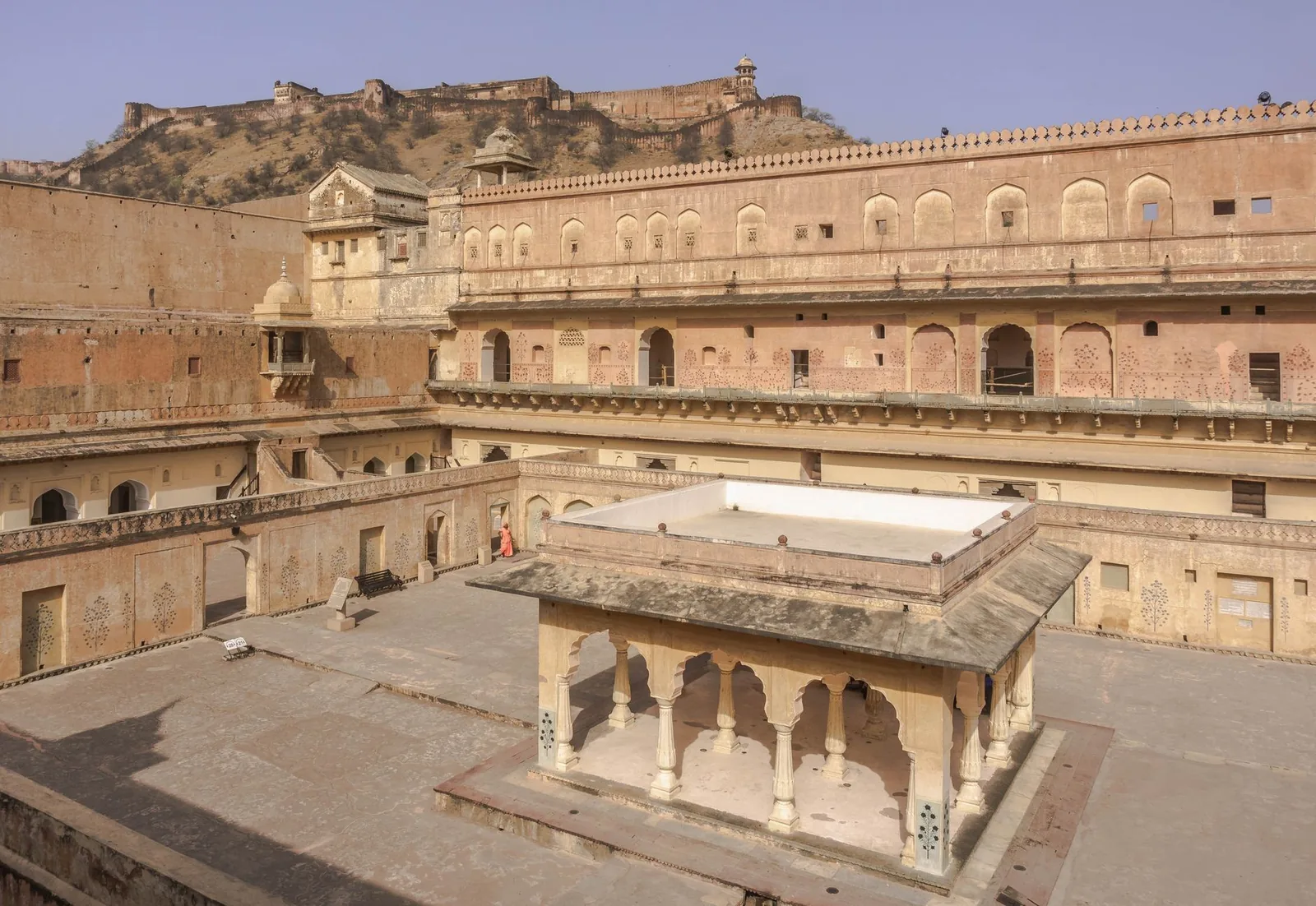
Begin in the walled city, where the most famous central sights can be combined in a walkable route. The streets around City Palace, Jantar Mantar and Hawa Mahal are crowded and traffic-heavy, but they reward an unhurried visit. Allow time to look beyond the headline monuments at shopfronts, painted buildings, shrines and the rhythm of local markets.
The bazaars are particularly good for browsing textiles, block-printed fabrics, traditional clothing, jewellery, handicrafts and souvenirs. Compare quality and prices between several shops before committing to a high-value purchase. If you are interested in the history of the urban plan or traditional crafts, a knowledgeable local guide can add useful context.
Walking is practical in compact sections, but Jaipur is not a city to cross entirely on foot. Pavements can be inconsistent, roads are busy and the heat can be tiring. Treat the walled city as a series of short walks linked by a sensible transport plan.
See Hawa Mahal from both sides
Hawa Mahal, or the Palace of Winds, is Jaipur’s most recognisable building. Its five-storey facade is pierced by numerous latticed windows, which allowed royal women to observe street life without being seen.
The best-known view is from across the road, where the ornate pink facade can be appreciated in full. The interior offers a different experience, including narrow passages and views over the surrounding streets. Do not assume that a roadside photograph is the complete visit.
Traffic can make photography from the road difficult. Use designated viewpoints, take care when crossing and follow local safety instructions. Hawa Mahal works well as part of a central itinerary with City Palace, Jantar Mantar and the nearby bazaars.
Visit City Palace
City Palace remains a functioning royal complex in the heart of the walled city. Its courtyards, palace buildings and museums contain collections of royal clothing, textiles, weapons and other historic objects.
The complex is large enough to deserve more than a quick photograph. Its architecture combines grand ceremonial spaces with finely decorated details, and the collections help explain how Jaipur’s ruling court lived and presented itself.
Accessible areas, special-ticket zones, photography rules and prices may change, so check current arrangements before visiting. City Palace is beside Jantar Mantar, making it easy to combine the two in one morning or afternoon.
Understand the instruments at Jantar Mantar
Jantar Mantar is an early-18th-century astronomical observatory and a UNESCO World Heritage property. Its monumental fixed instruments were designed to measure time and observe celestial positions.
The scale of the structures is immediately striking, but the site becomes much more rewarding when you understand what each instrument was intended to do. Explanatory material or a guide can turn an impressive collection of geometric forms into a more meaningful visit.
Because the observatory is outdoors, sun protection and water are important outside the cooler months. Current visiting hours, ticket arrangements and photography rules should be checked before arrival.
Spend several hours at Amber Fort
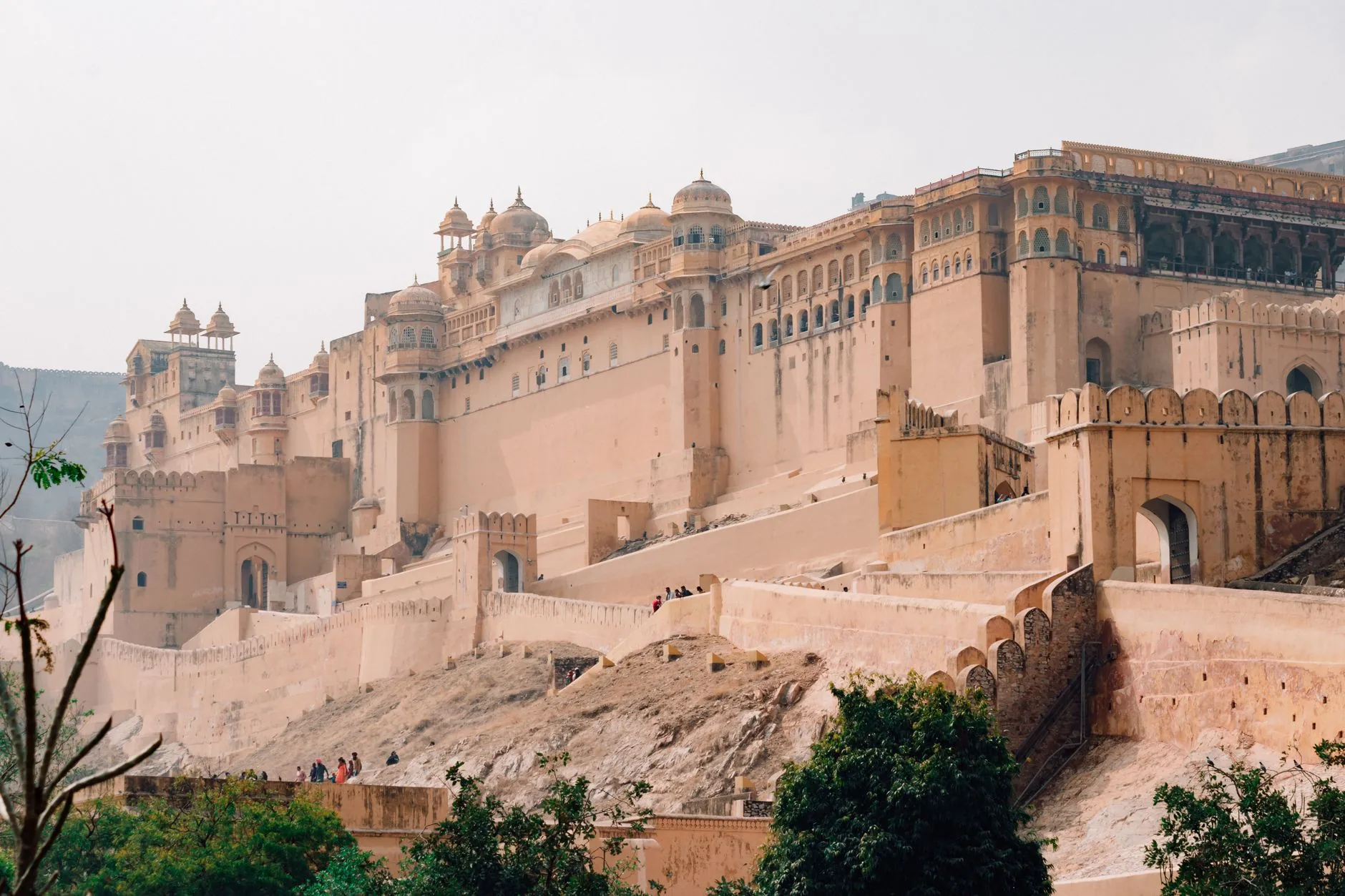
Amber Fort, also known as Amer Palace, is one of Jaipur’s essential sights. The large hilltop complex combines Rajput and Mughal architectural elements and includes courtyards, audience halls, temples and the richly decorated Sheesh Mahal.
It is approximately 11 kilometres from central Jaipur, although the journey can take longer than the distance suggests when traffic is heavy. Allow several hours rather than trying to fit the fort into a rushed northern Jaipur circuit. Expect steps, slopes and exposed areas, and wear shoes with good grip.
Amber is commonly combined with Jaigarh Fort and Jal Mahal. Access arrangements, entry fees, vehicle rules and any ride or show options can change, so verify current details before travelling. Be cautious of assuming that every activity associated with the fort is automatically available or appropriate; confirm the operator, terms and current status.
Add Jaigarh Fort for military history
Jaigarh Fort overlooks Amber and is known for its formidable defensive architecture, armouries, historic cannon facilities and the Jaivana cannon. Compared with the ornate palace spaces at Amber, Jaigarh gives a stronger sense of Jaipur’s military landscape.
The fort involves hill roads and walking, so allow additional time when combining it with Amber. The two attractions have separate access arrangements and may require separate tickets. A hired car with driver or organised sightseeing vehicle is usually more practical than trying to connect the hilltop sites independently.
Go up to Nahargarh Fort
Nahargarh Fort stands on the Aravalli ridge above Jaipur and is known for its views over the city. The Madhavendra Bhawan palace area contains decorated chambers and corridors that contrast with the fort’s defensive setting.
Nahargarh is particularly appealing later in the day, when the elevated position gives a broad outlook across Jaipur. However, sunset access policies, road conditions and local restrictions should be checked rather than assumed. Public transport does not go directly to the fort, so a taxi, hired car or organised tour is the practical choice.
Avoid trying to combine Nahargarh with every major attraction in a single day. Amber, Jaigarh and Nahargarh are geographically related but still require time on hill roads and inside large complexes.
Visit Albert Hall Museum
Albert Hall Museum, in Ram Niwas Garden, is a landmark Indo-Saracenic building and a useful choice for the hotter part of the day. Its collections include metalwork, woodcraft, carpets, sculptures, weapons, natural stones and miniature paintings.
The museum provides a change of pace after the forts and palaces, particularly for travellers interested in decorative arts and regional craftsmanship. Confirm current gallery access, opening hours, photography rules and any evening illumination arrangements before planning your visit.
Stop at Jal Mahal
Jal Mahal, or the Water Palace, appears to rise from Man Sagar Lake and is one of Jaipur’s most photographed sights. For many visitors, the experience is primarily the lakeside or roadside view rather than an interior tour.
Do not assume that the palace can be entered or that the lake is open for general access. Restrictions can change, so check locally before planning anything beyond photography from an approved viewpoint. Jal Mahal is often a convenient stop on the way to Amber Fort.
Visit Galtaji Temple respectfully
Galtaji Temple is an ancient pilgrimage complex in a rocky gorge east of Jaipur. The site is associated with temples, water pools and views over the surrounding hills, giving it a more atmospheric character than the city’s formal palace complexes.
This remains an active religious site. Dress modestly, follow local instructions and be cautious around monkeys. Bathing-pool rules, access arrangements and photography etiquette should be confirmed on arrival.
Best Areas to Stay in Jaipur
Pink City and the historic walled city
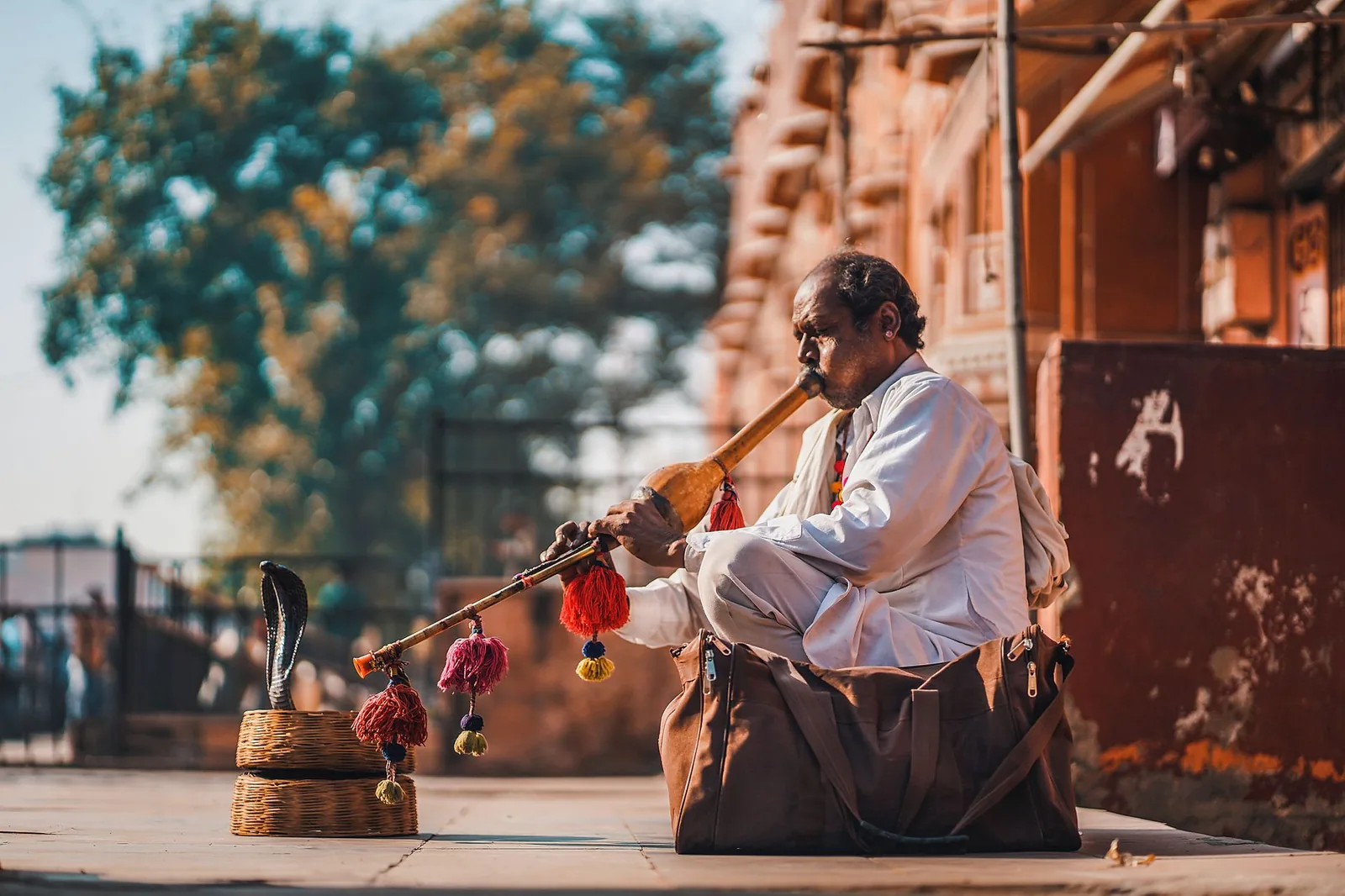
Stay here if your priority is immediate access to Hawa Mahal, City Palace, Jantar Mantar, temples, bazaars and historic streets. The area is the most atmospheric choice for first-time visitors, though it is also busy, noisy and traffic-heavy.
It works particularly well for travellers who want to begin sightseeing early and return to the markets or central monuments without a long transfer. Check the exact street and access arrangements before booking, as neighbourhood descriptions can conceal very different levels of road access and tranquillity.
MI Road and C-Scheme
These central areas are convenient for hotels, restaurants, shops and access to major roads. They offer a practical compromise between the historic core and Jaipur’s wider attractions, with comparatively straightforward connections to the walled city, railway station and other parts of town.
Choose this area if you prefer a broad range of dining and accommodation rather than the most historic setting.
Bani Park
Bani Park is useful for travellers who value proximity to Jaipur Junction, restaurants and central Jaipur. It is a practical base for rail connections and for visitors who plan to combine Jaipur with other Rajasthan destinations.
It is less immersive than staying inside the Pink City, but often makes logistics easier, particularly for an itinerary with early departures or onward trains.
Civil Lines
Civil Lines is a quieter, greener central-west area with upscale accommodation and access to the metro’s Civil Lines station. It is less atmospheric than the walled city but can suit visitors who prefer a calmer base with good city connections.
Amer and the Amber foothills
This area is useful for travellers who want to focus on Amber Fort, Jaigarh Fort, Jal Mahal and nearby northern attractions. It is more spread out than central Jaipur, and taxis or organised transport are usually necessary.
It can make sense for a short heritage-focused stay, but central Jaipur is generally more convenient if this is your first visit and you want easy access to the main markets, museums and restaurants.
Sanganer
Sanganer is in southern Jaipur, near the international airport, and is associated with textile and printing traditions. Its location can be useful for an early flight or a specific craft-focused itinerary, but it is not the most convenient base for daily sightseeing in the Pink City.
What to Eat in Jaipur

Jaipur is an excellent city for trying Rajasthani food, with plenty of vegetarian choices as well as regional meat dishes.
Start with dal baati churma, a classic combination of lentils, baked wheat baati and sweet churma, often served with ghee and chutneys. A Rajasthani thali is another useful introduction, allowing you to sample several breads, vegetables, lentil or gram-flour preparations, pickles and sweets in one meal.
Gatte-based dishes use gram-flour dumplings in preparations shaped by Rajasthan’s dry-climate culinary traditions. Ghevar, a delicate filigreed sweet, is strongly associated with Jaipur and is especially prominent around festive periods.
Laal maas is a spicy red meat curry associated with Rajasthan. Heat levels vary considerably, so ask about the spice intensity before ordering. For casual eating, look for kachori, samosa, mirchi bada, lassi and milk-based sweets.
Choose busy, clean food stalls with high turnover, and take care with raw garnishes and untreated water if you are not accustomed to local conditions. Jaipur’s food scene rewards curiosity, but there is no need to rush into every unfamiliar dish on the first day.
Weather and the Best Time to Go
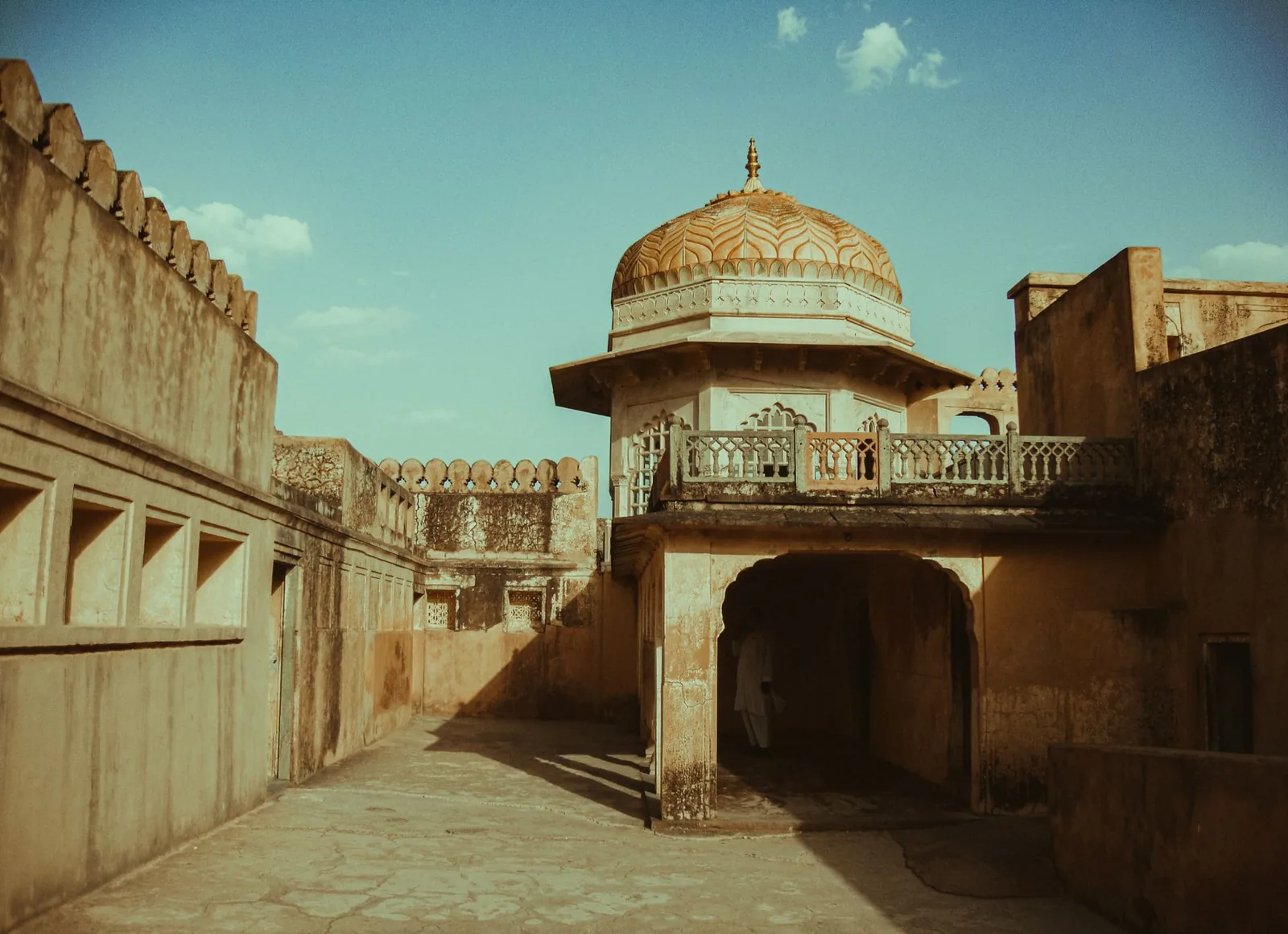
The most comfortable period for sightseeing is generally October to March, especially the cooler winter months. Days are often pleasant, while December and January can feel cool early in the morning and after sunset. A light jacket is useful during winter visits.
October marks the transition out of the monsoon and is usually a good time to resume extensive sightseeing. November is often comfortable, although festival dates, visitor numbers and attraction schedules vary from year to year.
March can still be manageable, but temperatures rise towards April. April to June is the hottest period, and visiting exposed forts around midday can be physically demanding. Schedule outdoor attractions early or late, carry water and use sun protection.
July to September is the monsoon period. Rain can interrupt outdoor sightseeing, but it may bring greener scenery and fewer visitors. Conditions vary, so check the forecast for your dates rather than relying only on seasonal averages.
Festival periods can add atmosphere but also affect availability, crowds and prices. Check current dates, public holidays and attraction schedules before finalising your itinerary.
Getting Around Jaipur
Jaipur’s sights are spread across the city, so the most efficient approach is to group them geographically. Walk around the central monuments and nearby bazaars, use motorised transport for Amber and the hill forts, and avoid crossing town repeatedly during peak traffic periods.
The Jaipur Metro’s operational corridor runs from Mansarovar to Badi Chaupar, serving locations including Railway Station, Sindhi Camp, Chandpole, Chhoti Chaupar and Badi Chaupar. It can help with parts of the central city, but it does not directly serve Amber, Jaigarh, Nahargarh or the airport. Check current stations, fares, service hours and any temporary closures before relying on it.
Auto-rickshaws, conventional taxis and app-based cabs are widely used. With a non-metered auto-rickshaw, agree on the fare before departure, or use a reputable app or hotel-arranged vehicle. For the forts, a hired car with driver is often the simplest option, especially if you want to combine several northern sights.
Self-driving is generally less suitable for visitors unfamiliar with local traffic. Congestion, complex road conditions and limited parking near major monuments can make a hired vehicle more relaxing. Confirm the rate, inclusions, waiting time and any additional charges in writing.
Arriving at Jaipur International Airport
Jaipur International Airport, code JAI, is in Sanganer to the south of the main heritage areas. Taxis and app-based cabs are available outside the terminal, and a hotel-arranged transfer is another practical option.
Allow extra time for traffic when travelling between the airport and the walled city, particularly around busy periods. Terminal assignments, airline check-in locations, pickup points and recommended arrival times can change, so confirm the details with the airport and your airline before travelling.
Which Jaipur experience would you most want to build your day around?
Places to Visit Beyond Jaipur
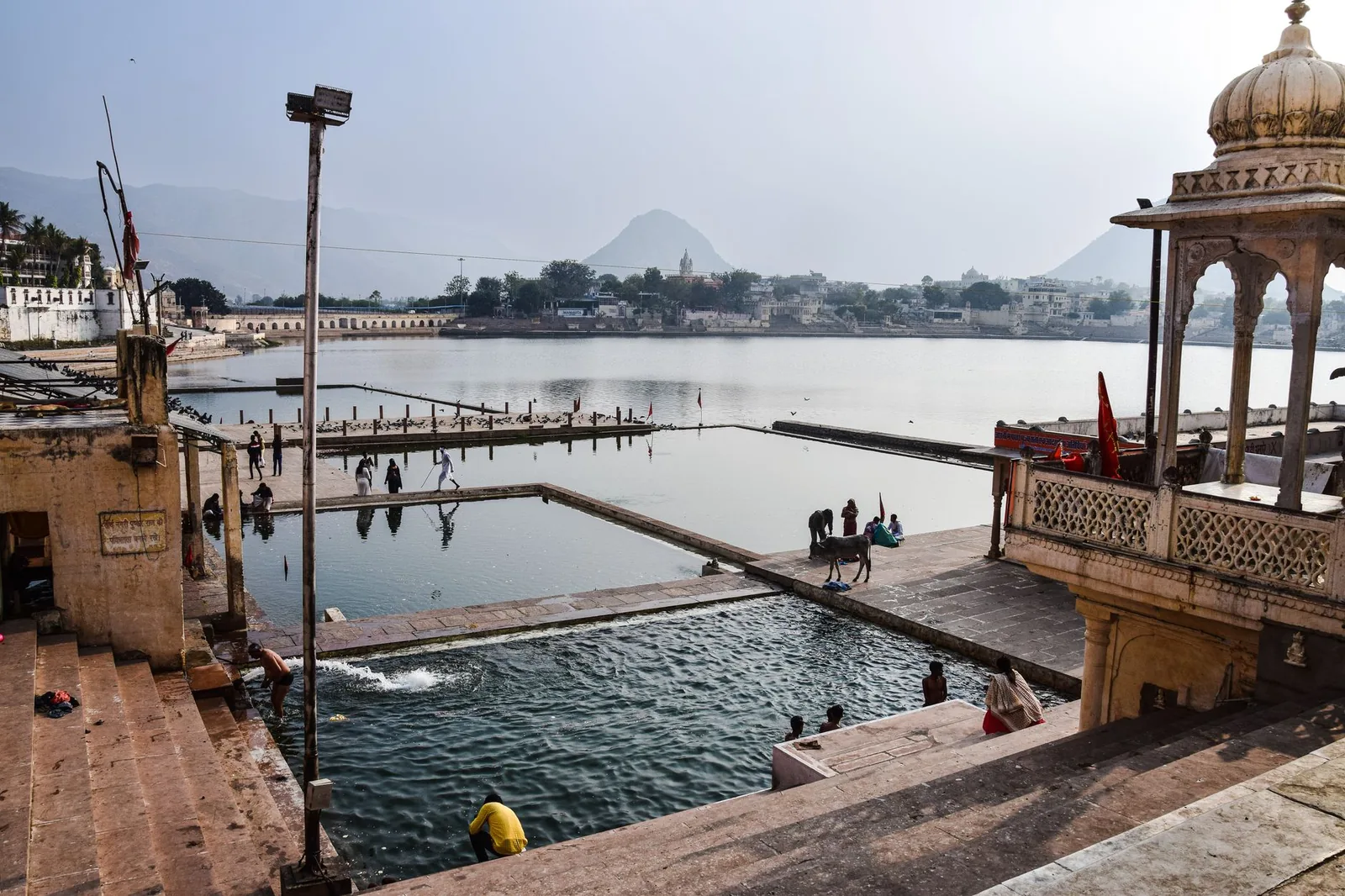
Ajmer and Pushkar
Ajmer and Pushkar make one of the most popular excursions from Jaipur. Ajmer is known for Ajmer Sharif Dargah and other religious and cultural sites, while nearby Pushkar has a sacred lake, ghats, the Brahma Temple and a strong vegetarian food scene.
Ajmer is approximately 130 kilometres southwest of Jaipur, and Pushkar is about 14 kilometres from Ajmer. Road times depend heavily on traffic. Dress respectfully at religious sites and check current access and photography rules.
Agra and Fatehpur Sikri
Agra is a long but popular Golden Triangle extension, usually combining the Taj Mahal and Agra Fort with Fatehpur Sikri along the route. Jaipur to Agra is approximately 250 kilometres, but actual travel time varies with traffic and road conditions.
A one-way transfer or overnight stay is generally more comfortable than a rushed return to Jaipur. If you want to visit the major monuments properly, treat this as a travel connection or overnight extension rather than a relaxed local day trip.
Ranthambore National Park
Ranthambore is better considered an overnight or multi-night extension than a conventional same-day excursion. The wildlife destination is known for tiger sightings, dry-deciduous landscapes and Ranthambore Fort.
The park is currently described as operating from October to June, but opening periods, safari zones, permits, vehicle availability and booking procedures require current verification. Reserve through the official forest booking system or an established operator well in advance.
Samode
Samode offers a heritage-oriented rural excursion north of Jaipur, associated with traditional architecture, village experiences and palace tourism. Confirm access arrangements and whether reservations are required before setting out.
Sanganer
Sanganer is a useful southern excursion for travellers interested in textile printing, Jain architecture and a less central side of Jaipur. Plan around specific workshops or attractions and verify public access in advance rather than assuming that every craft site accepts visitors without notice.
Essential Travel Tips
- Group sights geographically: visit the central Pink City monuments together, combine Amber and Jaigarh where practical, and allow a separate block for Nahargarh.
- Start outdoor sightseeing early during hot months and carry water, sun protection and a hat.
- Wear comfortable shoes with good grip. Forts and palace complexes involve uneven surfaces, steps and slopes.
- Dress respectfully at temples, mosques, shrines and other active religious sites. Clothing covering shoulders and knees is useful.
- Use official or clearly reputable channels for monument tickets, guides, safari bookings and transport.
- Compare several shops before buying gemstones, jewellery, carpets or expensive handicrafts. Request an independent appraisal, detailed invoice and clear return terms where relevant.
- Keep small cash available for minor fares, tips and small vendors, while avoiding the display of large amounts.
- Use bottled, filtered or reliably treated drinking water, and take care with raw food if you are unaccustomed to local conditions.
- Check festival dates, public holidays, closures, security arrangements and access rules before finalising each day.
- Allow more time than the map suggests for airport transfers and road journeys to Amber, Ajmer, Pushkar, Agra and Ranthambore.
Common mistakes include trying to see Amber, Jaigarh, Nahargarh, the Pink City and several museums in one rushed day; assuming every major attraction is walkable from the centre; and treating the Jaipur Metro as a citywide tourist network. It is also unwise to assume that Jal Mahal can be entered, that a same-day Jaipur–Ranthambore return will feel relaxed, or that old online information about tickets and opening hours remains accurate.
Common Questions About Jaipur
How many days do you need in Jaipur?
Three full days is a practical target for the major forts, palaces, observatory, museum and markets. Two nights can work for a fast highlights itinerary, while four nights allow more food, shopping, slower exploration and possibly a day trip.
What is Jaipur best known for?
Jaipur is best known for its Pink City historic core, Rajput and Mughal architecture, Amber Fort, Hawa Mahal, City Palace, Jantar Mantar, hill forts, jewellery, textiles and Rajasthani food.
Can you walk between Jaipur’s main attractions?
Several central sights, including City Palace, Jantar Mantar, Hawa Mahal and nearby bazaars, can be visited on foot in a compact route. Amber, Jaigarh, Nahargarh, the airport and other outlying areas require motorised transport.
Is Jaipur Metro useful for tourists?
It can be useful along the Mansarovar–Badi Chaupar corridor, including Railway Station, Sindhi Camp and the edge of the walled city. It does not directly serve the main hill forts or Jaipur airport. Confirm current hours and fares before relying on it.
What is the best month to visit Jaipur?
The cooler period from roughly October to March is generally the most comfortable for sightseeing. April to June can be very hot, while July to September brings monsoon showers and potentially fewer visitors. Check the forecast and event calendar for your specific dates.
Is Jaipur suitable for a Golden Triangle trip?
Yes. Jaipur is one of the three principal Golden Triangle destinations with Delhi and Agra, and its heritage attractions suit a two- to four-night stop. It also works well as the starting point for a broader Rajasthan itinerary.
Is Jaipur vegetarian-friendly?
Yes. The city has extensive vegetarian food, including Rajasthani thalis, dal baati churma, snacks and sweets. Non-vegetarian specialities such as laal maas are also available, although menus and preparation standards vary.
How do you get from Jaipur airport to the city?
Taxis, app-based cabs and hotel-arranged transfers are available outside Jaipur International Airport. The best option depends on your arrival time, luggage, accommodation and traffic. Verify the pickup point and fare before leaving the terminal.
Before You Go
Jaipur works best when you give its different sides room to breathe. Spend one day in the walled city, another among Amber’s forts and hill roads, and a third on museums, markets, food or a slower cultural itinerary. That rhythm is more rewarding than trying to collect every monument in a single circuit.
The city is a natural highlight of the Golden Triangle, but it deserves to be more than a brief stop between Delhi and Agra. Its architecture, crafts, cuisine and surrounding landscapes offer enough variety for several days, while its position in Rajasthan makes it a useful gateway to Pushkar, Ajmer, Ranthambore and beyond.
Inspired? Start planning your trip.
Move from inspiration to planning with BookingTabs — explore hotels, tours and travel options in one place.

Join the conversation
Ask a question, share a travel tip, or help another traveler plan with confidence.
Leave a comment
No account or email required.