
Bologna Travel Guide: Best Things to Do, Eat and See
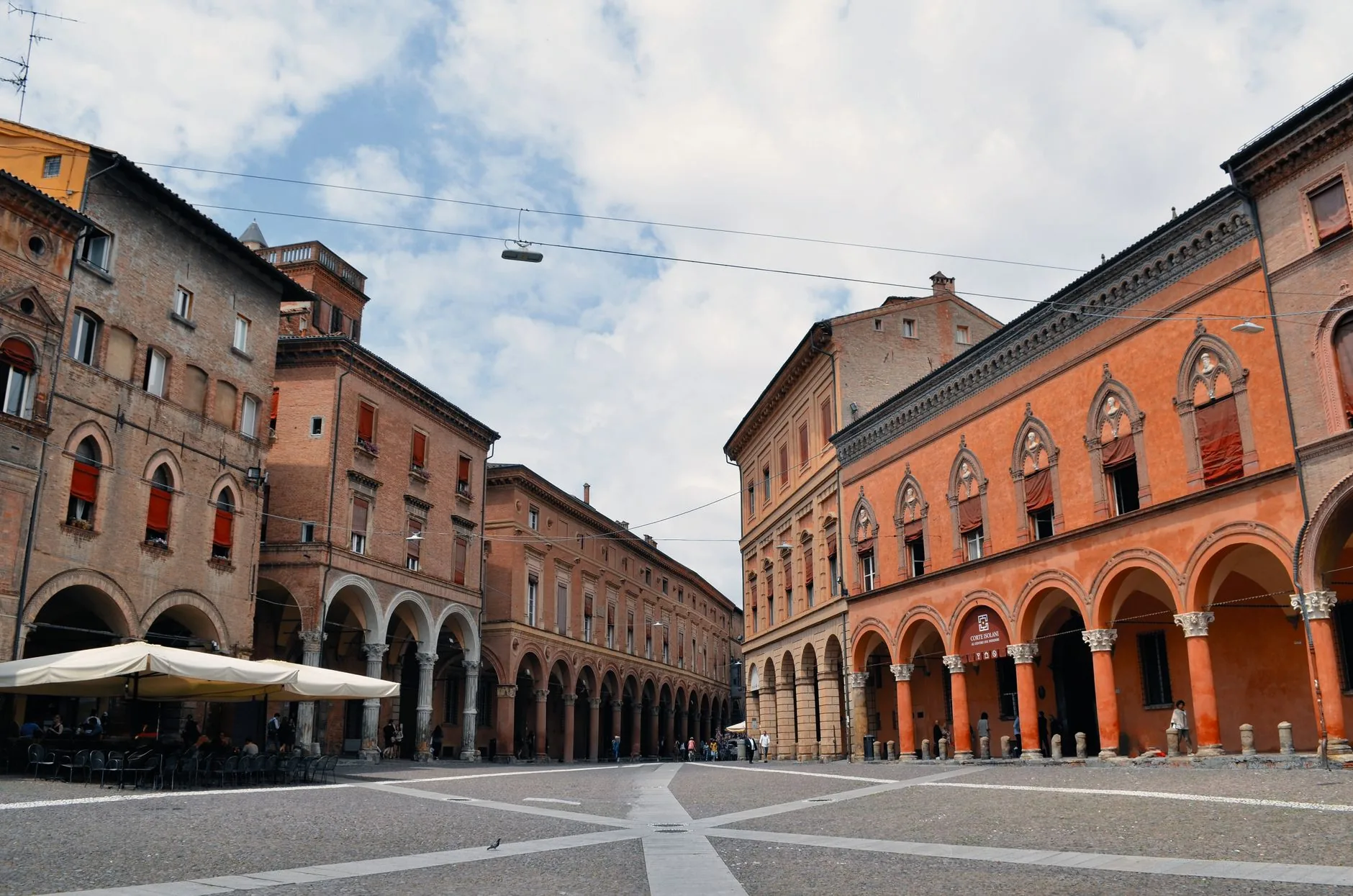
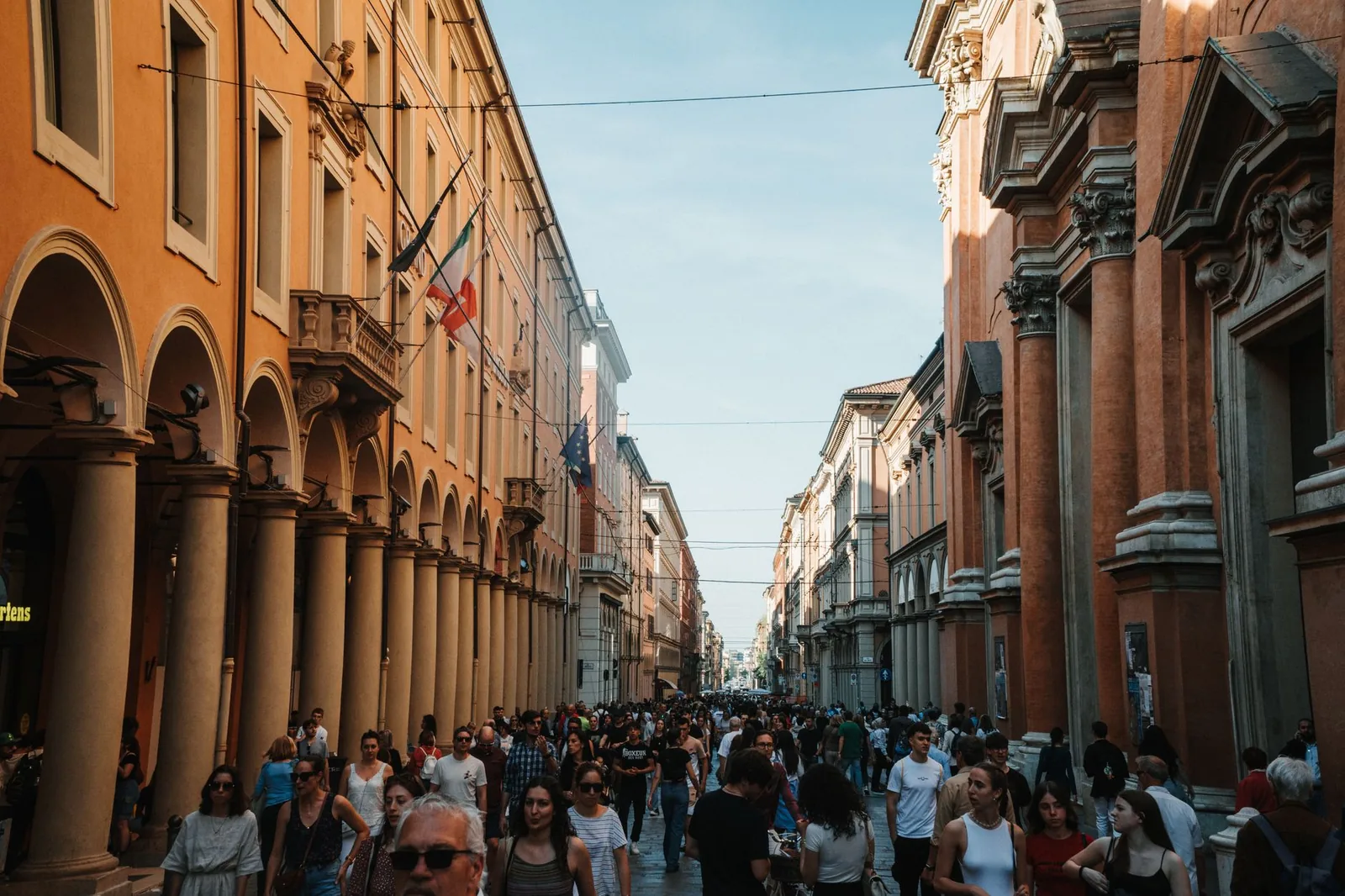
Bologna is one of Italy’s most rewarding city-break destinations: compact enough to explore on foot, substantial enough to fill several days, and well connected to cities across northern and central Italy. The capital of Emilia-Romagna is known for its medieval towers, university heritage, lively markets and regional cooking, but its most distinctive feature may be the porticoes. Extending for approximately 62 kilometres across the city, they create sheltered walking routes through the historic center and toward the Sanctuary of San Luca.
Two full days is a sensible minimum for Bologna. That gives you time for the central squares, major churches, market lanes and a food-focused experience. Add a third or fourth day for museums, a slower walk to San Luca or a day trip to Modena, Ferrara, Ravenna or Parma.
What Makes Bologna Special
Bologna brings together several kinds of Italian travel in one manageable destination. Its historic core is dense with churches, palaces, museums and arcaded streets, yet it still feels like a living city rather than an open-air monument. Students from the University of Bologna contribute to a busy calendar of lectures, cultural events, bars, bookshops and evening activity.
The city is also a natural base for exploring Emilia-Romagna. High-speed and regional rail connections make it practical to combine Bologna with Florence, Venice, Milan or Rome, while nearby cities such as Modena, Ferrara, Ravenna and Parma work well as excursions.
Food is another major reason to come. Fresh egg pasta, tortellini, ragù, mortadella, regional cheeses and cured meats are part of everyday Bolognese culture, not merely a list of dishes for visitors to sample. The Quadrilatero market district, Mercato delle Erbe and the city’s restaurants and wine bars offer plenty of ways to eat well.
Bologna is particularly suited to food-focused travelers, architecture and history enthusiasts, museum visitors, short-break travelers and anyone planning a rail-based itinerary through Italy. Automotive enthusiasts can also use it as a starting point for the nearby Motor Valley and Ferrari destinations.
Best Things to Do in Bologna
Planning your activities? Compare tours and activities for Bologna on BookingTabs.
Start at Piazza Maggiore and Piazza del Nettuno
Begin in Piazza Maggiore, Bologna’s civic heart. The square is surrounded by some of the city’s most important buildings, including the Basilica of San Petronio, Palazzo d’Accursio, Palazzo del Podestà and Palazzo dei Notai. Piazza del Nettuno, with its celebrated fountain, sits immediately beside it.
These are free public spaces and the ideal starting point for a first walk through Bologna. From here, you can continue to the Archiginnasio, the Quadrilatero market and several central museums without needing public transport. Visit early for a quieter atmosphere, then return in the evening when the surrounding cafés and restaurants become livelier.
See the Basilica of San Petronio
San Petronio is Bologna’s principal church and one of its defining landmarks. Its unfinished marble façade is instantly recognizable, while the interior contains richly decorated chapels and the historic Cassini meridian sundial.
General entry is listed as free, although some chapels and associated areas require a separate ticket. Worship and special events can affect visitor access, and groups may need to reserve in advance. Check the current opening arrangements and rules before your visit, particularly if you want to see the paid areas or climb the bell tower.
Explore the Archiginnasio and Teatro Anatomico
The Palazzo dell’Archiginnasio was the first unified seat of the University of Bologna and remains one of the city’s most important Renaissance buildings. Its ornate corridors and historic coats of arms reflect the university’s long academic tradition.
The highlight for many visitors is the Teatro Anatomico, a richly decorated room designed for anatomical teaching. The nearby Stabat Mater Hall adds to the sense of academic history. Visits are ticketed and generally arranged through guided or audio-guided options. Advance booking is sensible during busy periods, and prices and schedules should be confirmed before travel.
Admire Bologna’s medieval towers
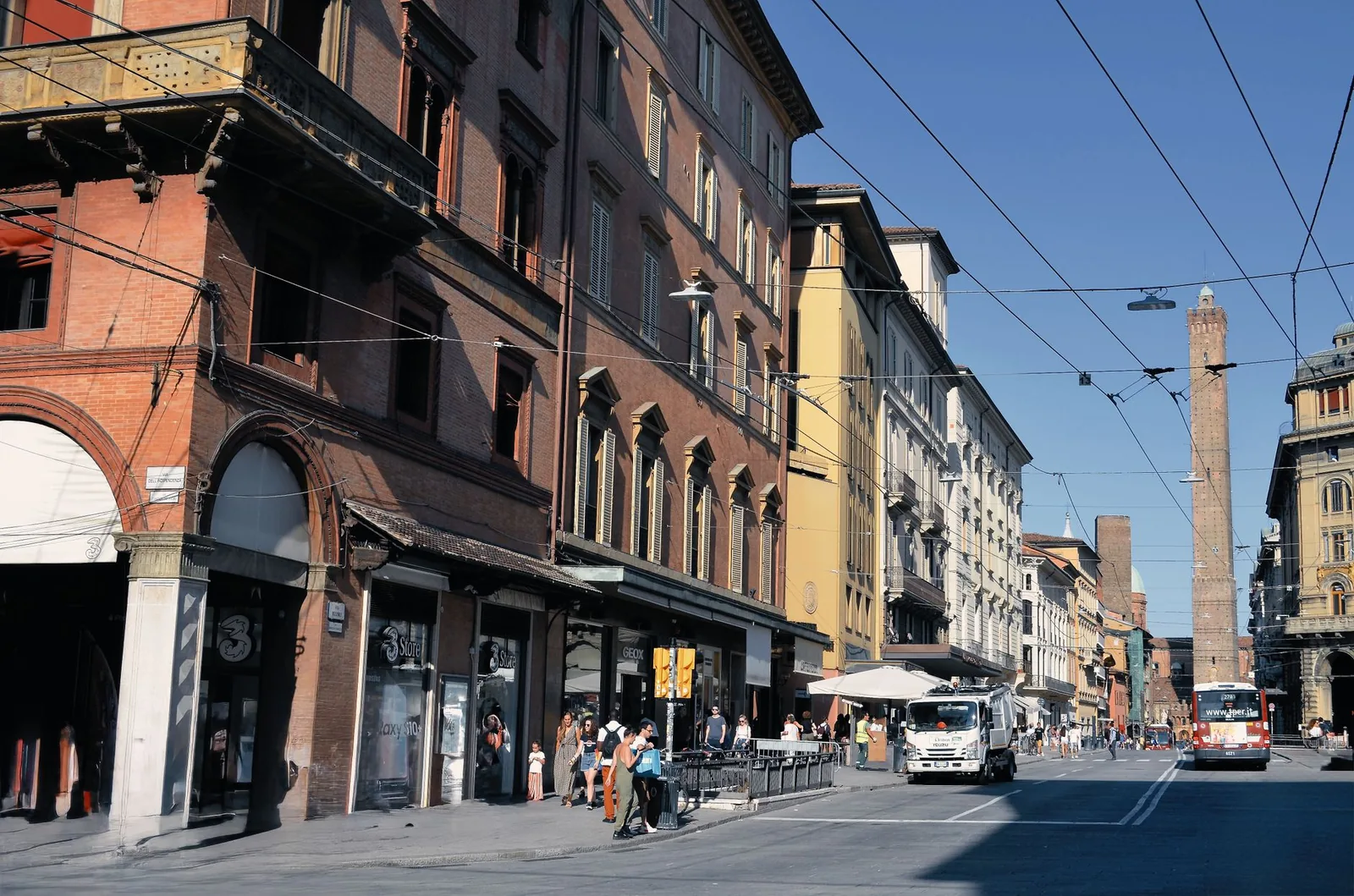
The Two Towers, Asinelli and Garisenda, are Bologna’s best-known symbols. They are reminders of the city’s medieval tower culture and a focal point for exploring the streets around the university district, Jewish Ghetto and central market.
The access situation is important: the latest official information lists the Asinelli Tower as closed for maintenance in the area, while Garisenda is not accessible. Conditions, barriers and reopening plans may change, so check immediately before visiting. Do not assume that an older guidebook or blog reflects the current situation.
Choose the Clock Tower for a city panorama
The Clock Tower of Palazzo d’Accursio offers a central historic-building visit and panoramic views from its terraces. It is currently promoted as an alternative to the closed Asinelli Tower and provides a useful perspective over the red roofs and porticoed streets of the center.
Access is ticketed and subject to scheduled entry. A combined experience with the Municipal Art Collections is currently listed, but prices, time slots and availability should be verified before booking.
Walk through the Santo Stefano complex
The Santo Stefano complex is a group of historic religious buildings commonly known as the “Seven Churches.” Its courtyards, cloisters, medieval structures and atmospheric square make it one of Bologna’s most memorable stops.
General entry is described as free with a donation during opening hours, although services and religious events can affect access. Dress respectfully and keep noise to a minimum. The complex is particularly appealing in the late afternoon, when the surrounding streets and cafés make a pleasant continuation of the visit.
Walk the porticoes to San Luca
The route from the city toward the Sanctuary of the Madonna di San Luca is Bologna’s signature walk. The covered portico leads west from the Saragozza area toward the hilltop sanctuary, combining architecture, pilgrimage history and views over the city and surrounding hills.
This is not simply an extension of a central walking tour. The route includes slopes and steps, so allow more time and wear comfortable shoes. Weather matters too, even though the portico provides shelter for much of the way. Travelers who prefer not to complete the uphill walk should check current options such as the San Luca Express or other excursions.
Browse the Quadrilatero market district
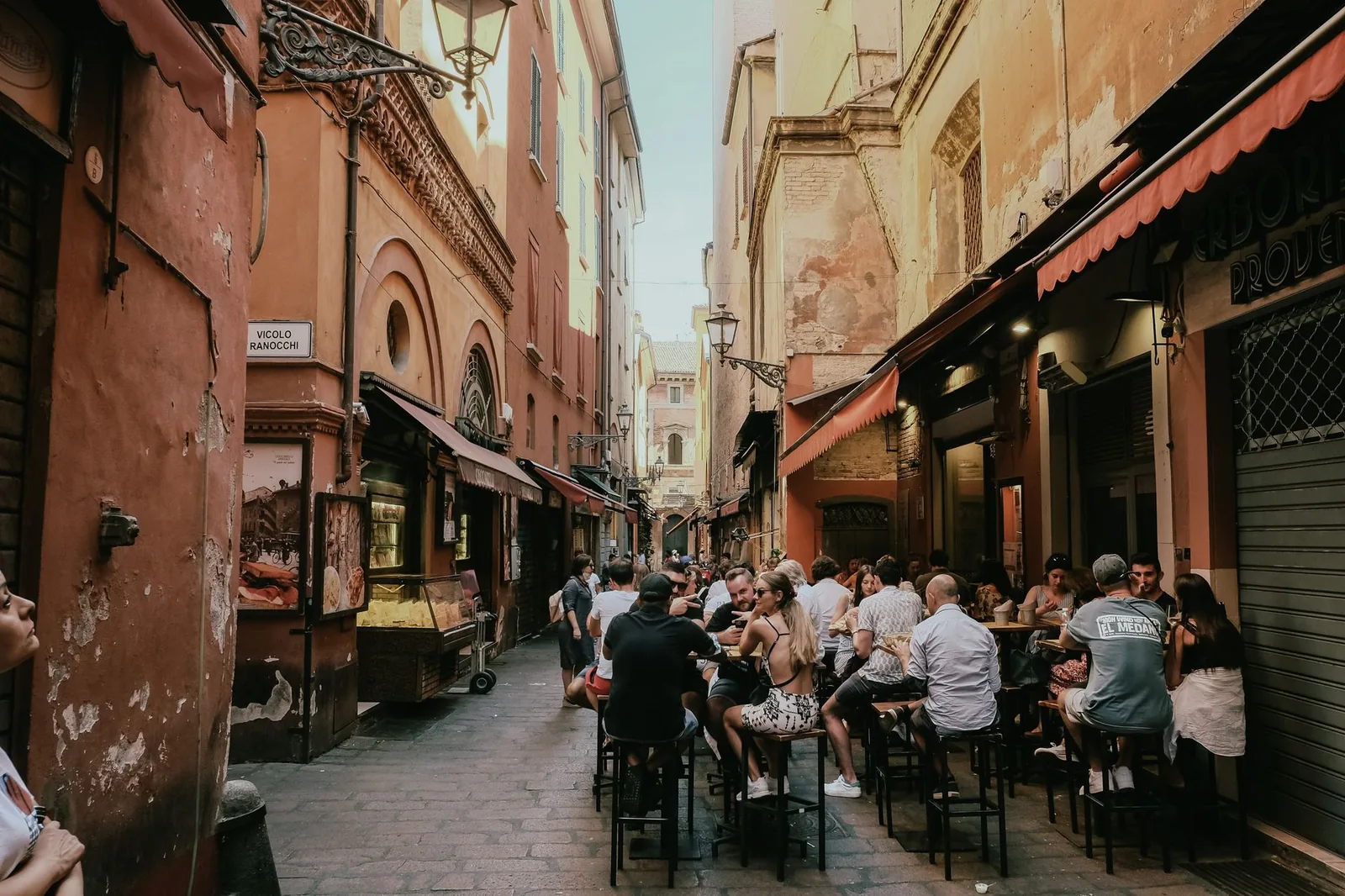
The Quadrilatero is a dense network of historic lanes near Piazza Maggiore, filled with food shops, traditional vendors, restaurants, bars and aperitivo venues. It is one of the best places to experience Bologna’s food culture informally.
Go around lunchtime to see the district at its most active, or return later for a drink and small plates. Individual businesses follow different schedules, so do not expect every stall or restaurant to be open every day. The nearby Mercato delle Erbe is another useful stop for food and evening atmosphere.
Visit Bologna’s museums
MAMbo, the Museum of Modern Art of Bologna, is the city’s main modern-art museum and a strong choice for contemporary culture. The Pinacoteca Nazionale, in the university area, presents important paintings associated with Bologna and the wider Emilia-Romagna tradition.
For earlier history, the Museo Civico Archeologico near Piazza Maggiore introduces visitors to the archaeological story of Bologna and the region, including Etruscan and Roman material. Museum opening days, exhibitions and ticket arrangements change, so check current information before building your itinerary.
Look for the canals at Finestrella di Via Piella
Bologna’s small canal viewpoints reveal a lesser-known side of the city. Finestrella di Via Piella offers a view onto historic water channels linked to Bologna’s medieval hydraulic infrastructure.
The viewpoint is compact and can be crowded, so treat it as a short stop within a wider walk rather than a major standalone attraction. It works well alongside the university district, the Jewish Ghetto or the route toward the central squares.
Where to Stay in Bologna
Piazza Maggiore and the historic center
This is the most convenient base for first-time visitors. San Petronio, Palazzo d’Accursio, the Clock Tower, Archiginnasio, museums and the Quadrilatero are all close by. It is a practical choice for a short stay, although central streets can be busy and evening activity is likely.
Quadrilatero
Stay here for immediate access to market lanes, food shops, restaurants and wine bars. The area is excellent for travelers who want to make meals and aperitivo part of the trip, but it may feel lively at night.
Santo Stefano
Santo Stefano offers elegant streets, porticoes, cafés and a more atmospheric setting close to the historic center. It suits visitors who want central sightseeing without staying directly beside the busiest squares.
University District
The area around Via Zamboni has a student-oriented character, with university museums, bookshops, cafés, bars and evening activity. It is a good fit for travelers who enjoy a youthful, informal atmosphere and do not mind more nighttime noise.
Porto and Via del Pratello
Porto and Via del Pratello are known for bars, restaurants and nightlife. The mood is more local and informal than around the monumental center. This area can work well for evening-oriented travelers, but check the immediate surroundings of any accommodation if you prefer quiet nights.
Saragozza and San Luca
Saragozza is useful for travelers interested in the San Luca route and a more residential setting. It remains connected to the center by the porticoed approach, though it is less convenient than Piazza Maggiore for very short sightseeing stays.
Bolognina
North of the historic center, Bolognina has a dynamic, cosmopolitan character and a growing contemporary-culture scene. It can suit repeat visitors or travelers seeking neighborhood food venues and a less traditional base. Consider the distance from your planned sights when choosing accommodation.
What to Eat in Bologna
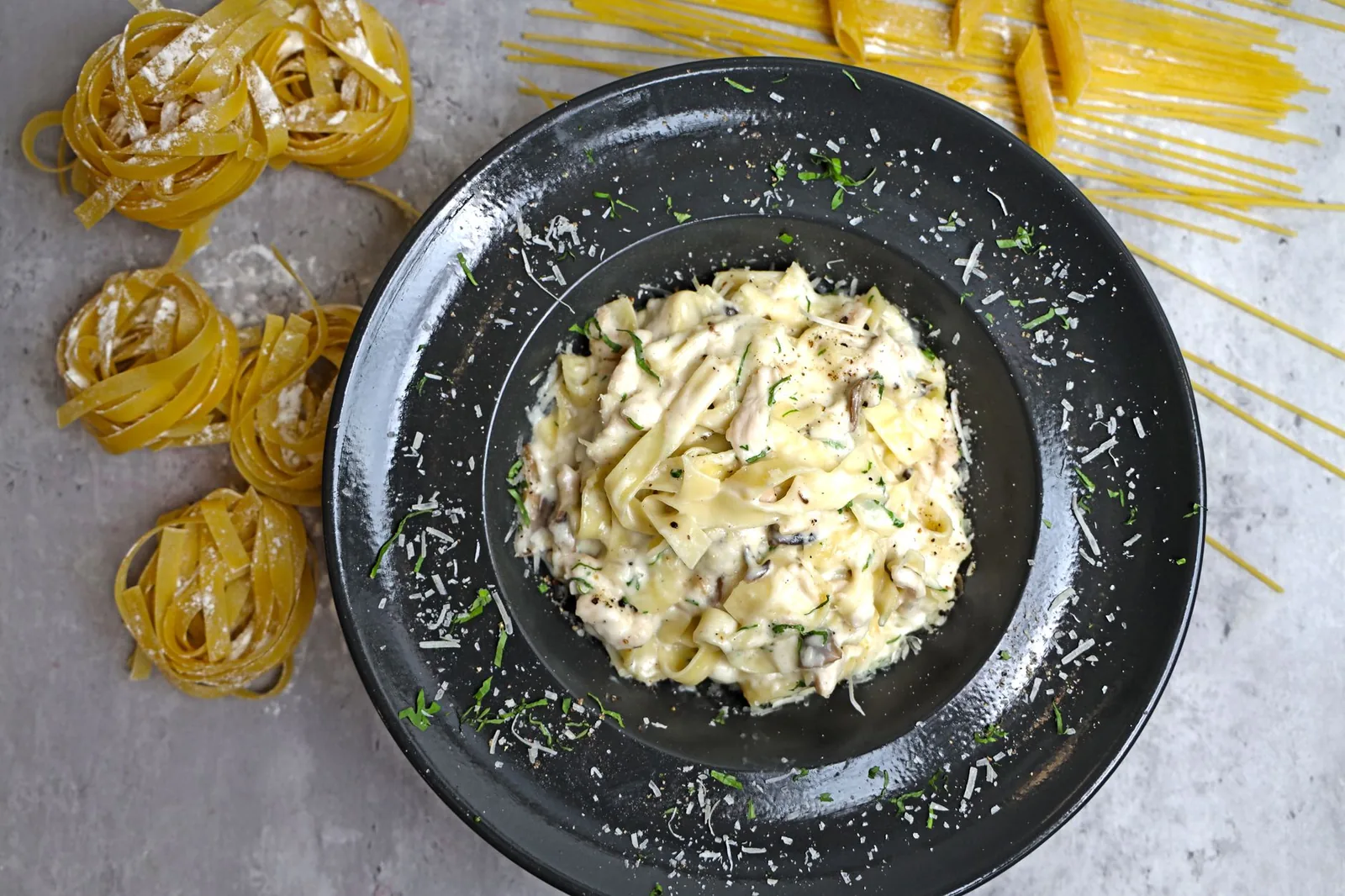
Bologna’s food culture is central to the travel experience. Start with tagliatelle al ragù, fresh egg pasta served with the meat sauce traditionally associated with the city. Tortellini in brodo, small filled pasta served in broth, is another classic. Lasagne verdi, made with green spinach pasta sheets, is a further Emilia-Romagna specialty to look for.
Try Mortadella Bologna in a market, delicatessen, sandwich or antipasti dish. Regional specialties such as crescentine and tigelle are commonly served with cured meats, cheeses and spreads, although names and preparations vary between venues.
Emilia-Romagna’s best-known products also appear throughout Bologna. Look for Parmigiano Reggiano, Prosciutto di Parma and other regional cured meats in market tastings and restaurant menus. For wine, Pignoletto is associated with the Bologna area and pairs well with local food.
Aperitivo is an important social ritual, particularly around the Quadrilatero, Mercato delle Erbe, university district and Via del Pratello. Menus, prices and schedules vary considerably, so check what is included rather than assuming every venue offers the same format. A guided food or market tour can be worthwhile for first-time visitors who want context as well as tastings.
Weather and the Best Time to Go
Spring and autumn usually offer the most comfortable conditions for walking, museum visits and excursions. April, May, September and October are especially practical for combining city sightseeing with the San Luca route or time in the surrounding countryside. Expect variable spring weather, and cooler nights and occasional rain in autumn.
Summer brings long days and an active cultural calendar, but July and August can be very hot. Schedule longer walks for the morning or evening, take advantage of the porticoes and check for seasonal museum closures or altered opening hours. Outdoor events may be available, but dates and programmes change from year to year.
Winter is cooler and can be damp or foggy in the Po Valley. The porticoes and museums make Bologna reasonably manageable in poor weather, although daylight is shorter and some attractions may operate reduced schedules. Winter can suit travelers more interested in food, galleries and atmospheric city walks than outdoor excursions.
How to Get Around Bologna
Bologna’s central attractions are best explored on foot. The principal three-hour city route published by the local tourism organization is approximately 2.5 kilometres, excluding optional museum and tower visits. Porticoes provide shelter from sun and rain, although uneven paving, crowds, steps and the uphill route to San Luca require sensible footwear.
TPER operates the local bus network and is useful for destinations outside the historic core, including some hill, suburban and railway-station connections. Urban fares and ticket conditions can vary according to how tickets are purchased. Buy and validate tickets according to the current instructions, and check the latest fare information before traveling.
Taxis are useful for late arrivals, heavy luggage, airport journeys and destinations not convenient by foot or bus. Car hire is generally unnecessary in Bologna. Restricted-traffic zones, limited parking and narrow streets make driving into the historic center inconvenient. If you do drive, check current ZTL boundaries, access periods and parking rules before entering.
Bologna Guglielmo Marconi Airport is the city’s main airport, with the code BLQ. The official airport information promotes the Marconi Express monorail between the airport and Bologna Centrale railway station, with a stated journey time of approximately seven minutes. The listed service runs daily from 05:40 to 24:00, with frequency varying by service period. Confirm current hours, fares and any disruptions before departure. Taxis and other transfer options may also be available.
Which Bologna experience would you most like to make the highlight of your trip?
Best Day Trips from Bologna
Modena
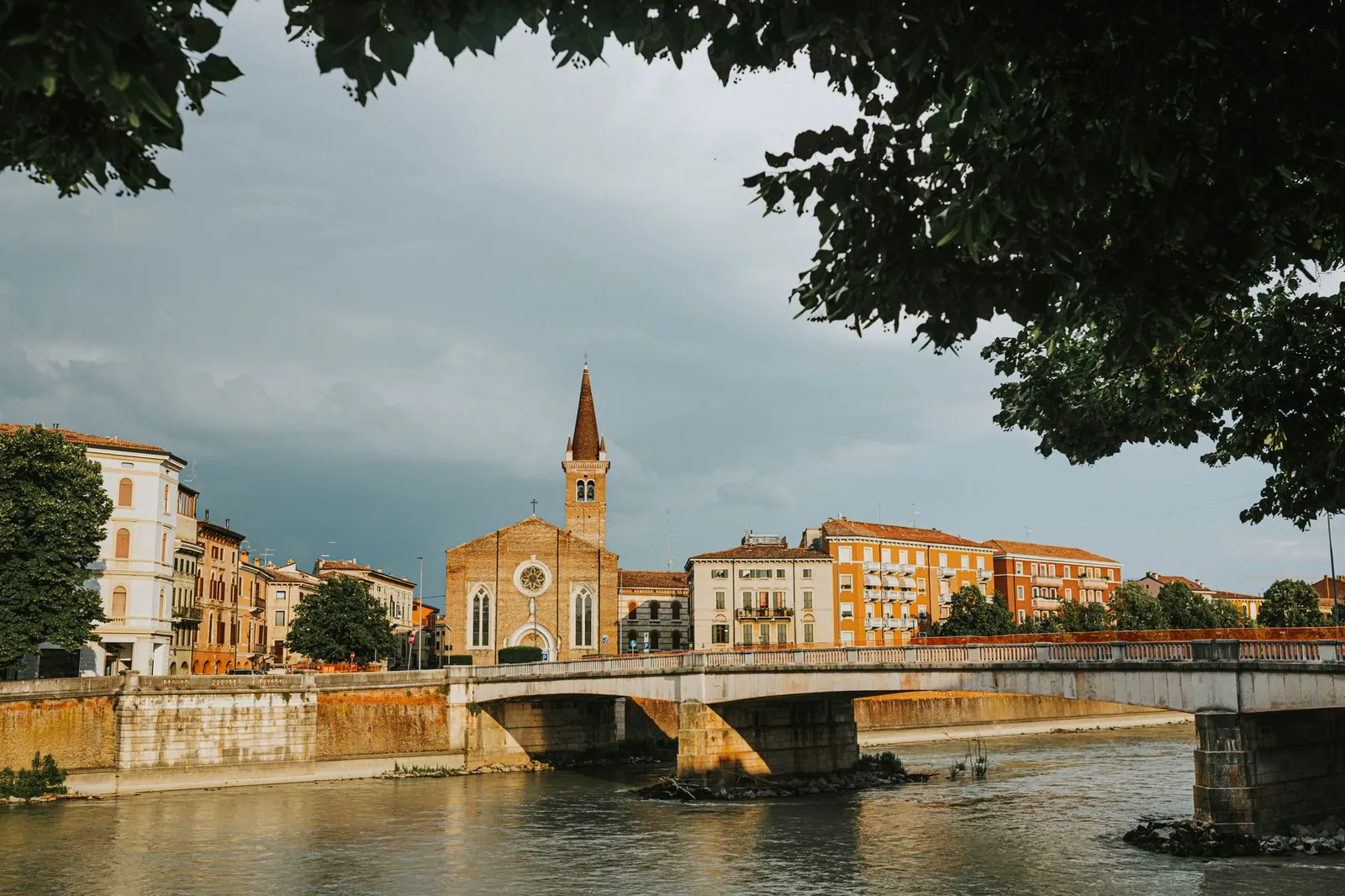
Modena is one of the easiest and most rewarding excursions. Its UNESCO-listed Cathedral, Ghirlandina bell tower and Piazza Grande provide the cultural focus, while traditional balsamic vinegar and motor attractions add strong regional character.
Ferrara
Ferrara offers Renaissance urban planning, ducal heritage and a cycling-friendly atmosphere. It is a good choice for travelers who want a historic city with a different rhythm from Bologna. Check current rail connections and attraction hours before setting out.
Ravenna
Ravenna is the destination for early Christian and Byzantine art. Its UNESCO heritage includes eight monuments, with major mosaic sites such as San Vitale, the Mausoleum of Galla Placidia and Sant’Apollinare Nuovo. It is a longer excursion, so plan the return journey carefully.
Parma
Parma suits visitors interested in food, music and historic architecture. It is also closely associated with Parmigiano Reggiano and Prosciutto di Parma. Producer visits may require advance planning, and transport schedules should be checked for your travel date.
Dozza
Dozza is a hill town near the Imola area known for painted outdoor murals and its wine-focused identity. It offers a change of scale and scenery, but local transport and attraction schedules need more planning than a straightforward rail trip.
Maranello and the Motor Valley
Automotive enthusiasts can plan an excursion around Ferrari and the wider Motor Valley. The regional itinerary may include the Enzo Ferrari Museum in Modena and the Ferrari Museum in Maranello. Check opening arrangements and transport connections before booking.
Rocchetta Mattei
Rocchetta Mattei is an unusual nineteenth-century architectural complex in the Apennines, offering a countryside contrast to Bologna’s urban center. It lies less than 70 kilometres from the city, but transport and visiting times require advance planning.
Essential Travel Tips
- Use Piazza Maggiore as your main orientation point when you arrive.
- Plan central sightseeing on foot and use the porticoes as sheltered routes.
- Check official attraction information shortly before travel; prices, hours, closures and reservation rules change.
- Confirm the current status of the Two Towers before planning a climb or a visit to the surrounding area.
- Reserve food tours, guided visits and limited-capacity museum experiences during busy weekends.
- Wear comfortable shoes, especially for the San Luca route and uneven historic-center paving.
- Check restaurant menus and reservation policies before committing to a meal.
- Validate public-transport tickets as required and confirm the latest TPER fare rules.
- Compare the Marconi Express, taxi and other current airport-transfer options.
- Do not drive into central Bologna without checking ZTL restrictions and parking arrangements.
- Dress respectfully when visiting churches and expect access restrictions during services.
- Consider the Bologna Welcome Card only after comparing its current inclusions with the attractions you plan to visit.
- Avoid relying on old blog posts for tower access, museum prices, transport fares or opening times.
- Check the return timetable before booking a day trip, especially to hill towns and smaller destinations.
Common Questions About Bologna
How many days do you need in Bologna?
Two full days cover the main central sights, porticoes, markets, principal churches and a food-focused experience. Three or more days allow time for museums, San Luca and a day trip.
Is Bologna walkable?
Yes. The main historic attractions are concentrated in and around the center and connected by porticoed streets. San Luca is also walkable, but the route is substantially hillier and more demanding.
Is Bologna expensive?
Costs vary according to season, accommodation, restaurant type and how far ahead you book. Central squares and many portico walks are free, while museums, guided visits, towers and food tours are paid. Check current prices directly before booking.
Can you climb the Asinelli Tower?
The latest official information available for this guide lists the Asinelli Tower as closed for maintenance in the area, with Garisenda also inaccessible. Recheck the status immediately before travel because conditions may change.
What food is Bologna famous for?
Typical choices include tagliatelle al ragù, tortellini in brodo, lasagne verdi, Mortadella Bologna, crescentine, tigelle, regional cured meats and cheeses, and wines such as Pignoletto.
What is the best area to stay in Bologna?
The historic center around Piazza Maggiore is the most convenient for first-time sightseeing. The university district suits visitors seeking student life and nightlife, while Santo Stefano and Saragozza offer attractive historic settings. Pratello and Bolognina are better for travelers seeking a more local or evening-oriented atmosphere.
How do you get from Bologna Airport to the city?
The official airport promotes the Marconi Express monorail to Bologna Centrale, with a stated journey time of about seven minutes and listed daily service from 05:40 to 24:00. Verify current fares, hours and service conditions before departure.
What are the best day trips from Bologna?
Modena, Ferrara, Ravenna and Parma are the most useful city excursions. Dozza, Maranello and Rocchetta Mattei offer smaller-town, motor, food or countryside experiences. Check current rail and attraction schedules before committing to an itinerary.
Planning Your Bologna Trip
Bologna rewards travelers who give it more than a quick stop between larger Italian cities. Its compact center makes sightseeing easy, while its porticoes, university life, markets and food culture create a character distinct from Rome, Florence or Venice.
Plan at least two full days, leave room for an unhurried meal and look beyond the headline attractions. A walk through Santo Stefano, an aperitivo in the Quadrilatero, a museum visit or the climb toward San Luca can be as memorable as the main square itself. With excellent rail connections and a rich surrounding region, Bologna is also one of northern Italy’s most useful bases for a longer itinerary.
Inspired? Start planning your trip.
Move from inspiration to planning with BookingTabs — explore hotels, tours and travel options in one place.
Join the conversation
Ask a question, share a travel tip, or help another traveler plan with confidence.
Leave a comment
No account or email required.