
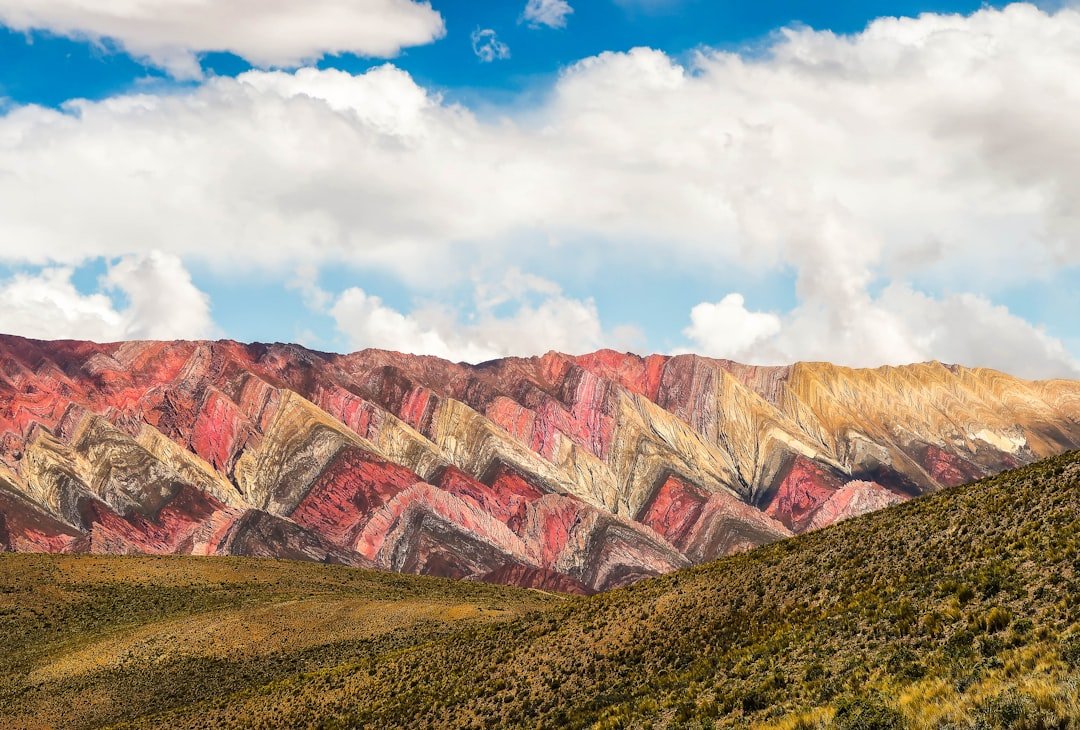
Argentina Unveiled: Buenos Aires, Patagonia & Scenic Gems
Argentina stretches from the tango-filled boulevards of Buenos Aires to the wind-swept icefields of Patagonia, offering a scale of landscapes few countries can match. This guide focuses on the essentials: landmark neighborhoods and cultural rhythms in the capital, the glaciers and peaks of southern Patagonia, and a selection of scenic destinations that reveal Argentina’s ecological and cultural diversity. Whether you plan a city-centric trip with day trips to estancias and wine country, or an expedition across glacier-carved valleys and coastal wildlife reserves, you’ll find practical advice, local experiences and seasonal guidance to plan a trip that suits your pace. Read on for must-see attractions, how to travel between regions, and tips to make the most of Argentina’s vast and varied terrain.
Must-See Attractions
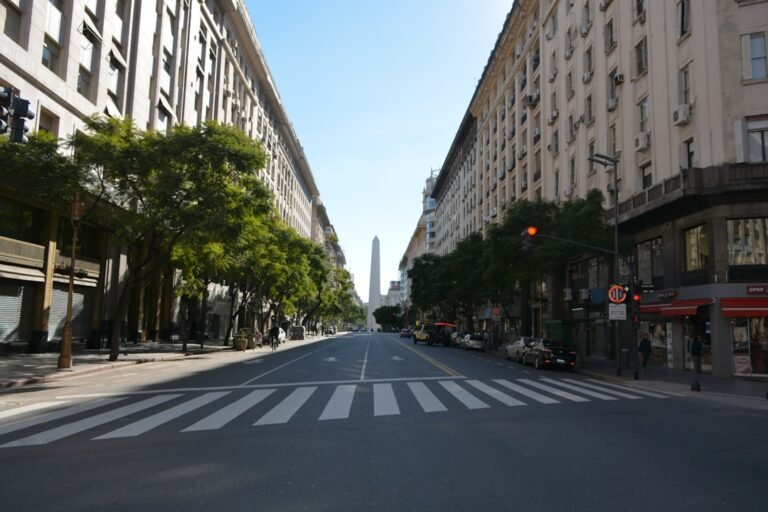
Argentina’s highlights span cities, mountains, glaciers and wetlands. In Buenos Aires, don’t miss the stately Plaza de Mayo and the Casa Rosada, the colorful houses of La Boca along Caminito, and the elegant avenues of Recoleta—home to the famous Recoleta Cemetery where Eva Perón is interred. Palermo offers leafy parks and a thriving café and restaurant scene, while San Telmo is the place for antiques and tango on cobblestones.
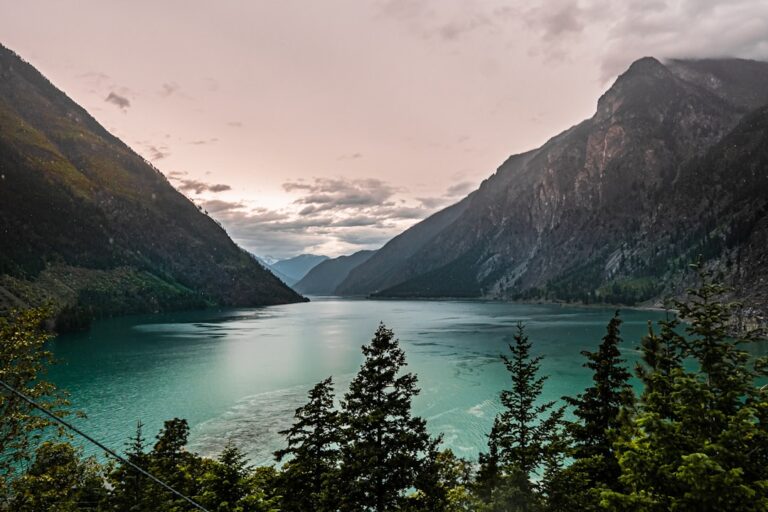
In Patagonia, El Calafate is the gateway to Los Glaciares National Park and the Perito Moreno Glacier, one of the few advancing glaciers in the world where you can watch huge ice chunks calve into Lake Argentino from accessible viewing platforms. Further south, Ushuaia on Tierra del Fuego is the southernmost city in the world and the usual embarkation point for Beagle Channel cruises and Antarctic voyages. Bariloche, in the lake district around the Nahuel Huapi National Park, is prized for mountain scenery, hiking and chocolate shops.
Other scenic must-sees include the Iguazú Falls on the border with Brazil—Argentina’s side offers powerful vantage points and jungle trails—and the wine region around Mendoza, dominated by the Andes backdrop and known for Malbec and high-altitude vineyards. For wildlife watchers, the Valdés Peninsula on the Atlantic coast is excellent for whale watching, elephant seals and Magellanic penguins, depending on season.
Local Experiences
Food is central to Argentine culture. In Buenos Aires, join porteños for an asado (barbecue) at a neighborhood parrilla; tasting Argentine beef is a rite of passage. Try empanadas from Salta or Tucumán, and sample dulce de leche and medialunas for coffee breaks. In Mendoza, visit bodega tasting rooms to learn about high-altitude viticulture, and consider a bike tour through the vineyards around Luján de Cuyo or Maipú.
Markets and neighborhoods reveal local life: Mercado de San Telmo hosts antiques and weekend street performers; Feria de Mataderos outside the city offers gaucho demonstrations and regional foods. In Buenos Aires, stroll Palermo Soho for independent designers and Palermo Hollywood for dining. For viewpoints, ascend the observation deck at the Museo de Arte Latinoamericano de Buenos Aires (MALBA) or take in panoramic city or lake views from Cerro Campanario in Bariloche.
Festivals and seasonal events offer authentic windows into Argentine culture: the Carnival celebrations in northern provinces, the National Folklore Festival in Cosquín (near Córdoba), and Mendoza’s wine harvest festival, the Fiesta Nacional de la Vendimia. Outdoors, hike the trails around Mount Fitz Roy near El Chaltén for dramatic spires, kayak in the glacial lakes near El Calafate, or go whale-watching off Puerto Madryn during southern right whale season.
Best Time to Visit
Argentina’s seasons are opposite those in the Northern Hemisphere, and the best time depends on region. For Buenos Aires and the central pampas, spring (September–November) and autumn (March–May) bring mild temperatures and fewer crowds. Summer (December–February) is warm and humid with peak tourist numbers.
Patagonia is most accessible in the austral summer, December through February, when trails are snow-free and ferry services run regularly; this is also the busiest period. Shoulder months—November and March—offer cooler temperatures, fewer visitors, and still good trekking conditions, though weather can be changeable. For glacier viewing at Perito Moreno, year-round access is possible, but calm weather in summer makes boat excursions more comfortable.
Iguazú Falls is best visited in spring and autumn to avoid peak heat and heavy rains, though flow is impressive year-round. Whale-watching on the Valdés Peninsula peaks between June and December. For wine tourism in Mendoza, March during the harvest festival is lively, while February and April are excellent for vineyard visits with pleasant weather.
Essential Travel Tips
Transportation: Domestic flights cover long distances efficiently—book early for routes to Patagonia and Iguazú. Long-distance buses are comfortable and budget-friendly, with overnight services between major cities. In Buenos Aires, use the Subte (subway) and buses; taxis and app-based services (e.g., Cabify) are widely available. For Patagonia, expect limited public transport; renting a car is the most flexible option for exploring lakes and trails.
Money: The Argentine peso is the local currency; carry some cash for markets and smaller towns. Credit cards are widely accepted in cities, but many tourist destinations favor cash. Exchange rates can vary—use official exchange houses (casas de cambio) or banks. ATMs are common in urban centers but may charge fees.
Safety: Exercise normal urban caution—watch belongings in crowded areas, especially on public transit and tourist hotspots. In remote regions, prepare for limited services and carry a first-aid kit and extra layers. Always check weather forecasts in Patagonia; conditions can change rapidly.
Packing: Layered clothing is essential—Patagonian weather can switch from sun to wind and rain in hours. Bring a waterproof shell, warm insulating layers, sturdy hiking boots, and sun protection. For urban travel, include a compact umbrella and comfortable walking shoes. If visiting Iguazú, waterproof footwear and insect repellent are recommended.
Local etiquette: Argentines greet with a single cheek kiss in social settings; a firm handshake is common in business. Dining is often later than in North America—dinner typically starts around 9 p.m. Tipping is customary but not mandatory: 10% in restaurants is standard when service isn’t included.
Frequently Asked Questions
How many days do I need in Buenos Aires?
Plan 3–4 full days to see the city’s key neighborhoods (Recoleta, San Telmo, Palermo, La Boca), museums and enjoy a tango show plus a relaxed day for shopping or a day trip to an estancia or Tigre Delta.
Can I visit Perito Moreno and El Chaltén in one trip?
Yes. El Calafate is the base for Perito Moreno and a transport hub for buses or transfers to El Chaltén. Allocate at least two days for Perito Moreno and 3–4 days in El Chaltén for hiking and to accommodate variable weather.
Is it safe to travel to Patagonia independently?
Patagonia is safe for independent travel but remote. Roads can be long and services sparse—plan fuel stops, carry emergency supplies, and check road and weather conditions. Guided excursions are recommended for glacier treks and technical routes.
Do I need a visa to enter Argentina?
Visa requirements vary by nationality. Citizens of many countries, including the U.S., Canada and EU member states, can enter visa-free for short tourism stays. Check the latest entry rules with Argentine consular services before travel.
What’s the best way to see Iguazú Falls?
Allocate a full day for the Argentine side of Iguazú National Park to explore upper and lower circuit walkways and the Devil’s Throat viewpoint. Boat rides under the falls and jungle trails offer different perspectives; guide services enhance wildlife spotting.
Conclusion
Argentina rewards travelers with dramatic contrasts: cosmopolitan Buenos Aires with its layered neighborhoods and cultural life; the vast, elemental spaces of Patagonia where glaciers and mountains dominate; and a string of scenic destinations from Iguazú to Mendoza and the Atlantic coast that showcase biodiversity and regional traditions. Planning around seasons and transport logistics will maximize what you can see in a single trip, while leaving room to follow personal interests—food, wine, trekking or wildlife. With practical preparation and an appetite for varied experiences, Argentina offers journeys that are as memorable as they are diverse.
Inspired? Start planning your trip.
Move from inspiration to planning with BookingTabs — explore hotels, tours and travel options in one place.
Join the conversation
Ask a question, share a travel tip, or help another traveler plan with confidence.
Leave a comment
No account or email required.