Alpine Gems: Top Swiss Mountain Towns for Scenic Travel and Adventure
Switzerland’s mountain towns are compact portals into dramatic peaks, glacier-fed valleys and enduring alpine culture. From the car-free lanes of Zermatt with the Matterhorn looming overhead to the Engadin sophistication of St. Moritz and the waterfall-carved basin of Lauterbrunnen, each village offers a distinct way to experience the Alps. These towns are not only bases for skiing and hiking but living communities with markets, mountain railways and seasonal festivals that reflect local rhythms. Whether you want breathtaking panoramas aboard the Jungfrau Railway, après-ski in Verbier, or a summer hike across high pastures, the Swiss mountain towns combine reliable infrastructure with unspoiled scenery. This guide highlights the must-see sights, authentic experiences, practical tips and best months to visit so you can plan an alpine trip that balances adventure with comfort.
Must-See Attractions
Switzerland’s mountain towns are defined by their immediate access to iconic alpine sights and engineered viewpoints.
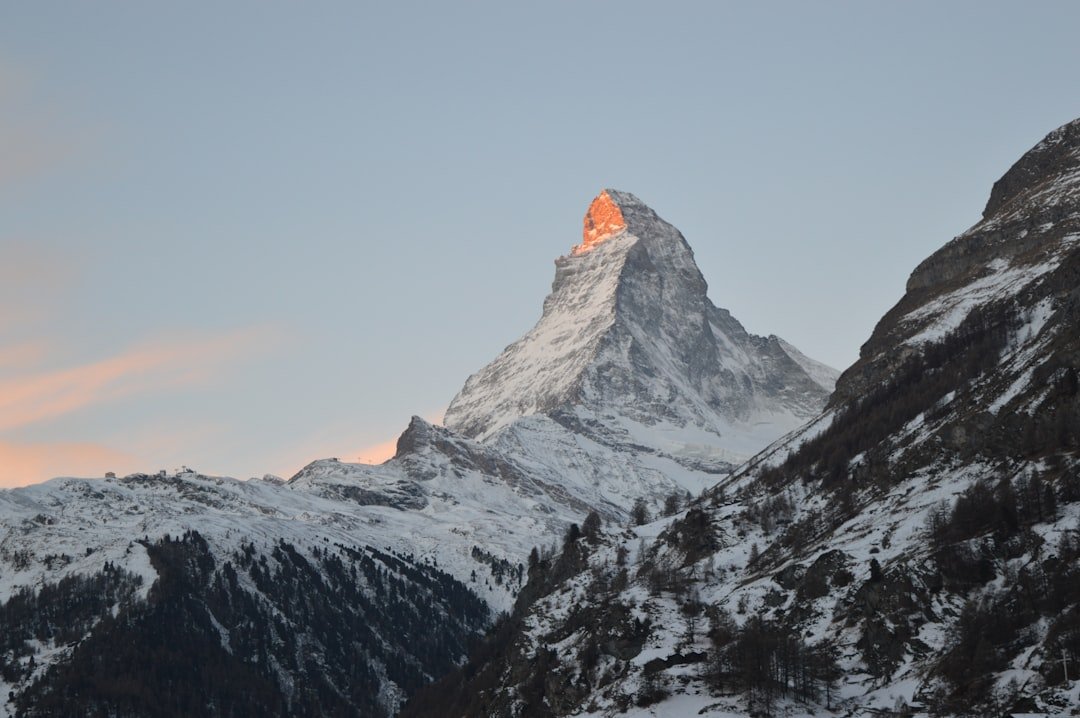
- Zermatt — Matterhorn and Gornergrat: The Gornergrat Railway climbs from Zermatt to a ridge offering one of the clearest multi-angle views of the Matterhorn and surrounding glaciers. Nearby, the Klein Matterhorn cable car reaches Matterhorn Glacier Paradise, a high-altitude viewing platform and glacier area.
- Grindelwald and Wengen — Jungfrau Region: The Jungfrau Railway to Jungfraujoch, the “Top of Europe,” departs from either Interlaken or Kleine Scheidegg (accessible from Grindelwald and Wengen). Views of the Aletsch Glacier and the Bernese Oberland peaks are spectacular.
- Lauterbrunnen — Waterfall Valley and Trümmelbach Falls: The steep-sided valley contains dozens of waterfalls, notably Staubbach Falls and the glacier-fed Trümmelbach Falls, a subterranean series of cascades accessible by tunnel lifts and walkways.
- Saas-Fee — Glacier Village: A car-free village surrounded by 4,000-meter peaks with easy access to summer glacier skiing and high-altitude hiking routes. Panoramic lifts deliver views of the Allalinhorn and fee Glacier.
- St. Moritz — Engadin High Alps: Synonymous with luxury alpine sport, St. Moritz also provides access to scenic mountain railways, frozen-lake winter events such as White Turf horse racing, and the panoramic Bernina Express route nearby.
- Verbier and Andermatt — Alpine Adventure Hubs: Verbier anchors the Four Valleys ski area with extensive piste networks and freeride terrain; Andermatt sits at a strategic rail junction and is the gateway to the Gotthard region and high-mountain hiking.
Best Time to Visit
Timing depends on activities: winter for skiing and winter sports, summer for hiking and alpine panoramas.
- Winter (December–March): Peak ski season—busy at popular resorts like Zermatt, St. Moritz and Verbier. Expect well-groomed pistes, festive atmospheres and higher prices around Christmas and New Year.
- Spring (April–June): Shoulder season with variable conditions. Lower villages green up and waterfalls are full from snowmelt; however some high lifts may still be closed early in the season.
- Summer (July–September): Best months for hiking and alpine vistas. July and August offer reliably warm days, wildflowers and open mountain huts. Trails can be busy at popular viewpoints; early mornings and weekdays are quieter.
- Autumn (October–November): A quieter time for lower-altitude walks, autumn colors and local harvest events. Many high-mountain services reduce schedules, but prices and crowds drop noticeably.
Essential Travel Tips
Practical advice will make mountain travel smoother and safer.
- Transportation: Use Switzerland’s efficient rail network. The Swiss Travel Pass covers most regional trains, buses and many mountain railways or offers discounts. Mountain railways such as the Gornergrat Railway, Jungfrau Railway and various cable cars provide direct access from town centers.
- Money and Costs: Switzerland uses the Swiss franc (CHF). Credit cards are widely accepted; carry some cash for small mountain huts, markets and tips. Mountain lift tickets and special excursions can be costly—book in advance where possible.
- Safety and Altitude: Acclimatize gradually above 2,000–3,000 meters to reduce altitude effects. Check weather and avalanche forecasts before backcountry travel and hire certified guides for glaciers or technical routes.
- Packing: Layered clothing is essential—mornings can be cold even in summer; bring a waterproof shell, hat and sunscreen. Sturdy walking shoes, a daypack, water bottle and basic first-aid items are recommended. For winter, bring appropriate boots and consider crampons for icy conditions.
- Local Etiquette: Swiss towns are tidy and quiet—respect quiet hours (typically after 10 p.m.), keep noise low in residential areas and dispose of waste in designated containers. Greet locals courteously; English is common, but a few words in German, French or Italian (depending on region) are appreciated.
- Connectivity: Mobile coverage is generally good in towns and along major routes, but remote valleys and high ridges can have limited signal. Download maps and train timetables for offline use when heading into remote terrain.
Frequently Asked Questions
Which mountain town is best for first-time visitors to the Swiss Alps?
Zermatt and Grindelwald are excellent entry points. Zermatt is iconic for the Matterhorn and car-free charm; Grindelwald offers easy access to the Jungfrau region with well-developed lifts and trails suitable for a range of fitness levels.
Are Swiss mountain towns expensive?
Yes, Switzerland is generally expensive compared with many countries. Costs for accommodation, mountain lifts and dining can be high, but budget-conscious travelers can save with Swiss Travel Passes, choosing guesthouses or self-catering, and eating at mountain restaurants during lunch rather than dinner.
Can I visit multiple mountain towns by train in one trip?
Absolutely. Switzerland’s rail network makes it straightforward to connect towns—popular scenic routes include the Glacier Express (Zermatt–St. Moritz) and regular connections through Interlaken to the Jungfrau region. Plan times to allow for slow scenic trains and mountain lift schedules.
Are mountain towns family-friendly?
Many are. Towns like Wengen, Saas-Fee and Zermatt are family-friendly with gentle slopes, kid-focused hiking routes, sledging runs and family-oriented ski schools. Check resort facilities for childcare and beginner-friendly areas in winter.
How should I prepare for hiking in the high Alps?
Prepare with layered clothing, proper hiking boots, a physical check of trail conditions and weather forecasts. Bring water, snacks, a map or GPS device, and know the turnaround times to avoid hiking in fading light. For glacier crossings or technical routes, hire a certified mountain guide.
Conclusion
Switzerland’s mountain towns offer a remarkable variety of alpine experiences in compact, well-connected settings. Whether you’re drawn to the Matterhorn’s silhouette from Zermatt, the waterfall amphitheater of Lauterbrunnen, the polished winter sport scene of St. Moritz or the car-free tranquility of Saas-Fee, each town has a clear identity shaped by geography and tradition. Planning around seasonal strengths—skiing in winter, hiking in summer—plus sensible packing, respect for local customs and use of Switzerland’s rail system will maximize your time on the peaks and in the valleys. These alpine gems reward both short visits for dramatic vistas and longer stays that reveal the rhythms of mountain life.
Inspired? Start planning your trip.
Move from inspiration to planning with BookingTabs — explore hotels, tours and travel options in one place.
Join the conversation
Ask a question, share a travel tip, or help another traveler plan with confidence.
Leave a comment
No account or email required.