
Lombok Travel Guide
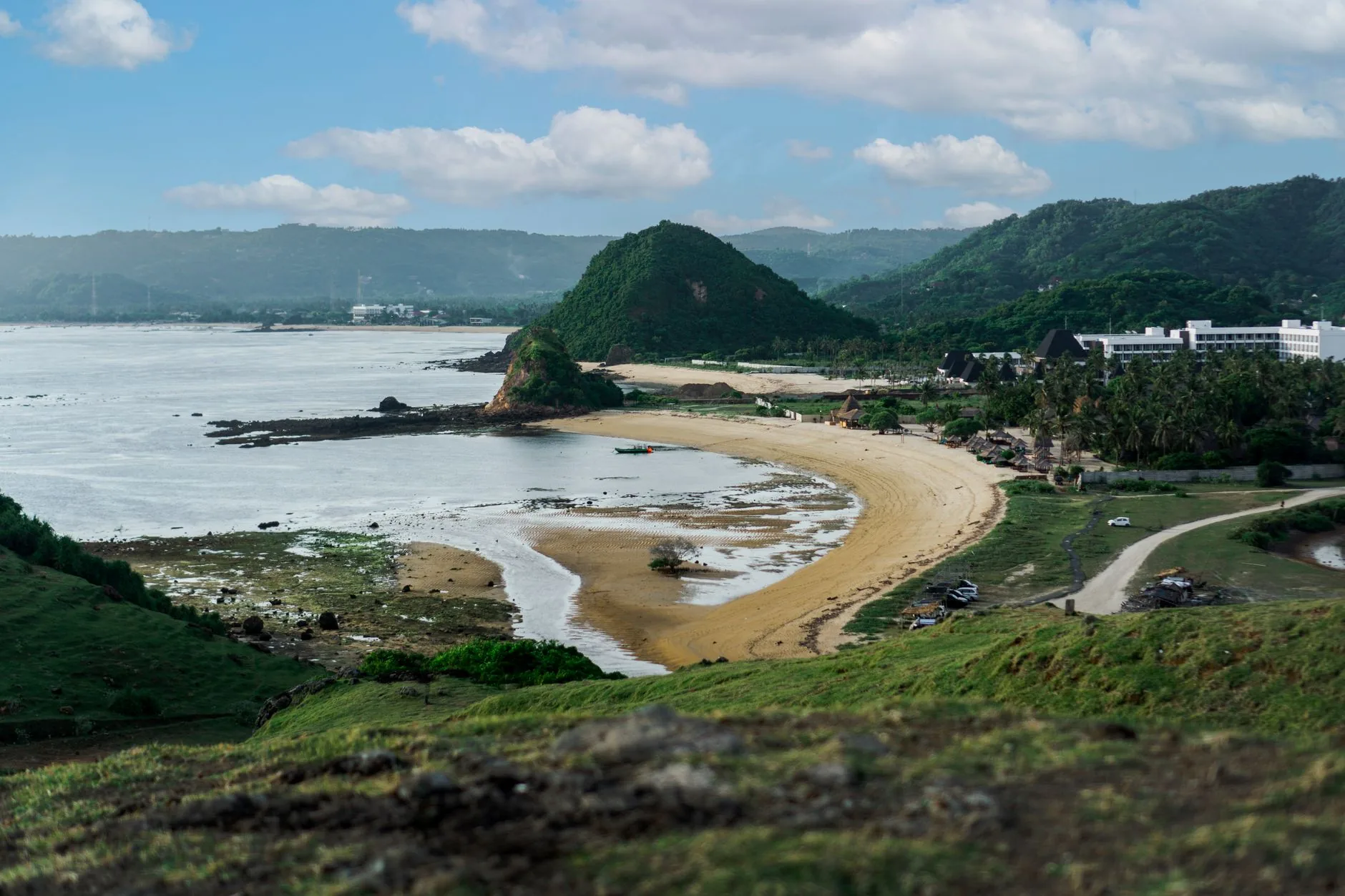
Lombok is an Indonesian island east of Bali, but it offers a distinctly different kind of trip. The island is less urbanized and generally quieter, with a travel landscape that shifts from surf beaches and coral reefs to rice fields, waterfalls, traditional Sasak villages and the high volcanic terrain of Mount Rinjani.
A good Lombok itinerary is built around regions rather than a single resort. Spend time in the south for beaches and surf, head northwest for the Gili Islands, use Mataram or Senggigi for urban and west-coast access, and travel inland or north for waterfalls, village scenery and Rinjani. Five to seven days works well for a balanced first visit, although a Mount Rinjani trek needs additional time and preparation.
What Makes Lombok Special
Lombok brings together several of Indonesia’s strongest travel experiences without requiring a choice between mountains, beaches and culture. Its best-known natural landmark is Mount Rinjani, whose 3,726-metre summit rises above a vast volcanic landscape and Segara Anak crater lake. Trekking here is demanding, but the mountain is also part of the wider scenery around Senaru and Tetebatu, even for visitors who do not plan to climb it.
The island’s coast is equally varied. The Mandalika area in south Lombok is a convenient base for Kuta, Tanjung Aan, Seger and Merese Hill, with surf areas, beach roads and an expanding tourism zone. The northwest coast leads to Gili Trawangan, Gili Meno and Gili Air, three small islands with different personalities. Trawangan is the liveliest, Meno is the quietest, and Air sits between the two in atmosphere and facilities.
Lombok also offers a strong cultural dimension. Sasak villages such as Sade, Ende and Sukarara introduce traditional architecture, weaving and local customs. Inland areas such as Tetebatu provide a slower experience of rice fields, village walks and community-based tourism.
Food is another reason to come. Lombok cuisine is known for assertive chili, grilled meats, sambal and fresh accompaniments. Ayam taliwang, plecing kangkung, sate rembiga and sate bulayak are among the dishes worth seeking out.
Best Things to Do in Lombok
Planning your activities? Compare tours and activities for Lombok on BookingTabs.
Trek Mount Rinjani and See Segara Anak
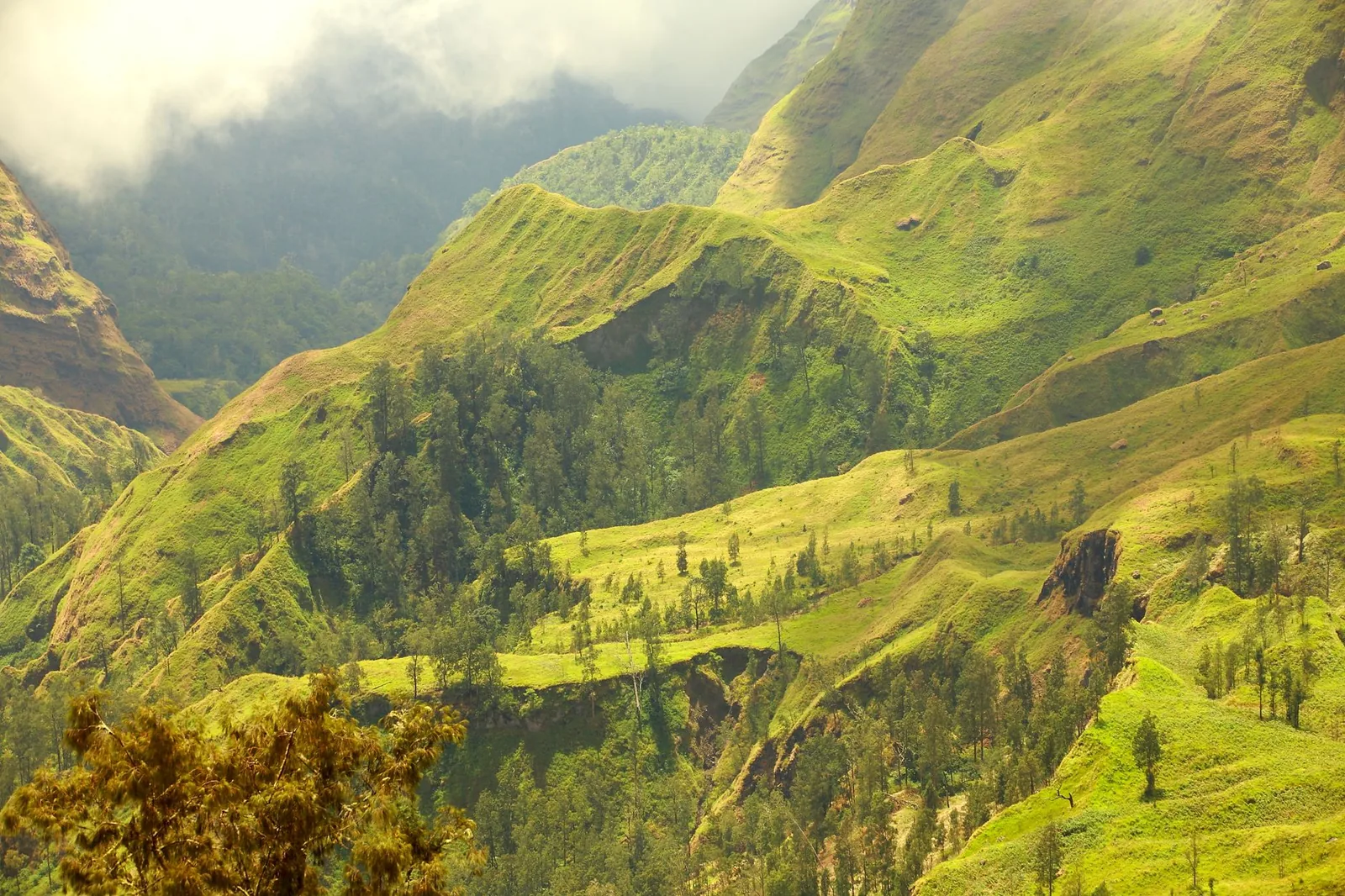
Mount Rinjani is Lombok’s defining landscape and one of Indonesia’s most ambitious trekking destinations. The mountain reaches 3,726 metres and surrounds Segara Anak, a large crater lake set inside the volcanic caldera. The views, altitude and terrain make this a serious expedition rather than a casual day hike.
Trekking routes, quotas, permits and organizer requirements can change. The national park uses the eRinjani booking system, and foreign trekkers may need to travel with an authorized organizer, guide and porter under current rules. Check the official park information immediately before booking, including route openings, weather, maintenance notices and safety requirements.
Senaru is an important access area for northern Rinjani routes and is also useful for travelers visiting the nearby waterfalls. Do not try to add a full Rinjani trek to a short beach itinerary. Allow extra days and arrive with appropriate fitness, equipment and realistic expectations.
Explore the Gili Islands
The three famous Gili Islands lie off Lombok’s northwest coast and are usually visited as part of a Lombok trip. They are not interchangeable, so choose your base according to the kind of holiday you want.
Gili Trawangan
Gili Trawangan is the largest and most nightlife-oriented of the three. It has the broadest choice of tourist services, along with diving, snorkeling, cycling and popular sunset spots. It suits social travelers and visitors who want more restaurants and evening activity.
There are no cars or motorbikes on the island. Most visitors walk, cycle or use cidomo horse-drawn carts for luggage and longer trips. Confirm boat times and sea conditions before traveling, particularly if you are arriving with heavy bags or connecting from Bali.
Gili Meno
Gili Meno is the quietest and most secluded-feeling option. It is well suited to couples, slower beach holidays and travelers who want to spend more time snorkeling, diving or reading by the water than looking for nightlife.
Accommodation and dining are more limited than on Trawangan, so check late-arrival arrangements and boat connections before booking. A quiet island stay also means accepting fewer services and less flexibility once you arrive.
Gili Air
Gili Air offers a middle ground. It has a relaxed village-like atmosphere, but there is still a useful selection of places to eat, stay and arrange water activities. It works well for travelers who want snorkeling and island life without the intensity of Trawangan.
As on the other Gilis, getting around usually means walking, cycling or taking a cidomo. Reef visibility and sea conditions vary, so ask local operators about the day’s conditions before booking a snorkeling or diving trip.
Base Yourself in Kuta and Explore Mandalika
Kuta is the main southern Lombok base for beach trips, surf, restaurants and access to the Mandalika coast. From here, you can visit several beaches and viewpoints without changing accommodation every night.
Tanjung Aan is one of the area’s best-known beaches, with a broad coastal setting and access to nearby viewpoints. Merese Hill is a popular short walk with wide views over the coastline and is often visited around sunset. The path is exposed, so carry water, wear suitable footwear and allow enough daylight for the return.
The Mandalika International Street Circuit is also located in the area and hosts international motorsport events, including MotoGP and World Superbike-related programming. Access is event-dependent. Do not assume that the circuit is open for casual visits or public driving outside scheduled events.
Mandalika remains a developing tourism and events zone. Roads, construction, beach facilities, traffic arrangements and event access can change, so check current local information before setting out.
Visit Sasak Villages and Weaving Communities
Sasak culture is central to understanding Lombok. Traditional villages provide an opportunity to see local house styles, learn about community customs and observe weaving traditions.
Sade is the best-known cultural stop on many southern Lombok itineraries. Ende and Sukarara can also be included, particularly on a day trip from Kuta or Mataram. Visit respectfully: dress modestly, ask before photographing people or homes, and listen to local guides rather than treating the village as a backdrop.
Access and visitor arrangements at Sade may be affected by recovery and reconstruction work following a reported fire. Verify which sections are open and whether community tours have resumed before visiting.
Discover Tetebatu
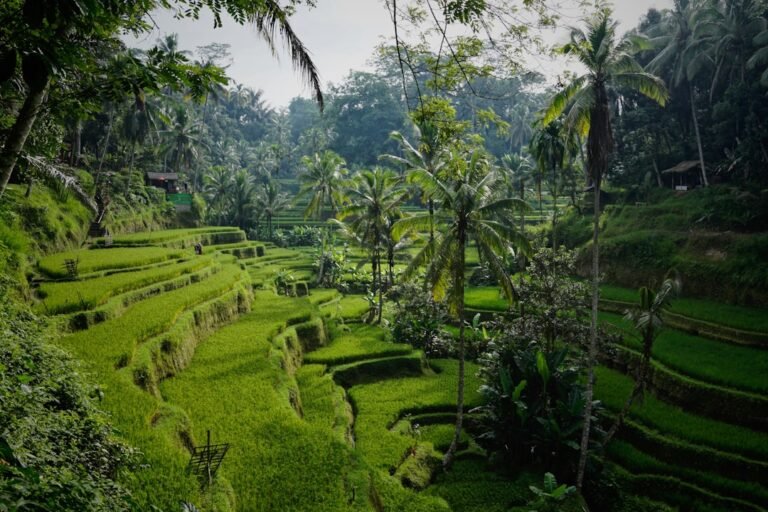
Tetebatu is one of Lombok’s best alternatives to the beach resorts. The rural area lies near Mount Rinjani and is known for rice-field scenery, village paths, waterfalls and agricultural landscapes. Its cooler, greener setting makes it a useful contrast to the exposed beaches of the south.
Walking routes may include uneven paths and can become slippery after rain. A local guide can help with village walks and waterfall routes, particularly when conditions are wet or paths are difficult to follow.
Tetebatu is best experienced at a slower pace. Stay overnight if your schedule allows, rather than trying to combine every inland attraction with a long south-coast drive.
Visit Sendang Gile and Tiu Kelep Waterfalls
The Sendang Gile and Tiu Kelep waterfalls are in the Senaru area at the foot of Mount Rinjani. They are a practical way to experience northern Lombok’s forested scenery without committing to a mountain trek.
Paths can be slippery after rain, and swimming conditions may vary. Check local access arrangements and weather before leaving. These waterfalls work particularly well as part of a northern Lombok stay or as an organized excursion from another base if you are prepared for the road journey.
Explore Mataram, Cakranegara and Narmada Park
Mataram is Lombok’s principal urban center and the capital of West Nusa Tenggara province. It is useful for local food, markets, museums and everyday city life rather than as a conventional beach resort.
Nearby Cakranegara adds access to urban sights and historic areas. Narmada Park is a notable cultural stop: an eighteenth-century garden complex built by the Raja of Mataram Lombok, with pools and temple structures designed to evoke Mount Rinjani.
Opening times, admission arrangements and access during ceremonies can change, so verify details locally. Mataram and Narmada are particularly convenient for travelers who want to add culture and food to a beach-focused itinerary.
Which Lombok experience would you most want to build your trip around?
When to Visit Lombok
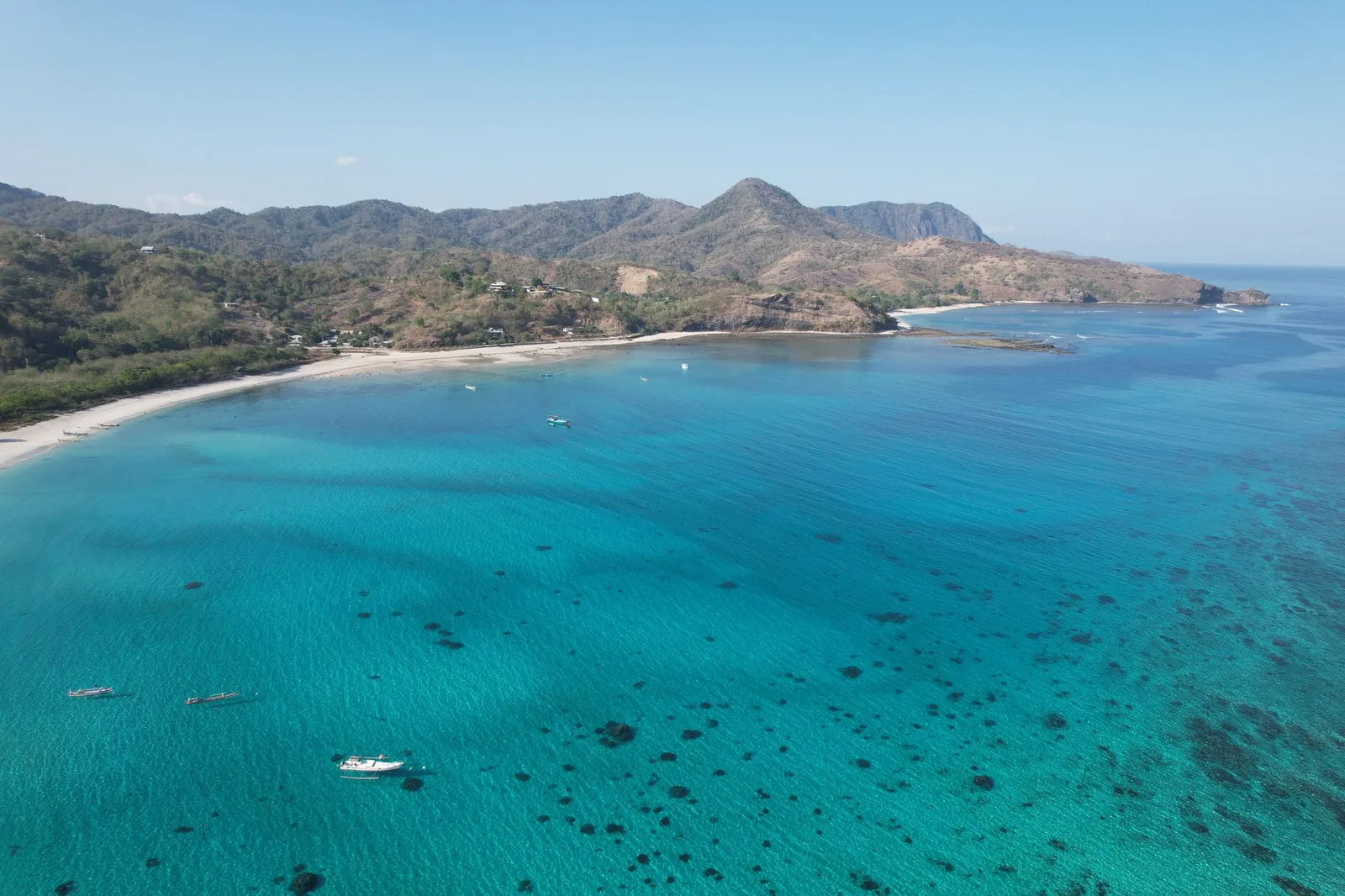
The generally drier period runs from around May to October, while wetter conditions are most common from November to March. April and October are often transition months, but seasonal patterns vary by location and year.
March to May
March can still be wet, while April is commonly a transition month. By May, conditions are usually becoming drier. Beaches may be enjoyable, but rainfall and sea conditions still need checking, especially if you are planning boat travel or a trek.
June to August
These months are generally among the driest and are favorable for beaches, snorkeling and outdoor activities. August is commonly the peak of the dry season in West Nusa Tenggara. Expect strong sun and heat, particularly on exposed beaches and hills, and plan for water and sun protection.
September to November
September is usually still within the drier period. October often brings changing conditions, while November commonly becomes wetter. Check forecasts before committing to a trek, ferry crossing or snorkeling excursion.
December to February
This is typically part of the wetter season. Rain can affect mountain trails, waterfall paths, road travel, snorkeling visibility and boat crossings. A rainy-season trip can still work, but keep your schedule flexible and confirm conditions locally.
For any season, check current BMKG weather forecasts before trekking or taking a boat. Climate averages are useful for planning but cannot guarantee conditions on a particular day.
What to Eat and Drink
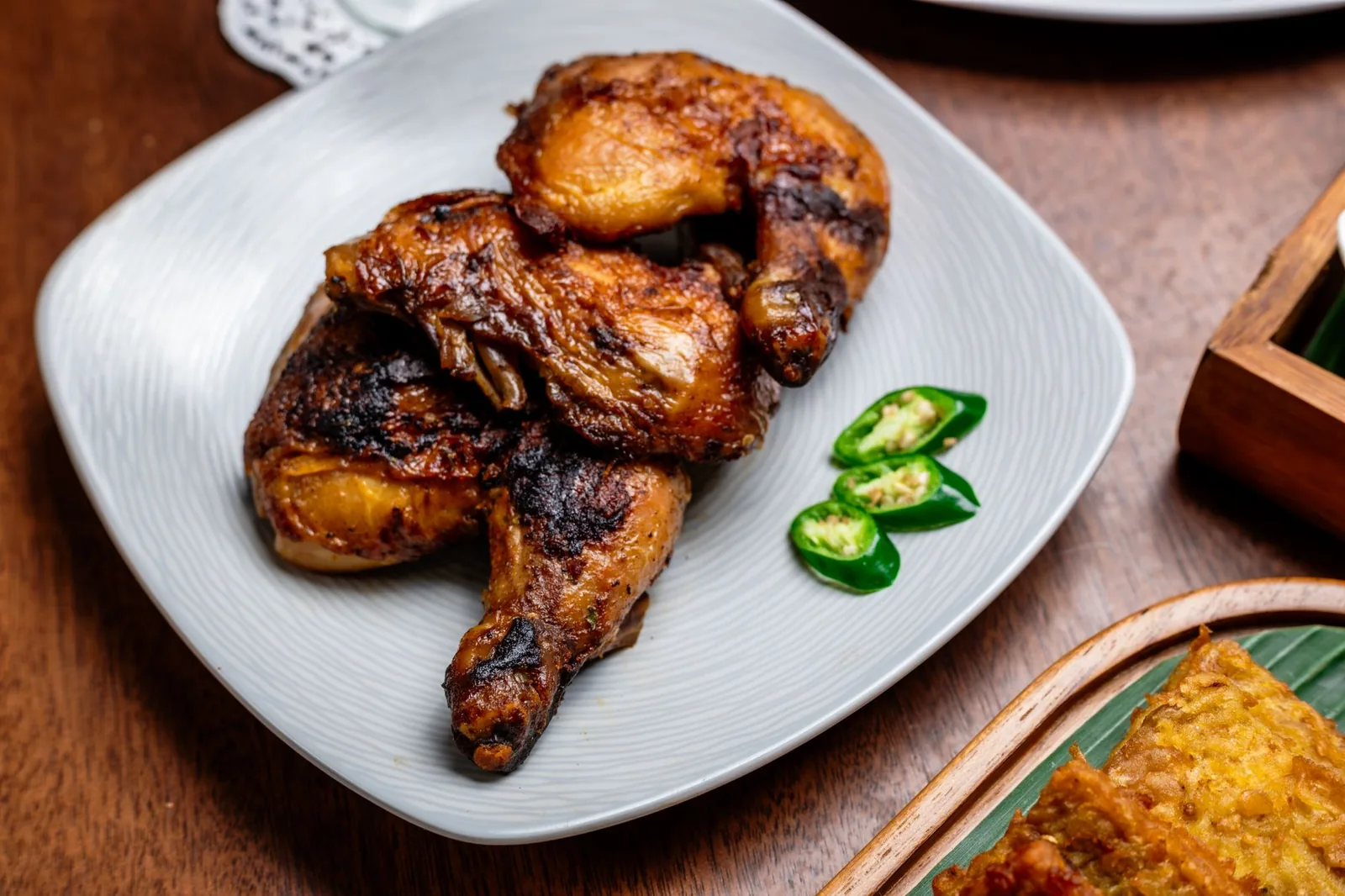
Lombok food is strongly flavored and frequently spicy. Ask about the chili level if you are not used to substantial heat.
Ayam taliwang is the island’s signature chicken dish, usually grilled or fried with a spicy, savory chili seasoning. It is often served with rice, plecing kangkung and other fresh accompaniments.
Plecing kangkung consists of blanched water spinach with a fresh tomato-and-chili sambal. It commonly accompanies grilled chicken, fish or satay.
Sate rembiga is spiced beef satay associated with Lombok. The meat is marinated before grilling, producing a savory, sweet and chili-forward flavor.
Sate bulayak is served with bulayak, a cone-shaped rice cake wrapped in palm leaf, and a savory sauce that may include coconut milk and peanuts.
Beberuk terong is a fresh eggplant-based side dish mixed with tomato, long beans, chili and other seasonings. It is often paired with ayam taliwang.
Along the coast, look for grilled fish and seafood at restaurants and warungs. Hygiene, availability and pricing vary by location and season, so busy local venues with good turnover are often the most reassuring choice.
Easy Day Trips from Lombok
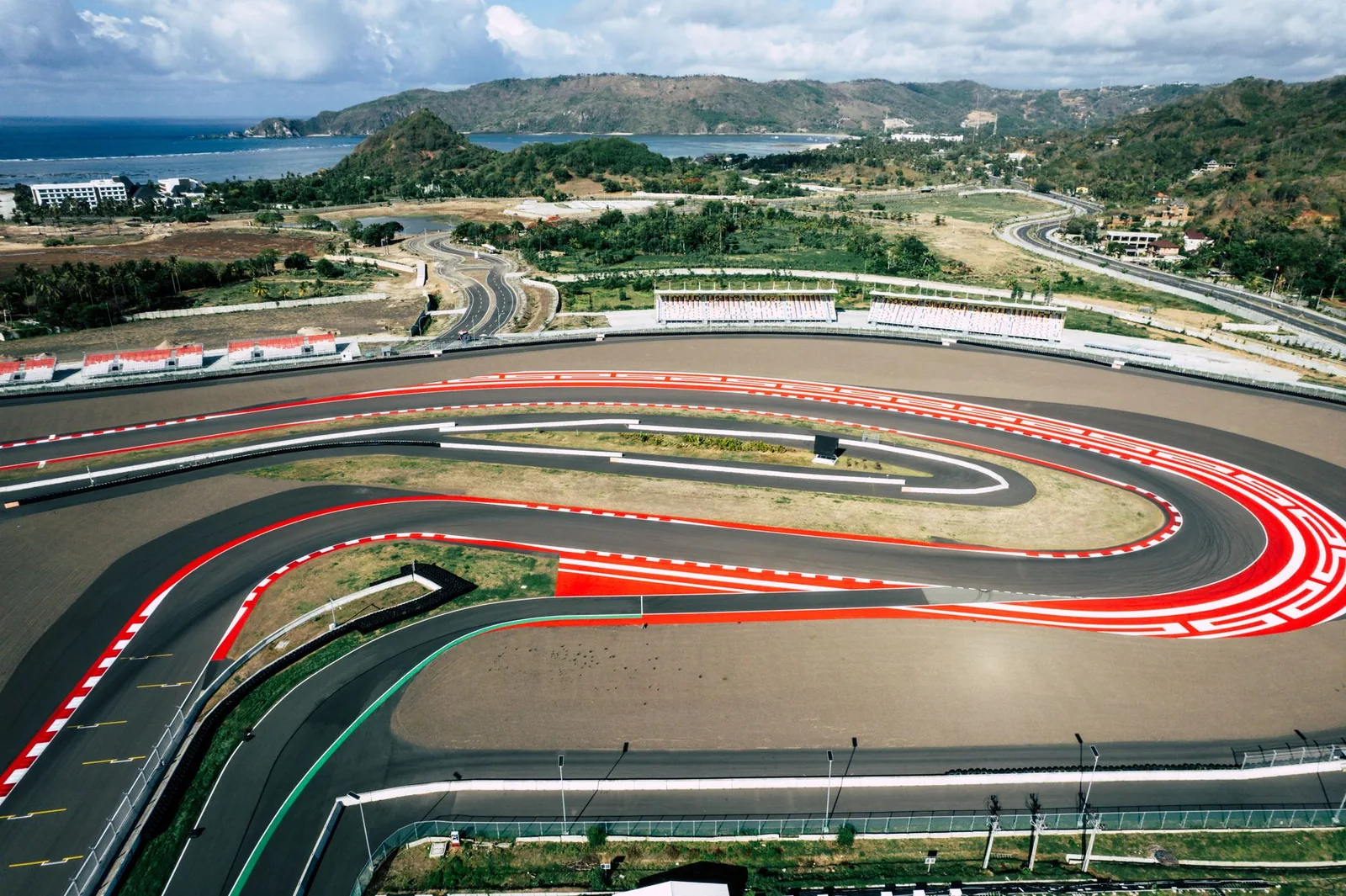
Mandalika Beach Circuit
From Kuta, combine Tanjung Aan, Merese Hill, Seger and nearby southern beaches in one coastal day. Start early to avoid the strongest heat and leave enough time for changing road or access conditions.
Sasak Culture Route
A culture-focused route can include Sade, Sukarara and, where accessible, Ende. The villages differ in emphasis, with traditional houses, weaving and local cultural interpretation among the main interests. Check Sade’s current access before departure.
Senaru Waterfalls
Travel north for Sendang Gile and Tiu Kelep, with views around the Rinjani foothills. The excursion involves a longer transfer from the south, so it is more comfortable as part of a northern stay or an organized day trip.
Tetebatu Rural Escape
Visit Tetebatu for rice fields, village paths, waterfalls and agricultural scenery. It is one of the best day trips for travelers who want to see a greener and less coastal side of Lombok.
Narmada and Mataram Heritage
Combine Narmada Park with Mataram’s markets, museums, historic sites and local food. This makes a useful culture-focused day when the weather is less suitable for a beach excursion.
Gili Island-Hopping
Boat connections can allow you to compare Gili Trawangan, Gili Meno and Gili Air, with snorkeling and beach time along the way. Confirm current boat timetables and sea conditions, and leave contingency time for delays.
Sekotong and the Southwest Islands
The southwest coast offers quieter beaches and boat excursions to small offshore islands such as Gili Nanggu. Check operators, safety standards, prices and marine conditions locally before booking.
Where to Base Yourself in Lombok
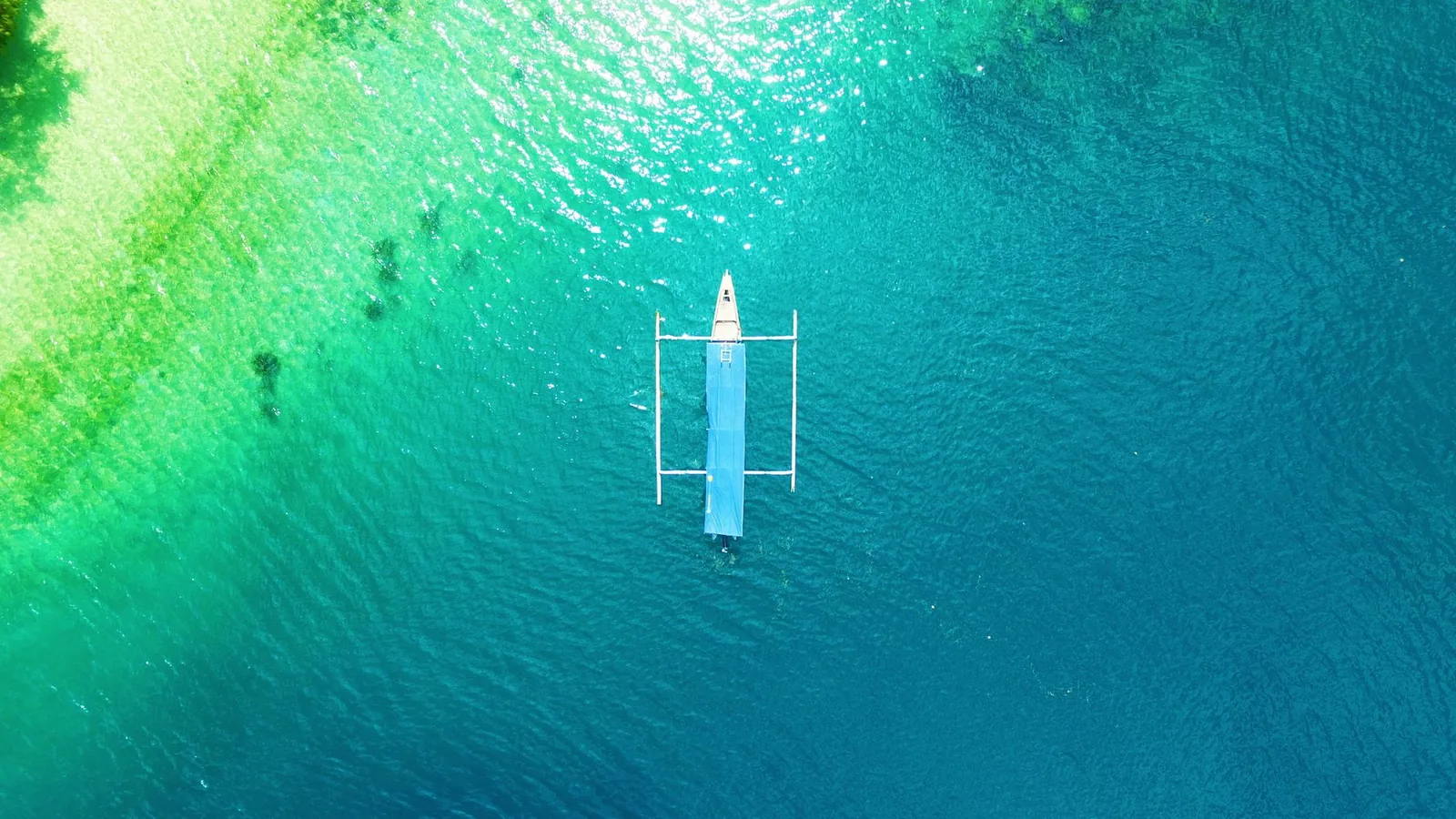
Kuta and Mandalika
Choose Kuta or Mandalika for southern beaches, surf, restaurants, Merese Hill, Tanjung Aan and the circuit. This is the most convenient base for a south-coast itinerary and works well for travelers who want a mix of beach time and day trips.
Senggigi
Senggigi is an established west-coast resort area with beaches, sunset views and a useful selection of restaurants and accommodation. It provides access toward Mataram, the northwest coast and some boat routes, although it is not the closest base for the southern beaches.
Mataram and Cakranegara
Stay in Mataram or Cakranegara for urban services, local food, markets and cultural attractions. This is a practical choice if you prefer city facilities or want to visit Narmada Park and other west Lombok sights.
The Gili Islands
Gili Trawangan suits nightlife, diving and social travel. Gili Air is a calmer all-round choice with a balance of facilities and island atmosphere. Gili Meno is best for a quieter beach stay and a more secluded feel.
Senaru and North Lombok
Senaru is the natural base for northern Rinjani routes and the Sendang Gile and Tiu Kelep waterfalls. It is a better choice than a southern resort if trekking or mountain scenery is the main purpose of your visit.
Tetebatu and East Lombok
Tetebatu is suited to rural stays, rice-field walks, waterfalls and community tourism. It is a strong option for travelers who want a greener inland setting and a break from the coast.
How to Get Around Lombok
Lombok is geographically spread out. Attractions that appear close on a map can require substantial road travel, and public transport is not designed around sightseeing connections.
Zainuddin Abdul Madjid International Airport, commonly called Lombok International Airport, is in Tanak Awu in Central Lombok Regency. The airport code is LOP. The airport lists DAMRI bus services to Mataram, Ampenan, Senggigi and Selong, but routes, operating hours and fares should be checked before travel. An official airport taxi counter is available in the domestic arrivals public hall.
A pre-arranged transfer is useful when arriving late, carrying luggage or going directly to Kuta, the Gilis, Tetebatu or northern Lombok. App-based ride availability varies outside urban areas, and it is not wise to rely on rideshare services in rural districts or on small islands.
A private car with driver is one of the most practical ways to cover several beaches, villages or waterfalls in one day. Rental cars and motorbikes are also available, but road quality, traffic, lighting, weather and local driving conditions vary. Confirm licensing, insurance, helmet provision and roadside assistance before renting a motorbike.
Walking is practical within compact resort areas such as parts of Kuta and Senggigi, and on the car-free Gili Islands. It is not practical for connecting Lombok’s regions.
Sea travel needs flexibility. Fast boats and local boats connect Bali, Lombok and the Gilis, while the Padang Bai–Lembar ferry is another option for the Bali crossing. Timetables, operators, fares and cancellations can change because of weather, maintenance, congestion, public holidays and religious events. Check close to departure and do not book a tight onward connection.
Practical Tips for Visiting Lombok
- Plan by region. South Lombok, the Gilis, Mataram and west Lombok, Tetebatu, and Rinjani or north Lombok work better as separate clusters.
- Carry Indonesian rupiah for village visits, small warungs, local boats, parking, donations and rural areas. Card acceptance is more common at hotels and larger restaurants.
- Carry water, sun protection and suitable footwear. Heat is especially intense on southern beaches and exposed hills such as Merese.
- Use only current official procedures and authorized guides or organizers for Mount Rinjani. Check quotas, route status, weather and safety notices immediately before travel.
- Dress modestly when visiting villages, mosques, temples and ceremonies. Ask before photographing people or homes.
- Do not assume boats operate in rough weather. Check same-day conditions for Gili, Sekotong and Bali–Lombok crossings.
- Protect the reefs by avoiding contact with coral, not feeding marine life and never taking shells. Choose responsible snorkeling and diving operators.
- Confirm motorbike license requirements, insurance, helmet provision and vehicle condition before accepting a rental.
- Keep plans flexible during major motorsport events, when traffic, accommodation demand and transport arrangements around Mandalika may change.
- Do not assume every beach is safe for swimming. Currents, surf, tides, reef and local conditions vary.
Frequently Asked Questions
Is Lombok a city, country or island?
Lombok is an island in Indonesia, within West Nusa Tenggara province. Mataram is the provincial capital and the island’s main urban center; it is not the name of the island.
How many days do you need in Lombok?
Five to seven days is a practical starting point for combining the south coast, one or more Gili Islands and an inland or northern area. A Mount Rinjani trek requires additional time and should not be squeezed into a short beach itinerary.
What is the best area to stay in Lombok?
Choose Kuta or Mandalika for southern beaches and surf, Senggigi for an established west-coast base, Mataram for urban services and food, Senaru for Rinjani and waterfalls, Tetebatu for rural scenery, or one of the Gilis for an island stay.
Can beginners climb Mount Rinjani?
Rinjani is a demanding high-altitude trek rather than a casual hike. Fitness, acclimatization, weather, route choice and current park rules all matter. Beginners should use an authorized guide or organizer and obtain current advice before booking.
How do you get from Bali to Lombok?
You can fly to Lombok International Airport or travel by sea. Options include the Padang Bai–Lembar ferry and fast boats serving Bali, the Gilis and Lombok. Schedules, fares, operators and weather-related disruptions must be checked close to departure.
Are the Gili Islands part of Lombok?
Gili Trawangan, Gili Meno and Gili Air are separate small islands off Lombok’s northwest coast. They are commonly included in a Lombok itinerary, but they have different atmospheres and service levels.
When is the rainy season in Lombok?
Wetter conditions are generally most common from November to March, while May to September is usually drier. April and October are often transition months, but local and yearly variation is significant. Check current forecasts for exact travel dates.
What food is Lombok known for?
Key specialties include ayam taliwang, plecing kangkung, sate rembiga, sate bulayak and beberuk terong. Lombok food is often spicy, so ask about the heat level when ordering.
Before You Go
Lombok rewards travelers who give it enough time and organize their route by region. The island is not simply a quieter substitute for Bali: it has its own mountain culture, Sasak traditions, food and coastal character.
For a first visit, combine Kuta and Mandalika with a few days on Gili Air, Gili Meno or Gili Trawangan, then add either Tetebatu, Senaru or Mataram depending on your interests. If Mount Rinjani is the priority, build the entire itinerary around the trek rather than trying to fit it between beach stops. With realistic travel days and some flexibility for weather and boats, Lombok offers an unusually varied Indonesian island escape.
Inspired? Start planning your trip.
Move from inspiration to planning with BookingTabs — explore hotels, tours and travel options in one place.

Join the conversation
Ask a question, share a travel tip, or help another traveler plan with confidence.
Leave a comment
No account or email required.