
Germany’s Most Scenic Small Towns: A Traveler’s Guide to Timeless Villages
Germany’s landscape is stitched together by small towns that preserve centuries of architecture, local craft and regional flavors. Beyond Berlin, Munich and Hamburg, quiet cobblestone streets lead to fortified castles, hilltop viewpoints and riverside vineyards. Whether you want the picture-postcard half-timber houses of Rothenburg ob der Tauber, the fairy-tale silhouette of Neuschwanstein near Füssen, or tranquil Moselle wine villages clinging to steep slopes, each town offers a focused, walkable experience. This guide highlights the most scenic towns worth adding to a slow travel itinerary, explains what to see and taste in each place, and gives practical advice on timing and travel logistics. Read on to plan a trip that favors atmosphere and discovery over rushing from one urban landmark to another.
Must-See Attractions
Rothenburg ob der Tauber: The walled medieval center is the textbook example of a Bavarian small town. Walk the preserved ramparts, visit the Market Square and climb the Town Hall tower for a panorama of red tiled roofs. The Medieval Crime Museum offers a surprising, well-curated look at law and order through the ages.
Füssen and Neuschwanstein: Füssen itself is a picturesque old town at the edge of the Alps. The nearby Neuschwanstein Castle—Ludwig II’s romantic palace—is the region’s showstopper; reserve tickets in advance. For sweeping views, cross to the Marienbrücke (Mary’s Bridge) above the Pöllat Gorge.
Bamberg: A UNESCO World Heritage town built on seven hills where the Regnitz River branches into canals. See the imperial Bamberg Cathedral, the Baroque Old Town Hall set on an island, and the smoke-flavored rauchbier at traditional breweries.
Heidelberg: The ruined Heidelberg Castle dominates the Neckar valley. Stroll the Alte Brücke (Old Bridge) and the university quarter; the Philosophenweg offers an easy uphill walk with postcard vistas of the town and river.
Rüdesheim and the Rhine Valley: Rüdesheim’s Drosselgasse is lively and narrow, set among vineyards that produce Riesling. Take a river cruise to admire the dramatic Rhine Gorge with its clustered castles—Lorelei rock is the most famous viewpoint for mythology and panoramas.
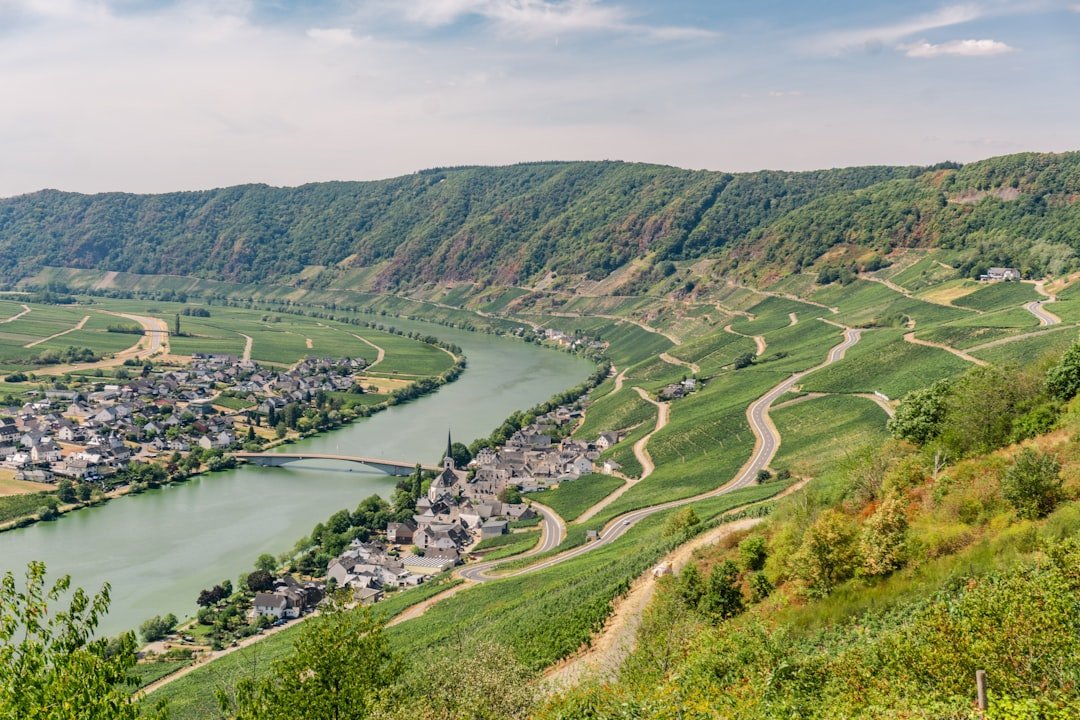
Cochem: On the Moselle River, Cochem’s Reichsburg Castle overlooks steep vineyards and a compact old town. The winding lanes and half-timber houses make it an ideal base for wine tastings and cycling along the river.
Triberg and the Black Forest: Triberg is renowned for its waterfalls—the highest in Germany—and for cuckoo clock makers. Walk the forest trails and visit the Black Forest Museum to understand the region’s craft traditions.
Quedlinburg: A well-preserved medieval town in Saxony-Anhalt with over 1,300 half-timbered houses spanning styles from the 14th to 18th centuries. The collegiate church and castle hill provide historic context and views.
Lübeck: The Hanseatic port’s Holstentor gate and brick Gothic buildings reflect the trading wealth of the Middle Ages. Wander the old town island to taste marzipan specialties at traditional confectioners.
Local Experiences
Food and drink: Each region has signature tastes. In Bavaria and Franconia expect sausages, hearty pork dishes and dumplings; Franconian towns like Bamberg pair these with local beers. Along the Rhine and Moselle, try Riesling wines at family-run vintners—many villages host tasting rooms and seasonal harvest events. In the Black Forest sample Black Forest gâteau and smoked ham (Schwarzwälder Schinken).
Markets and festivals: Seasonal markets shape town life. Christmas markets in Rothenburg, Nuremberg and Lübeck are atmospheric, with local handicrafts and spiced treats. Spring and autumn wine festivals (Weinfest) in Moselle and Rhine towns are lively, often held in village squares or vine-covered terraces.
Viewpoints and promenades: For memorable vistas, walk the Philosophenweg in Heidelberg, the Marienbrücke above Neuschwanstein, and the river promenades in Cochem and Rüdesheim. Many small towns keep walking paths along defensive walls or up to castle ruins—perfect for golden-hour light.
Neighborhoods and craft: Look for artisan shops—woodcarvers in the Black Forest, marzipan makers in Lübeck, ceramic studios in Meissen (nearby). Historic market squares are the social hubs, surrounded by cafés where you can watch daily life unfold.
Outdoor activities: Cycle the Moselle and Rhine bike paths for gentle, scenic rides between villages. Hike in the Bavarian Alps around Füssen for alpine lakes and waterfalls; in the Black Forest, waymarked trails lead to dense spruce groves, viewpoints and glacial lakes.
Best Time to Visit
Spring (April–June): Mild temperatures, blooming countryside and fewer crowds make late spring an ideal time for sightseeing and hiking. Cherry and apple blossoms add color to small-town streets.
Summer (July–August): Warmest months, vibrant outdoor festivals and extended opening hours. Tourist numbers peak in July and August, especially in Neuschwanstein, Rothenburg and the Rhine Valley. Book accommodation and major attractions early.
Autumn (September–October): Harvest season is excellent for wine towns—September sees grape harvests and lively wine festivals. Fall foliage in the Black Forest and Bavarian foothills enhances scenic drives and hikes.
Winter (November–March): Crisp, quieter months except for the Christmas season. Advent markets in towns like Rothenburg and Lübeck are atmospheric; outside of the holiday window, some small museums or seasonal boat services may be reduced.
Best months overall: May–June and September–October for a balance of pleasant weather, manageable crowds and regional events.
Essential Travel Tips
Transportation: Germany’s regional trains connect many scenic towns; use Deutsche Bahn or regional operators (e.g., Bayerische Regiobahn). Consider local day tickets—Bayern Ticket or regional offers—to save on short hops. For remote villages, buses or renting a car give greater flexibility, especially in the Black Forest and rural Moselle.
Money and payments: Cards are widely accepted in cities, but many small-town cafés, markets and wineries prefer cash. Carry at least some euros in small denominations for market stalls and public clos.
Safety: Small towns are generally safe. Standard precautions—watch belongings in crowded places and keep valuables secure—are sufficient. Emergency number for police/ambulance is 112.
Packing: Bring layered clothing—weather can change rapidly in hilly regions. Comfortable walking shoes are essential for cobbles and steep streets. If visiting river valleys in summer, pack sunscreen and a light rain jacket for sudden showers.
Local etiquette: Germans value punctuality—arrive on time for tours, train departures and restaurant reservations. Greet with a simple “Guten Tag” or “Hallo.” When entering small shops or hotels, a brief hello is customary. Recycle where bins are provided; many towns separate waste into multiple streams.
Frequently Asked Questions
Which scenic town is best for a day trip from Munich?
Füssen, near Neuschwanstein, is an excellent day trip from Munich by regional train or car. The journey takes roughly two hours each way; book castle entry times in advance to fit a day visit.
Are scenic German towns wheelchair accessible?
Accessibility varies. Major attractions like Heidelberg Castle and some museums offer accessibility options, but cobbled streets, steps and historic buildings can be challenging. Check specific attraction websites for accessibility details and plan accordingly.
Is English widely spoken in small towns?
English is commonly understood in tourism-focused businesses—hotels, restaurants, and major attractions—though levels vary. Learning a few basic German phrases is appreciated and useful in smaller family-run establishments.
How much time should I spend in a typical scenic town?
Plan at least one full day to soak in a town’s atmosphere, visit a key castle or museum, and enjoy a local meal. Two to three days allows for nearby hikes, wine tastings, or day trips to neighboring villages.
Can I combine several scenic towns in one trip?
Yes. The Rhine and Moselle valleys, Bavaria’s Romantic Road (including Rothenburg and Füssen with side trips), and the Black Forest circuit are natural groupings. Use regional trains or a rental car to connect towns efficiently.
Conclusion
Germany’s small towns reward travelers who slow down and linger. From the fairy-tale castle views near Füssen to the cobbled market squares of Rothenburg, each place presents a concentrated dose of regional history, landscape and culinary character. Plan visits around what you most want to experience—wine tastings and river cruises, alpine hikes, or centuries-old craft traditions—and allow time for wandering without a strict schedule. With sensible timing, a mix of public transport and local walking, and a readiness to sample local specialties, a tour of Germany’s scenic towns becomes a textured journey through the country’s regional identities rather than a checklist of sights.
Inspired? Start planning your trip.
Move from inspiration to planning with BookingTabs — explore hotels, tours and travel options in one place.


Join the conversation
Ask a question, share a travel tip, or help another traveler plan with confidence.
Leave a comment
No account or email required.