
Charming Spain: 8 Small Towns Worth Leaving the Cities For
Spain’s personality often lives beyond Barcelona and Madrid, in compact towns where centuries of history, regional foodways and dramatic landscapes converge. This guide visits eight of the country’s most compelling small towns — Ronda, Cadaqués, Albarracín, Cudillero, Besalú, Frigiliana, Santillana del Mar and Olite — each offering distinctive architecture, local cuisine and manageable layouts you can explore on foot. Whether you want a dramatic gorge and historic bullring, a whitewashed seaside village linked to Salvador Dalí, medieval bridges, or Renaissance palaces, these towns reward slow travel. Practical tips and seasonal advice help you plan an itinerary that balances must-see sights with authentic neighborhood experiences, markets and viewpoints that reveal why Spain’s smaller destinations remain magnetic to curious travelers.
Must-See Attractions
Ronda: Perched above a deep gorge, Ronda’s Puente Nuevo is the town’s defining sight, spanning the El Tajo ravine with dramatic views. Nearby, the 18th-century Plaza de Toros de Ronda is one of Spain’s oldest bullrings; the adjacent Mondragón Palace (Museo Municipal) offers insight into local history and Andalusian gardens.
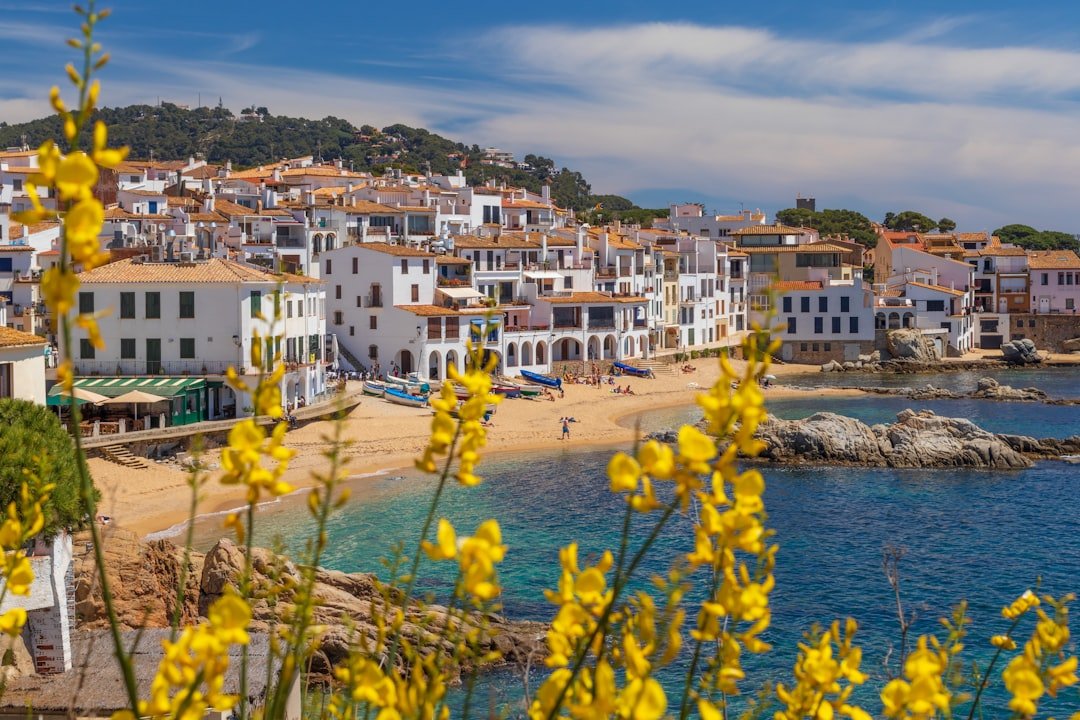
Cadaqués and Portlligat: The crescent bay and narrow white streets of Cadaqués are picturesque in themselves. A short walk from town, the Salvador Dalí House-Museum in Portlligat preserves the surrealist artist’s studio and seaside home — a major draw for art lovers (book tickets in advance).
Albarracín: This hilltop town in Aragon is famed for its terracotta-colored houses, winding lanes and remnants of medieval city walls. The layout and preserved facades create an atmospheric medieval core that’s ideal for photography and quiet exploration.
Cudillero: On Asturias’s rugged coast, Cudillero is a compact fishing village of sloping streets lined with colorful houses overlooking a small harbor. The waterfront promenades and views from the upper miradores showcase Asturias’s dramatic seascapes.
Besalú: The medieval stone bridge (Pont Vell) defines Besalú and leads into an immaculately preserved historic center. Visit the Romanesque-style Church of Sant Pere, remnants of fortifications and a rare 12th-century Jewish mikveh in the town’s historic quarter.
Frigiliana: One of Andalusia’s prettiest white villages, Frigiliana’s Moorish quarter (Barribarto) is a maze of tiled stairways and whitewashed facades often decorated with ceramic plates and flowers. Panoramic viewpoints above the town reward visitors with sweeping views toward the Mediterranean.
Santillana del Mar: Known as “the town of three lies” (it’s neither holy, flat nor by the sea), Santillana del Mar is celebrated for the Colegiata de Santa Juliana, a Romanesque collegiate church. Nearby is the Altamira complex: the Cave of Altamira (replica access via the museum in Santillana) is essential for prehistoric art enthusiasts.
Olite: In Navarre, Olite’s Royal Palace (Palacio Real) is a flamboyant medieval-Renaissance complex that once hosted grand royal courts. The palace’s towers and courtyards make it a highlight of northern Spain’s heritage.
Local Experiences
Food and drink: Taste regional specialties in each town. In Ronda, try oxtail stew (rabo de toro) or dishes featuring local jamón and Andalusian cheeses. Asturias’s Cudillero is seafood-forward — anchovies, grilled fish and cider (sidra) are central. In Navarre near Olite, explore local wines at small bodegas and sample hearty Navarra cuisine.
Markets: Many towns host weekly markets selling produce, cured meats and artisan goods. Besalú’s market days spotlight Catalan cheeses and charcuterie; in Frigiliana, look for local honey, olive oil and almond sweets.
Viewpoints and walks: Ronda’s Mirador de Aldehuela frames the gorge, while steps above Cudillero reveal postcard panoramas of the harbor. Besalú pairs its bridge with riverside paths; Albarracín’s city walls offer elevated views across the valley. For a longer walk, Sierra de Tejeda and the nearby mountains around Frigiliana provide scenic trails down to the coast.
Neighborhoods and streets: Wander without a plan. Cadaqués’ narrow lanes lead to hidden coves; Santillana del Mar’s cobbled streets are lined with stone houses and artisan shops. Frigiliana’s Moorish quarter is made for aimless strolling, with tilework, niches and floral displays.
Festivals and cultural life: Small towns often host lively local festivals. Ronda’s Feria de Pedro Romero (bullfighting fair) and processions in many towns during Semana Santa reflect deep local traditions; check municipal calendars to time visits around festivals, which offer music, food and community rituals.
Outdoor activities: Sea kayaking off the Costa Brava near Cadaqués, coastal hikes in Asturias, and vineyard visits around Olite let you pair culture with active exploration. Local tour operators and visitor centers in these towns can arrange guided hikes and tastings.
Best Time to Visit
Spring (April–June): Widely the best window for small-town Spain. Temperatures are mild, landscapes are green, and crowds are manageable compared with peak summer. Flowering seasons accentuate white villages and coastal walks.
Summer (July–August): Coastal towns like Cadaqués and Cudillero are lively and warm — ideal for beachgoers — but expect higher prices and busier streets. Inland destinations such as Ronda and Olite can become very hot, especially in July and August.
Autumn (September–October): A favorite for wine and food travel. Harvest activities around Olite and cooler temperatures make walking comfortable; autumn light also flatters medieval stone and white façades.
Winter (November–March): Winters are quiet and often peaceful. Coastal Asturias has milder winters but frequent rain; mountain and inland towns can be chilly. If you prefer solitude and lower prices, winter is a valid choice, though some seasonal services may reduce hours.
Crowds and months: To avoid crowds, target mid-April–June or September–early October. If attending specific festivals, book accommodations well in advance.
Essential Travel Tips
Getting around: Renting a car offers the most flexibility for reaching multiple small towns and stopping at viewpoints. Be prepared for narrow, cobbled streets and limited parking in historic centers; park in designated lots and walk into the core. Regional trains and buses link many towns—check schedules in advance for less-frequent rural services.
Money and payments: Spain uses the euro. Small businesses and markets sometimes prefer cash, so carry modest notes and coins. Major towns have ATMs; in tiny villages, bring enough cash for meals and souvenirs.
Safety: These towns are generally safe. Standard precautions—watch belongings in crowded areas, lock bikes, and avoid leaving valuables visible in parked cars—apply. If hiking or walking in remote areas, tell someone your route.
Packing: Bring comfortable walking shoes for cobbles and steps, a light rain layer for coastal or mountainous areas, and sun protection in summer. If you plan wine or cider tastings, a lightweight jacket for cooler cellar temperatures is useful.
Local etiquette: Greet shopkeepers and residents with a friendly “buenos días” or “buenas tardes.” Mealtime rhythms can vary; dinner often starts later in Andalucía. Tipping is modest—round up or leave 5–10% in restaurants if service is good.
Frequently Asked Questions
Which of these towns is easiest to reach from a major city?
Ronda is accessible from Málaga by bus or car in about 1.5–2 hours; Cadaqués is reachable from Barcelona by car in roughly 2–2.5 hours, though it involves winding coastal roads. Olite is a short drive from Pamplona.
Are these towns suitable for day trips or better for overnight stays?
Many towns can be visited as day trips from nearby cities, but staying overnight lets you experience evenings, early mornings and quieter hours after day-trip crowds leave.
Do I need to book tickets in advance for sites like the Dalí House?
Yes. The Salvador Dalí House-Museum in Portlligat has limited capacity; booking online in advance is recommended, especially in high season.
Are these towns family-friendly?
Generally yes. Families can enjoy easy-paced walks, beaches near Cadaqués and Cudillero, and museum visits such as the Altamira replica in Santillana del Mar. Narrow streets and steps mean strollers may be awkward in some historic cores.
Can I taste local wines and ciders in small towns?
Yes. Navarra around Olite offers winery visits, and Asturias around Cudillero features cider houses where you can sample poured sidra. Many towns have small bars and bodegas showcasing regional products.
Conclusion
Small towns reveal Spain’s regional diversity in concentrated, walkable packages: dramatic gorges in Ronda, Dalí’s coastal inspiration in Cadaqués, medieval stonework in Besalú and Albarracín, maritime charm in Cudillero, and culinary and wine traditions around Olite and Frigiliana. Visit slowly, favoring local markets, viewpoints and neighborhood cafés, and you’ll discover the rhythms and flavors that define each place. With a bit of planning around seasons and transport, these towns are ideal for travelers who want cultural depth without the crowds of Spain’s largest cities.
Inspired? Start planning your trip.
Move from inspiration to planning with BookingTabs — explore hotels, tours and travel options in one place.


Join the conversation
Ask a question, share a travel tip, or help another traveler plan with confidence.
Leave a comment
No account or email required.