
Ljubljana Travel Guide
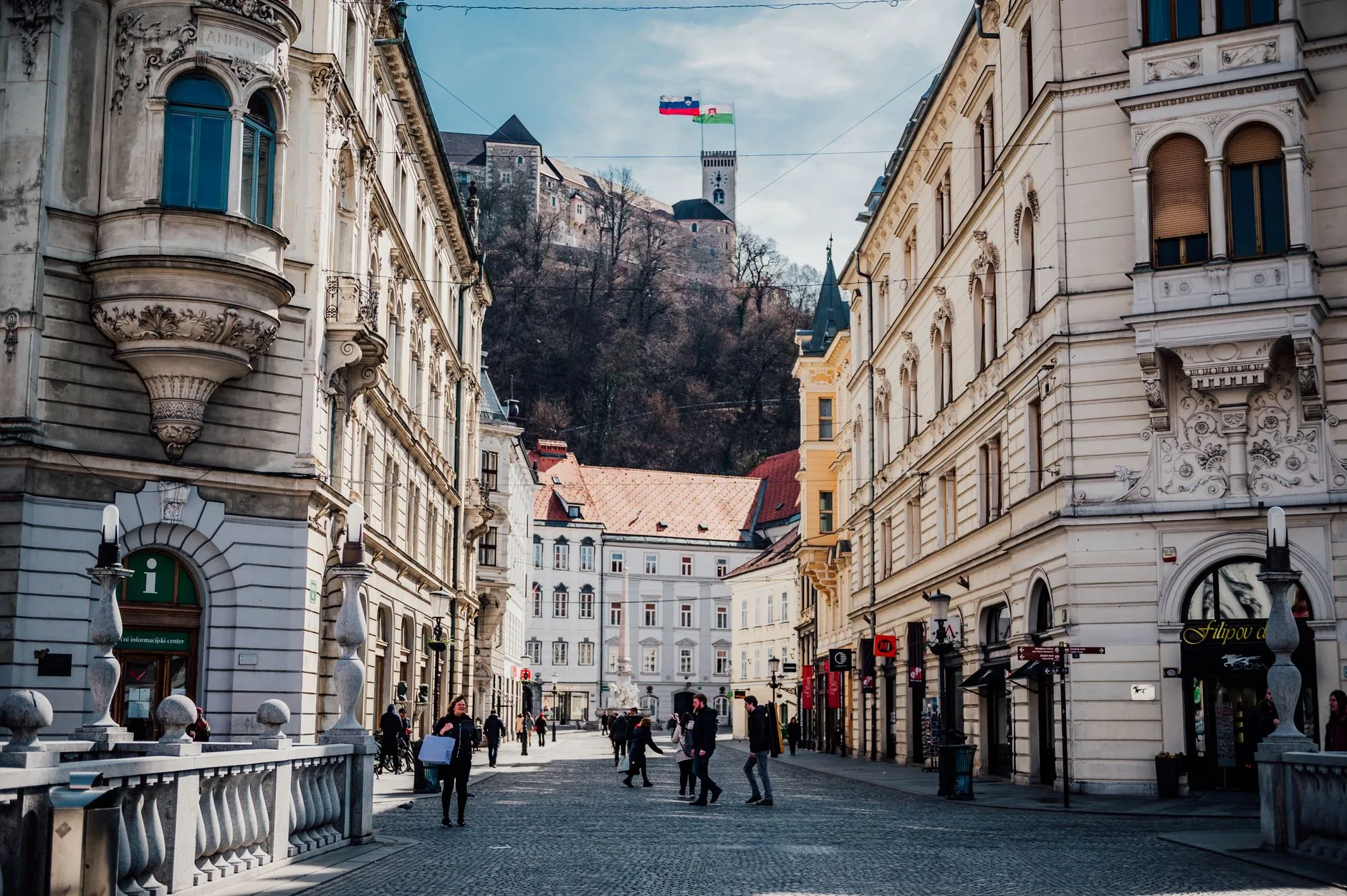
Ljubljana is one of Europe’s easiest capitals to explore. Its historic center is compact and largely pedestrianized, with the Ljubljanica River, Central Market, distinctive bridges and Ljubljana Castle all within a manageable walking itinerary. Beyond the old town, museums, parks, cultural quarters and residential neighborhoods give the city more depth than a quick stopover suggests. Allow two or three full days for the main sights, and add extra time if you want to use Ljubljana as a base for Lake Bled, Postojna Cave, the Alps or the Slovenian coast.
What Makes Ljubljana Special
Ljubljana works particularly well for first-time visitors to Slovenia because it combines the atmosphere of a historic capital with straightforward logistics. You can walk between major landmarks, take a bus when needed and reach a wide range of national attractions without changing hotels every night.
The city’s most distinctive feature is its architecture. Jože Plečnik reshaped Ljubljana’s bridges, embankments, market colonnades and public spaces, creating an urban landscape that feels coherent rather than monumental for its own sake. His selected works in Ljubljana, together with those in Prague and Vienna, were inscribed on the UNESCO World Heritage List in 2021.
There is also a pleasing balance between city and nature. Tivoli Park reaches toward the center, river paths invite an unhurried stroll and Castle Hill provides a wooded escape above the rooftops. Ljubljana is a strong choice for architecture and design enthusiasts, food travelers, museum visitors, couples, families and independent travelers looking for a manageable European city break.
Best Things to Do in Ljubljana
Planning your activities? Compare tours and activities for Ljubljana on BookingTabs.
Explore the Old Town and Prešeren Square
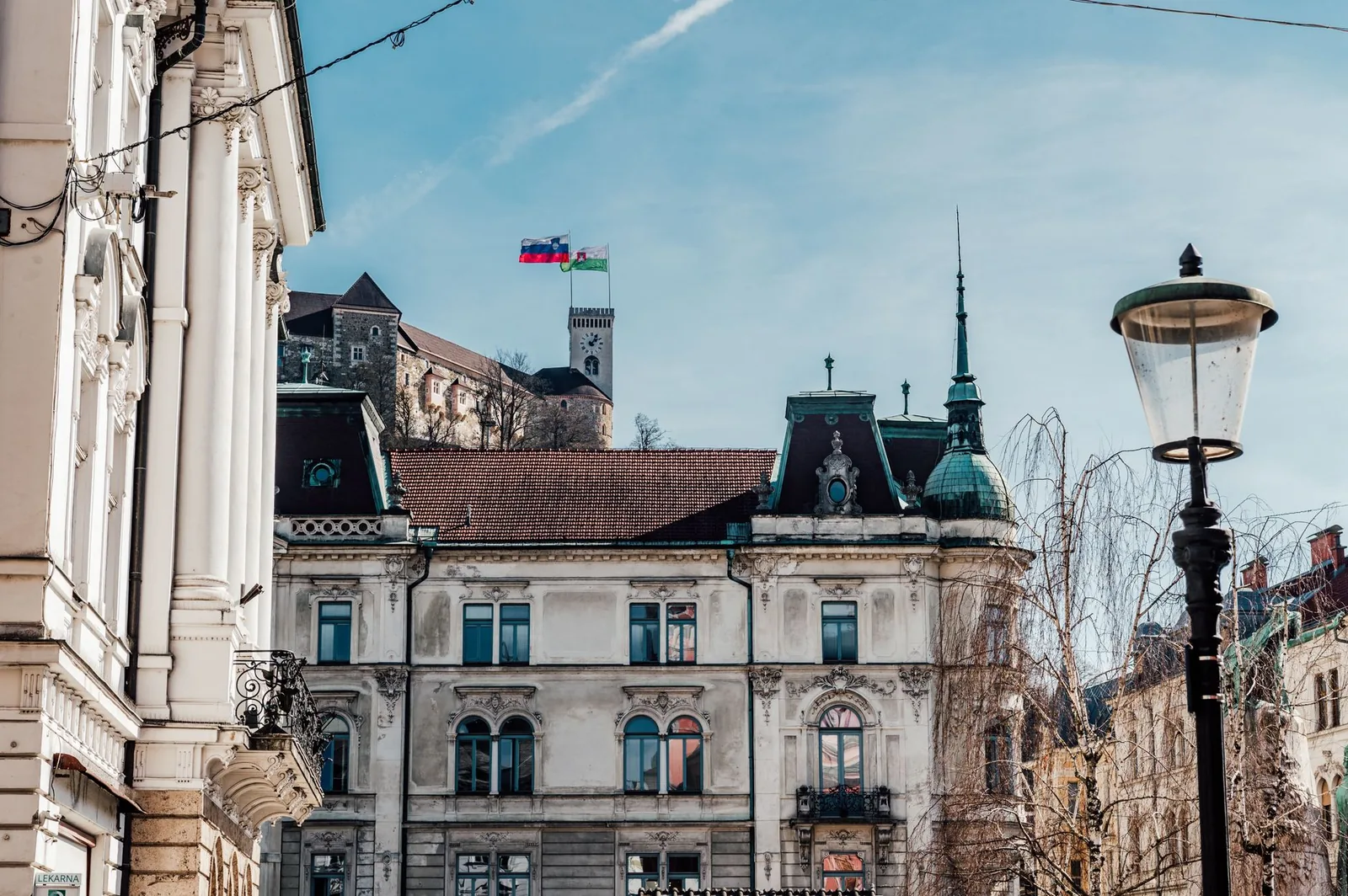
Start at Prešeren Square, the principal meeting point in Ljubljana’s historic center. The square is marked by the monument to poet France Prešeren and the pink Franciscan Church of the Annunciation. From here, the Triple Bridge leads across the Ljubljanica toward the Central Market and the old-town streets.
Continue through Mestni trg and Stari trg, where historic buildings, cafés, small shops and restaurants line the pedestrian streets. Gornji trg, one of the oldest parts of the old town, is generally quieter and has a stronger association with design, crafts and local cultural venues.
The center is at its most enjoyable when explored without a strict schedule. Look beyond the headline sights for details in the façades, riverside arcades and small squares. Much of this area is closed to car traffic, making it especially comfortable for walking.
See Ljubljana Castle
Ljubljana Castle occupies the hill above the city and is the capital’s defining landmark. The complex has a history stretching back approximately 900 years and now includes historical exhibitions, a viewing tower, the Museum of Puppetry and audiovisual experiences.
You can walk up Castle Hill or use the funicular from the lower station near Krek Square. The uphill route is worthwhile for the greenery and changing views, while the funicular is useful when time, mobility or weather makes the climb less appealing. From the castle, the viewing areas open across Ljubljana and toward the surrounding landscape.
Opening hours, funicular operation, ticket prices and last admission rules vary, so check the castle’s official information before setting out. Avoid arriving just before closing: the castle states that the last ticket purchase can be up to one hour before closing.
Compare the Triple Bridge and Dragon Bridge
The Triple Bridge is one of Ljubljana’s most recognizable urban spaces. Plečnik transformed an older central bridge by adding two pedestrian side bridges between 1929 and 1932. The result links Prešeren Square with the market area and works as both a crossing and a public gathering place.
A short walk east brings you to Dragon Bridge, an Art Nouveau reinforced-concrete bridge completed in 1901. Four dragon statues stand at its corners, making it an easy landmark to combine with the market and a walk along the river.
Both bridges are public spaces with no standard admission ticket. Visit them in daylight for architectural detail, then return after dark if you want to see the riverfront in a different mood.
Walk the Ljubljanica River
The Ljubljanica is Ljubljana’s main visual and social axis. Plečnik’s embankments, bridges, riverside terraces and market buildings give the river a strong sense of place, while cafés make it easy to pause along the route.
A simple walk can connect Prešeren Square, the Triple Bridge, the market, Dragon Bridge and the quieter sections south of the center. Seasonal boat cruises offer another perspective on the bridges and embankments. SUP and kayaking may also be available depending on the operator and time of year, but current departures and operating conditions should be checked in advance.
Visit the markets
Ljubljana Central Market combines open-air sections, a covered market and Plečnik’s riverside colonnade. It is the best place in the city to browse Slovenian produce and everyday specialties, including bread, pastries, cheeses, cured meats, honey, oils and other regional products.
If your visit falls on a Friday between mid-March and the end of October, look for Open Kitchen at Pogačarjev trg. This seasonal food market normally brings together restaurants serving Slovenian and international dishes. Weather can lead to cancellations, so confirm the schedule on the day or shortly before your visit.
Spend time in Tivoli Park
Tivoli Park is Ljubljana’s principal central green space and a useful change of pace after the old town. Paths lead through lawns and wooded areas, while museums and galleries make the park a natural part of a culture-focused itinerary.
The International Centre of Graphic Arts is located in Tivoli Park, and the National Gallery is nearby. You can combine the park with an afternoon of art, or simply use it for a longer walk away from the busiest streets.
Discover Ljubljana’s museums and galleries
The National Gallery of Slovenia covers Slovenian and European art from the High Middle Ages through the 20th century, including Slovenian Impressionism. It is a good choice when you want an overview of the country’s artistic heritage.
The National Museum of Slovenia focuses on archaeology, history and cultural heritage, with collections that include material connected to the Neanderthal flute and other important discoveries. Check current exhibition details and opening days before visiting, as museums do not all follow the same schedule.
The Museums Quarter around Tabor and Metelkova adds a more contemporary dimension. Institutions in the former barracks area include the Museum of Contemporary Art Metelkova and the Slovene Ethnographic Museum. Nearby Metelkova Mesto is known for alternative culture, street art and nightlife. Its character changes considerably between daytime museum visits and evening events.
Understand Plečnik’s Ljubljana
Ljubljana becomes more interesting once you recognize how much of the city was shaped by Plečnik. The Triple Bridge, market colonnades, river embankments and other public spaces are not isolated monuments; they form a connected approach to urban design.
Plečnik House, the architect’s former home and studio, provides useful context. If it is a priority, reserve a tour slot ahead of time, as availability can be limited. A guided architecture walk can also help explain how the bridges, market, library, embankments and public spaces relate to one another.
Choose a family-friendly museum
The House of Illusions is an interactive museum with optical illusions, holograms, a vortex tunnel and perception-based rooms. It is a practical option for families or for a rainy-weather itinerary. Opening hours and admission prices can change, so verify current details before visiting.
Best Areas to Stay in Ljubljana
Old Town and the riverfront
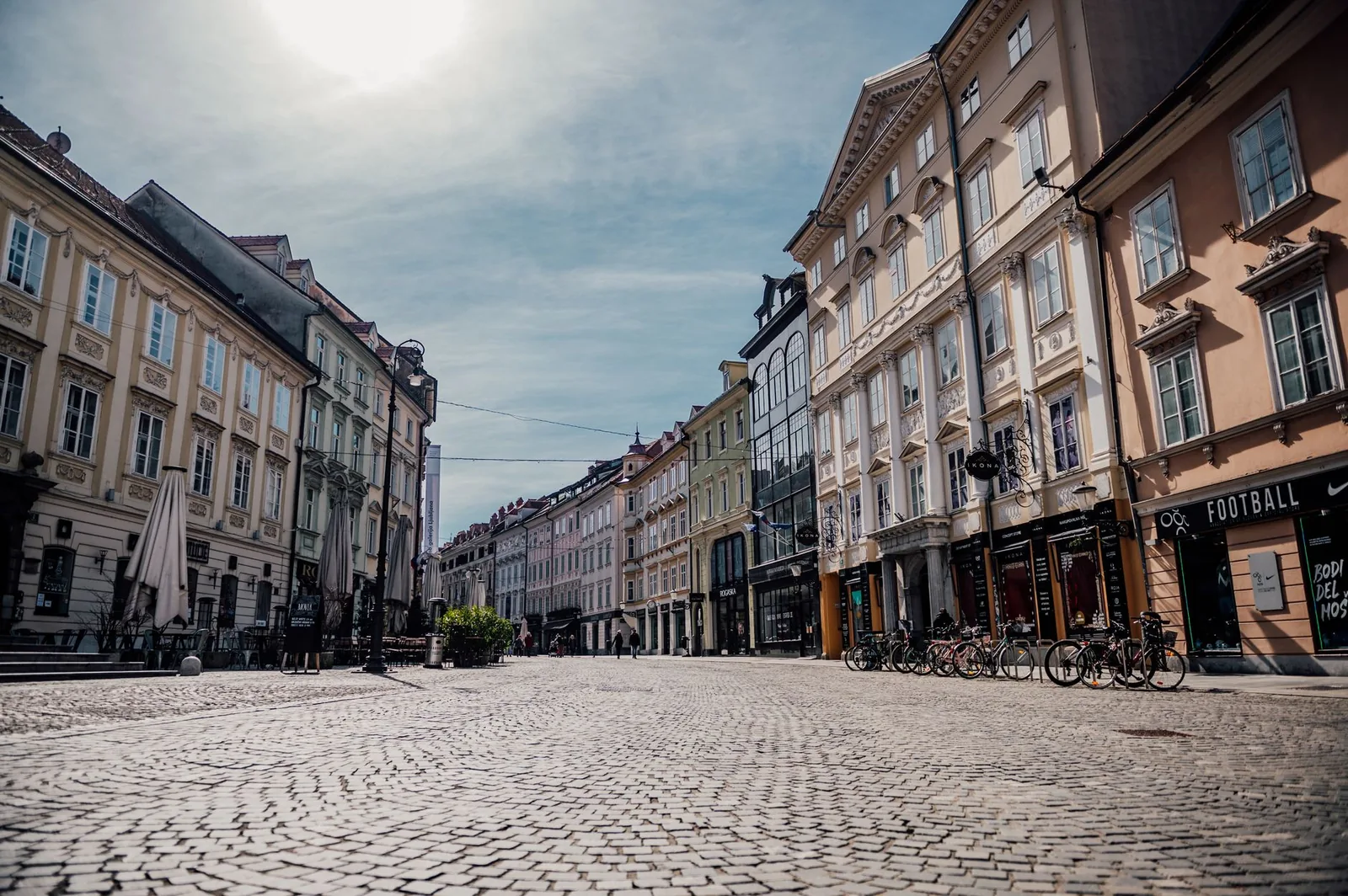
This is the most convenient base for a first visit. You will be close to Prešeren Square, the Ljubljanica, the Triple Bridge, Central Market, Dragon Bridge and the castle route. It is particularly practical if you want to walk out for breakfast, return during the day and dine near the river in the evening.
Castle Hill
Castle Hill is more an area for atmosphere than a conventional accommodation district. Staying nearby puts you close to the castle and old town, but the slopes can make luggage and daily walking less convenient. Check the exact position carefully before booking.
Krakovo and Trnovo
South of the center, Krakovo and Trnovo offer a more residential setting associated with gardens, river walks and Plečnik’s architecture. The Plečnik House is here, and the areas remain within walking distance of the historic core while feeling less concentrated around the main squares.
Tabor and the Museums Quarter
Tabor is useful for travelers who want museums, cultural venues and local residential streets within easy reach of the center. It also provides convenient access to Metelkova and the institutions around the former barracks.
Metelkova and Moste
This side of the city suits travelers interested in contemporary culture, street art, multicultural food and a more alternative atmosphere. It is less traditional than the old town and may be livelier around events and nightlife. Check the immediate surroundings and evening atmosphere before choosing accommodation.
Šiška
Šiška is a good option for repeat visitors or anyone interested in contemporary music and culture. Kino Šiška Centre of Urban Culture is the area’s best-known cultural venue. It is farther from the principal old-town sights, so confirm the bus connection or be prepared for longer walks.
What to Eat in Ljubljana
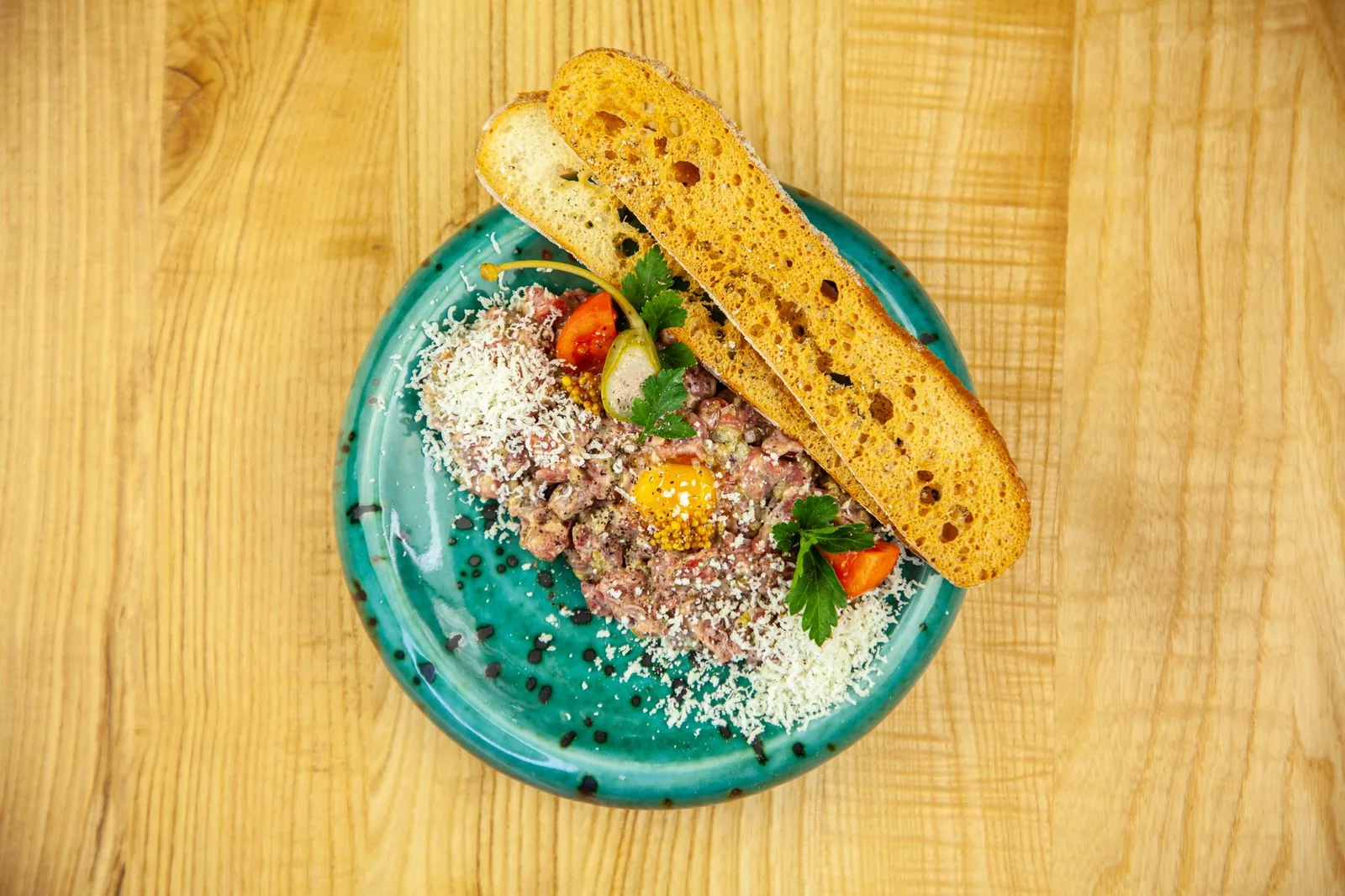
Ljubljana is a good place to sample food from across Slovenia alongside dishes associated specifically with the capital and Central Slovenia. Look for Ljubljana schnitzel, Ljubljana goulash, Flying Žganci, Vodnik Salad, štruklji and tarragon potica. Availability depends on the restaurant and season.
Štruklji are rolled or stretched dough filled with sweet or savory ingredients and served boiled or baked. Potica is a rolled yeast cake; fillings include walnut, tarragon, poppy seed and chocolate. Tarragon potica has a particular association with Ljubljana and the surrounding region.
Carniolan sausage is a Slovenian specialty widely available in the city, often served with mustard, horseradish or traditional sides. For casual eating, try burek, ćevapčiči and other Balkan-influenced street foods found in bakeries and late-night venues.
The Central Market is useful for produce, cheeses, cured meats, bread, pastries, honey, oils, wine and other Slovenian products. Slovenian wines from the country’s different wine regions are well represented in restaurants and tasting experiences, while local breweries contribute to the city’s beer scene.
Weather and the Best Time to Go
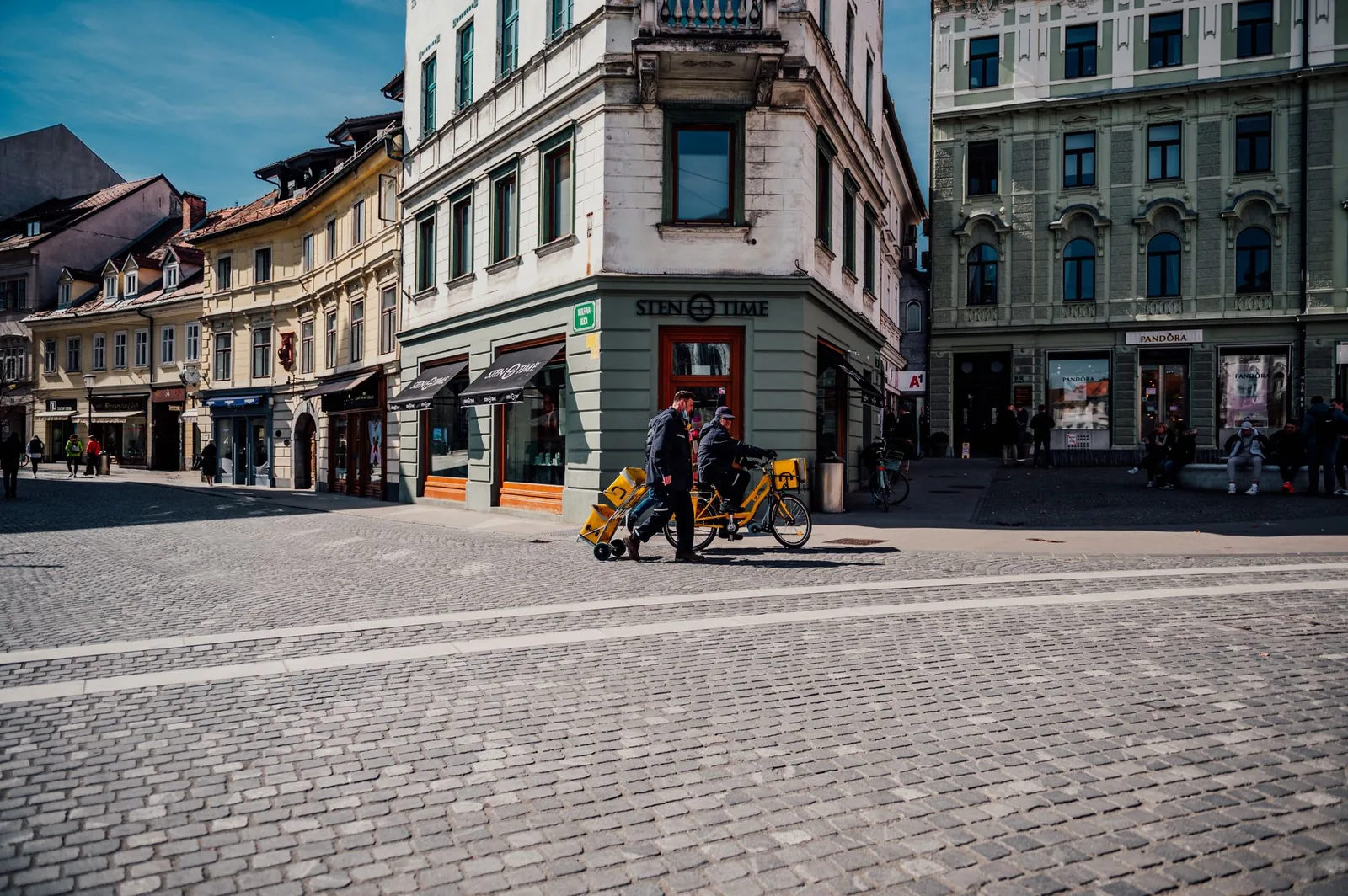
Ljubljana is a year-round destination, but late spring through early autumn generally offers the widest choice of outdoor activities, riverfront dining, events and day trips. Weather remains variable, so check forecasts and attraction calendars rather than relying only on seasonal averages.
Spring is a good time for walking, parks and markets. Outdoor food events usually return during this period, including the normal start of Open Kitchen in mid-March, subject to weather and schedule changes.
Summer suits riverfront terraces, boat trips, cycling and outdoor cultural programming. It can also bring higher visitor demand, so confirm attraction hours, event dates and transport arrangements before booking.
Autumn is well suited to museums, architecture and food-focused travel, with seasonal produce appearing in markets. Later in the season, some outdoor events and activities may be reduced.
Winter works best for museums, cafés, architecture and the castle. Days are shorter, and some seasonal or outdoor attractions may operate reduced schedules. Central Slovenia has a continental climate; official tourism information gives average national temperatures of around 21°C in July and 0°C in January, but conditions can vary.
Transport in Ljubljana
Walking is the best way to experience central Ljubljana. The old town, riverfront, bridges, market and many major sights are close together, while a large part of the center is closed to car traffic. Comfortable shoes are essential because Castle Hill and some routes beyond the center involve slopes or uneven surfaces.
For longer journeys, LPP operates the city bus network. Tickets and payment options include the Urbana card and Urbana mobile app. Fares, transfer rules and accepted payment methods can change, so check the latest LPP information rather than relying on an old guide.
Cycling is another practical option, particularly for river routes and neighborhoods outside the center. Taxis are available in the city and at the airport; confirm the operator and current fare when booking.
A car is usually unnecessary for a central Ljubljana itinerary. It can be useful for rural excursions, mountain areas and places with limited public transport, but check parking arrangements, pedestrian-zone access and current traffic restrictions before driving into the city.
Arriving from Ljubljana Airport
Ljubljana Jože Pučnik Airport, code LJU, is approximately 26 kilometres from central Ljubljana and around a 20-minute drive in normal conditions. A regular public bus connects the airport with Ljubljana’s central bus and railway station. Tickets can be bought on board or at the airport machine.
Shuttle services, taxis and rental cars are also available. The airport does not have a railway connection. Bus departure times can be affected by traffic, weather and operational changes, so check the current timetable shortly before travel. A pre-booked transfer can be useful for late arrivals, groups or travelers with substantial luggage.
Which Ljubljana experience would you most want to have first?
Best Day Trips from Ljubljana
Lake Bled
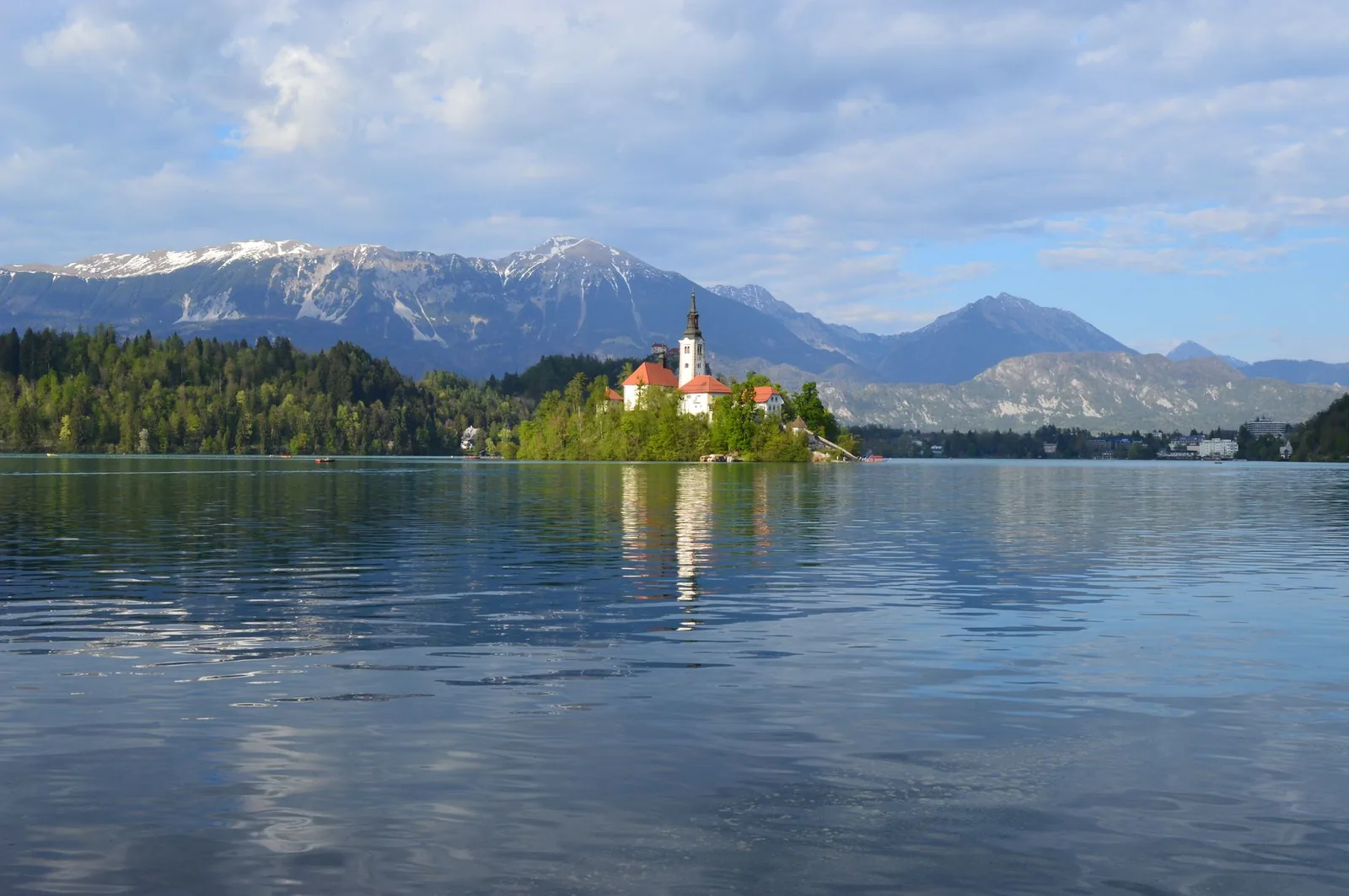
Lake Bled is the classic excursion from Ljubljana, with an island church, Bled Castle, boat trips and the traditional Bled cream cake. It is a straightforward choice for a first trip beyond the capital. Check current bus, tour and attraction schedules before traveling.
Postojna Cave and Predjama Castle
Postojna Cave offers an underground experience that includes a cave train, while Predjama Castle is built into a cliff near the cave system. The two attractions are frequently combined on organized excursions, making this a practical option without a rental car.
Lake Bohinj and Triglav National Park
Bohinj is the stronger choice for a nature-focused day, with a glacial lake, mountain scenery and access to Triglav National Park. Travel times and hiking conditions vary significantly by season. Check the weather carefully and avoid treating mountain conditions like those in the city.
Velika Planina
Velika Planina is a high mountain pasture known for Alpine scenery and preserved herdsmen’s traditions. Cable-car operation and hiking conditions are seasonal, so verify the current arrangements before committing to the excursion.
Lipica
Lipica is associated with the Lipizzaner horse breed and the Karst landscape. Visitor programs and performance schedules change, so plan ahead if the stud farm is the main reason for your visit.
Maribor
Slovenia’s second city offers an urban contrast to Ljubljana and sits among vineyards. It is known for the Old Vine in the city center. Check rail and road schedules for your intended date.
Piran and the Slovenian coast
Piran provides a marked change of scenery: a medieval Venetian-influenced town on the Adriatic coast. You can also consider nearby Sečovlje Salina Nature Park, where salt-making heritage is part of the experience. The coast is a long journey compared with Bled, so an overnight stay may be more comfortable.
The Soča Valley
The emerald Soča River, mountain scenery, rafting and kayaking make the valley appealing to outdoor travelers. It is a long day trip from Ljubljana and may be better suited to an overnight visit, especially if you want time for activities rather than a brief viewpoint stop.
Practical Tips for Visiting Ljubljana
- Plan central sightseeing on foot and use LPP buses for longer connections.
- Check Ljubljana Castle’s current hours, ticket information and funicular status before visiting.
- Confirm that Open Kitchen is operating on the Friday of your visit; bad weather can cancel it.
- Reserve Plečnik House in advance if you want a tour.
- Compare the Ljubljana Card with individual attraction tickets based on your actual itinerary and the current terms.
- Check airport bus times and fares shortly before arrival.
- Book day-trip transport or organized excursions ahead during weekends and peak periods.
- Check museum closure days individually rather than assuming all institutions share a schedule.
- Avoid driving into the historic center without checking access and parking rules.
- Remember that Slovenia uses the euro. Slovenian is the official language, and Central European Time applies, with seasonal summer time.
- Bring layers and comfortable footwear. Weather can affect river activities, mountain trips and outdoor markets.
Common Questions About Ljubljana
How many days do you need in Ljubljana?
Two to three full days are suitable for the principal sights, museums, market, riverfront, castle and selected neighborhoods. Add at least one extra day if you want a major excursion such as Lake Bled or Postojna Cave.
Is Ljubljana walkable?
Yes. The historic center and most headline sights are well suited to walking, and much of the center is closed to car traffic. Use buses, bicycles or taxis for longer distances and outlying neighborhoods.
What is the best way to get from Ljubljana Airport to the city?
The regular public bus connects Ljubljana Airport with the central bus and railway station. Shuttles, taxis and rental cars are also available. The airport has no railway connection, and current timetables and fares should be checked before travel.
Is the Ljubljana Card worth buying?
It can be useful if you plan to visit several included attractions and use city buses. Its value depends on the current price, validity period and inclusions, so compare the card with the cost of individual tickets for your itinerary.
What food should you try in Ljubljana?
Try local choices such as Ljubljana schnitzel, Ljubljana goulash, Flying Žganci, štruklji, tarragon potica, Carniolan sausage and Vodnik Salad. Menus and seasonal availability vary between restaurants.
When is Open Kitchen held in Ljubljana?
Open Kitchen normally operates on Fridays from mid-March until the end of October at Pogačarjev trg. Bad weather can cause cancellations, so confirm the current event schedule before relying on it.
Can Ljubljana be used as a base for Lake Bled or Postojna Cave?
Yes. Both are commonly visited from Ljubljana by public transport or organized excursion. Check current transport, tour and attraction schedules for your travel date.
Before You Go
Ljubljana rewards travelers who slow down enough to notice how the city fits together. The castle, market, bridges and riverfront provide an easy first itinerary, while Plečnik’s architecture, Tivoli Park, museums and cultural quarters add substance beyond the postcard views. With excellent access to Alpine lakes, caves, vineyards, the coast and historic towns, Ljubljana is both a satisfying city break and one of Slovenia’s most practical bases.
Inspired? Start planning your trip.
Move from inspiration to planning with BookingTabs — explore hotels, tours and travel options in one place.
Join the conversation
Ask a question, share a travel tip, or help another traveler plan with confidence.
Leave a comment
No account or email required.