
Quintessential Austrian Villages for a Scenic Itinerary
Austria’s cities draw crowds, but the country’s true character often reveals itself in small villages tucked into valleys, perched on lakeshores, or clustered beneath jagged peaks. These compact settlements combine centuries-old architecture, local traditions and dramatic natural backdrops—perfect for a relaxed itinerary that balances outdoor activities with culture and regional food. From the mirror-like Hallstätter See to the apricot orchards of the Wachau, each village offers its own rhythm: morning markets, church bells, and viewpoints that reward a short climb. Whether you have a weekend or a longer trip, including a handful of Austria’s picturesque villages transforms travel into a sequence of intimate discoveries rather than a checklist of monuments.
Must-See Attractions
These villages are compact but rich in sights that reveal their history and landscape.
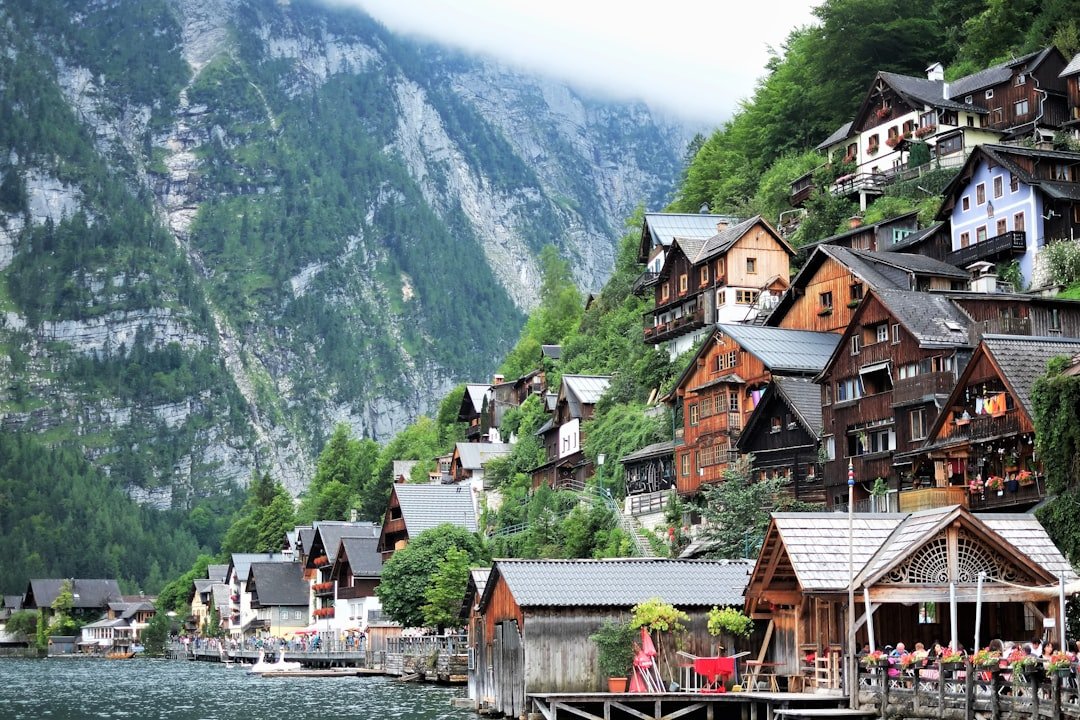
- Hallstatt: Wander the lakeside promenade and visit the Hallstatt Museum to trace 7,000 years of settlement tied to salt mining. Ride the cable car to the Hallstatt Skywalk for panoramic views and explore the ancient Salzbergwerk (salt mine) with its wooden slides.
- St. Wolfgang am Wolfgangsee: See the Gothic pilgrimage church with the famous Pacher altar and follow the lakeside paths. Take the SchafbergBahn cog railway up to Schafberg summit for sweeping views across the Salzkammergut lakes.
- Dürnstein (Wachau Valley): Stroll the baroque streets to the blue-and-white tower of Dürnstein’s parish church. Hike to the castle ruins above town, where Richard the Lionheart was once held, and cruise a stretch of the Danube to appreciate the terraced vineyards.
- Alpbach: Admire the uniform wooden architecture and floral balconies that earned Alpbach the title of Austria’s most beautiful village; explore nearby hiking trails that open onto alpine meadows and panoramic mountain views.
- Heiligenblut: Visit the 14th-century pilgrimage church with the Gothic spire set beneath Austria’s highest peak, the Grossglockner. Drive (or take sections of) the Grossglockner High Alpine Road to experience high alpine scenery and glacier vistas.
Best Time to Visit
Timing your visit depends on whether you prioritize weather, outdoor activities or avoiding crowds.
- Late spring (May–June): Flowers and alpine meadows are at their best, waterfalls swell from snowmelt, and temperatures are mild. This is a great time for hiking and photography with fewer visitors than midsummer.
- Summer (July–August): Warmest weather ideal for swimming, lake activities and mountain huts. Expect peak tourist numbers, especially at Hallstatt and St. Wolfgang. Book accommodations early if traveling in July and August.
- Early autumn (September–October): Harvest season in the Wachau means grape and apricot festivals; foliage adds color to mountain landscapes. Days remain pleasant but shorter, and many villages feel less crowded.
- Winter (December–March): Alpine villages like Alpbach and Heiligenblut become winter sports hubs; Advent markets lend a festive atmosphere. Some lake-side services and hiking paths can be limited by snow.
- Crowd considerations: Hallstatt draws heavy day-trip traffic year-round; early mornings or late afternoons reduce congestion. Dürnstein and Wachau towns are busiest during river cruise season (summer).
Essential Travel Tips
Practical advice to navigate these small settlements smoothly.
- Transportation: Trains and regional buses connect many villages to larger hubs—Salzburg, Linz and Innsbruck. For maximum flexibility, rent a car to reach mountain passes and remote viewpoints, but check winter road conditions for alpine drives like the Grossglockner High Alpine Road, which closes seasonally. In Hallstatt, the train station is across the lake from the village; a short ferry links them.
- Money and payments: Austria is cash-friendly; carry some euros for small cafés, markets and family-run businesses, though cards are widely accepted in tourist spots. ATMs are available in larger towns; in smaller villages hours may be limited.
- Safety: Austria is generally very safe. On mountain trails follow marked routes, check local weather, and wear appropriate footwear. In winter, avalanches can affect higher trails—seek local advice before hiking.
- Packing: Layered clothing works best—weather can change quickly at elevation. Waterproof jacket, sturdy walking shoes, a sun hat and sunscreen are essentials. If visiting in winter, bring warm layers and microspikes for icy paths if you plan to walk outside village centers.
- Local etiquette: Greet shopkeepers and locals with a polite “Grüß Gott” in rural Austria. Respect quiet hours in villages (often observed in the evening) and follow posted rules for nature protection areas and private property. When sampling wine at Heurigen, try ordering a small glass and a sharing plate—local hosts appreciate curiosity and respectful pacing.
Frequently Asked Questions
How much time should I spend in each village?
Plan at least half a day for smaller villages to cover main sights and enjoy a meal; full days work best for Hallstatt and Dürnstein if you include museum visits, boat trips or vineyard stops. For Alpbach or Heiligenblut, a day allows for a short hike or scenic drive.
Are these villages family-friendly?
Yes—many offer easy lakeside promenades, gentle hikes and family-oriented attractions like salt mines or cable cars that children enjoy. Check specific activities for age suitability and seasonal availability.
Can I visit multiple villages in one day?
It’s possible in regions where villages cluster closely, such as the Wachau Valley, but factor in travel time and aim not to rush. For the Salzkammergut (Hallstatt, St. Wolfgang), distances and boat/train connections may limit the number you can comfortably visit in a single day.
Do I need to speak German to visit these villages?
Basic German phrases are appreciated, but tourism-oriented businesses usually speak English. Learning a few greetings and thank-yous enhances interactions in smaller, less touristy establishments.
Are the villages accessible for travelers with mobility limitations?
Accessibility varies. Village centers often have cobblestones and steps; boat docks and some viewpoints may require stairs. Larger attractions (museums, certain cable cars) often provide accessibility information—check ahead and contact local tourist offices for precise details.
Conclusion
Adding Austria’s picturesque villages to your travel plan turns a trip into a layered experience of landscape, history and local culture. Whether you linger by the lake in Hallstatt, climb to Dürnstein’s castle ruins, savor Wachau apricots, ride the SchafbergBahn from St. Wolfgang, or breathe the alpine air near Heiligenblut, each stop offers a distinctive rhythm and tangible sense of place. Plan around seasonal weather and local events, travel deliberately to avoid the busiest hours, and allow time for unscheduled detours—the small discoveries along narrow streets and viewpoints are often the memories that last longest.
Inspired? Start planning your trip.
Move from inspiration to planning with BookingTabs — explore hotels, tours and travel options in one place.
Join the conversation
Ask a question, share a travel tip, or help another traveler plan with confidence.
Leave a comment
No account or email required.