
Manchester Travel Guide
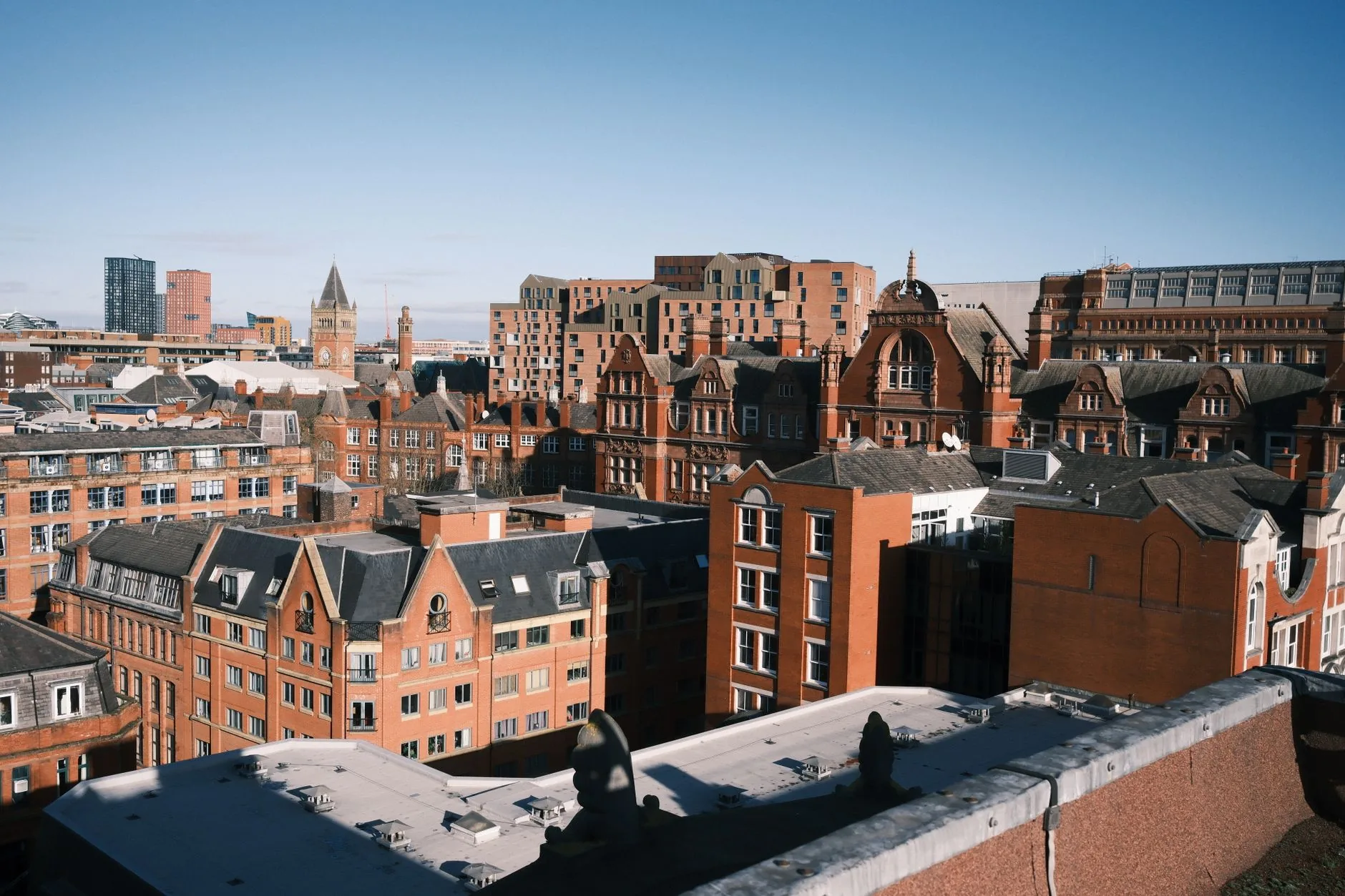
Manchester is one of England’s most rewarding city-break destinations. Its history is inseparable from industrialisation, but the modern city is equally defined by football, music, universities, museums, nightlife and an international food scene. Former warehouses, canals and railway buildings sit alongside contemporary cultural venues, independent shops and busy restaurants.
The central districts are compact enough to explore largely on foot, while the Bee Network connects the centre with Manchester Airport, Salford Quays, stadiums, suburban towns and countryside attractions. Two full days cover the main highlights at a brisk pace; three days gives you more time for museums, neighbourhoods and football. Stay longer to add Greater Manchester and northern England day trips.
Why Visit Manchester
Manchester offers more variety than its reputation as a football city suggests. The city played a major role in the Industrial Revolution, and its canals, mills, warehouses and railway heritage remain visible in the urban landscape. The Science and Industry Museum provides the clearest introduction, but industrial history is also part of the experience of walking through Castlefield and Ancoats.
Culture is another strong reason to visit. Manchester Museum, Manchester Art Gallery, The Whitworth, the John Rylands Library and Imperial War Museum North offer very different experiences, and many major museums and galleries have free general admission. Temporary exhibitions, special events and timed experiences may require tickets, so check current arrangements before travelling.
Football fans can visit the National Football Museum, explore an Old Trafford experience or tour Manchester City’s stadium facilities. Music lovers will find a city with a long-established popular-music identity, while theatres, live venues and contemporary cultural spaces keep the programme active throughout the year.
The neighbourhoods are part of the appeal. The Northern Quarter is known for independent shops, cafés, street art and nightlife. Castlefield offers canalside walks and industrial character. Ancoats has converted mills, restaurants and waterside routes, while Chinatown, the Gay Village, Spinningfields, St John’s and Salford Quays each have a distinct atmosphere.
Manchester is also a practical base for exploring the wider region. The Peak District can be reached by train, and Liverpool, Chester, York, Altrincham, Stockport and Dunham Massey are among the possible excursions.
Best Things to Do in Manchester
Planning your activities? Compare tours and activities for Manchester on BookingTabs.
Explore the Science and Industry Museum
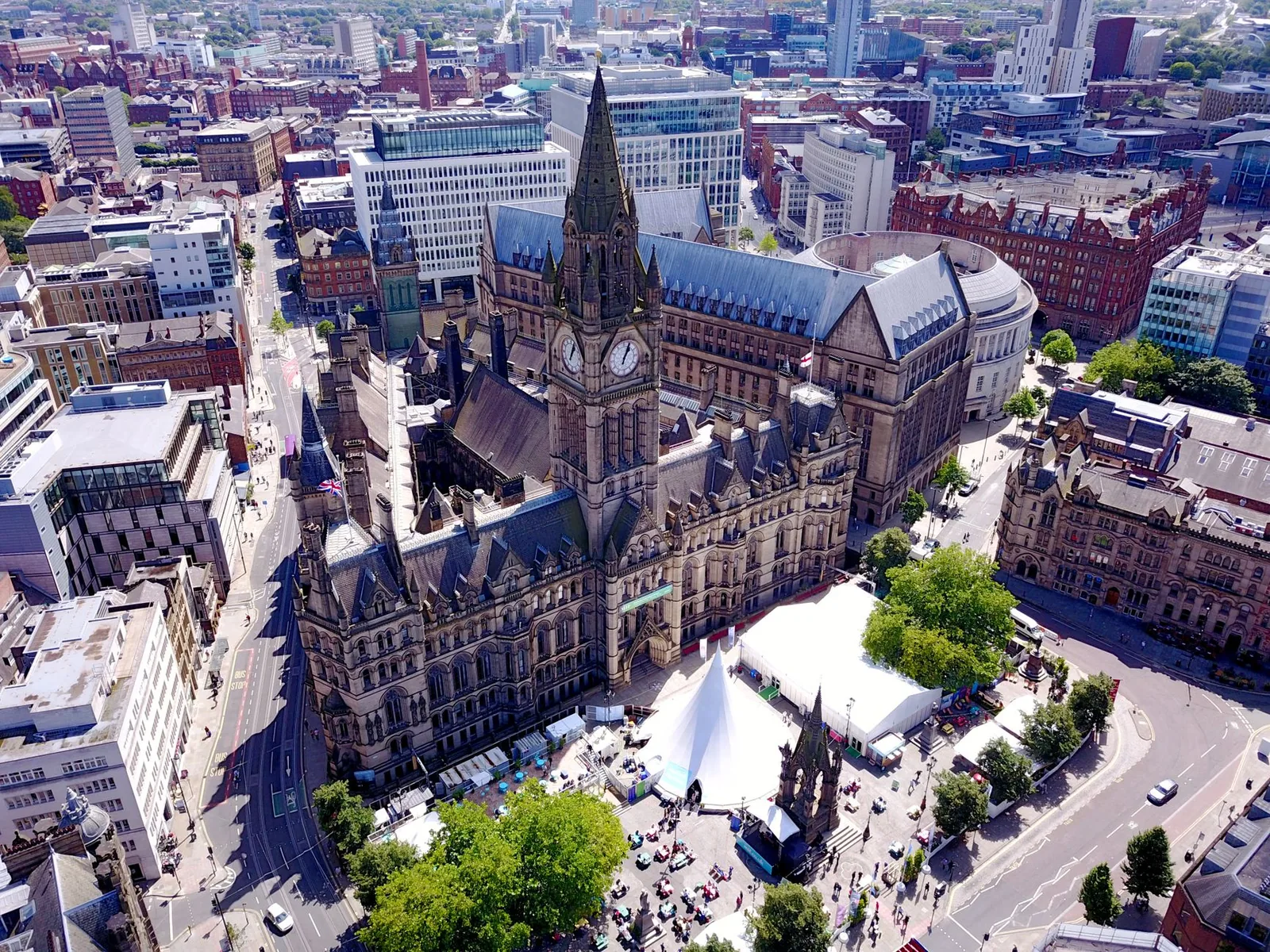
The Science and Industry Museum is the best place to understand how Manchester’s industrial past shaped the modern world. Its collections cover industrialisation, science, engineering, textiles and transport, with historic buildings, galleries and interactive displays bringing the story to life.
Allow several hours if you want more than a quick overview. Permanent museum admission is free, although some exhibitions, events and experiences may require tickets. Restoration work can affect which buildings or galleries are accessible, so check the latest visitor information before setting out.
The museum is in Castlefield, making it easy to combine with a walk beside the canals, a look at the railway heritage and a meal or drink in the surrounding district.
Walk through Castlefield
Castlefield is one of the most atmospheric parts of central Manchester. Roman history, canals, railway arches, warehouses, bridges and modern bars all come together in a relatively small area. It is a good place to slow down after a museum visit and see how the city’s industrial landscape has been reused.
The district is primarily an open urban area rather than a single ticketed attraction. Paths beside the canals can be uneven or wet, and the weather is often more noticeable in exposed waterside areas. A short walk here also links naturally with the city centre and the Science and Industry Museum.
Visit Manchester Museum
Manchester Museum, part of the University of Manchester, combines natural history, archaeology and world cultures. Highlights include the T. rex Stan, the Vivarium and the South Asia Gallery, though the collections are broad enough to suit visitors with very different interests.
It is particularly useful on a rainy day or for families looking for an indoor attraction. General galleries are free, but temporary exhibitions may need advance booking. The museum’s weekly opening pattern and gallery access can change, so confirm the current schedule before visiting.
Admire the John Rylands Library
The John Rylands Library is one of Manchester’s most memorable interiors. Its neo-Gothic reading-room architecture, historic collections, rare books and manuscripts make it worthwhile even for visitors who do not usually plan trips around libraries.
Public admission is free and booking is not normally required, although queues can occur. The public schedule is concentrated on selected midweek and weekend days, and the research rooms operate under separate arrangements. Do not assume it is open every day; check before building it into a short itinerary.
See Manchester Art Gallery
Manchester Art Gallery occupies a central position close to St Peter’s Square, Chinatown and the main shopping area. Its displays include fine art, craft, design, costume, historical works and contemporary exhibitions.
The gallery is a convenient choice when the weather changes or when you want to combine culture with central dining. General admission is free and booking is not normally required, but weekly hours and holiday arrangements can vary.
Spend time at The Whitworth
The Whitworth offers a different gallery experience, combining historic and contemporary art with a park, art garden and café on the Oxford Road corridor. It works well as part of a University Quarter itinerary with Manchester Museum and nearby cultural venues.
The gallery is free to enter. It has a weekly closure day under its current schedule, and exhibitions or operational arrangements can change, so verify the latest information before travelling.
Visit the National Football Museum
The National Football Museum is a natural stop for football supporters, but it is not limited to serious fans. Its collections explore the history, culture and social importance of the sport, with objects and displays that work well for families and visitors wanting context before visiting one of the city’s stadiums.
The museum is close to Manchester Victoria, Manchester Cathedral and the Medieval Quarter. Advance booking is encouraged, and admission terms can change. If football is central to your trip, compare the museum with a stadium tour rather than treating them as interchangeable experiences.
See Manchester Cathedral and the Medieval Quarter
Manchester Cathedral stands at the heart of the Medieval Quarter, close to Chetham’s Library, Cathedral Gardens and the National Football Museum. Its history and architecture provide a useful counterpoint to the city’s industrial story.
Entry is free with a suggested donation. It remains a working place of worship, so services and events can restrict access. Dress and behave appropriately, and check visiting arrangements if you are planning a detailed architectural visit.
Discover the Northern Quarter and Afflecks
The Northern Quarter is the place to go for independent retail, street art, cafés, bars and a more alternative side of Manchester. Afflecks adds an eclectic indoor shopping experience with independent traders and creative businesses.
Visit during the day for shops, cafés and photography, then return in the evening if you want bars, live music or nightlife. Businesses set their own opening hours, and the character of the area changes considerably between daytime shopping and late-night entertainment.
Spend an afternoon at Salford Quays
Salford Quays and MediaCity form a modern waterfront district west of the city centre. The area combines The Lowry arts centre, Imperial War Museum North, public art, restaurants, modern architecture and broadcasting history.
Imperial War Museum North explores the impact of war on people and society through galleries, national collections and multimedia displays. General admission is free, although you should check the current opening information. The Lowry and other venues operate their own schedules and ticketing.
Metrolink makes Salford Quays straightforward to reach from central Manchester. Allow more time than you would for a central walking itinerary, particularly if you plan to visit more than one venue.
Choose a football experience
Manchester United’s Old Trafford and Manchester City’s stadium facilities offer different ways to engage with the city’s football culture. Stadium tours, club museums and matchday experiences are separate products, and a tour does not guarantee access to a match.
Availability, security procedures, match schedules and transport arrangements vary by date. Book through the relevant club and allow extra time for queues, crowd movement and post-match travel.
Where to Base Yourself in Manchester
City Centre and Medieval Quarter
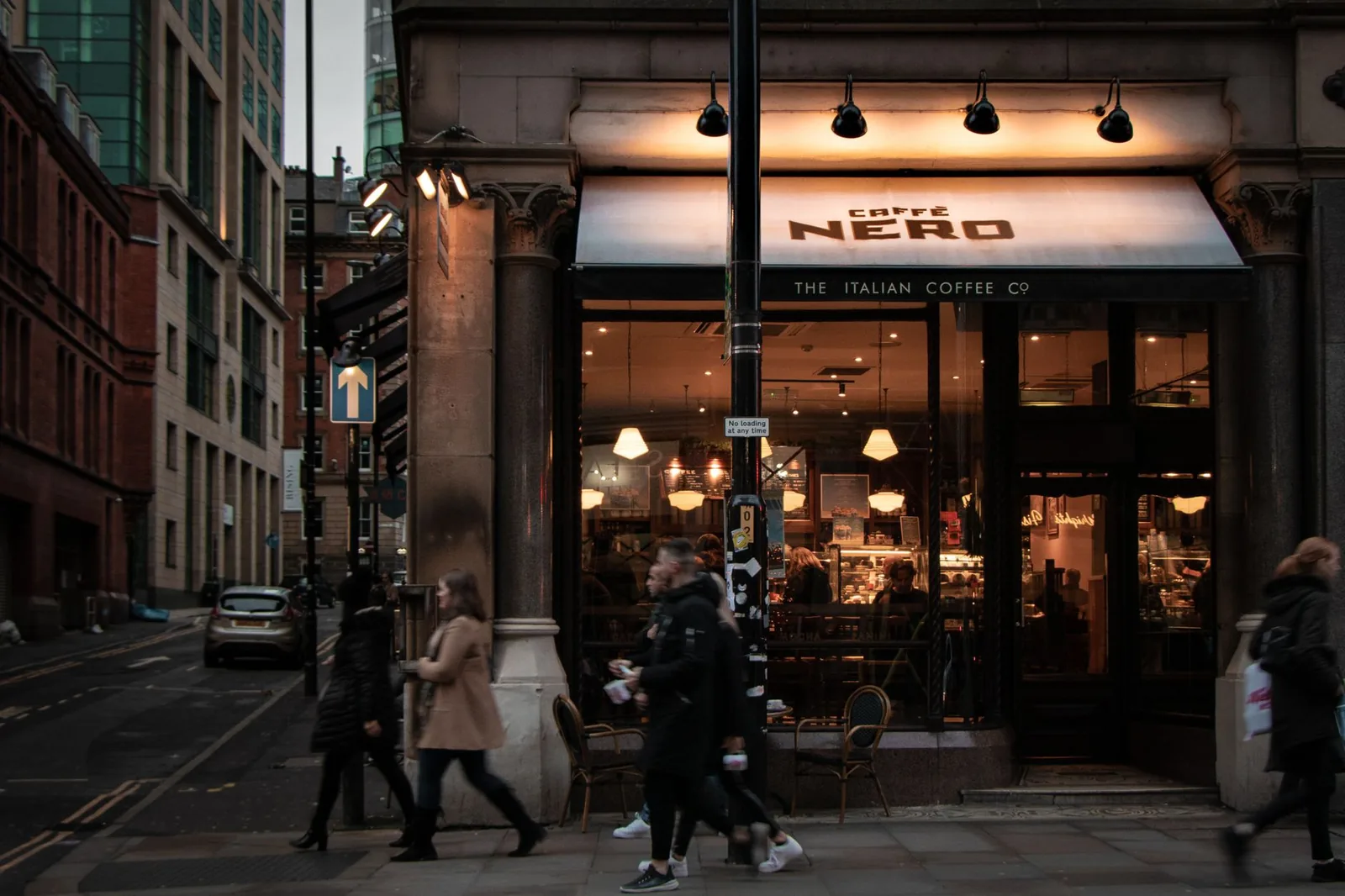
This is the most practical base for first-time visitors. Manchester Cathedral, the National Football Museum, Chetham’s Library, central shopping streets, civic buildings and a wide choice of restaurants are close by. It is particularly convenient for a short stay built around walking and museums.
Northern Quarter
Choose the Northern Quarter if independent shops, cafés, bars, street art and nightlife matter more than a quiet residential setting. It is central and walkable, although evening noise may be a consideration depending on the exact location.
Ancoats and New Islington
Ancoats has a former industrial setting, converted mills, canalside routes, restaurants and bars. It is close to the Northern Quarter but has a slightly more residential feel in parts. This area suits visitors who want food and neighbourhood atmosphere within easy reach of the centre.
Castlefield
Castlefield is a good choice for canalside surroundings, industrial character and a somewhat calmer setting. The city centre remains walkable, and the Science and Industry Museum is nearby. Some paths and historic surfaces are uneven, so consider luggage and mobility needs when selecting accommodation.
Chinatown and the Gay Village
These central districts are useful for dining and nightlife, and both are close to Manchester Art Gallery, the civic centre and shopping streets. The Gay Village is one of the city’s most established LGBTQ+ nightlife areas, while Chinatown has a concentration of restaurants and food businesses.
Spinningfields and St John’s
These modern central districts focus on restaurants, bars, entertainment and contemporary culture. They are useful for visitors interested in polished dining, events and venues such as Aviva Studios, subject to the current programme.
Oxford Road and the University Quarter
This corridor places you near Manchester Museum, The Whitworth, universities, performance venues, cafés and student-oriented dining. It is a practical base for museum-focused trips and longer stays, though it is farther from the Medieval Quarter than the central districts.
Salford Quays and MediaCity
Stay here for waterfront surroundings, modern architecture, The Lowry, IWM North and MediaCity. It is well connected by tram but is not as convenient as the central districts if you plan to walk between most of Manchester’s historic attractions.
What to Eat and Drink

Manchester’s food scene is broad and international. You will find contemporary Japanese and Mexican cooking, South Asian food, Chinese restaurants around Chinatown, Middle Eastern and Mediterranean options, Italian dining and modern British menus.
The Northern Quarter is a useful area for independent cafés, brunch, bakeries, casual food, cocktails and evening bars. For groups with different tastes, food halls and street-food venues such as Mackie Mayor, GRUB and Arndale Market offer variety, although vendors and opening days can change.
Look for regional specialities including pies, fish and chips, rag pudding, parched peas and the much-debated pasty barm. These are foods to seek out rather than dishes guaranteed on every menu. Vimto, the fruit-and-herb soft drink created in Manchester in 1908, is another local-origin product worth trying.
Altrincham Market is a useful excursion for independent traders and food operators beyond the city centre. Guided food tours, tastings, craft-beer experiences and cookery activities are also available for travellers who prefer a structured introduction to the city’s food culture.
Best Time to Visit Manchester
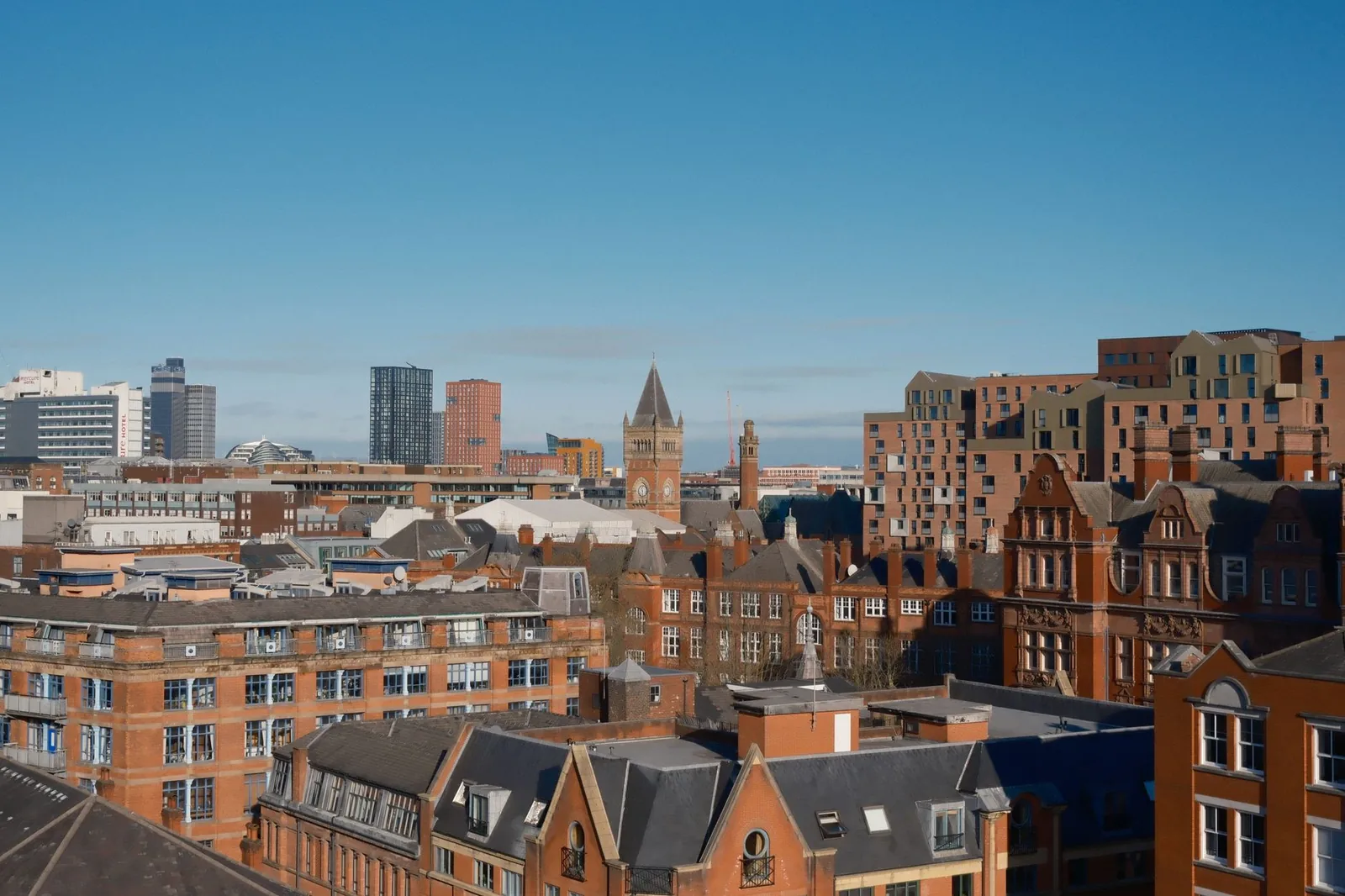
Manchester is a year-round destination, but the best time depends on your priorities. Spring and summer generally bring longer daylight and better conditions for canalside walks, parks, outdoor events and countryside excursions. They can also be busy periods for concerts, family attractions and football-related experiences.
Autumn is a strong season for museums, galleries, food events and the football calendar. Early autumn can still suit outdoor walks, while shorter days and rain later in the season make flexible planning more important.
Winter works well for indoor attractions, shopping, theatre, live music, nightlife and seasonal events. Some museums and galleries use different hours around Christmas, New Year and bank holidays, so check carefully before travelling.
Rain is possible in every season. Bring a waterproof outer layer and keep an indoor alternative available, particularly if you are planning a Peak District walk or another countryside excursion. Event dates, temporary exhibitions and attraction schedules should always be checked close to travel.
Transport in Manchester
Manchester city centre is compact and generally easy to explore on foot. The Medieval Quarter, Northern Quarter, civic centre, Chinatown, Castlefield and Spinningfields can be linked in a series of walks. Canal paths and historic areas may have uneven or wet surfaces, so comfortable footwear is useful.
For longer journeys, the Bee Network combines buses, Metrolink trams and rail services across Greater Manchester. Metrolink serves Manchester Airport, Salford Quays, Old Trafford, the Trafford Centre and several surrounding towns. Buses cover the city and wider region.
Contactless payment is available on Bee Network buses and trams under the current system. Tap on when boarding a bus, and tap in and out for trams using the same card or device. On trams, you must buy or validate a ticket before boarding. Fares, caps and participating services can change, so use the current Bee Network information for your journey.
Taxis and app-based rides are useful for late-night travel, luggage-heavy journeys, airport transfers and stadium events. Availability, prices and pick-up points vary. A car is usually unnecessary for a city-centre stay and can create extra costs and complications with parking, congestion and event-day traffic. It becomes more useful for rural excursions with limited public transport.
Arriving from Manchester Airport
Manchester Airport is the city’s main airport. Direct trains reach Manchester Piccadilly in around 20 minutes, and Metrolink also runs between the airport and central Manchester. Bee Network buses provide additional connections, including a city-centre route to Piccadilly Gardens.
The best option depends on your accommodation, luggage, arrival time and any planned engineering works. Compare train, tram, bus, taxi and private transfer options shortly before travel because journey times, fares and service patterns can change.
What would you most like to experience in Manchester?
Easy Day Trips from Manchester

Peak District National Park
The Peak District is the most natural countryside day trip from Manchester. The Hope Valley rail line provides direct access to stations including Edale, Hope, Bamford, Hathersage and Grindleford. Choose your walking route carefully and check weather, daylight, train times and the return service. Conditions can change quickly, and a rural itinerary needs more planning than a city museum visit.
Liverpool
Liverpool makes a strong city-to-city excursion, with maritime heritage, museums, music history, waterfront attractions and the Albert Dock. Check rail times and attraction schedules for your chosen date, particularly if you are travelling during a major event or school holiday.
Chester
Chester suits a historic day out focused on Roman and medieval heritage, shopping and compact city sightseeing. Exact rail times and service frequency should be checked before committing to a same-day itinerary.
Altrincham and Dunham Massey
Combine Altrincham’s independent market and food scene with Dunham Massey, a National Trust estate with a house, gardens and deer park. Dunham Massey can be reached from Altrincham by bus, with the journey to the entrance taking about ten minutes under the stated route information. Confirm opening times, admission and transport details before travelling.
Jodrell Bank
Jodrell Bank in Cheshire is a good choice for visitors interested in astronomy and science. It is better planned as a dedicated excursion, with opening arrangements, admission and transport checked directly before departure.
York
York is a longer but rewarding northern city excursion, known for medieval streets, museums, city walls and major heritage attractions. Check rail schedules before travelling and allow enough time for the return journey.
Stockport
Stockport is a nearby Greater Manchester option for a shorter excursion. Its attractions include historic streets, markets, Stockport Plaza, Hat Works Museum and Staircase House. Individual venues have separate opening schedules.
Lake District
The Lake District is possible as a long regional excursion, but it is usually better suited to an organised tour, an overnight stay or travellers comfortable with a demanding transport day. Choose a specific destination rather than treating the Lake District as one compact attraction.
Good to Know Before You Go
- Use the current Bee Network journey planner for routes, fares, disruptions and accessibility information.
- If using contactless payment on buses and trams, use the same card or device throughout the journey pattern.
- Tap in before boarding a tram and make sure you have a valid ticket or completed contactless check-in.
- Book stadium tours, concerts, theatre performances, food tours and timed temporary exhibitions ahead of travel.
- Check weekly closure days carefully. Several major museums and galleries do not open every day.
- Keep a wet-weather alternative for outdoor walks and countryside excursions.
- For football matches, allow extra time for security, queues and post-match transport.
- Do not assume a stadium tour includes match admission.
- Check current UK passport, visa and ETA requirements for your nationality before booking.
- For cathedral visits, remember that services and events can limit sightseeing access.
- Avoid copying old prices, opening hours or event details from outdated travel guides.
Manchester Travel FAQ
How many days do you need in Manchester?
Two full days covers the main central districts and several headline attractions. Three days is more comfortable and allows time for Salford Quays, a football experience or a longer museum visit. Add extra days for Greater Manchester towns, countryside or regional city excursions.
Is Manchester easy to explore without a car?
Yes, particularly for a central city break. The core is walkable, and the Bee Network connects the centre with the airport, Salford Quays, stadiums and surrounding areas. A car is more useful for some rural excursions than for the city centre.
What is the main airport for Manchester?
Manchester Airport, airport code MAN, is the city’s main airport. Direct trains reach Manchester Piccadilly in around 20 minutes, and Metrolink also runs between the airport and central Manchester.
Are Manchester’s museums free?
Many major museums and galleries are free, including Manchester Museum, Manchester Art Gallery, The Whitworth, IWM North and permanent collection areas of the Science and Industry Museum. Temporary exhibitions, special experiences and events may require tickets or advance booking.
What should first-time visitors see in Manchester?
A practical first-visit combination is the Medieval Quarter, John Rylands Library, Northern Quarter, Castlefield, one major museum, Manchester Cathedral, the National Football Museum or a stadium experience, and either Manchester Art Gallery or The Whitworth.
What is Manchester known for?
Manchester is associated with industrialisation, cotton and engineering, football, music, universities, science, cultural institutions, nightlife and a diverse contemporary food scene.
Can you visit the Peak District from Manchester by public transport?
Yes. The Hope Valley Line provides direct access from Manchester towards stations including Edale, Hope, Bamford, Hathersage and Grindleford. Check the route, weather, daylight, train times and return service before setting out.
Does Manchester have good nightlife?
Yes. Nightlife is spread across the Northern Quarter, Gay Village, Spinningfields, Castlefield, Oxford Road and the wider city centre. The city offers bars, clubs, live music, theatre and events. Venue policies and opening arrangements change, so check current listings.
Planning Your Manchester Trip
Manchester works particularly well for travellers who want a city break with substance. Its industrial heritage is not confined to a single museum; it appears in canals, warehouses, railway buildings and converted mills. Football and music add energy, while free museums, varied neighbourhoods and a strong food scene keep the itinerary flexible.
Stay centrally and you can cover many highlights on foot. Use the tram, bus or train for Salford Quays, stadiums and Greater Manchester. With two or three days, Manchester makes a rewarding standalone trip. With longer, you can use it as a base for the Peak District, Liverpool, Chester, York and other parts of northern England.
Inspired? Start planning your trip.
Move from inspiration to planning with BookingTabs — explore hotels, tours and travel options in one place.



Join the conversation
Ask a question, share a travel tip, or help another traveler plan with confidence.
Leave a comment
No account or email required.