
Essential Bali Travel Guide: Temples, Rice Terraces, Beaches & Authentic Experiences
Bali is more than a postcard: it’s an island of layered rituals, sculpted rice fields, coral-fringed beaches and neighborhoods that pulse with creativity. In a single trip you can watch priests perform offerings at an ocean temple, hike before dawn to a volcanic rim for sunrise, wander Ubud’s markets, and surf world-class breaks on the Bukit Peninsula. This guide distills the must-see sites and authentic local experiences, then gives practical advice to help you move around, stay safe and make the most of your time. Whether you’re here for spiritual calm, outdoor adventure or cultural immersion, these recommendations will help you create an itinerary that feels both effortless and unmistakably Balinese.
Must-See Attractions
Bali’s attractions are a balance of sacred architecture, dramatic coastline and sculpted landscapes.
- Tanah Lot: A classic sea temple perched on volcanic rock, best visited at sunset when the silhouette against the sky is most dramatic. Note that high tide can restrict close access.
- Uluwatu Temple: Another cliffside temple on the Bukit Peninsula, famous for its Kecak fire dance performances held at dusk. The coastal views and surf below make it unforgettable.
- Besakih Temple: Known as Bali’s Mother Temple, this sprawling complex on the slopes of Mount Agung is the largest and most important Hindu temple on the island.
- Tirta Empul: A water temple near Ubud where Balinese Hindus conduct purification ceremonies in natural spring-fed pools. Visitors can observe or participate respectfully.
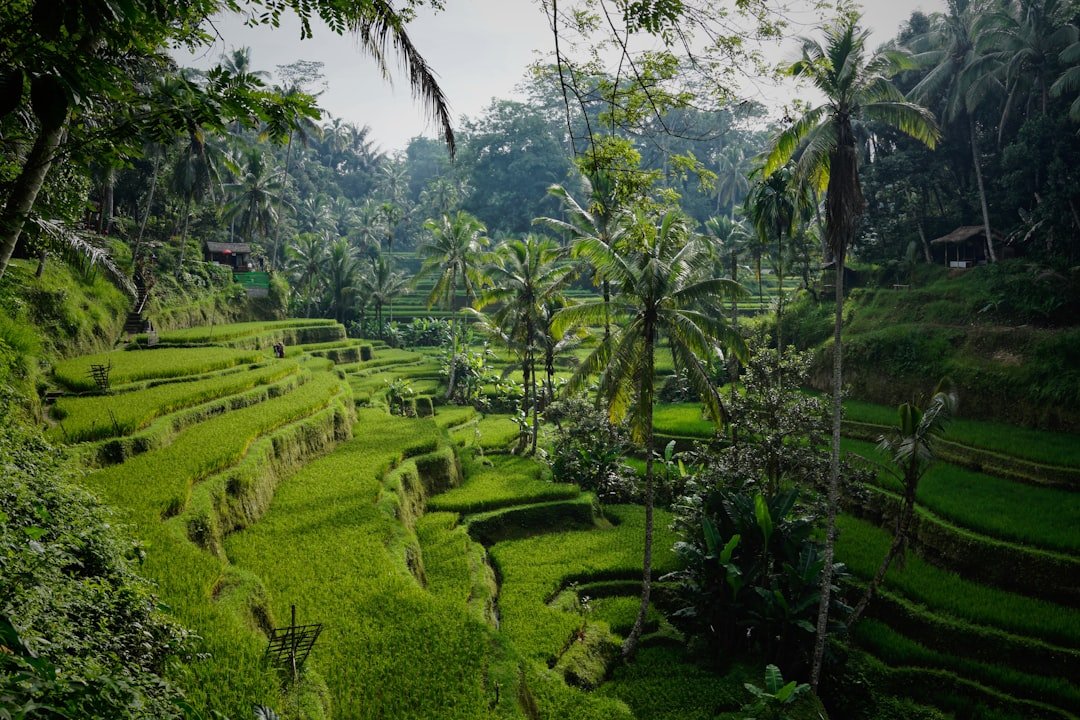
- Tegalalang & Jatiluwih Rice Terraces: Tegalalang near Ubud is famed for its instagrammable tiered paddies and shaded walking paths. For broader, less-crowded terraces, the Jatiluwih UNESCO cultural landscape offers sweeping views of traditional subak irrigation systems.
- Mount Batur: A popular sunrise trek with dramatic crater rim views. Early starts are required but the payoff is panoramic light over the caldera and Lake Batur.
- Ubud Monkey Forest: A sacred forest sanctuary home to long-tailed macaques, with temples and shaded trails in the heart of Ubud. Stay cautious with personal items around the monkeys.
- Nusa Penida: A 30–60 minute boat ride from Bali, Nusa Penida offers rugged cliffs, clear bays and iconic viewpoints such as Kelingking and Angel’s Billabong. Day trips or overnight stays are common.
- Seminyak, Canggu and Kuta Beaches: Each beach area has its character: Kuta for lively nightlife and beginner surf, Seminyak for stylish dining and boutiques, and Canggu for café culture and surf culture.
Local Experiences
Beyond monuments, Bali’s soul is found in neighborhoods, markets, food and rituals.
- Food & Dining: Try local specialties like nasi campur (mixed rice), babi guling (suckling pig, common in central and southern Bali), satay, lawar and freshly grilled seafood in Jimbaran. For coffee lovers, sample locally produced Balinese coffee—just be mindful about the ethical issues surrounding kopi luwak and seek responsible producers.
- Markets: Ubud Art Market and Denpasar’s Pasar Badung are great for textiles, handicrafts and local produce. Early mornings are the best time to see vendors and pick up fresh fruit and snacks.
- Neighborhood Walks & Viewpoints: Campuhan Ridge Walk offers an easy, scenic stroll near Ubud at sunrise. Explore the rice-lined lanes around Sayan for quieter views. On the north coast, Munduk and Sidemen offer off-the-beaten-path green vistas.
- Festivals & Rituals: Time your visit to witness Nyepi’s Day of Silence (precedes a day of quiet reflection and restrictions), Galungan and Kuningan when temples fill with offerings and ceremonies. Respectful observation is appreciated; participate only when invited.
- Outdoor Activities: Surfing ranges from beginner-friendly whitewater in Kuta to advanced reef breaks at Uluwatu. Snorkeling and diving around Menjangan, Amed and Nusa Penida offer vibrant reefs and mola-mola or manta sightings at certain seasons.
- Wellness & Creative Scenes: Ubud is Bali’s wellness hub—yoga studios, wellness cafes and art workshops are plentiful. Join a Balinese cooking class or a guided food walk to learn techniques and cultural context.
Best Time to Visit
Choosing when to visit Bali depends on weather preferences and crowd tolerance.
- Dry Season (April to October): The most popular time to visit. Expect sunshine, lower humidity and calm seas—ideal for beach days, hiking Mount Batur and island hopping. Crowds peak from July–August and around major holidays.
- Wet Season (November to March): Frequent afternoon showers and higher humidity. Rain often comes in heavy bursts, and some diving and surf conditions change. Lower prices and fewer tourists can be advantages.
- Shoulder Months (April–June, September–October): Often the best compromise—good weather, fewer crowds and smoother rates on accommodation.
- Special Considerations: Nyepi usually falls in March; travel services pause on the day itself, so plan accommodations and transfers accordingly. Surfing conditions vary by coast—dry season favors the west and south coasts, wet season benefits the east.
Essential Travel Tips
Practical advice to move around safely and respectfully.
- Transportation: Rent a scooter only if you have experience—traffic can be chaotic. For taxis, use reputable companies (Bluebird) or meter-based apps. Ride-hailing apps (Gojek/Grab) are widely available for short trips.
- Money: The currency is the Indonesian rupiah (IDR). ATMs are common in tourist hubs; notify your bank before travel and carry some cash for smaller vendors. Check rates and fees for card use.
- Safety: Bali is generally safe but watch for petty theft in crowded areas. On roads, wear helmets and be cautious on narrow lanes. Respect ocean warnings—rips can be strong at many beaches.
- Packing: Bring reef-safe sunscreen, a light rain jacket for sudden showers, good walking shoes for terraces and temples, and a sarong or scarf for temple visits. Lightweight layers are ideal for varied microclimates.
- Local Etiquette: Dress modestly at temples and remove shoes where indicated. When entering a temple area, follow local patterns—men and women often sit on separate sides during ceremonies. Always ask permission before photographing people in religious or private moments.
- Health: Stay hydrated, avoid tap water (use bottled or filtered water), and be careful with street food if you have a sensitive stomach. Travel insurance that covers activities like trekking and diving is recommended.
Frequently Asked Questions
Do I need a visa to visit Bali?
Visa requirements depend on your nationality. Many travelers can get a Visa on Arrival for short stays, but check current Indonesian immigration rules before travel as policies change.
Is Bali safe for solo travelers?
Yes—Bali is popular with solo travelers. Use common-sense precautions: keep valuables secure, avoid isolated areas at night, and be cautious when riding scooters alone if you’re inexperienced.
How many days should I spend in Bali?
For a balanced experience, plan 7–10 days: a few days in Ubud for culture and rice terraces, a couple of days on the Bukit Peninsula for beaches and surf, and a day trip to Nusa Penida or the north for diving/snorkeling.
Can I visit temples wearing shorts and sleeveless tops?
Temples require modest dress. Wear a sarong and sash where requested; some temples provide sarongs, but it’s practical to carry your own. Cover shoulders and knees to show respect.
Is it easy to visit neighboring islands like Nusa Penida?
Yes. Fast boats run from Sanur and other points to Nusa Penida, Nusa Lembongan and Nusa Ceningan. Book through reputable operators and choose crossings according to sea conditions. Allow time for transfers and potential delays.
Conclusion
Bali rewards visitors who balance popular sights with slower, local experiences: sunrise hikes at Mount Batur; a quiet walk through layered rice terraces; temple rituals observed with respect; and evenings spent sampling seafood by the sea. Practical planning—mindful packing, understanding seasonal shifts and using reliable transport—makes all the difference. Whether you chase waves, seek cultural immersion or simply want time to breathe in rice-field vistas, Bali’s diversity means you can tailor a trip that fits your pace while leaving room for spontaneous discovery.
Inspired? Start planning your trip.
Move from inspiration to planning with BookingTabs — explore hotels, tours and travel options in one place.




Join the conversation
Ask a question, share a travel tip, or help another traveler plan with confidence.
Leave a comment
No account or email required.