
Riyadh Travel Guide
Riyadh is a city of striking contrasts. Historic mud-brick architecture and traditional markets sit within reach of glass towers, major museums, creative districts and large-scale entertainment venues. Beyond the urban area, the landscape quickly opens into valleys, red dunes and the dramatic escarpments of the Tuwaiq Mountains.
Saudi Arabia’s capital is spread out, so it rewards planning rather than spontaneous wandering. Three full days are enough for the main museums, historic centre, Kingdom Centre and Diriyah. Stay four or five days if you want to add a desert excursion, slower meals, shopping or seasonal events.
Why Visit Riyadh
Riyadh is one of the best places to understand the meeting point between Saudi Arabia’s past and present. The city’s historic attractions explain the story of Najd and the formation of modern Saudi Arabia, while its contemporary districts reveal the country’s rapidly changing cultural and architectural scene.
The strongest reason to visit is variety. In a single trip, you can explore the former capital at At-Turaif, study thousands of objects at the National Museum, look across the skyline from Kingdom Centre, eat regional Saudi dishes and head into the desert for sunset.
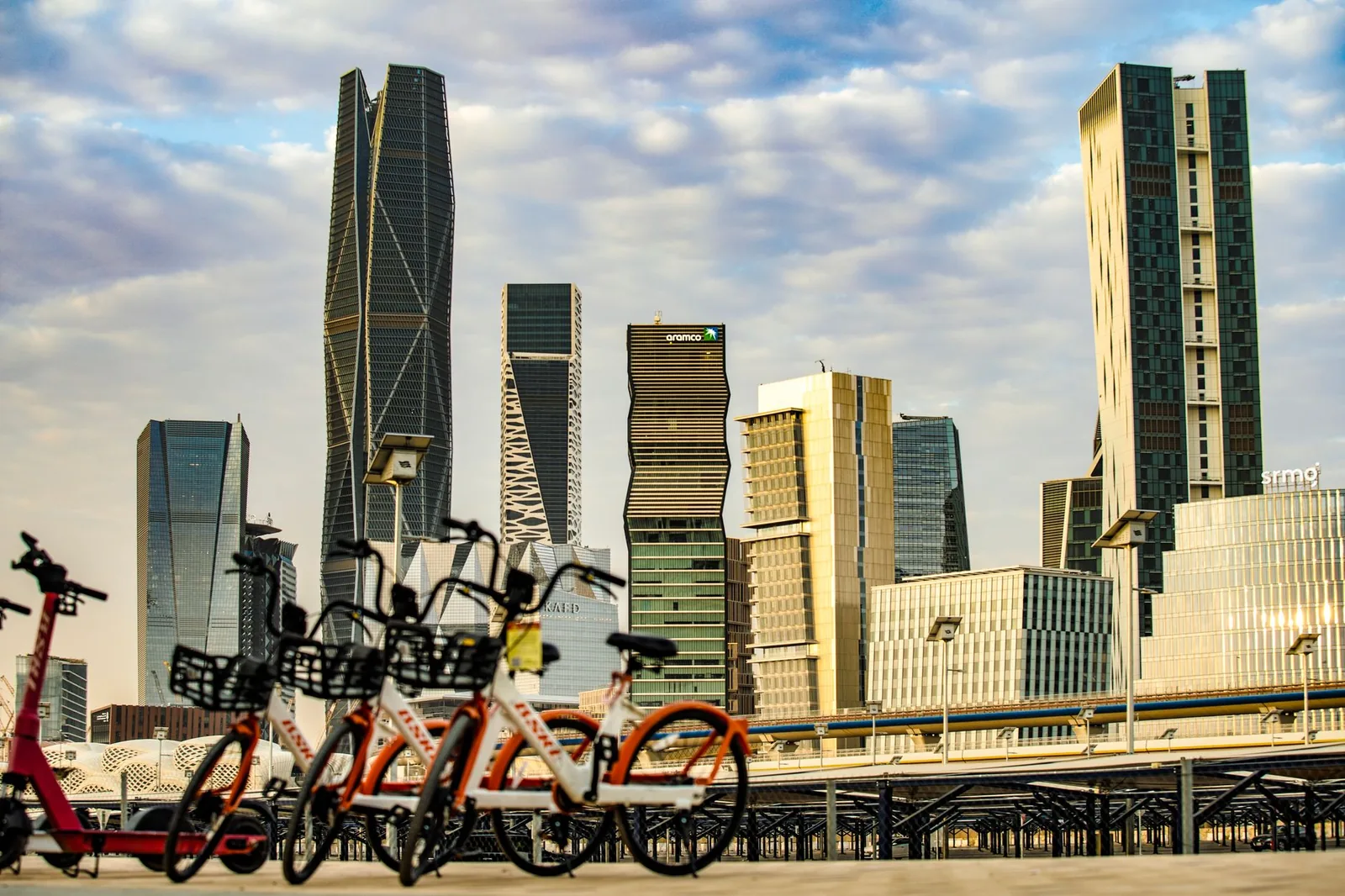
The city also works well for different kinds of travelers. First-time visitors can use it as an introduction to Saudi Arabia, families have museums and entertainment districts to explore, and business travelers can add several leisure days without needing to travel between distant bases. Architecture enthusiasts will find a particularly broad range of subjects, from Najdi adobe construction to the futuristic towers of King Abdullah Financial District.
Top Experiences in Riyadh
Explore At-Turaif and Diriyah
Historic Diriyah, immediately northwest of Riyadh, should be near the top of any itinerary. At-Turaif District is a UNESCO World Heritage property and was the first capital of the Saudi Dynasty. Its restored Najdi adobe buildings provide a direct connection with the region’s political and architectural history.
Allow more time than a quick photo stop. Walk through the heritage area, pay attention to the mud-brick forms and viewpoints across Wadi Hanifah, then continue to the newer parts of Diriyah. Access zones, ticketing arrangements and event restrictions can change, so check current official information before visiting.
Bujairi Terrace is close to At-Turaif and makes an easy addition to the same outing. The modern dining and leisure destination overlooks Wadi Hanifah, with restaurants and evening activity providing a contemporary counterpoint to the historic district. Restaurant reservations, parking arrangements and access requirements vary by venue and season.
Diriyah’s JAX District offers another perspective. The creative area is associated with galleries, exhibitions and cultural programming, making it a useful stop for visitors interested in contemporary Saudi art. Individual venues do not necessarily share the same schedule, so check current listings before setting out.
Visit the National Museum of Saudi Arabia
The National Museum of Saudi Arabia is the city’s principal museum for understanding the country’s history and culture. Its eight main exhibition halls cover subjects ranging from archaeology and the early history of the Arabian Peninsula to the formation of the Saudi state. The collection includes more than 4,000 artefacts and heritage items.
The museum is located in Al-Murabba, within the King Abdulaziz Historical Center. It is best approached as a substantial visit rather than something to squeeze between unrelated attractions. Read the displays in sequence if you want a broad historical overview, or focus on the galleries most relevant to your interests.
Opening hours and holiday arrangements can change. The museum’s current published schedule should be checked before travel, particularly around Fridays, public holidays and Ramadan. Sunday is currently listed as a closure day in the supplied schedule.
See Al Masmak Palace and historic central Riyadh
Al Masmak Palace is a fortified historic building in the Al-Dirah area. It is closely associated with the 1902 capture of Riyadh and the events that shaped the formation of modern Saudi Arabia. The museum inside offers useful context before or after a visit to the National Museum, although the two are in different areas and should not be treated as adjacent stops.
Combine Al Masmak with the surrounding traditional commercial areas and Qasr Al-Hukm. This part of central Riyadh gives a more grounded sense of the city’s older urban fabric than the modern business districts do. Visit during a cooler part of the day, wear comfortable shoes and allow for the possibility of changed opening arrangements.
Take in the view from Kingdom Centre
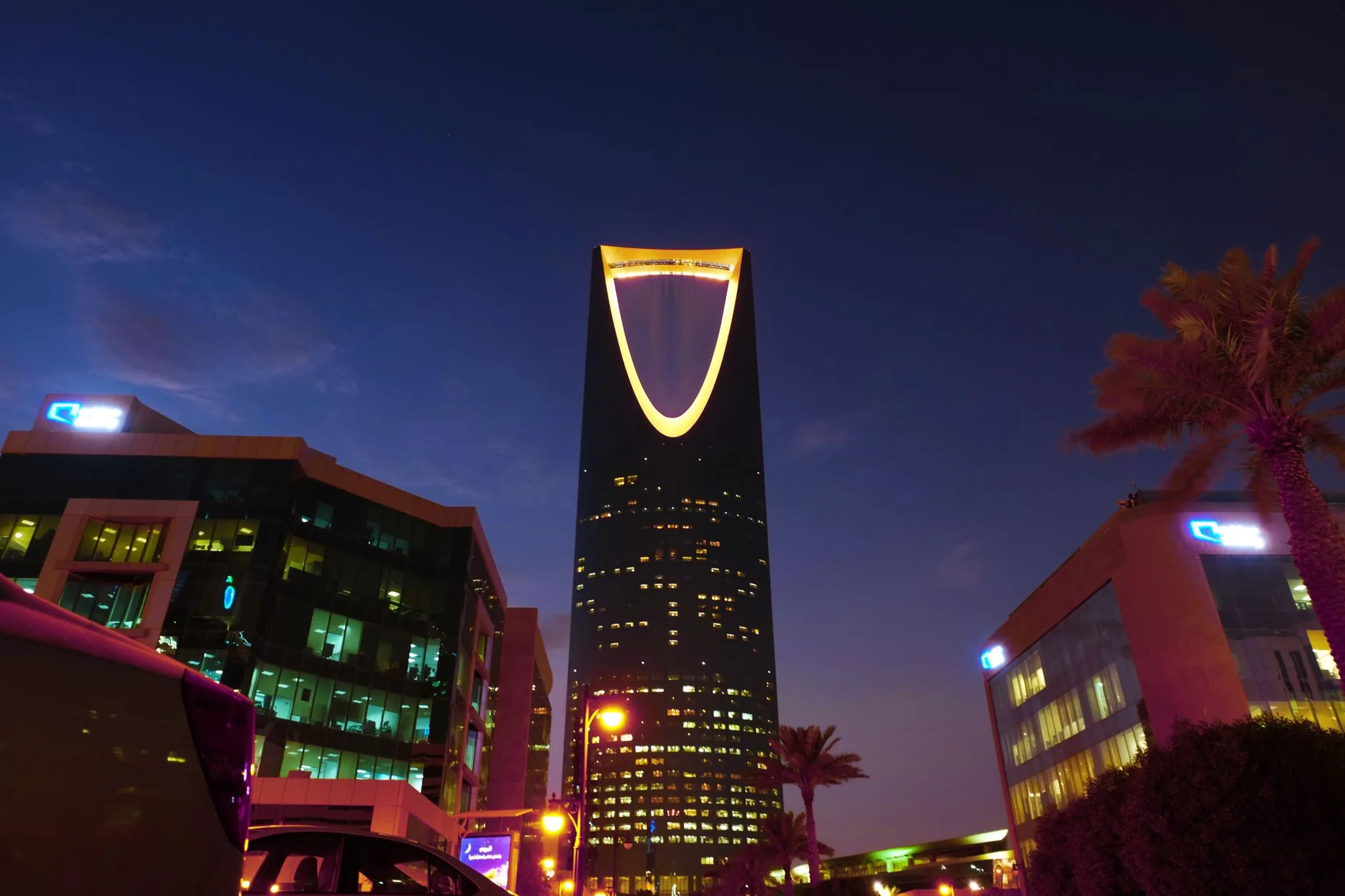
Kingdom Centre is one of Riyadh’s most recognizable skyscrapers. Its Sky Bridge, approximately 300 metres above ground, provides a panoramic view across the capital and is one of the city’s most straightforward skyline experiences.
The view is particularly useful for understanding Riyadh’s scale. From above, the broad roads, clusters of towers and extensive low-rise areas make it clear why journeys between attractions can take longer than expected. Clear conditions are best for photography, while the city’s evening lights create a different atmosphere after dark.
The Sky Bridge is ticketed, and prices, age rules, opening hours and reservation requirements may change. Verify current details through the official attraction information before booking.
Photograph King Abdullah Financial District
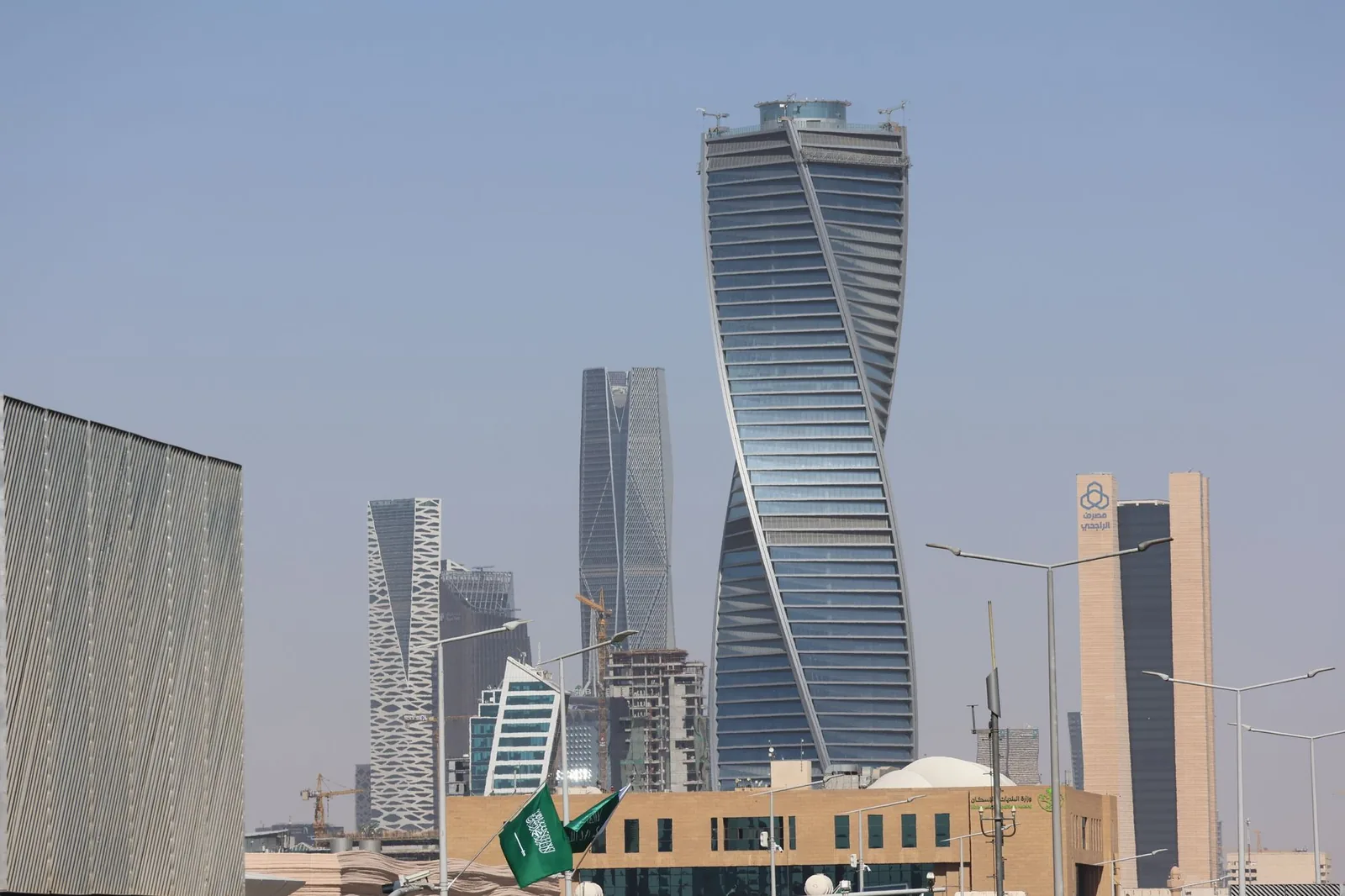
King Abdullah Financial District, usually known as KAFD, is Riyadh’s most prominent contemporary business and architecture area. Its distinctive towers, public spaces, restaurants and major metro station create a sharp contrast with the city’s heritage districts.
KAFD is better understood as an area to explore than as a single paid attraction. It suits an architecture walk, an evening meal or a photography-focused itinerary. Access to individual buildings and venues may be restricted, and some spaces may require reservations, so stay within public areas and check local guidance.
Spend an evening in Boulevard Riyadh City
Boulevard Riyadh City is a major entertainment and dining district associated with Riyadh Season. Depending on the current programme, it may include shows, restaurants, family attractions and other event-led experiences.
It can be a good choice for travelers who want to see the city’s contemporary entertainment culture, but do not build an itinerary around old listings. Riyadh Season dates, participating venues, ticket prices and operating hours change regularly. Check the current official calendar for the year of your visit.
Boulevard World is another seasonal destination with international-themed zones, markets, rides, food and entertainment. It does not operate on a fixed year-round basis, and a listing from one season should not be assumed to apply to the next.
Walk through Wadi Hanifah
Wadi Hanifah is a prominent natural valley running through the Riyadh area. Some sections feature greener landscapes and walking opportunities, particularly around Diriyah, and it offers a welcome change from the city’s roads and buildings.
Accessible areas, parking and trail conditions vary. Visit during daylight, carry water and check recent conditions before going. Wadi landscapes can be especially appealing during the cooler months, when outdoor activity is more comfortable.
Plan time for shopping, dining and modern Riyadh
Riyadh’s contemporary side is spread across Al Olaya, KAFD, Diriyah and Northern Riyadh. Al Olaya is especially useful for visitors interested in malls, restaurants, hotels and Kingdom Centre. Northern Riyadh has a growing selection of shopping, dining and entertainment venues, as well as useful access toward the airport and seasonal attractions.
The Diplomatic Quarter offers a more landscaped setting, with walking routes, restaurants and planned public spaces. Access to particular venues can vary, but it is a good area to consider if you want a break from the busiest central roads.
Where to Base Yourself in Riyadh
Looking for a place to stay? Compare hotels for Riyadh on BookingTabs.
Because Riyadh is geographically spread out, the best area depends on the attractions you want to visit and how often you plan to use taxis or ride-hailing.
Al Olaya
Al Olaya is a practical central base for first-time visitors and business travelers. It offers access to Kingdom Centre, hotels, malls, restaurants, major roads and metro stations. Choose it if you want a convenient balance of sightseeing, dining and city access.
Al-Murabba
Al-Murabba is particularly useful for culture-focused trips because it contains the National Museum and the King Abdulaziz Historical Center. It is a good choice if museums and Saudi history are central to your itinerary, although you will still need transport to Diriyah and many modern entertainment areas.
Al-Dirah and Qasr Al-Hukm
Staying around Al-Dirah places you near Al Masmak Palace, traditional commercial areas and important civic spaces. This is a useful base for travelers who prefer historic central Riyadh, but compare the exact location carefully because the wider city remains dispersed.
Diriyah
Diriyah suits visitors who want to spend substantial time around At-Turaif, Bujairi Terrace, Wadi Hanifah and JAX District. It offers a heritage-and-lifestyle atmosphere, with newer dining areas nearby. Confirm access arrangements and transport options for your accommodation, especially during major events.
King Abdullah Financial District
KAFD is a strong choice for business travelers and architecture enthusiasts. The district has restaurants, public spaces and an important metro connection, though it may feel less traditional than central Riyadh. Check whether your chosen accommodation is convenient for the specific venues you plan to use.
Diplomatic Quarter and Northern Riyadh
The Diplomatic Quarter is a greener, planned area with walking routes and restaurants. Northern Riyadh is useful for access toward the airport, major malls and some entertainment venues. Both areas can work well, but they may require more cross-city travel if your priority is historic central Riyadh or Diriyah.
Local Food and Drink
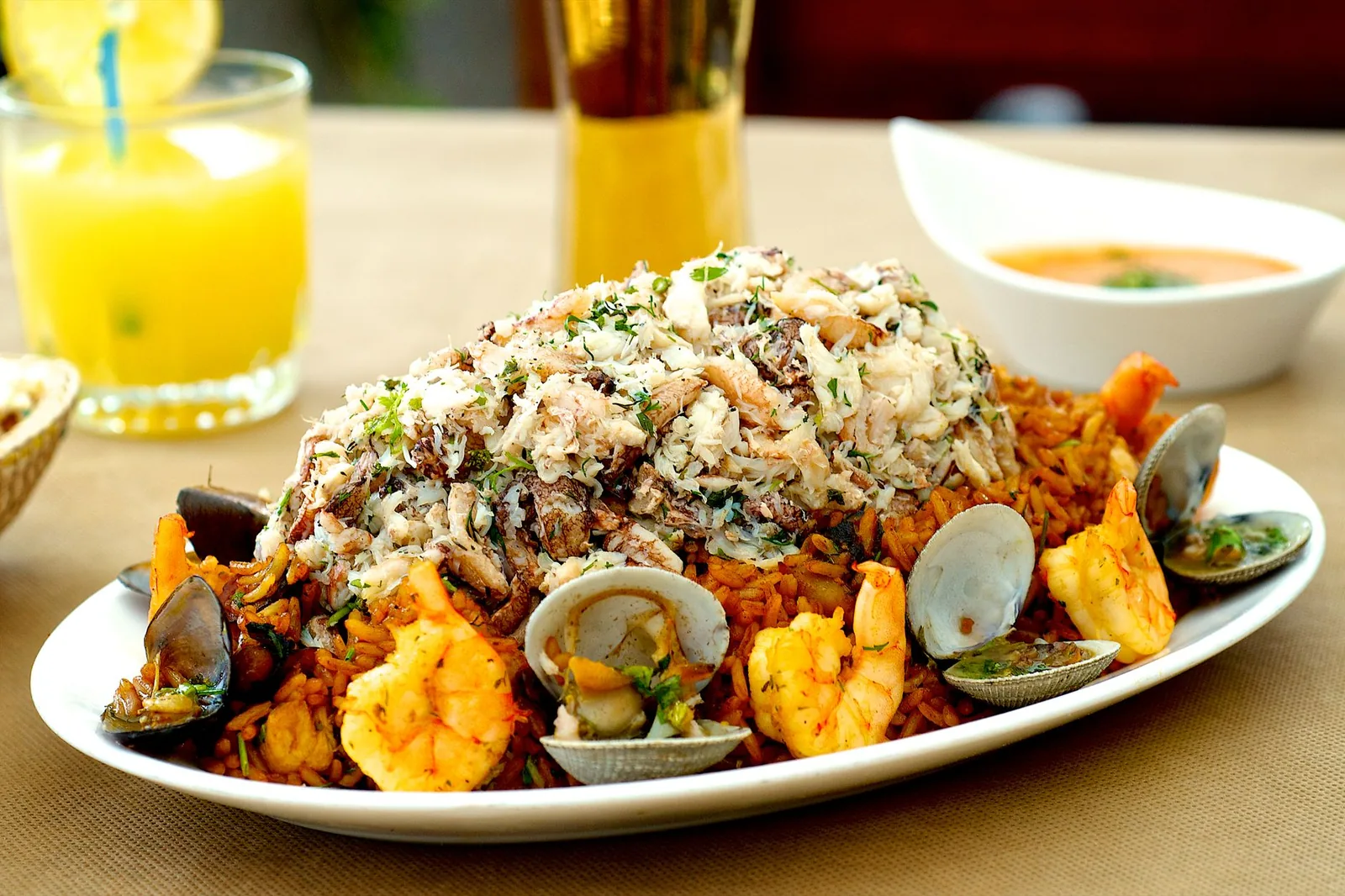
Riyadh is an excellent place to try Saudi and Najdi food, from traditional dishes in heritage-style restaurants to modern interpretations in Diriyah, KAFD and Al Olaya.
Kabsa is the obvious starting point: a fragrant rice dish generally served with meat or chicken. Recipes vary, so trying it at more than one restaurant can reveal different approaches. Jareesh, made with crushed wheat and often served as a savoury preparation with meat or other accompaniments, is another traditional choice.
Matazeez is a Najdi dish combining meat, vegetables and small pieces of dough in a stew. Mutabbaq, a folded and pan-fried savoury pastry, is more casual and works well as a quick meal or snack.
Saudi coffee and dates are central to local hospitality. Cardamom-scented coffee is often served in small cups, with dates providing a sweet accompaniment. It is one of the simplest introductions to local flavours.
For a traditional setting, look for Najdi restaurants and heritage-inspired venues. Diriyah, KAFD and Al Olaya also offer contemporary Saudi, Middle Eastern and international dining. Restaurant locations, menus, opening hours and reservation rules can change quickly, particularly during event seasons, so check individual venues before visiting.
Expect many restaurants and entertainment venues to become livelier later in the day, especially during cooler months. Prayer-time interruptions, Friday schedules, Ramadan and public holidays can affect service, so avoid relying on a rigid meal timetable.
When to Visit Riyadh
The cooler period from approximately November to March is generally the most comfortable time to visit Riyadh. Walking through heritage districts, visiting outdoor viewpoints and joining desert excursions are easier when daytime temperatures are moderate. Even in winter, evenings can feel cool enough to justify carrying a light jacket.
Indicative planning ranges supplied for Riyadh are about 13–23°C in winter, 23–38°C in spring, 25–43°C in summer and 18–35°C in autumn. These are broad seasonal guides rather than guarantees, so check a current forecast for the specific dates of your trip.
Spring: March to May
Early spring can offer pleasant mornings and evenings, but conditions become increasingly hot as the season progresses. By late spring, plan outdoor sightseeing for early or later in the day and use museums, malls and indoor venues during the hottest hours.
Summer: June to August
Summer is extremely hot, particularly during the day. A summer visit is possible, but it needs a different rhythm: focus on museums, shopping centres, restaurants and evening activities, and avoid long outdoor walks in the afternoon. Check attraction opening hours because seasonal operations may change.
Autumn: September to November
September can still be very hot. Temperatures generally become more manageable from October onward, making late autumn a useful period for outdoor sightseeing. Check the forecast before arranging a desert trip, as conditions can vary considerably.
Winter: December to February
Winter is usually the most comfortable season for a first visit. It is well suited to Diriyah, central Riyadh and desert excursions, although evenings can be cool. Entertainment programming is often an important part of the winter calendar, but event dates and venue availability must be confirmed for the year of travel.
How to Get Around Riyadh
Riyadh’s size is the main practical challenge. Attractions that appear close on a map may be separated by broad roads and busy traffic, and walking between unrelated districts is rarely realistic, especially in summer.
The Riyadh public transport network now integrates six metro lines with a city bus system. Official city information lists six train lines and 84 stations, alongside 80 bus routes. Metro and bus ticket products are managed through the darb system, with purchases available through the app, at stations or from vending machines. Fares, operating hours, service changes and app procedures should be checked through current official information.
Public transport is most useful when your hotel and destination are close to a station or major corridor. You may still need a taxi or ride-hailing vehicle for the final section, particularly when visiting Diriyah, restaurants, large event venues or attractions outside the rail network.
Licensed airport taxis and ride-hailing services are available. At large venues and airports, confirm the designated pickup area before requesting a car. A rental car can be useful for dispersed city sightseeing, but Riyadh traffic, parking and multilane roads can be demanding for unfamiliar drivers.
Arriving at King Khalid International Airport
Most visitors arrive at King Khalid International Airport, or RUH, approximately 35 kilometres from central Riyadh. The airport has five passenger terminals. Riyadh Metro Line 4 connects the airport corridor with the city and KAFD, while taxis, ride-hailing and car rental are also available.
Terminal assignments and airline locations can change. Check the terminal using your current flight information and confirm it with the airline or airport before departure. Allow extra time during busy travel periods and major city events.
For Edge of the World and other desert excursions, use an experienced licensed operator or a suitable 4×4. Rough tracks, heat and changing access conditions make an ordinary city rental car a poor choice for remote desert routes.
Which Riyadh experience would you most want to build your trip around?
Best Day Trips from Riyadh
Edge of the World
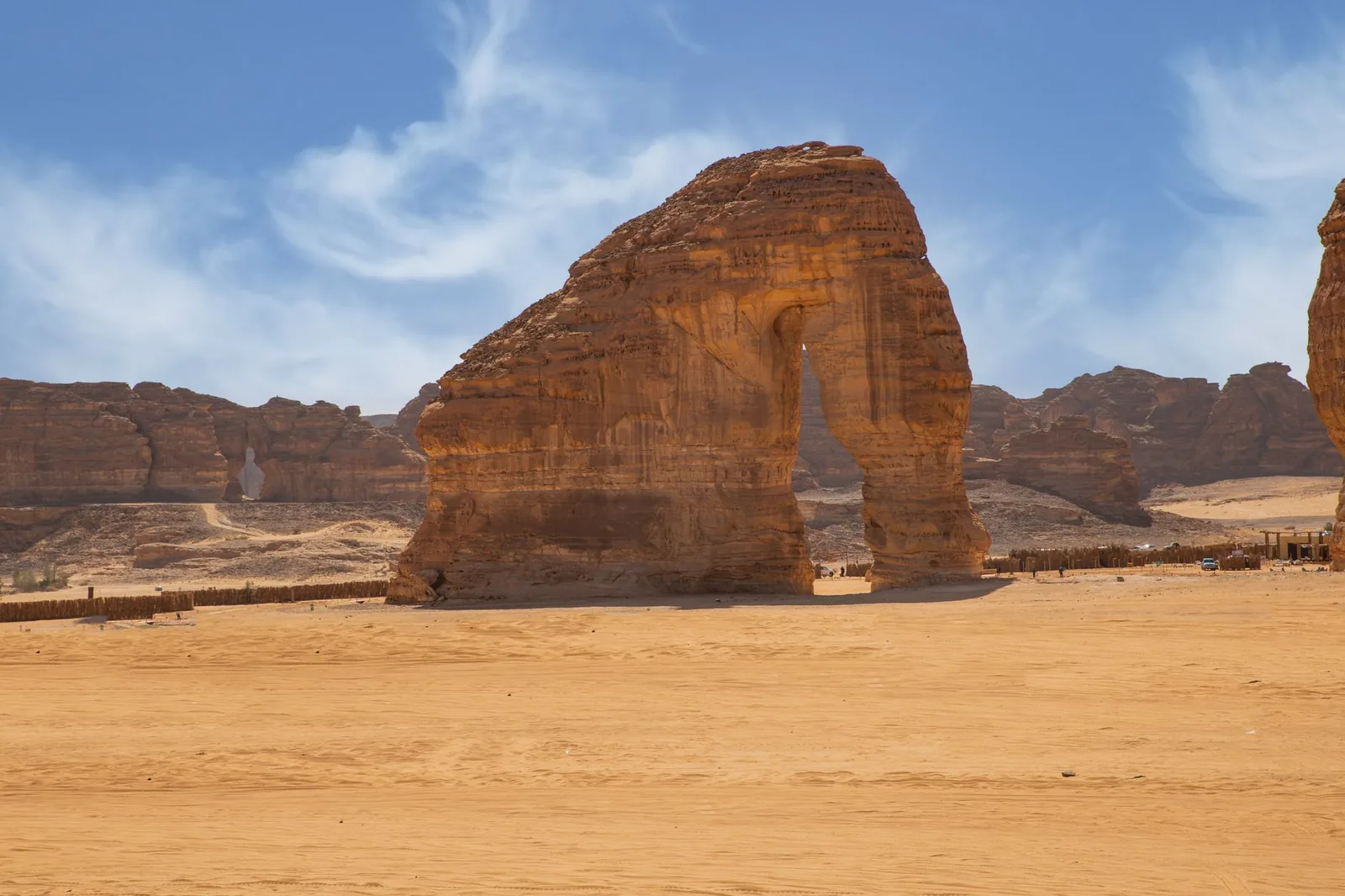
The Edge of the World is Riyadh’s most dramatic nearby nature excursion. The escarpment lies northwest of the city in the Tuwaiq Mountains, with expansive desert views, cliff scenery and strong sunset photography opportunities.
Plan it as a full-day outing. The approach involves a substantial drive and rough tracks, and access can be affected by weather, road conditions, local safety guidance or restrictions. Use an experienced licensed guide and a suitable 4×4 rather than attempting the route without preparation. Although the current tourism information states that no entry ticket is required, transport and guided-excursion costs may still apply.
Red Sand Dunes
The Red Sand Dunes provide a more accessible desert experience near Riyadh. Organized activities may include 4×4 dune driving, sandboarding, camp experiences, refreshments, cultural activities or stargazing. Packages differ, so check exactly what is included, where pickup takes place and whether equipment or insurance is covered.
Departure times often shift with the season and heat. Early or late outings are generally more practical than spending the middle of a hot day exposed on the dunes.
Rawdat Tinhat
Rawdat Tinhat is a natural meadow within the King Abdulaziz National Reserve. After suitable rainfall, it can become green and flower-filled, making it a very different landscape from Riyadh’s built-up centre and surrounding desert.
Its appeal depends heavily on recent weather. Verify rainfall, road conditions, access arrangements and any current conservation guidance before making the journey.
A full Diriyah cultural day
Diriyah is within the wider Riyadh metropolitan visitor circuit rather than a distant day trip, but it deserves at least half a day and often a full day. Combine At-Turaif, Bujairi Terrace, JAX District, Wadi Hanifah and a meal rather than trying to visit only one attraction before returning to central Riyadh.
Practical Tips for Visiting Riyadh
- Check Saudi entry requirements and eVisa eligibility for your nationality before booking. Passport validity requirements and permitted stay conditions should be confirmed on the official visa portal.
- Dress modestly in public places. Women are not generally required to wear an abaya, but all visitors should avoid tight, revealing or otherwise inappropriate clothing. Religious sites may have additional requirements.
- Alcohol is prohibited under Saudi law. Do not plan to buy, carry or consume it.
- Carry water, sun protection and comfortable shoes for Diriyah, museums, outdoor viewpoints and desert activities.
- Check current opening hours, ticket rules and prices immediately before visiting. Old travel blogs and guidebooks can be out of date.
- Do not assume Riyadh Season attractions operate year-round. Confirm current dates for Boulevard Riyadh City, Boulevard World and other event-led venues.
- Ask before photographing people, private property, government facilities or security-sensitive sites, and follow any posted photography restrictions.
- Check prayer-time interruptions, Friday arrangements, Ramadan schedules, Eid changes and public-holiday closures.
- If booking a desert tour, confirm transfers, meals, equipment, insurance, optional activities and cancellation terms.
- Keep the Saudi tourism assistance number 930 available, and verify emergency and service details through current official sources.
Riyadh Travel FAQ
Is Riyadh worth visiting for tourists?
Yes. Riyadh is particularly rewarding for travelers interested in Saudi history, modern architecture, museums, dining, entertainment and nearby desert landscapes. The city’s attractions are spread out, so a planned itinerary and reliable transport are important.
How many days do you need in Riyadh?
Three full days cover the principal museums, historic centre, Kingdom Centre and Diriyah at a reasonable pace. Four or five days allow time for a desert excursion, additional dining, shopping and seasonal entertainment.
What is the best month to visit Riyadh?
The cooler months from roughly November through March are generally the most comfortable for outdoor sightseeing and desert trips. Exact temperatures, event dates and venue schedules vary, so check current forecasts and official calendars.
Can tourists use the Riyadh Metro?
Yes. Riyadh Metro operates as part of an integrated metro-and-bus public transport system. Tickets can be purchased through the darb app, at stations or from vending machines. Official information states that ticket products cover both metro and bus travel. Check current fares, operating hours and service updates before using the network.
What airport do you fly into for Riyadh?
Most visitors use King Khalid International Airport, airport code RUH. It is about 35 kilometres from central Riyadh and is connected to the city by the Riyadh Metro airport corridor, in addition to taxis, ride-hailing and car rental.
Is Diriyah inside Riyadh?
Diriyah is a separate historic city and governorate area immediately northwest of Riyadh. It forms part of the wider Riyadh metropolitan visitor circuit, and At-Turaif is a UNESCO World Heritage property within Diriyah. Allow travel time between Diriyah and central Riyadh attractions.
Do visitors need to wear an abaya in Riyadh?
Women are not generally required to wear an abaya, but all visitors should dress modestly in public and avoid tight, revealing or inappropriate clothing. Religious sites may have additional requirements.
Is Edge of the World free to enter?
The current tourism information states that no entry ticket is required. Reaching the site can still involve paid transport, a guided excursion or a suitable 4×4. Check access, weather and safety conditions before leaving Riyadh.
Final Thoughts
Riyadh is not a city to experience by ticking off a handful of nearby sights. Its scale is part of the experience: historic central districts, modern business quarters, Diriyah’s heritage areas and the surrounding desert each reveal a different side of the capital.
Build your itinerary around clusters. Pair the National Museum with Al-Murabba, explore Al Masmak with historic central Riyadh, devote a proper half or full day to Diriyah, and reserve a separate day for the desert. Visit in the cooler months if outdoor sightseeing is a priority, and verify all event dates, opening hours and transport details before setting out. With that preparation, Riyadh offers a compelling introduction to Saudi Arabia’s history, culture and rapidly changing urban life.
Inspired? Start planning your trip.
Move from inspiration to planning with BookingTabs — explore hotels, tours and travel options in one place.
Join the conversation
Ask a question, share a travel tip, or help another traveler plan with confidence.
Leave a comment
No account or email required.