
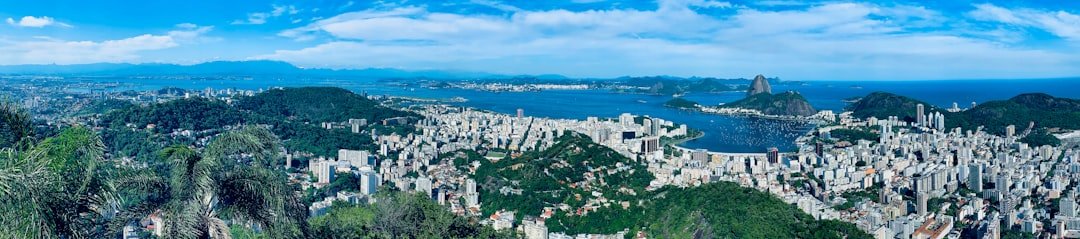
Brazil Unpacked: From Sunlit Beaches to Lush Rainforests and City Rhythms
Brazil is a country of theatrical contrasts: sweeping Atlantic beaches and thunderous waterfalls, teeming metropolises and quiet river waterways, Afro-Indigenous traditions and a modern art scene. Whether you want to trade the bustle of São Paulo for samba in Rio de Janeiro, watch pink dolphins at the Meeting of Waters, or track jaguars in the Pantanal, Brazil rewards travelers who balance iconic sights with slower, local experiences. This guide unpacks the essentials—must-see attractions, authentic experiences, optimal travel times, and smart practical advice—so you can plan an itinerary that combines sun, sound, and rainforest green without wasting time on what doesn’t belong in a Brazilian adventure.
Must-See Attractions
Brazil’s landmarks span natural wonders and urban icons. In Rio de Janeiro, visit Christ the Redeemer atop Corcovado for sweeping city and coastline vistas, then cross to Sugarloaf Mountain for a sunset cable-car ride over Guanabara Bay. Copacabana and Ipanema are world-famous beaches where carioca beach culture—beach volleyball, kiosks, and sunset promenades—plays out daily.
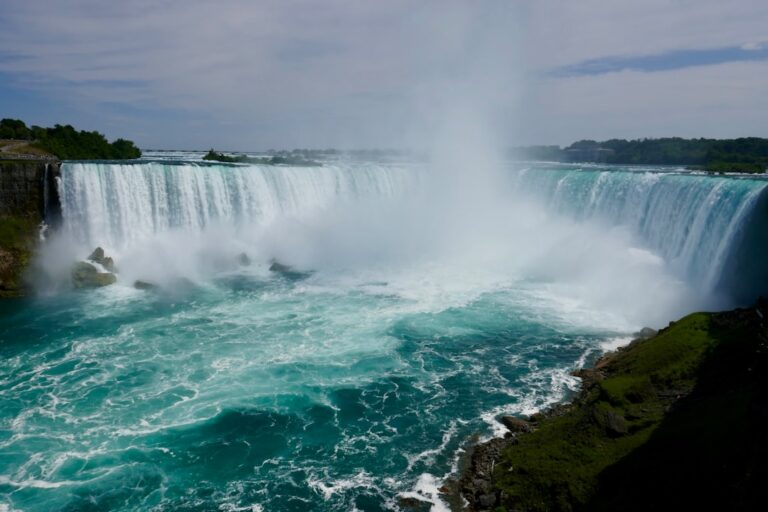
In the south, Iguazu Falls (Foz do Iguaçu) is one of the planet’s most dramatic waterfall systems. Walk the Rainforest and Devil’s Throat trails on both Brazilian and Argentine sides for different perspectives of the cascades and rainforest flora.
The Amazon Basin centers on Manaus, the gateway city where river cruises and lodges launch into primary rainforest. The “Meeting of Waters” near Manaus—where the dark Rio Negro and sandy-colored Solimões run side by side—is a striking natural phenomenon.
For wildlife viewing, the Pantanal is unrivaled for jaguar, caiman, capybara, and birdlife; the dry season concentrates animals at shrinking waterholes. For islands, Fernando de Noronha offers crystal-clear waters and abundant marine life—excellent for snorkeling and diving.
Historic centers like Salvador’s Pelourinho and Olinda’s colonial streets showcase Brazil’s Afro-Brazilian and colonial heritage with baroque churches, colorful façades, and lively street music. São Paulo, Brazil’s economic engine, is a cultural capital with world-class museums (Museu de Arte de São Paulo, Pinacoteca) and a dynamic food scene.
Best Time to Visit
Brazil’s size means weather varies widely by region. Coastal southeast (Rio, São Paulo): warm and humid with summer (December–March) offering beach weather but also higher rainfall and peak crowds. Carnival falls in late summer and draws large crowds; book months in advance. The best months for good weather and thinner crowds are April–May and September–November.
North/Amazon region: the dry season (roughly July–December, depending on location) often means lower water levels but easier jungle trails and better wildlife spotting along riverbanks. River cruises run year-round but itineraries change with water levels; check timing with operators.
Pantanal: the dry season (May–October) is the best time for wildlife concentrations and easier road access, while the wet season (November–April) floods large areas and shifts animal behavior.
Northeast beaches (Bahia coast, Pernambuco): high season is December–March and July (Brazilian winter holidays). For calmer seas and good diving visibility in Fernando de Noronha, August–December are excellent months.
Always consider festivals and regional holidays—Brazilian school vacations (July and December–January) increase domestic tourism and raise prices.
Essential Travel Tips
Transportation: Domestic flights save time on long distances—Brazil is large and overland journeys can be lengthy. Major airports include GRU (São Paulo), GIG (Rio), SSA (Salvador), and MAN (Manaus). In cities, use registered taxis or ride-hailing apps (e.g., 99, Uber) and avoid unmetered rides. Intercity buses are comfortable and economical for shorter routes.
Money: The currency is the Brazilian real (BRL). Credit cards are widely accepted in cities, but carry cash for markets, small vendors, and remote lodges. ATMs are common in urban areas; notify your bank about travel to avoid card blocks.
Safety: Use common-sense precautions—keep valuables discreet, avoid quiet isolated areas after dark, and use hotel safes. Petty theft and pickpocketing occur in tourist hotspots. In the Amazon and Pantanal, follow guides’ safety instructions for wildlife encounters and river travel.
Packing: Bring lightweight clothing for the coast, breathable layers for humid jungle environments, a rain jacket for sudden downpours, and sturdy walking shoes for hikes. For insect-prone areas, pack insect repellent with DEET and consider long sleeves/pants. Sun protection—reef-safe sunscreen, hat, and sunglasses—is essential on beaches and boat trips.
Local etiquette: Brazilians are warm and social—greetings often include a handshake or cheek kiss in informal contexts. Learn basic Portuguese phrases; even simple words (obrigado/a, por favor) are appreciated. Respect local customs around religious sites, and ask permission before photographing people in ritual spaces.
Frequently Asked Questions
Do I need a visa to visit Brazil?
Visa requirements depend on your nationality. Many countries have visa-free entry or e-visa arrangements, but always check the latest entry rules with Brazilian consulates and official government sources before travel.
Is it safe to swim at Brazilian beaches?
Popular urban beaches like Copacabana and Ipanema are generally safe for swimming during daylight, but check local flags and lifeguard advice for rip currents. Remote beaches and island currents vary—ask local guides or accommodation staff before entering the water.
What vaccinations or health precautions are recommended?
Routine vaccinations should be up to date. Yellow fever vaccination is recommended for travel to certain regions (check the Ministry of Health guidance). For Amazon and Pantanal trips, bring mosquito prevention and consult a travel clinic about antimalarial recommendations based on specific itinerary.
How do I get around the Amazon or Pantanal?
Travel within the Amazon and Pantanal is typically by boat or 4×4 vehicles operated by lodges and tour operators. Book reputable operators that prioritize experienced guides and safety equipment; many multi-day wildlife excursions include transportation from nearest airports.
Can I use my phone and data in Brazil?
Major urban areas have good mobile coverage and Wi‑Fi in hotels and cafés. Consider buying a local SIM card for better rates and coverage outside cities. Check roaming plans with your carrier for international data options.
Conclusion
Brazil is a destination of layered experiences: iconic urban panoramas and intimate encounters with nature coexist across its vast territory. Planning matters—match the season to your priorities (beaches, wildlife, festivals), mix headline attractions like Christ the Redeemer and Iguazu Falls with local markets, neighborhoods, and food traditions, and choose guided excursions for remote ecosystems. With thoughtful preparation on logistics, health, and safety, Brazil delivers a sensory-rich journey—where music, cuisine, and landscape combine to create memories that last long after the return flight.
Inspired? Start planning your trip.
Move from inspiration to planning with BookingTabs — explore hotels, tours and travel options in one place.
Join the conversation
Ask a question, share a travel tip, or help another traveler plan with confidence.
Leave a comment
No account or email required.