
Brazil Unpacked: Beaches, Cities, Rainforests and Culture
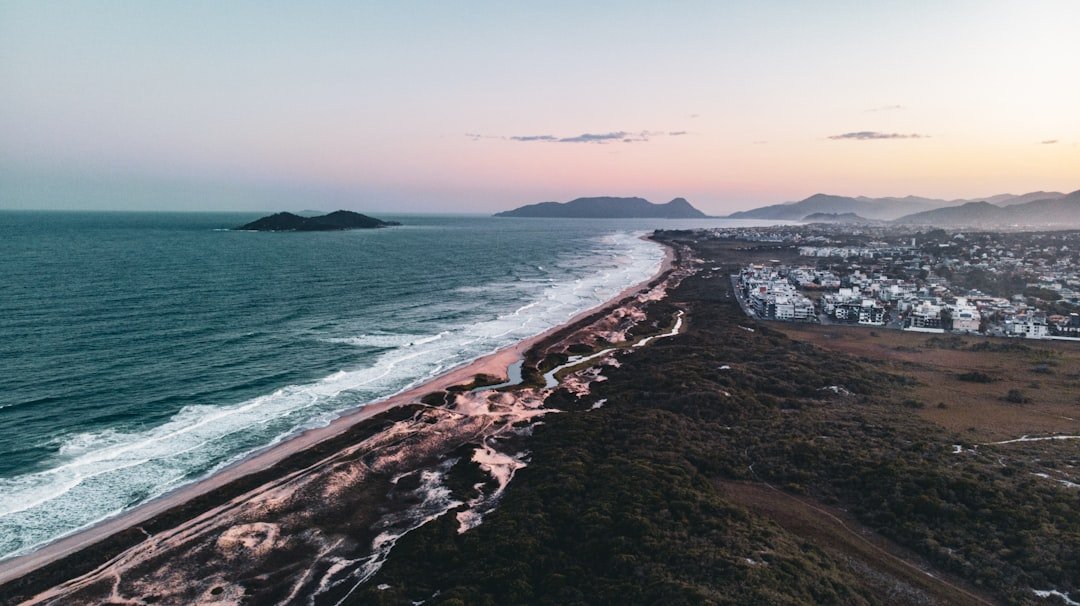
Brazil is a vast country of contrasts: frenetic cities, endless coastline, dense Amazonian jungle and musical street life. From the postcard vistas of Rio de Janeiro to the colonial colors of Salvador and the flooded plains of the Pantanal, Brazil rewards travelers who mix iconic sights with regional culture. Expect exuberant festivals, world-class beaches, remote nature reserves and a cuisine shaped by Indigenous, African and Portuguese influences. This guide condenses practical advice and seasoned recommendations so you can plan an itinerary that balances sun-soaked relaxation, urban discovery and adventurous exploration. Whether your priority is wildlife watching, food markets, surfing or simply soaking up local rhythms, Brazil offers variety on a grand scale.
Must-See Attractions
Brazil’s landmark attractions span natural wonders and urban icons. In Rio de Janeiro, visit Christ the Redeemer atop Corcovado and take the cable car to Sugarloaf Mountain for sweeping harbor views. Stroll the famous sands of Copacabana and Ipanema, and watch the sunset at Arpoador rock. Near the southern border, Iguaçu Falls (Foz do Iguaçu) presents a thundering series of cascades shared with Argentina and a walkway network that brings you close to the mist.
For colonial history, Salvador’s Pelourinho offers colorful churches, Afro-Brazilian culture and music. Ouro Preto and Paraty showcase Portugal-era architecture surrounded by mountainous landscapes. In the north, Manaus is the gateway to the Amazon—consider a river cruise or lodge stay to explore rainforest trails, rivers and wildlife.
Nature lovers should not miss the Pantanal, the world’s largest tropical wetland, famous for jaguar sightings and abundant birdlife; Lençóis Maranhenses National Park, where seasonal freshwater lagoons punctuate white sand dunes; and Fernando de Noronha, an offshore archipelago with some of Brazil’s best dive sites and marine conservation areas.
Local Experiences
Food: Taste Brazil’s regional specialties. Try feijoada (black bean stew) in a traditional restaurant, acarajé and moqueca in Bahia, churrasco in the south, pão de queijo in Minas Gerais and brigadeiro for dessert. Pair meals with a caipirinha or local fruit juices.
Markets: Visit Mercado Ver-o-Peso in Belém for Amazonian produce and handicrafts, Mercado Municipal in São Paulo (Municipal Market) for a sandwich and fresh fruit, and Feira de São Cristóvão in Rio to experience Northeastern music and cuisine in one place.
Viewpoints and neighborhoods: Explore Rio’s Santa Teresa neighborhood for bohemian streets and street art; walk São Paulo’s Avenida Paulista and the Jardins district for museums and cafés; wander Olinda’s hilltop streets for colonial charm. For panoramic sunsets, head to Morro da Urca in Rio or Forte de Copacabana.
Festivals: Time a visit for Carnival in February/March to experience samba parades and street bloco parties, or attend Festa Junina (June) celebrations in the Northeast for traditional dances and food. In the Amazon region, Parintins Festival (June/July) is a folkloric spectacle with folkloric rivalries and colorful performances.
Outdoor activities: Hike in Chapada Diamantina or Chapada dos Veadeiros for waterfalls and plateaus, surf on the beaches of Florianópolis and the northern coast, snorkel or dive in Fernando de Noronha, and go canoeing or wildlife-spotting in the Pantanal.
Best Time to Visit
Because Brazil spans many climates, “best time” depends on where you go. Coastal cities and the southeast (Rio, São Paulo) are pleasant in the dry months from May to September when humidity and rain drop and crowds are moderate. For Carnival, visit in February or March, but expect large crowds and higher prices.
The Amazon is most accessible from July to December during the dry season for easier jungle trails, while the high-water season (January–June) offers flooded-forest boat journeys and different wildlife viewing. The Pantanal’s dry season (July–October) concentrates animals around waterholes, improving wildlife sightings; the wet season (November–March) floods much of the plain and changes logistics.
Fernando de Noronha sees calmer seas and better visibility for diving between August and December. For Lençóis Maranhenses, the best months to see filled lagoons are July through September after the rainy season. If you want warm beach weather in the south, visit from December to March, but be prepared for Brazilian summer crowds.
Essential Travel Tips
Transportation: Brazil is large—use domestic flights between distant regions to save time. Long-distance buses are comfortable and economical for many routes, and overnight buses are common. Within cities, use ride-hailing apps (Uber, 99) or registered taxis; metros run in São Paulo, Rio and Brasília. Plan extra travel time for traffic in major urban centers.
Money: The Brazilian currency is the real (BRL). Credit and debit cards are widely accepted in cities and tourist areas, but carry cash for street markets, small purchases and remote areas. ATMs are common, but avoid using them at night or in isolated spots. Notify your bank before travel to prevent card blocks.
Safety: Exercise typical big-city caution—watch for pickpockets in crowded areas, avoid displaying expensive jewelry or large amounts of cash, and use hotel safes. Research neighborhoods to avoid after dark; ask locals or your accommodation staff for up-to-date advice. When visiting remote natural areas, book reputable guides and follow safety briefings for river and jungle excursions.
Packing: Bring lightweight clothing for tropical heat, a waterproof jacket for rainforest and sudden showers, reef-safe sunscreen, insect repellent, a good pair of walking shoes, and a water bottle with a filter for remote outings. For Pantanal and Amazon trips, include long-sleeved shirts and pants for mosquito protection and binoculars for wildlife viewing.
Local etiquette: Brazilians are warm and tactile—expect handshakes, cheek kisses among acquaintances and friendly physical proximity. Learn basic Portuguese greetings (bom dia, obrigado/obrigada, por favor) to show respect. Tipping isn’t mandatory but common—10% service in restaurants is typical when not included; small tips for guides and drivers are appreciated.
Frequently Asked Questions
Do I need a visa to travel to Brazil?
Visa requirements vary by nationality. Many countries have visa-free arrangements with Brazil for short tourist stays, but always check the latest requirements with your government and the Brazilian consulate before booking.
Is it safe to swim at Brazilian beaches?
Most popular beaches like Copacabana and Ipanema have lifeguards and are safe for swimming, but always heed local flags and warnings about currents. In remote or undeveloped beaches, ask locals about tides and hazards.
What vaccinations or health precautions are recommended?
Routine vaccinations should be up to date. Yellow fever vaccination is recommended or required for travel to certain Amazon and inland regions—check current health advisories. Use insect repellent and consider antimalarial advice for specific areas; drink bottled or treated water in remote regions.
How many days should I spend in Brazil?
Because distances are large, plan at least two weeks to visit two distinct regions (for example, Rio and the Amazon or Pantanal). For a broad experience covering coast, city and rainforest, three weeks is ideal. Shorter stays can focus on a single region.
Can I rely on English when traveling in Brazil?
English is commonly spoken in tourist hubs, higher-end hotels and major tour operators, but Portuguese is predominant. Learning a few phrases will make interactions smoother, especially in markets, small towns and rural areas.
Conclusion
Brazil is a destination of dramatic variety: beaches that anchor year-round coastal life, cities pulsing with music and gastronomy, and vast natural regions that test and reward adventurous travelers. Planning around seasons and distances helps you match experiences—whether that’s jaguar spotting in the Pantanal, samba in Salvador, or diving world-class reefs at Fernando de Noronha. Travel with curiosity and respect for local cultures and ecosystems, and Brazil will offer layered memories: vivid flavors, unforgettable vistas and lively human warmth.
Inspired? Start planning your trip.
Move from inspiration to planning with BookingTabs — explore hotels, tours and travel options in one place.
Join the conversation
Ask a question, share a travel tip, or help another traveler plan with confidence.
Leave a comment
No account or email required.