
Best Greek Islands for Beach Lovers, Foodies and Culture Seekers
Greece’s islands are a mosaic of landscapes, languages and culinary traditions that can be stitched together into a perfectly paced island-hopping itinerary. Whether you crave chalk-white Cycladic villages clinging to volcanic cliffs, tame sandy bays with crystalline waters, or mountain villages where centuries-old culinary craft endures, the Aegean and Ionian archipelagos offer a diversity few destinations can match. This guide highlights islands that balance beaches, cultural depth and food — from postcard-perfect sunsets to bustling tavernas serving recipes handed down through generations. Practical ferry tips and seasonal advice make it easy to design a trip that mixes relaxation with local discovery. Read on for the islands to prioritize, what to taste, where to go and how to travel smart between them.
Must-See Attractions
Greece’s islands offer iconic sights and quieter treasures. Here are the must-see highlights on a multi-island trip:
-
Santorini — Oia and Fira cliffs: World-famous caldera views and cave churches dramatically perched above a submerged volcano. Late-afternoon strolls through Oia’s lanes are essential for sunset photography and people-watching.
-
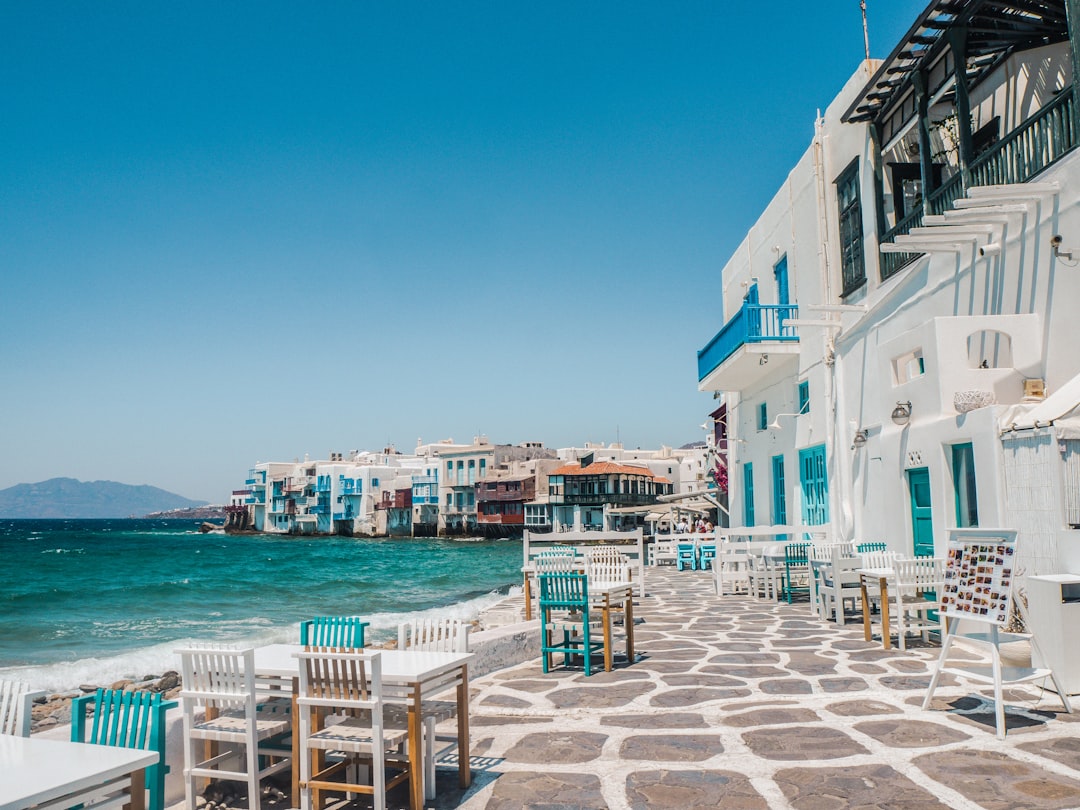
Mykonos — Little Venice & Windmills: Mykonos’ compact Chora mixes cosmopolitan nightlife with narrow alleys, while the 16th-century windmills and Little Venice waterfront offer picture-postcard charm.
-
Crete — Knossos & Chania Old Town: Crete combines Minoan archaeology at Knossos with Venetian harbors, Ottoman fountains and lively markets in Chania. The island’s size also means dramatic gorges like Samaria for active travelers.
-
Naxos — Portara and Mountain Villages: The massive marble doorway of the Temple of Apollo (Portara) frames sea views at sunset. Inland, traditional villages such as Apeiranthos preserve stone houses, local crafts and pastoral life.
-
Corfu — Old Fortress & Paleokastritsa: Corfu’s Venetian and British influences are visible in its architecture and fortifications. Paleokastritsa’s coves and monastic heritage make it a compelling day of exploration.
-
Zakynthos — Shipwreck Beach (Navagio): Iconic for its rusting ship on a white cliff-fringed cove. Best viewed from a cliff lookout or by boat for a closer perspective (note seasonal crowding and access restrictions).
-
Rhodes — Medieval Old Town: A remarkably intact fortified medieval town with cobbled streets, the Palace of the Grand Master and lively cultural programming in summer.
-
Ios or Paros — Beaches and Beachfront Villages: Great options for a relaxed beach-focused stop with tavernas spilling onto sand and simple cycladic charm without the crowds of the most famous islands.
Local Experiences
Island life is best understood through food, markets, neighborhoods, festivals and active time outdoors. Prioritize experiences that connect you to place and people.
-
Eat like a local: Seek family-run tavernas and simple specialties linked to each island: Santorini’s cherry tomatoes and fava, Crete’s dakos and grilled meats, Naxos’ potatoes and local cheeses, Corfu’s sofrito-influenced dishes. Order mezze and share to taste more.
-
Morning markets: Chania’s central market, Naxos town market and local farmers’ stalls are prime places to sample cheeses, preserved olives, honey and regional pastries. Markets reveal seasonal produce and friendly vendors happy to offer samples and tips.
-
Village viewpoints and promenades: Walk the waterfront in Chora towns at sunrise, climb hilltop Byzantine churches for panoramic views, or watch fishing boats come in at dawn for authentic local rhythm.
-
Festivals and local celebrations: If timing allows, attend a panigiri (village feast) — typically held in summer around a saint’s day — for music, dancing, roasted lamb and communal atmosphere. Larger islands host music and cultural festivals showcasing regional traditions.
-
Outdoor activities: Hike the caldera rim in Santorini, kayak around sea caves in Zakynthos, or hike up to villages in Naxos and Crete. Scuba diving and snorkeling reveal marine life off less-trafficked coves. Local guides can tailor excursions to ability and interest.
-
Food tours and cooking classes: Short cooking classes on Crete, Paros or Santorini provide hands-on insight into Mediterranean techniques — olive oil use, bread and pastry making, and preserving seasonal vegetables.
Best Time to Visit
Choosing when to island-hop depends on weather preferences and tolerance for crowds. The peak season (July–August) delivers reliably warm sea temperatures, full-service ferry schedules and lively nightlife but also heavy crowds and higher prices. Late spring (May–early June) and early autumn (September–mid October) are the sweet spot: warm swimming weather, blooming landscapes in spring and harvest-season produce in autumn, plus thinner crowds and more comfortable temperatures.
-
Spring (April–June): Blooming countryside, mild temperatures, ferries ramp up service; excellent for beaches and hiking.
-
Summer (July–August): Hot and busy, best for nightlife and guaranteed swimming conditions; book accommodation and ferries early.
-
Autumn (September–October): Warm sea, olive harvest activities, quieter towns and still-most tavernas open.
-
Winter (November–March): Many smaller islands slow down with limited services; Crete and Corfu retain more year-round life if traveling off-season for lower prices and cultural exploration.
Essential Travel Tips
Practicalities make island-hopping smoother. Keep these essentials in mind when planning routes and packing.
-
Ferries and intra-island transport: Book high-speed ferries for quicker hops and conventional ferries for flexibility with vehicles. Use schedules from reliable operators and include time for delays. Consider flying into large hubs (Athens, Heraklion, Corfu) then connecting by ferry.
-
Money and payments: Cash remains important on smaller islands and in family-run tavernas. ATMs are common in main ports but can be sparse in tiny villages; carry some euros and a card with low foreign transaction fees.
-
Safety and health: Greek islands are generally safe; basic precautions like sun protection, staying hydrated and watching for strong sun or gusty meltemi winds are essential. Pharmacies are widespread in towns.
-
Packing: Pack light layers for evenings, sturdy sandals for cobbled streets, reef-safe sunscreen, swim shoes for pebbly beaches and a lightweight daypack for hikes and market visits.
-
Local etiquette: Dress modestly when visiting churches and monasteries; be respectful during religious observances. Tipping around 5–10% in restaurants is appreciated but not mandatory.
-
Connectivity and planning: Mobile service is good in most island towns but may be patchy on remote beaches. Download ferry schedules and offline maps; reserve accommodations and popular activities in high season.
Frequently Asked Questions
How many islands should I plan to visit on one trip?
For a relaxed island-hop, aim for three to four islands in 10–14 days. This allows time to settle, explore local villages, enjoy beaches and include travel days without constant moving.
What’s the best way to travel between islands?
Ferries are the most common method; high-speed catamarans shorten crossings but can be less comfortable in rough seas. Domestic flights connect major islands like Crete and Rhodes to Athens. Combining a flight-to-ferry approach often saves time.
Are the islands family-friendly?
Many islands are family-friendly: Naxos, Paros and Crete offer calm beaches and family-run accommodations. Some Cycladic islands are more nightlife-focused and may be less suited to families with young children.
Do I need to rent a car or scooter?
Rent a car for larger islands (Crete, Corfu, Naxos) to reach remote beaches and mountain villages. On compact islands and main Choras, walking and local buses are usually sufficient; scooters work well for short hops but use caution on narrow roads.
Can I eat well on a budget?
Yes. Seek out tavernas away from main tourist strips, try daily set menus (menú tou xísta) or cook using fresh market produce if your accommodation has facilities. Shared plates and mezze also stretch a budget while letting you taste more dishes.
Island hopping in Greece is richly rewarding: each stop offers a distinct combination of beaches, heritage and flavor. Prioritize islands that match your interests — sunbathing and sea caves, culinary immersion, archaeological depth or lively nightlife — and plan routes that minimize excess travel time. Travel in shoulder seasons for the best mix of weather and fewer crowds, and use local ferries and small-group tours to connect to authentic experiences. With a flexible pace, curiosity for neighborhood life and appetite for regional cuisine, a multi-island itinerary becomes not just a vacation, but a layered encounter with Greece’s enduring island cultures.
Inspired? Start planning your trip.
Move from inspiration to planning with BookingTabs — explore hotels, tours and travel options in one place.



Join the conversation
Ask a question, share a travel tip, or help another traveler plan with confidence.
Leave a comment
No account or email required.