
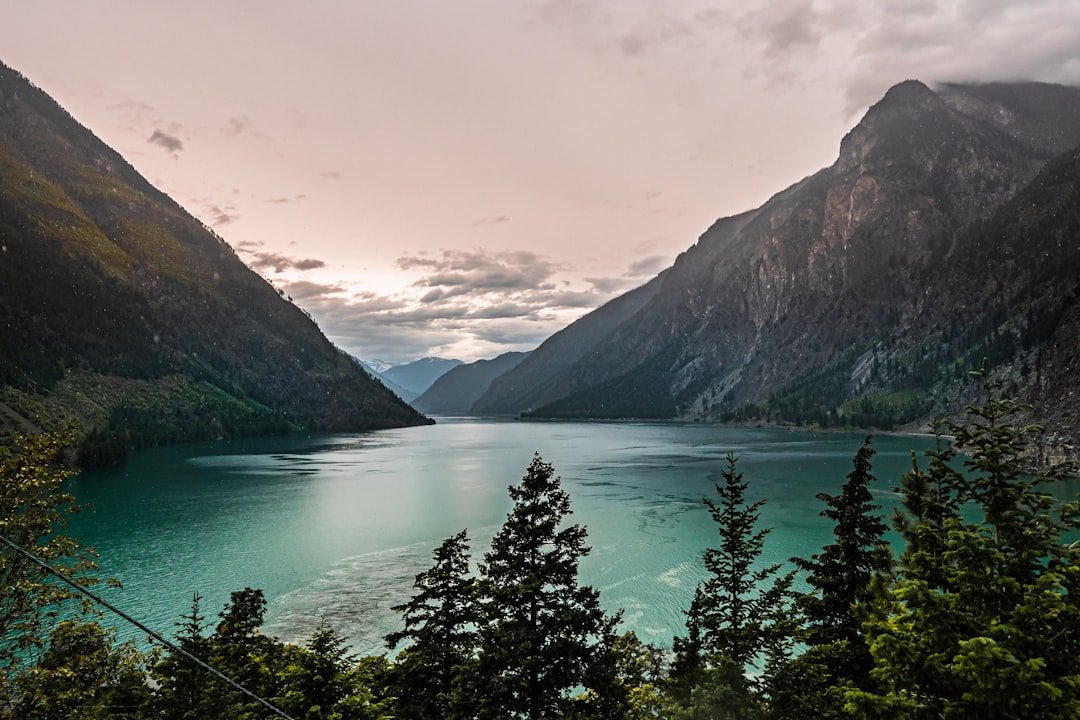
Explore British Columbia: Mountains, Coastlines, and Scenic Routes
British Columbia is Canada’s western edge where snow-capped peaks plunge into the Pacific and temperate rainforests meet rocky shorelines. From the glacial fjords of the Great Bear Rainforest to sun-soaked vineyards of the Okanagan, BC condenses a world of landscapes into driveable distances. Outdoor enthusiasts come for powder in the Coast and Columbia ranges, surfers and storm watchers flock to the wild beaches of Vancouver Island, and food lovers find a thriving farm-to-table scene across the Lower Mainland and interior valleys. This guide highlights the province’s signature places and experiences—practical enough for trip planning, evocative enough to inspire lingering stops along highways, ferries and forest trails.
Must-See Attractions
British Columbia’s geography creates a roster of unmissable sights. Vancouver is the natural urban gateway: Stanley Park’s seawall offers skyline and mountain panoramas, Gastown preserves restored Victorian streets, and Granville Island’s public market showcases local produce and artisans. Follow the Sea-to-Sky Highway (Highway 99) north from Vancouver to Squamish for dramatic fjord views and the Stawamus Chief’s granite monoliths.
Further north and inland, Whistler is North America’s premier year-round alpine resort—summer hiking and mountain biking complement world-class skiing. In the interior, the Okanagan Valley centers on Kelowna and Penticton, where vineyards, orchards and warm lakeshores define the landscape. East of the Coast Range, the Kootenay and Columbia mountain ranges hide hot springs and alpine parks such as Kootenay National Park and Glacier National Park (BC side), with access to iconic routes like the Icefields Parkway extension toward Yoho.
Vancouver Island deserves its own itinerary: the provincial capital Victoria features the Inner Harbour and the floral display of Butchart Gardens, while the west coast town of Tofino anchors Pacific Rim National Park Reserve, known for rugged beaches, surf and ancient rainforest. For remote coastal wilderness, consider the Great Bear Rainforest and the Inside Passage; both are accessible by specialized tours and ferries and offer wildlife viewing from orca and humpback whales to coastal wolves.
Local Experiences
Food and markets: Granville Island Public Market and Victoria’s Fisherman’s Wharf are excellent for fresh seafood, local cheeses, and artisan goods. In the Okanagan, tasting rooms and farmers’ markets link directly to vineyards and orchards—look for pinot noir, chardonnay and Okanagan peaches. Indigenous culinary experiences are increasingly available across the province; check local cultural centres and tour operators for respectful, community-led offerings.
Viewpoints and neighborhoods: Vancouver’s North Shore—Lynn Canyon and Capilano offer suspension bridges and forest walks, while Kitsilano and Commercial Drive provide neighborhood cafés and shops. Drive the Sea-to-Sky for panoramic pullouts at Shannon Falls and Howe Sound. In Kelowna and Penticton, lakeside promenades and rooftop patios are local rituals at sunset.
Outdoor activities: BC is a playground for active travel. Ski and snowboard in Whistler and the Powder Highway resorts around Revelstoke and Kicking Horse. Hike iconic trails such as Joffre Lakes, Garibaldi Lake and the West Coast Trail on Vancouver Island. Sea kayaking around the Gulf Islands, whale-watching off Victoria and Tofino, and surfing Clayoquot Sound are signature maritime pursuits. For mellow exploration, take BC Ferries to Salt Spring Island or the Southern Gulf Islands for cycling and artisan studios.
Festivals and culture: Vancouver International Film Festival and the Celebration of Light fireworks are major city events; Victoria hosts seasonal arts and food festivals. Regional fairs in small towns punctuate summer weekends—check municipal calendars for farmers’ markets, music series and Indigenous cultural events.
Best Time to Visit
British Columbia’s climate varies dramatically by region, so timing depends on your priorities. For coastal and island travel, late spring through early fall (May–September) offers mild weather, longer daylight and the best conditions for kayaking, hiking and ferry travel. July and August are peak months with warm temperatures and busiest crowds—book accommodations and ferry reservations in advance.
For alpine conditions and winter sports, December through March is prime for consistent snow in Whistler, Revelstoke and the Kootenays. Shoulder seasons (April–May and September–October) can be quieter and gentler on the wallet: spring brings wildflowers in the interior and softer crowds on trails, while fall displays color and harvest events in the Okanagan.
Wildlife viewing windows: whale watching around Victoria and the central coast tends to be best from late spring to early fall. Storm-watching on Vancouver Island’s west coast is spectacular in late fall and winter, when Pacific storms bring dramatic surf—dress for wet and windy conditions. If you plan to visit remote wilderness like the Great Bear Rainforest or Haida Gwaii, check local operators for seasonal access and weather-dependent schedules.
Essential Travel Tips
Transportation: Rent a car for interior and coastal drives, but expect ferry travel for Vancouver Island and many Gulf Islands—BC Ferries requires reservations during peak season. In and around Vancouver, public transit (SkyTrain, buses, SeaBus) is efficient and parking is expensive; consider staying near transit lines. For remote or wilderness access, fly-in lodges and charter services are available but costlier.
Money and bookings: Credit cards are widely accepted; carry some cash for farmers’ markets and small vendors. Book popular accommodations, ferries and guided activities months in advance for summer travel. Provincial park campsites also fill quickly—reserve ahead through BC Parks or private camp providers.
Safety and wildlife: Always follow posted guidelines in bear country—carry bear spray where advised and know how to use it. On the coast, tides and currents can be hazardous; hire experienced guides for sea kayaking or tidepooling. Trail conditions vary—check local park advisories for closures or hazards and pack layers, navigation tools and sufficient water.
Packing and etiquette: Dress in layers year-round—coastal weather changes rapidly. Waterproof outerwear and sturdy footwear are essential for forest trails and shorelines. Respect Indigenous territories, signage and protocols; many culturally significant sites require permits or guided visits. Leave no trace: BC’s natural beauty depends on responsible travel.
Frequently Asked Questions
How do I get from Vancouver to Vancouver Island?
BC Ferries operates vehicle and foot passenger routes from Tsawwassen (south of Vancouver) to Swartz Bay (Victoria) and from Horseshoe Bay to Nanaimo. The trip to Swartz Bay takes about 90 minutes; book ahead in summer. Alternatively, small airlines offer frequent flights from Vancouver International Airport (YVR) to Victoria (YYJ) or Nanaimo.
Is it safe to see wildlife like bears and whales?
Yes, with proper precautions and reputable guides. Whale-watching operators adhere to regulations that minimize disturbance. For bears, stay informed about sighting reports, travel in groups, store food securely and carry bear spray where recommended. Respect distance guidelines and never approach or feed wildlife.
Do I need a car to explore British Columbia?
A car is highly recommended for exploring the interior, the Sea-to-Sky corridor, the Okanagan and the Kootenays. In Vancouver and Victoria, public transit, cycling and walking make a car optional. For island-hopping among smaller Gulf Islands, ferries and water taxis offer alternatives.
What vaccinations or health preparations are needed?
No special vaccinations are required for travelers from the U.S. or most western countries beyond standard immunizations. Carry any prescription medications and travel health insurance that covers outdoor activities and emergency evacuation if you plan remote adventures. Check current public health guidance before travel.
How much time should I allocate for a BC trip?
For a focused trip: 4–7 days allows for a Vancouver plus Vancouver Island or Sea-to-Sky/Whistler loop. Two weeks or more gives time to combine the coast, interior (Okanagan) and a taste of the Kootenays or northern coastal areas. Travel times between regions add up—factor in ferry crossings and scenic drives.
Conclusion
British Columbia pairs dramatic natural variety with accessible infrastructure for travelers seeking mountains, coastline and cultural depth. Whether you move from urban Vancouver through the Sea-to-Sky corridor to alpine Whistler, follow the ferry routes to Victoria and the west coast of Vancouver Island, or head inland to the sun-warmed Okanagan and rugged Kootenay ranges, each region offers distinct landscapes and seasonal highlights. Practical planning—season-aware packing, advance bookings and respect for wildlife and Indigenous places—lets you enjoy BC’s best with minimal fuss. Travel slowly where possible: the province rewards detours, roadside viewpoints and time spent listening to the rhythms of both ocean and mountain.
Inspired? Start planning your trip.
Move from inspiration to planning with BookingTabs — explore hotels, tours and travel options in one place.
Join the conversation
Ask a question, share a travel tip, or help another traveler plan with confidence.
Leave a comment
No account or email required.