
Vancouver Travel Guide
Vancouver makes it unusually easy to combine a city break with time outdoors. The coastal city sits between the Pacific Ocean and the Coast Mountains, with beaches, rainforest, waterfront paths, gardens and mountain viewpoints close to museums, markets, restaurants and lively neighborhoods. It is also one of the more manageable North American cities for a car-free trip, thanks to an extensive public transport network and a compact central area.
Three or four full days is a useful starting point. That gives you time for downtown, Stanley Park, Granville Island, one North Shore excursion and a museum or garden. With five days or more, you can add Whistler, Victoria, Bowen Island or another trip beyond the city.
Vancouver occupies the traditional and unceded territories of the Musqueam, Squamish and Tsleil-Waututh Nations. Travelers can support Indigenous-owned and Indigenous-led cultural experiences while learning more about the Nations whose territories they are visiting.
Why Vancouver Is Worth Visiting
Vancouver is a strong choice for travelers who want variety without spending hours moving between destinations. In one day, you can walk beside the harbor, cycle through a rainforest park, eat excellent Asian cuisine, visit a major art museum and finish with a mountain view.
The city works particularly well for:
- First-time Canadian city breaks
- Outdoor and nature-focused trips
- Food-focused travel
- Families and multigenerational groups
- Couples looking for a scenic short break
- Travelers who prefer not to rent a car
- Arts, culture and Indigenous tourism
- Cruise extensions before or after sailing from Canada Place
Its main strengths are the ease of combining urban and natural attractions, the range of dining across Vancouver and nearby Richmond, and the number of regional destinations accessible by road, ferry, shuttle or organized tour. The main planning challenge is geography: North Shore attractions are not downtown, and a trip to Victoria involves a significant transport commitment rather than a simple hop across the city.
What to See and Do in Vancouver
Planning your activities? Compare tours and activities for Vancouver on BookingTabs.
Explore Stanley Park and the Seawall
Stanley Park is Vancouver’s signature urban nature experience. The large West Coast rainforest park includes coastal paths, forest trails, beaches, gardens, monuments and the Vancouver Aquarium. The Seawall provides a memorable way to experience the park, but it is much longer and more substantial than a quick waterfront viewpoint.
Set aside several hours rather than trying to squeeze Stanley Park into a short gap between other attractions. You can walk, cycle, use public transport or drive to parts of the park, although current road and facility conditions should be checked before visiting. A bicycle is useful for covering more ground, while walking gives you more time to explore forest paths and viewpoints.
The Vancouver Aquarium is inside the park and makes a natural combined visit. It has indoor and outdoor exhibits, conservation-focused programming and a large collection of marine life. Check current hours, admission arrangements and any timed-entry requirements before you go.
Visit Granville Island
Granville Island is a compact waterfront district centered on a public market, food vendors, artisan studios, shops and restaurants. It is a good place to build an informal meal around several stops, from baked goods and prepared dishes to specialty products and casual snacks.
The setting beside False Creek adds to its appeal. Reach Granville Island by bus, on foot from nearby areas or by one of the small passenger ferries that cross False Creek. The market and individual businesses do not necessarily share the same opening hours, so check ahead if you are planning an early breakfast or late visit.
Granville Island pairs well with Kitsilano, Vanier Park or a walk along the False Creek waterfront. It is also an easy weather-flexible choice because much of the market experience is indoors.
Take in the city from the waterfront
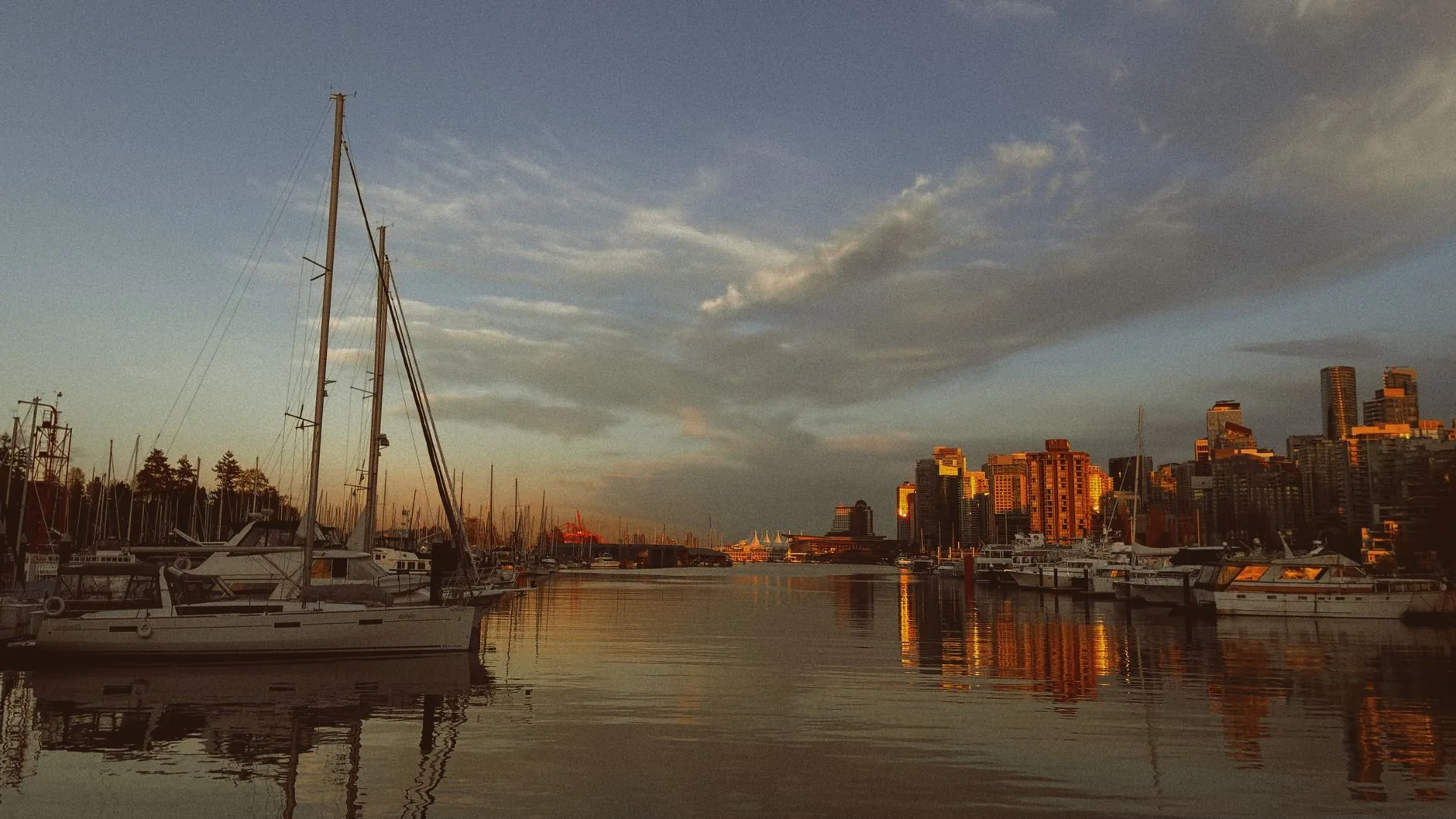
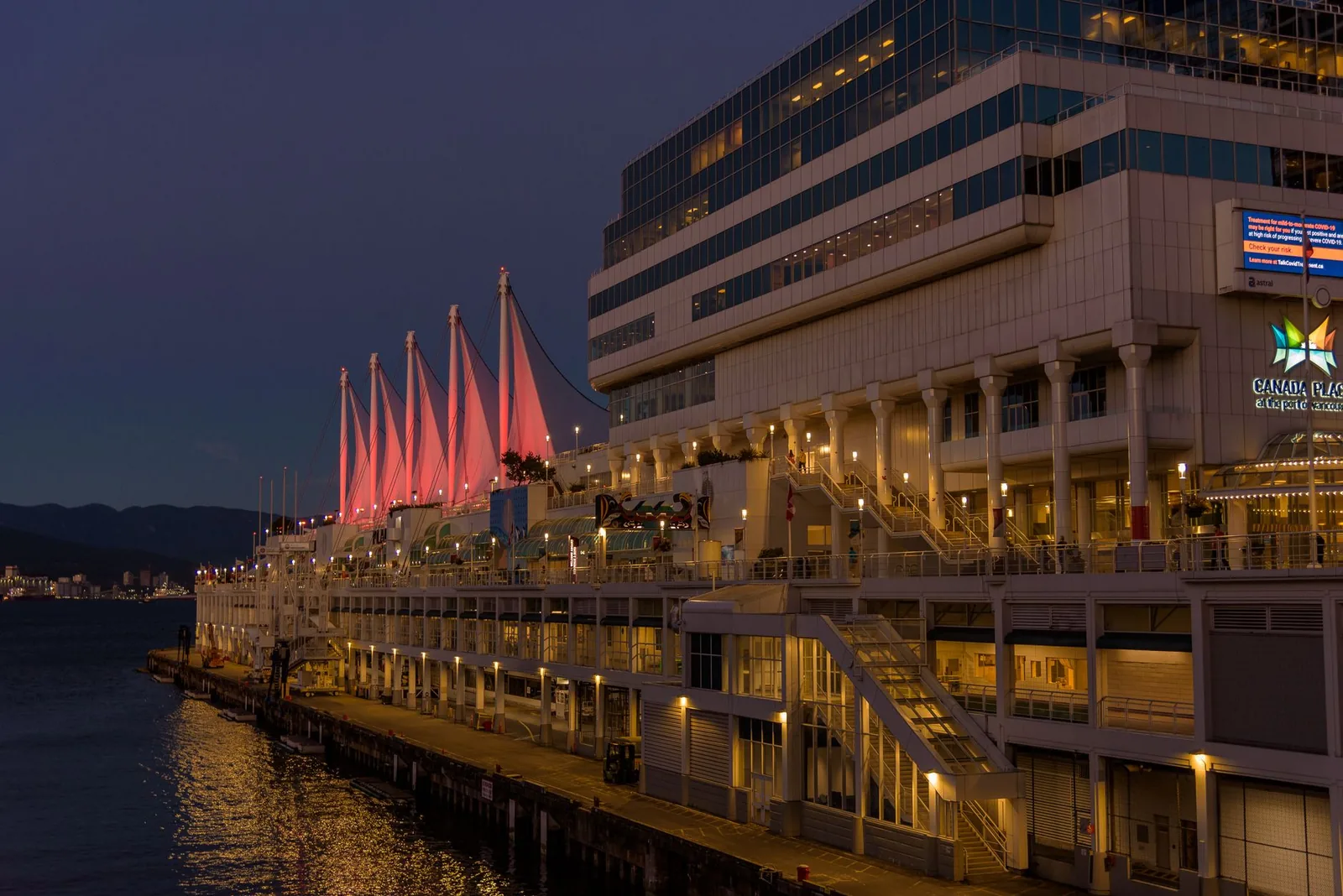
The Waterfront and Coal Harbour area bring together harbor views, Canada Place, cruise facilities, restaurants and paths with sightlines toward the mountains. It is a good area for a first orientation walk, particularly if you are staying downtown or arriving for a cruise.
Nearby Gastown has heritage streets, restaurants, galleries, bars and the well-known steam clock area. The historic paving can be uneven in places, and the atmosphere changes between daytime sightseeing and evening dining. Explore with normal urban awareness, especially after dark, and check individual business hours before making a specific plan.
Cross to the North Shore
The North Shore offers some of Vancouver’s most accessible mountain experiences, but it should be treated as a separate outing rather than a downtown attraction. The SeaBus connects central Vancouver with the North Shore, after which buses, shuttles or other transport may be needed depending on your destination.
Capilano Suspension Bridge Park combines a suspension bridge over the Capilano River with forest walkways, Treetops Adventure and Cliffwalk. It is a paid attraction and can be busy during peak periods, so verify ticket arrangements, seasonal hours and transport details before departure.
Grouse Mountain is another popular North Shore destination, offering mountain views, sightseeing, hiking and seasonal snow activities. Conditions at the summit can differ sharply from those downtown. Check the mountain’s operating status, gondola access, trail information and weather before setting out, and bring suitable footwear and layers.
Choose a museum or cultural attraction
The Vancouver Art Gallery is the city’s major downtown art museum, with Canadian, British Columbian, Indigenous and international exhibitions. It is convenient to combine with Robson Street, the West End or a walk toward the waterfront. Current exhibitions, ticketing and reservation requirements can change.
The Museum of Anthropology at the University of British Columbia is a particularly important stop for visitors interested in Northwest Coast Indigenous art, architecture, history and material culture. It is outside the central visitor zone, so allow travel time and check its current opening status and access arrangements before visiting.
Science World, in the distinctive geodesic dome at the eastern end of False Creek, is a strong option for families and rainy days. Its interactive galleries, live shows and rotating exhibitions are designed for hands-on learning. Allow roughly two hours as a starting point, then verify current hours and exhibitions.
See Vancouver’s gardens
VanDusen Botanical Garden provides a slower-paced alternative to the city’s busier attractions, with landscaped areas and extensive plant collections. It is especially appealing during the growing season, although seasonal programming can continue at other times.
Queen Elizabeth Park has gardens and elevated views over Vancouver, while the nearby Bloedel Conservatory offers a warm indoor tropical environment. The park and conservatory have separate operating information, so check both if you are planning a combined visit. These gardens are useful additions when you want outdoor scenery but need an itinerary that does not depend entirely on a long hike or mountain excursion.
Walk through Chinatown and the Dr. Sun Yat-Sen Classical Chinese Garden
Chinatown connects naturally with Gastown and other central neighborhoods. The area includes restaurants, shops, heritage architecture and the Dr. Sun Yat-Sen Classical Chinese Garden, a tranquil space in the middle of the city.
The garden has its own admission and schedule, while surrounding businesses keep their own hours. Visit as part of a broader neighborhood walk rather than expecting every attraction to be open at the same time.
Spend time in Vancouver’s neighborhoods
Vancouver is more rewarding when you leave the central sightseeing circuit. Mount Pleasant and Main Street are useful for independent restaurants, breweries, cafés, local shops and street art. Commercial Drive has a diverse restaurant and bar scene with a distinctly neighborhood feel. Kitsilano brings beaches, waterfront views and access to museums around Vanier Park.
Yaletown is a former warehouse district now known for restaurants, bars, boutiques, waterfront paths and convenient SkyTrain access. Richmond, a separate city in Metro Vancouver, is particularly valuable for Asian dining and access to the waterfront area of Steveston.
Which Vancouver experience would you most want to build your trip around?
When to Visit Vancouver
Vancouver is a year-round destination, but the best season depends on what you want to do.
Spring
Spring is a good time for cherry blossoms, gardens, walking and cycling. Conditions can change quickly, so pack layers and rain protection. Typical temperatures can fluctuate considerably, roughly from 5°C to 19°C.
Summer
Summer is usually the strongest season for beaches, Seawall cycling, hiking, patios, festivals and long daylight hours. Temperatures are generally mild to warm, often around 15°C to 25°C, although mountain weather can be cooler and changeable. Popular attractions and accommodation can be busy, so reserve ahead where appropriate.
Autumn
Autumn brings forest color, museums, food travel and a quieter coastal atmosphere after the main summer period. Rainfall increases, and temperatures can range approximately from 3°C to 19°C. It is a good season for combining outdoor walks with indoor cultural stops.
Winter
Winter in the city is generally mild and often rainy, while the North Shore and Whistler may offer access to snow sports when conditions allow. Do not use downtown weather as a guide to mountain safety or operating conditions. Waterproof clothing, shoes with good grip and a flexible itinerary are useful.
Rain is possible throughout the year, with wetter conditions generally concentrated in autumn and winter. Check current forecasts, air-quality information, wildfire advisories, mountain conditions and attraction schedules before committing to an outdoor-heavy plan.
Local Food and Drink
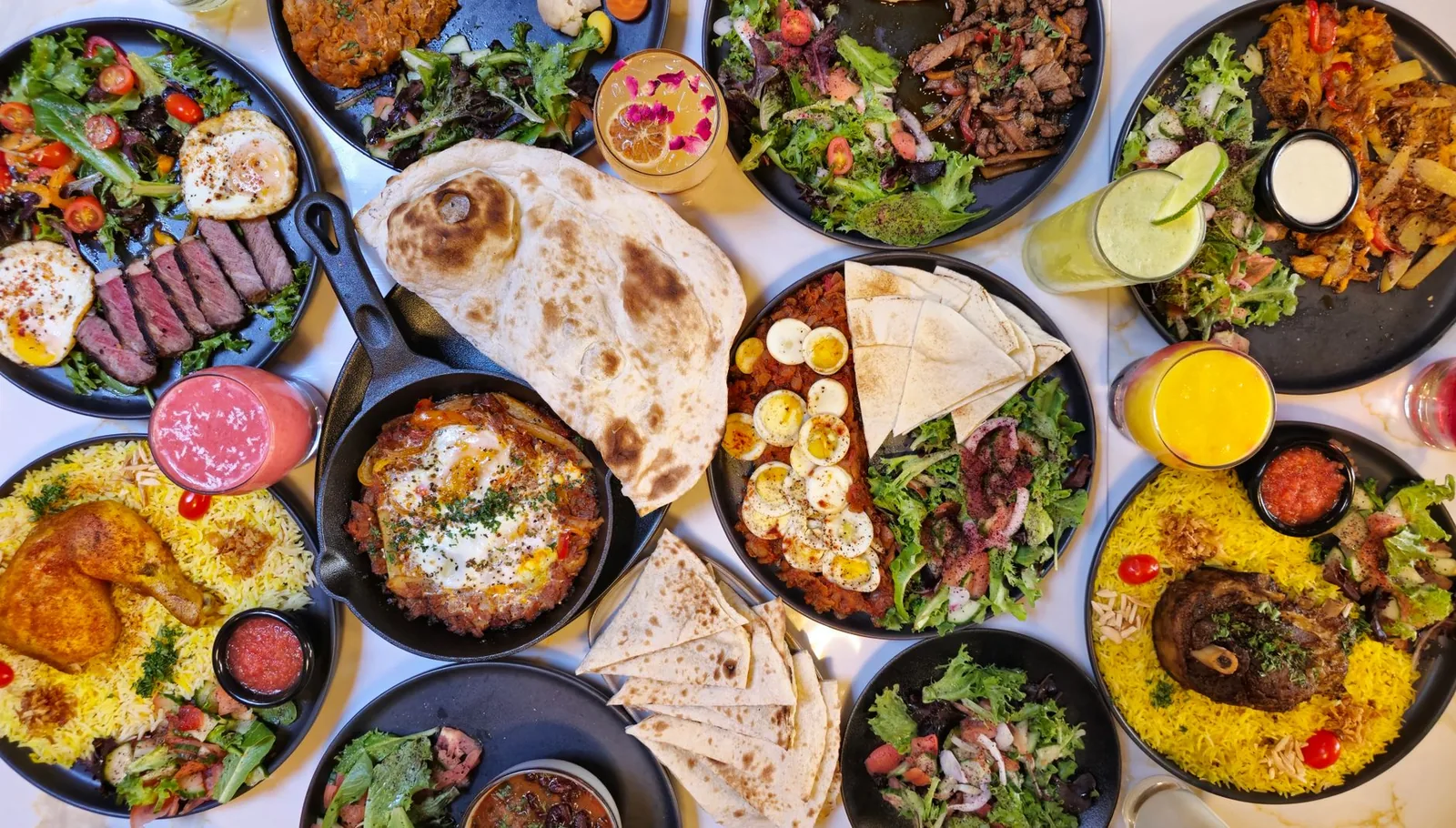
Vancouver’s food scene reflects its Pacific location and multicultural population. Pacific Northwest seafood, including salmon and shellfish, appears across waterfront restaurants, markets and contemporary Canadian menus. Ask individual restaurants about sourcing and seasonal availability.
Chinese regional cuisines are a major reason to explore Vancouver and Richmond. Cantonese, Sichuan, Taiwanese, Shanghainese and other styles are represented across the region. Japanese food is also widely available, from sushi and ramen to izakaya and higher-end dining.
South Asian food, including Punjabi and tandoori cooking, is another important part of the city’s dining landscape. For Indigenous food and cultural experiences, look for Indigenous-owned or Indigenous-partnered businesses and choose experiences that provide appropriate local context.
Granville Island is convenient for sampling prepared food, baked goods, produce and specialty products in one stop. For breweries, cocktail bars and independent restaurants, explore Mount Pleasant, Main Street, Commercial Drive, Gastown and Yaletown. Vancouver also has restaurants recognized by the MICHELIN Guide; check the current listings, menus and reservation policies before planning a special meal.
Easy Day Trips from Vancouver
Whistler and the Sea-to-Sky Highway
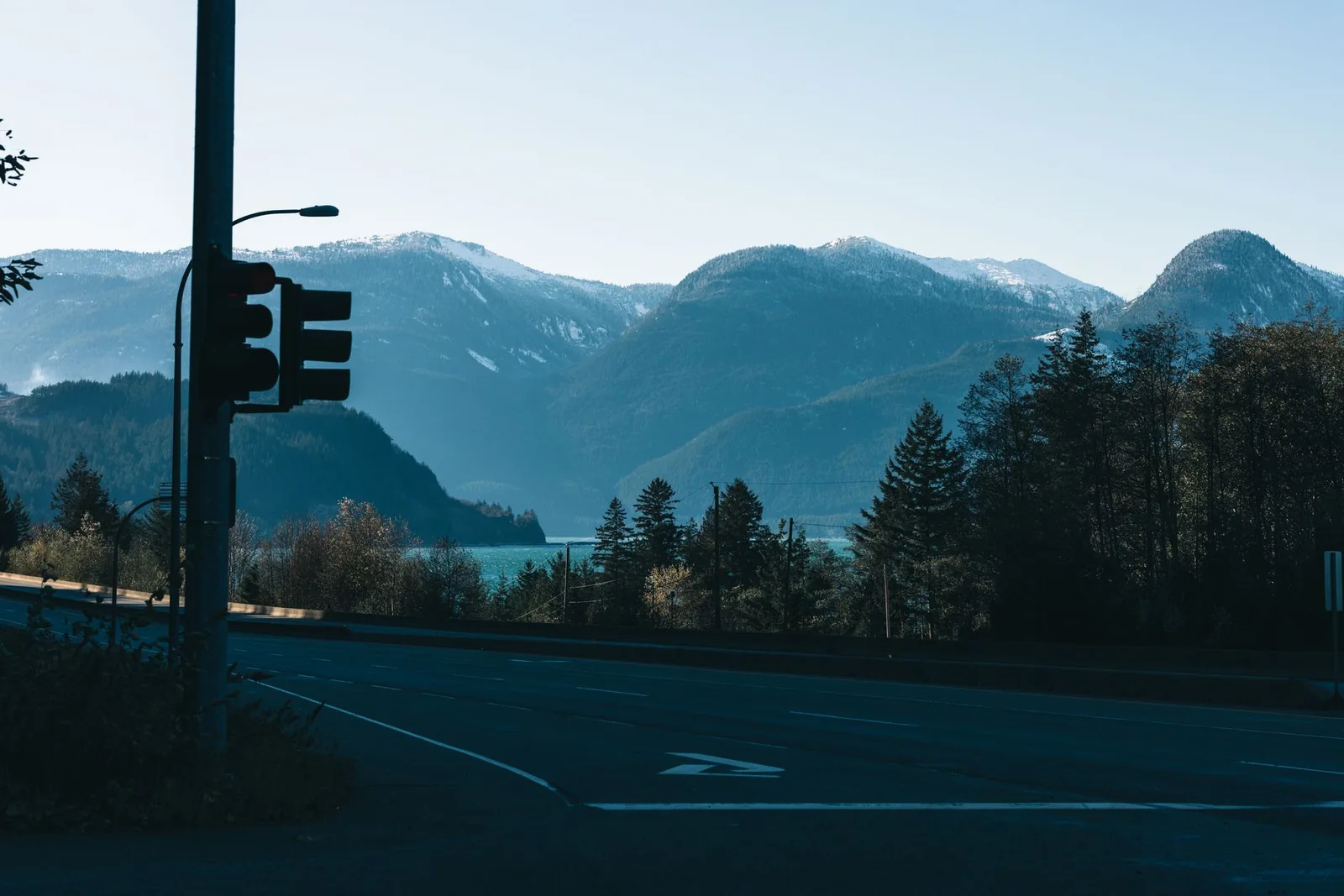
Whistler combines a pedestrian village with hiking, sightseeing, skiing, mountain biking and gondola experiences, depending on the season. The route from Vancouver is scenic, but traffic and stops can make the journey longer than the basic driving estimate. A guided day tour or shuttle is useful if you do not want to drive.
Victoria
Victoria, the capital of British Columbia on Vancouver Island, is known for its Inner Harbour, historic architecture, gardens and coastal setting. It can be reached by ferry, floatplane or organized tour. A same-day visit is possible, but the schedules, terminal transfers and weather require careful planning. It is often more enjoyable with an overnight stay.
Bowen Island
Bowen Island is a relatively accessible escape for forest walks, beaches, kayaking, local shops and a slower pace. The ferry from Horseshoe Bay takes approximately 20 minutes, but sailing times and conditions should be checked before leaving Vancouver.
Squamish
Squamish is a strong choice for outdoor travelers interested in mountain scenery, hiking, climbing, waterfalls and the Sea to Sky Gondola. It can be combined with stops along Highway 99, although you should check road conditions and attraction operations before setting out.
Steveston
Steveston, in Richmond, is a historic fishing village area with waterfront walking, seafood, heritage sites and access to other Richmond attractions. It is a straightforward choice when you want a regional outing without committing to a full mountain or ferry day.
Harrison Hot Springs
Harrison Hot Springs is a resort village east of Vancouver known for mountain scenery, warm mineral-spring experiences and outdoor activities. The trip can take around two hours by car depending on traffic, so it is best suited to visitors with enough time for a full day.
Best Areas to Stay in Vancouver
Downtown and Coal Harbour
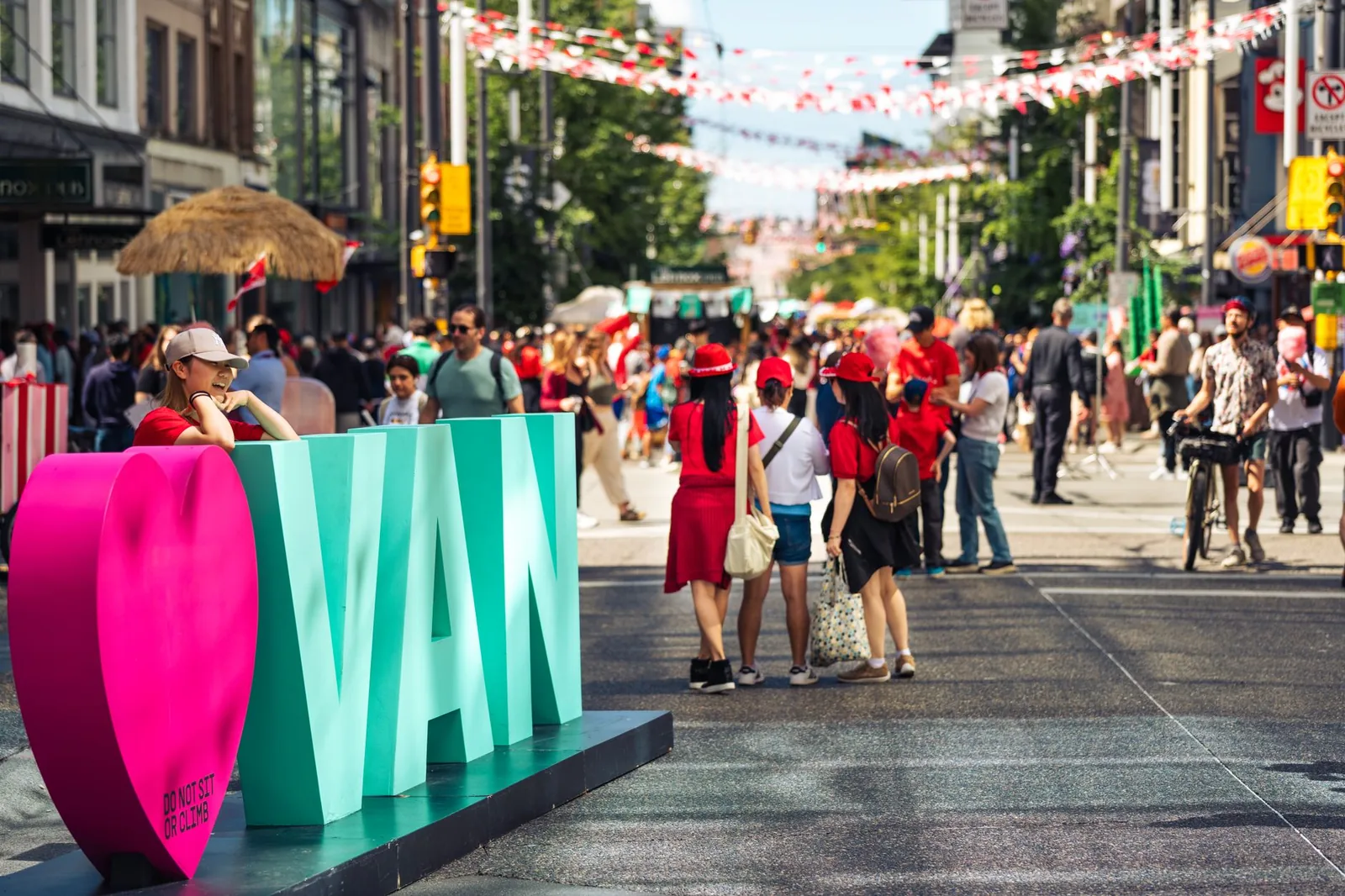
These areas are convenient for first-time visitors, particularly if you want easy access to Waterfront, Canada Place, Robson Street, the West End and Stanley Park. Coal Harbour is especially useful for harbor views and waterfront walking.
West End and English Bay
The West End places you close to English Bay, beaches, restaurants, Stanley Park and the central business district. It has a more residential feel than some downtown areas while remaining practical for car-free sightseeing.
Gastown
Gastown suits travelers who want heritage streets, restaurants, cocktail bars, galleries and quick access to Waterfront and Canada Place. It is a lively choice, though the area has a different atmosphere from the quieter West End.
Yaletown
Yaletown is a good base for restaurants, bars, boutiques, waterfront paths and SkyTrain connections. Its central location makes it useful for visitors who want to divide time between downtown, False Creek and other parts of the city.
Granville Island and False Creek
Staying near Granville Island or False Creek puts you close to the market, artisan spaces, waterfront paths and small passenger ferries. This area can feel less like a conventional downtown base, but it is well suited to travelers who prioritize food and the waterfront.
Kitsilano
Kitsilano is a good option for a neighborhood atmosphere, beach access, restaurants and views across the water. It is less convenient than downtown for some attractions, so check the transport connections for your planned itinerary.
Mount Pleasant, Main Street and Commercial Drive
These areas suit visitors who prefer independent cafés, breweries, local restaurants and evening activity away from the main tourist core. They offer a more local-feeling base, but you may spend more time on buses or trains getting to Stanley Park and the waterfront.
North Shore
North Vancouver is useful if mountain access is the priority. It places you closer to Capilano Suspension Bridge, Grouse Mountain, forest trails and Lonsdale Quay, but it is less convenient for a trip focused mainly on downtown museums, Gastown and the West End.
Transport in Vancouver
Most visitors do not need a rental car for a central Vancouver itinerary. Walking and cycling work well around downtown, Gastown, Yaletown, the West End, Coal Harbour, Stanley Park and parts of False Creek.
TransLink operates buses, SkyTrain and SeaBus services across Metro Vancouver, with the West Coast Express serving regional routes. Contactless debit or credit cards and mobile wallets can be used for supported single adult fares, and a DayPass is available for unlimited travel across the system for the applicable day. Fare rules, prices, construction diversions and service arrangements can change, so check current information before travel.
The small False Creek water taxis are separate from the main TransLink network. They are useful for reaching destinations around the creek, including Granville Island, but do not assume that the same fare or payment rules apply.
Taxis and rideshare services are available throughout the city and at Vancouver International Airport. At YVR, use designated taxi stands and verified rideshare pickup areas rather than accepting unsolicited transport offers. A car can be useful for Whistler, Squamish, the Sea-to-Sky Highway, the Fraser Valley or other places with limited public transport, but parking and traffic can make it a poor choice for central sightseeing.
Arriving from Vancouver International Airport
Vancouver International Airport, known as YVR, is connected to downtown by the Canada Line. The airport station is located between the International and Domestic terminals, and the journey to downtown takes under 30 minutes in typical conditions. Richmond is also accessible by the Canada Line.
Travelers leaving YVR by Canada Line must account for the airport supplement in addition to the regular fare. The amount and fare rules can change, so verify them before departure. Taxis, rideshare services, shuttles and accessible transportation are also available. The N10 NightBus operates when the Canada Line is closed.
For departures, allow substantial time. YVR advises at least two hours before domestic flights and three hours before United States and international flights, although your airline, season and travel circumstances may require more.
Practical Tips for Visiting Vancouver
- Pack a waterproof outer layer and comfortable waterproof footwear, particularly from autumn through spring.
- Check mountain conditions separately from the downtown forecast before hiking, taking a gondola or planning snow activities.
- Verify current TransLink fares, schedules, construction notices and the YVR airport supplement before using public transport.
- Consider staying near a SkyTrain station or in Downtown, the West End, Yaletown or Coal Harbour for a first car-free visit.
- Check timed-entry arrangements for popular attractions during summer, holidays and event periods.
- Treat Stanley Park as a substantial visit rather than a single viewpoint stop.
- Do not assume that museums, gardens, Granville Island businesses or mountain attractions share the same opening hours.
- Keep a rainy-day alternative available, especially if your itinerary depends on beaches, cycling or mountain views.
- Check BC Ferries schedules, reservations and service alerts directly before traveling to Victoria or other islands.
- Confirm accessibility information for individual attractions, trails, transport services and restrooms if required.
- Respect the traditional and unceded territories of the Musqueam, Squamish and Tsleil-Waututh Nations.
Frequently Asked Questions
How many days do you need in Vancouver?
Three to four full days is a practical first-visit length. It allows time for central Vancouver, Stanley Park, Granville Island, one North Shore excursion and a museum or garden. Two days covers the main highlights, while five or more days allow room for regional day trips.
Can you visit Vancouver without a car?
Yes. Central neighborhoods and many major attractions can be reached by walking, buses, SkyTrain, SeaBus and False Creek ferries. A car becomes more useful for Whistler, Squamish, the Fraser Valley and other regional excursions.
How do you get from Vancouver airport to downtown?
The Canada Line links YVR with downtown Vancouver in under 30 minutes. Taxis, rideshare services and shuttles are also available. If you use the Canada Line from the airport, remember to account for the airport supplement.
What is the best month to visit Vancouver?
There is no single best month for every traveler. Summer is generally strongest for beaches, hiking and outdoor sightseeing. Spring suits blossoms and gardens, autumn works well for foliage, food and culture, and winter combines mild city conditions with possible mountain snow. Rain and operating conditions vary in every season.
Is Vancouver expensive?
Travel costs can be significant, especially for accommodation, popular attractions, restaurant dining, airport transfers and regional excursions. Exact prices change frequently. Free parks, self-guided waterfront walks and public transport can help control the budget.
Which area is best to stay in Vancouver?
Downtown, Coal Harbour, the West End and Yaletown are convenient for first-time visitors and car-free sightseeing. Kitsilano, Mount Pleasant and Commercial Drive offer more neighborhood atmosphere. North Vancouver is useful for mountain access but less convenient for a mainly downtown itinerary.
Is Vancouver good for families?
Yes. Family-friendly options include Stanley Park, the Vancouver Aquarium, Science World, beaches, gardens and selected North Shore attractions. Check age requirements, accessibility, weather policies and current admission arrangements for each attraction.
Can you take a day trip from Vancouver to Whistler or Victoria?
Both are possible, but they require different planning. Whistler is reached by road or shuttle along the Sea-to-Sky corridor. Victoria requires a ferry, floatplane or organized excursion, so timetable planning is particularly important.
Final Thoughts
Vancouver rewards travelers who leave room for contrast. Spend one morning among skyscrapers and galleries, the afternoon beside the ocean or in Stanley Park, and another day crossing to the North Shore for forest and mountain scenery. Add the city’s excellent food culture, practical public transport and easy access to regional destinations, and Vancouver becomes more than a conventional city break.
Plan around the neighborhoods and attractions that matter most to you, keep a rain-friendly alternative in reserve, and check current transport, weather and opening information before setting out. That balance of preparation and flexibility is the best way to experience the city.
Inspired? Start planning your trip.
Move from inspiration to planning with BookingTabs — explore hotels, tours and travel options in one place.
Join the conversation
Ask a question, share a travel tip, or help another traveler plan with confidence.
Leave a comment
No account or email required.