
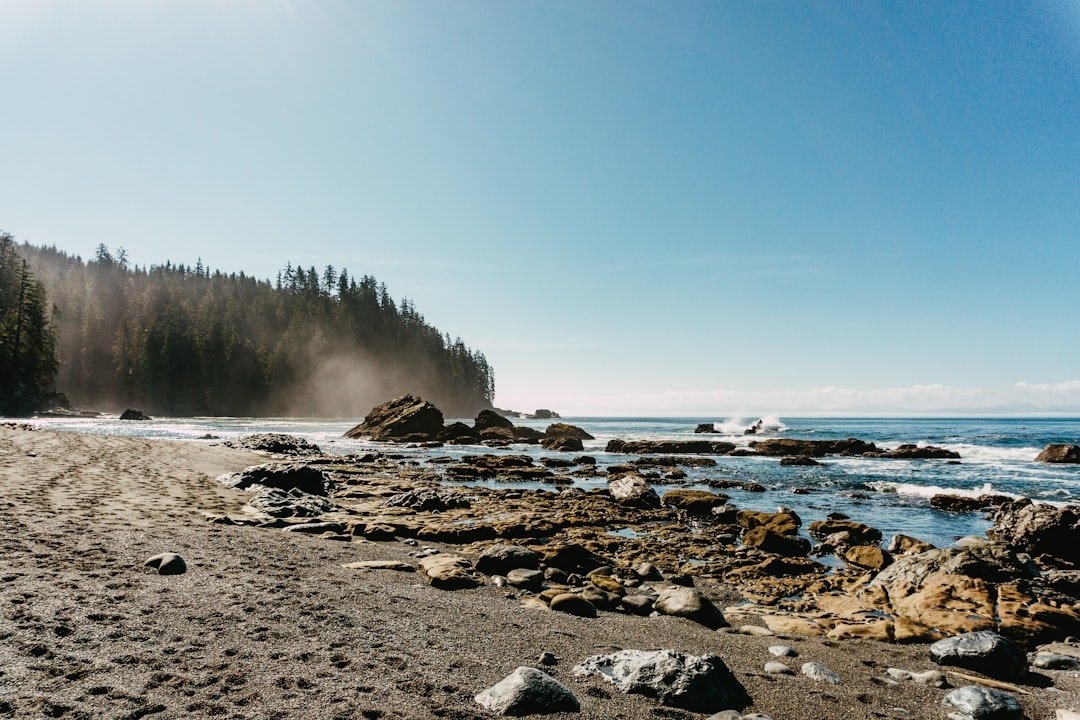
Vancouver Island Travel Guide: Coastal Towns, Wildlife & Natural Wonders
Vancouver Island stretches along British Columbia’s rugged Pacific coast, a landscape of ancient forests, windswept beaches and maritime towns each with its own personality. From the manicured floral displays of Victoria to the rain-sculpted sand of Tofino’s Long Beach, the island compresses a range of ecosystems and experiences into a few hundred miles. Outdoor enthusiasts come for world-class surfing, whale watching, and multi-day hikes; culture seekers arrive for maritime museums, artisan markets and charismatic small-city cafés. This guide focuses on the island’s coastal towns, the wildlife that calls the region home, and the natural wonders that make Vancouver Island one of Canada’s most diverse travel destinations. Practical advice and local experiences are included to help you plan an authentic trip, whether you’re island-hopping for a weekend or spending two weeks exploring backroads and shoreline.
Must-See Attractions
Victoria: The island’s capital on the southern tip blends British colonial architecture with a lively waterfront. Stroll the Inner Harbour, visit the Royal BC Museum for natural and cultural history, and wander the manicured terraces of Butchart Gardens, a short drive north.
Tofino and Ucluelet: On the west coast, these small towns are gateways to the Pacific Rim National Park Reserve. Long Beach, Cox Bay and the wild estuaries of the Barkley Sound offer dramatic shorelines, powerful surf and storm-watching in the fall and winter.
Cathedral Grove (MacMillan Provincial Park): Near Port Alberni, a handful of boardwalk trails lead through ancient Douglas-fir and red cedar giants, some several hundred years old. It’s one of the island’s most iconic old-growth stands.
West Coast Trail: For seasoned hikers, this 75-kilometer wilderness route along the southwestern edge of the island is a rigorous, multi-day coastal backpacking experience with ladders, beach walking and tidal planning. Reservations and permits are required.
Comox Valley and Mount Washington: The Comox Valley provides easy access to alpine hiking and skiing at Mount Washington Alpine Resort. In winter the resort attracts skiers and families; in summer the trails open for hiking and mountain biking.
Campbell River and Port Hardy: Known for sport fishing and wildlife viewing, these northern towns are launch points for fishing charters, bear-viewing tours and trips to the nearby Discovery Islands and Broughton Archipelago.
Gulf Islands and Salt Spring Island: Accessible by ferry, Salt Spring’s Saturday Market is beloved for artisan food, crafts and a relaxed island vibe. The Southern Gulf Islands offer quiet coves and scenic cycling routes.
Local Experiences
Seafood and dining: Vancouver Island’s coastal towns pride themselves on seafood — spot prawns in summer, wild salmon when in season, and freshly shucked oysters year-round in estuaries and shellfish farms. In Victoria, sample fish-and-chips along the harbour or visit farm-to-table cafés. Tofino and Ucluelet feature chef-driven eateries that foreground local ingredients like seaweed, smoked fish and wild mushrooms.
Markets and artisan shops: Visit the Victoria Public Market at the Hudson and the Salt Spring Saturday Market for local produce, baked goods and handcrafted items. Smaller communities such as Courtenay and Nanaimo host weekly farmers’ markets where producers sell direct.
Viewpoints and drives: Scenic drives include the Malahat on the Saanich Peninsula with sweeping views over the Saanich Inlet, and the Pacific Rim Highway out to Tofino. Stop at lookouts along Highway 4 through Port Alberni for glimpses of lakes and old-growth forest.
Outdoor activities: Paddle in sheltered inlets or the Broken Group Islands in Barkley Sound for sea kayaking among protected channels and islands. In Tofino, surfing is a mainstay — lessons and board rentals are widely available for beginners. Guided whale-watching tours depart from Victoria and Tofino; sightings commonly include orcas, humpbacks and gray whales depending on season.
Neighborhoods and local life: Victoria’s Fernwood and James Bay neighborhoods are full of cafés, bookstores and independent shops. In Nanaimo, the waterfront and harbourfront walkway are hubs of local life. Time your visit with community events — summer outdoor concerts, harbour festivals and local art walks are frequent.
Best Time to Visit
Seasons and weather: Vancouver Island’s climate varies from a relatively mild, wet coastal ocean climate on the west coast to drier conditions in parts of the southeast near Victoria. Summer (July–September) is the warmest and driest period, with long daylight hours and water temperatures at their highest. Spring (April–June) brings blooming gardens, migrating birds and fewer crowds; rain decreases compared with winter. Autumn (October–November) is prime for storm-watching on the west coast and concentrated wildlife activity such as salmon runs and increased whale activity. Winter (December–March) is wet and cool on the coast but offers winter sports on Mount Washington.
Crowds and best months: July and August are the busiest months, especially in Victoria, Tofino and ferry routes to the Gulf Islands. For a balance of good weather and smaller crowds, aim for late May–June or September. Winter offers quieter travel and dramatic storm viewing in Tofino, though many services scale back outside peak season.
Essential Travel Tips
Getting there and around: BC Ferries connects the Lower Mainland and Vancouver Island (Tsawwassen–Swartz Bay to Victoria; departures to Nanaimo and other terminals). Driving the island is the most flexible way to explore — distances can be deceptive because of winding coastal roads. Floatplanes and regional flights connect Vancouver, Victoria and Tofino for faster transfers.
Money and costs: The currency is the Canadian dollar. Credit cards are widely accepted in urban centers, but small vendors and rural shops may prefer cash; ATMs are common in larger towns but sparse in remote areas.
Safety and wildlife etiquette: Keep a safe distance from marine wildlife and shorebirds. On land, store food securely and carry bear spray when hiking in bear country; make noise on trails to avoid surprising wildlife. Follow posted guidelines at beaches and parks, especially around tide-dependent areas on the West Coast Trail and Long Beach.
Packing and clothing: Pack layers and waterproof outerwear year-round. Even in summer, mornings and evenings can be cool near the water. Bring sturdy hiking shoes for trails and water shoes for rocky beaches. If you plan to kayak or surf, a wetsuit is recommended — Pacific waters are cool even in summer.
Reservations and logistics: Book popular activities, accommodations and ferries in advance during summer. For backcountry hikes like the West Coast Trail, secure permits and be prepared with maps, a tide table and experience with rugged coastal hiking.
Frequently Asked Questions
How do I get from Vancouver to Vancouver Island?
You can take BC Ferries from Tsawwassen (south of Vancouver) to Swartz Bay near Victoria or from Horseshoe Bay to Nanaimo, or fly/floatplane from Vancouver International Harbour or Vancouver Airport to Victoria, Nanaimo or Tofino. Driving plus ferry time varies by route; plan for scheduling and seasonal demand.
When is the best time to see whales?
Whale sightings vary by species: orcas are often seen year-round in some areas but are most predictable in summer; humpback whales are commonly sighted in summer and fall as they follow feeding opportunities. Spring and fall migration windows can also produce good viewing. Local operators track recent sightings and offer best-guess guidance.
Is Tofino good for beginners who want to learn to surf?
Yes. Tofino has several surf schools and rental shops that cater to beginners with lessons on safer, more sheltered breaks during calmer days. Summer and early fall are the most comfortable times for beginners due to milder water and weather.
Are the island’s roads safe for driving, and how long are drives between major towns?
Roads are generally well maintained but often narrow and winding; winter conditions can make drives slower. Typical drive times: Victoria to Nanaimo ~1.5–2 hours (including ferry connection variability), Nanaimo to Tofino ~3.5–4.5 hours depending on stops and road conditions. Allow extra time for scenic stops and ferry schedules.
Do I need special permits to visit provincial or federal parks?
Day use in most provincial parks requires no permit, though some parks charge parking or access fees. Multi-day backcountry routes (West Coast Trail) require permits and advance registration. Check Parks Canada and BC Parks websites for site-specific rules and fees.
Conclusion
Vancouver Island offers a concentrated palette of Pacific coastal experiences: from the refined harbour scenes of Victoria to the elemental beaches and rainforests of the west coast. Whether you come to watch whales breach, wander old-growth groves, surf exposed breaks or linger over fresh seafood and markets, the island rewards a slower pace and curiosity about local landscapes and cultures. Plan seasonally, respect wildlife and trail rules, and leave room in your itinerary for unplanned detours — some of the island’s best moments happen between towns, at a viewpoint or on a quiet beach at low tide.
Inspired? Start planning your trip.
Move from inspiration to planning with BookingTabs — explore hotels, tours and travel options in one place.
Join the conversation
Ask a question, share a travel tip, or help another traveler plan with confidence.
Leave a comment
No account or email required.