
Picturesque Austrian Villages to Add to Your Itinerary
Austria’s villages distill the country’s appeal into compact, walkable scenes: lakes mirrored by pastel facades, baroque churches perched on hills, narrow lanes framed by alpine peaks and terraced vineyards along the Danube. While Vienna and Salzburg draw many visitors, the real postcard moments often live in smaller settlements that combine history, nature and authentic regional life. This guide highlights a selection of Austria’s most scenic villages—Hallstatt, Dürnstein, St. Wolfgang, Alpbach, Heiligenblut and Hall in Tirol—explaining what to see, where to wander and how to experience local culture. Whether you prefer boat rides on crystal lakes, vineyard strolls in the Wachau or cablecar ascents for panoramic views, these villages offer intimate travel moments that linger long after you leave.
Must-See Attractions
Across Austria’s villages you will find compact concentrations of architectural and natural highlights. Below are the signature attractions in each featured village.
- Hallstatt: The lakeside village is famous for its 16th-century Alpine houses descending to Hallstätter See. Do not miss the Hallstatt Skywalk “Welterbeblick” for sweeping lake views and the Dachstein Salzkammergut UNESCO landscape status that recognizes the area’s salt-mining history and dramatic karst scenery.
- Dürnstein (Wachau Valley): A focal point on the Danube River, Dürnstein is known for the blue tower of its baroque parish church and the medieval castle ruins above the town where Richard the Lionheart was once imprisoned. The terraced vineyards that frame the village are part of the Wachau cultural landscape, a UNESCO World Heritage site.
- St. Wolfgang: On the shores of Wolfgangsee, the pilgrim church with its famed Michael Pacher altarpiece anchors the village. Ride the vintage SchafbergBahn cog railway to the Schafberg summit for vast views over the Salzkammergut lakes.
- Alpbach: This Tyrolean village is renowned for its uniform wooden architecture—brightly painted wooden facades and neatly kept flower boxes—and the annual Alpbach Forum conferences. Scenic trails radiate from the village into the surrounding alpine meadows and peaks.
- Heiligenblut: Nestled beneath Austria’s highest peak, the Großglockner, Heiligenblut centers on its striking pilgrimage church with a tall spire and colorful frescoes. The village is a gateway to high alpine roads, glacial vistas and hiking routes in Hohe Tauern National Park.
- Hall in Tirol: Close to Innsbruck, Hall in Tirol features a well-preserved medieval Old Town, mint museum (Münze Hall) history and a narrow-town character with arched passageways and Renaissance fountains.
Local Experiences
Discover the region-specific activities and flavors that make village life in Austria memorable.
- Food and drink: Taste regional specialties like salt-cured fish and lake trout in the Salzkammergut, Wachau apricot (Marille) products and Grüner Veltliner or Riesling from local vineyards. In Tyrol, seek out hearty dishes such as Tiroler Gröstl and dumplings accompanied by locally produced schnapps.
- Markets and culinary stops: Visit village markets for seasonal produce—Wachau is famous for apricot stalls in summer, while weekly markets in Hall in Tirol and regional markets in Salzkammergut villages showcase cheese, bread and preserves.
- Viewpoints and short hikes: Many villages have accessible viewpoint trails: the Hallstatt Skywalk, Schafberg summit near St. Wolfgang, and ascent paths above Dürnstein’s castle. Short alpine meadows walks around Alpbach reveal traditional farm life and wildflowers.
- Boat rides and river cruises: Take a boat across Wolfgangsee for village-to-village exploration, or choose a Danube cruise in the Wachau to appreciate the terraced vineyards from the water.
- Festivals and traditions: Time visits for local events—village brass-band concerts, harvest festivals in the Wachau and Tyrolean alpabtrieb (cattle drives) in autumn when decorated cows return from summer pastures.
- Neighborhood wandering: Slow travel is key: stroll narrow lanes, pause at a lakeside café, and watch craftsmen in small workshops. In Hall in Tirol, explore the vaulted alleyways and artisanal shops; in Heiligenblut, observe pastoral life against the Großglockner backdrop.
Best Time to Visit
The best months depend on the experiences you seek.
- Late spring (May–June): Flowers and meadows bloom, temperatures are mild, and crowds are moderate—ideal for hiking and lakeside walks.
- Summer (July–August): Warmest weather and full activity schedules: boat services, open mountain huts and village festivals. Expect peak crowds in Hallstatt and the Wachau and book accommodations early.
- Early autumn (September–October): Harvest time in the Wachau and colorful alpine foliage make this a prime time for wine tasting and hiking. Weather remains pleasant, and crowds thin after August.
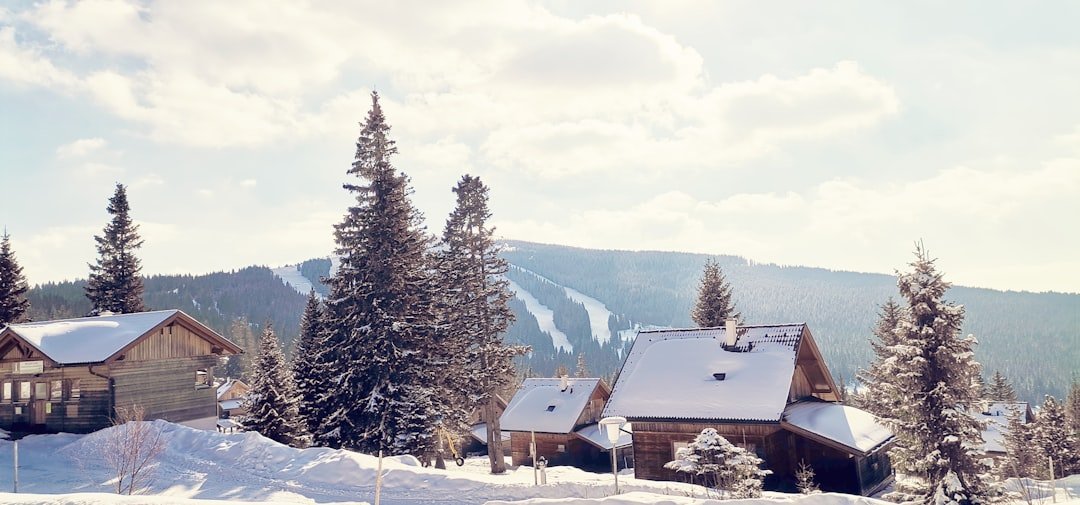
- Winter (December–March): Villages take on a quiet, snowy charm. St. Wolfgang and Heiligenblut serve winter-sport visitors; Advent and Christmas markets in many towns create a festive atmosphere, though some high-altitude roads may close seasonally.
Overall, May–June and September offer the best balance of weather and lighter crowds for most villages.
Essential Travel Tips
Practical advice to help you move between and enjoy Austria’s villages confidently.
- Transportation: Austria’s regional train network (ÖBB) connects many towns; use regional buses and ferry services for lake routes. Renting a car gives flexibility for remote villages and scenic drives like the Großglockner High Alpine Road, but check seasonal road closures and narrow alpine lanes.
- Money and payments: Austria uses the euro (EUR). Credit cards are widely accepted in restaurants and larger shops, but carry cash for small vendors, markets and mountain huts.
- Safety: Austria is generally very safe. Exercise standard precautions: keep valuables secure, watch for icy conditions in winter, and adhere to posted trail signs when hiking.
- Packing: Layered clothing works best—mountain weather can change rapidly. Include waterproof outerwear, sturdy walking shoes, sun protection and a refillable water bottle. For lake swims, bring swimwear and quick-dry towels.
- Local etiquette: Greet with “Grüß Gott” in southern and western Austria or “Servus” informally—politeness is appreciated. Respect quiet hours, especially in small villages, and follow etiquette at churches and pilgrimage sites (modest dress where required).
- Accommodation booking: Popular villages like Hallstatt and St. Wolfgang fill early in summer—reserve nights in advance, especially for weekends and festival periods.
Frequently Asked Questions
How do I reach Hallstatt from Vienna?
The most common route combines train and local transport: take an ÖBB train from Vienna to Attnang-Puchheim and change for a regional train to Hallstatt station; from there a short ferry or bus crosses the lake to the village pier. Total travel time is around three to three and a half hours depending on connections.
Are these villages suitable for day trips or should I stay overnight?
While some villages—Dürnstein or Hallstatt—can be visited as long day trips from regional hubs, staying overnight allows you to experience quieter morning and evening light, local dining and more relaxed exploration. Overnight stays are recommended for Hallstatt, St. Wolfgang and Alpbach.
Can I visit vineyards in the Wachau and taste wine?
Yes. Many wineries welcome visitors by appointment during the season; there are also organized wine-tasting tours and walking routes between vineyards. Look for local wine taverns (Heuriger-style) and certified tasting rooms in Dürnstein and nearby towns.
Is it easy to hike around these villages without guidebooks?
Most villages have well-marked trails for short and extended hikes. Local tourist offices provide maps and route advice; for high alpine routes near Großglockner or glacier areas, consult local guides or park authorities and ensure you have appropriate gear.
What language will I need to know?
German is the official language; however, English is widely understood in tourism-related businesses. Learning a few phrases (please, thank you, greetings) is appreciated and helpful in rural contexts.
Conclusion
Austria’s scenic villages offer concentrated slices of culture and landscape—a lakeside coffee in Hallstatt, a vineyard stroll in Dürnstein, a cog-rail ascent from St. Wolfgang or the wooden charm of Alpbach. Each village presents a different mood and set of experiences: quiet nature, agricultural traditions, or mountain pilgrimage. Travel slowly between them, prioritize a few overnight stays to absorb local rhythms, and pair outdoor activities with regional cuisine and wines. With straightforward transport links and well-preserved historical centers, these villages reward visitors who value atmosphere, authenticity and memorable views over hurried sightseeing.
Inspired? Start planning your trip.
Move from inspiration to planning with BookingTabs — explore hotels, tours and travel options in one place.
Join the conversation
Ask a question, share a travel tip, or help another traveler plan with confidence.
Leave a comment
No account or email required.