
Portugal Uncovered: Cities, Coastlines and Authentic Local Life
Portugal is a compact country with outsized variety: layered history in its cities, dramatic Atlantic coastlines, rolling vineyard terraces and island landscapes. From Lisbon’s tile-clad alleys and Porto’s riverfront warehouses to the Algarve’s golden cliffs and Sintra’s romantic palaces, Portugal offers experiences that feel both well-established and surprisingly intimate. This guide outlines the must-see sights, the local flavors worth seeking out, practical timing advice and down-to-earth tips to help you move beyond postcards and enjoy Portugal like a curious traveler. Whether you have a long weekend or several weeks, these routes and recommendations will help you shape an itinerary grounded in culture, nature and cuisine.
Must-See Attractions
Portugal’s highlights concentrate into several distinct areas—each with a strong sense of identity.
- Lisbon: Wander Alfama’s labyrinthine streets to São Jorge Castle for sweeping views, visit the Jerónimos Monastery and Belém Tower in Belém, and ride the historic tram 28 for an architectural sampler of the city’s hills and neighborhoods.
- Sintra: A short train ride from Lisbon, Sintra’s UNESCO palaces are a must. The colorful Palácio da Pena and the enigmatic Quinta da Regaleira—full of grottoes, initiatic wells and ornate gardens—offer fairytale landscapes and photo-ready vistas.
- Porto: Cross the Dom Luís I Bridge to Ribeira’s riverside terraces, tour the historic port wine lodges in Vila Nova de Gaia, and see the baroque Clérigos Tower and the ornate São Bento station tiles in the city center.
- Douro Valley: A UNESCO landscape known for terraced vineyards and wine estates. Scenic drives, river cruises and visits to quintas (wine estates) offer a quieter, rural counterpart to the urban highlights.
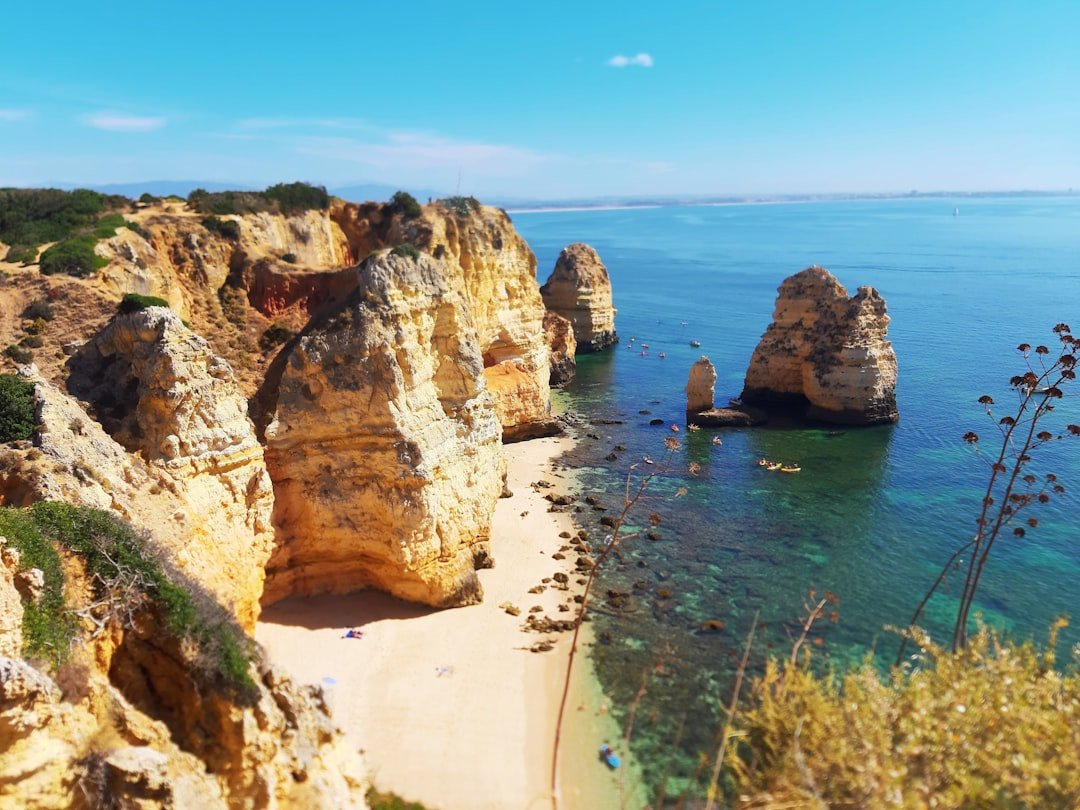
- Algarve Coast: Explore Lagos’ sea caves, Benagil’s dramatic grotto (view from the sea), the surf towns of Sagres and the resort town of Albufeira. The coastline alternates between dramatic cliffs and sheltered beaches.
- Évora and the Alentejo: This inland region features Roman ruins like the Temple of Diana, whitewashed villages and slow-paced cuisine rooted in olive oil, bread and cork landscapes.
- Northern Towns and Central Portugal: Coimbra’s university heritage and medieval streets, the fishing town of Nazaré known for massive winter surf, and Óbidos, a walled village perfect for a day trip.
Local Experiences
Authentic Portugal is as much about what you taste and do as the places you see.
- Food and Drink: Try bacalhau prepared different ways, fresh seafood cataplana in the Algarve, and petiscos (Portuguese tapas) in neighborhood taverns. Sample pastel de nata warm from the oven—Belém’s original pastry shops remain a popular stop. In the Douro, book a tasting at a quinta to learn about port production and regional wines.
- Markets: Mercado da Ribeira (Time Out Market) in Lisbon blends traditional stalls with contemporary dining. Porto’s Bolhão Market offers an older-market atmosphere with local produce and charcuterie. Smaller weekly markets in towns like Tavira or Évora showcase regional produce and crafts.
- Viewpoints and Walks: Lisbon’s miradouros (viewpoints) such as Miradouro da Senhora do Monte or Miradouro de Santa Catarina reward sunset watchers. Walk Porto’s Dom Luís I Bridge at dusk and stroll the Douro riverside. The Rota Vicentina along the Alentejo and southwestern coast provides coastal hiking with wild scenery.
- Neighborhood Life: Spend time in Alfama and Mouraria in Lisbon to hear fado sung in intimate casas de fado, or explore Porto’s Bonfim and Foz neighborhoods for cafés and local life by the sea.
- Festivals and Culture: Time visits to local festivals when possible: the Marchas Populares in Lisbon in June, religious festas in small towns through summer, and wine harvest events in the Douro and Alentejo in autumn.
- Outdoor Activities: Surfing in Ericeira, Nazaré and the Algarve; sea kayaking and boat trips to grottoes; cycling in the Alentejo plains; and whale watching and volcanic landscapes on the Azores (if including the islands in your plan).
Best Time to Visit
Portugal’s climate and visitor flow vary significantly from north to south and between the mainland and islands.
- Spring (March–May): One of the best times: mild temperatures, blooming landscapes and fewer crowds. Ideal for city sightseeing, hiking in Sintra and Douro Valley explorations.
- Summer (June–August): Warm to hot across the mainland. Coastal areas and islands are busy with beachgoers; festivals peak in June. Lisbon and Porto can be crowded and hot, while the Algarve sees its highest numbers.
- Autumn (September–November): Warm sea temperatures into September and pleasant weather for wine harvests in the Douro through October. Shoulder-season travel combines good weather with thinner crowds.
- Winter (December–February): Mild in the south but cooler and rainier in the north. Surfing and lower prices make winter attractive for off-season travelers; cultural travel in Lisbon and Porto remains possible year-round.
For fewer crowds and a balance of pleasant weather, aim for late spring (May–June) or early autumn (September).
Essential Travel Tips
Practical advice to make your trip smoother and more enjoyable.
- Transportation: Portugal’s train network connects major cities—Lisbon, Porto and Coimbra—while regional buses fill gaps to smaller towns. Rent a car for the Alentejo and Algarve if you want flexibility; be prepared for narrow rural roads. Within cities, trams and metros are efficient; taxis and rideshares are widely available.
- Money: Portugal uses the euro. Credit cards are widely accepted in urban areas, but carry cash for small cafés, markets and remote villages. Notify your bank before travel to avoid card blocks.
- Safety: Portugal is generally safe. Standard precautions—watch your belongings in tourist areas and on public transport—are sensible. Tap water is safe to drink throughout the country.
- Packing: Pack layers for coastal breezes and hilltop chill, comfortable walking shoes for cobbled streets and hill climbs, and sun protection for beach days. If visiting religious sites, bring a modest layer to cover shoulders and knees.
- Local Etiquette: Portuguese people are polite and appreciate basic courtesy in Portuguese—simple greetings like “Bom dia” (good morning) or “Obrigado/Obrigada” (thank you) go a long way. Tipping is appreciated but not obligatory—5–10% in restaurants if service is good, small change for cafés.
- Language: Portuguese is the national language; English is widely spoken in tourist areas but having a phrasebook or translation app helps in smaller towns.
Frequently Asked Questions
Do I need a visa to visit Portugal?
Portugal is part of the Schengen Area. Citizens of the EU, the U.S., Canada, Australia and several other countries can enter visa-free for short stays (typically up to 90 days). Check your country’s requirements well before travel, especially if you plan a longer stay.
How many days do I need to see Portugal?
For a focused trip: 4–5 days covers Lisbon and nearby Sintra; 3–4 days for Porto and the Douro; add 3–5 days for the Algarve or the Alentejo. A two-week itinerary lets you combine Lisbon, Porto, the Douro and a coastal or southern region at a comfortable pace.
Is Portugal expensive?
Portugal is generally more affordable than many Western European countries. Costs vary by region: Lisbon and the Algarve can be pricier in high season, while inland Alentejo and northern towns often offer better value.
Can I drive between major attractions?
Yes. The motorway network is good and makes travel between cities straightforward. Expect tolls on many highways—carry a card or use the electronic toll solutions provided by rental companies. Reserve extra time for winding roads in rural or coastal areas.
Are the islands (Madeira and the Azores) worth visiting?
Both island groups offer distinct experiences: Madeira for lush subtropical landscapes, levada walks and a mild climate; the Azores for volcanic scenery, crater lakes and whale watching. They require separate flights from the mainland and are best visited as standalone portions of a trip.
Conclusion
Portugal pairs easy travel logistics with rich contrasts: lively cities steeped in maritime history, quiet inland plains, terraces of vineyards and a coastline that constantly reinvents itself from rugged cliffs to tranquil bays. Whether you prioritize food and wine, coastal days and surfing, or exploring historical neighborhoods and palaces, plan with seasons and pace in mind to make room for both monuments and small pleasures—cafés, markets and sunset viewpoints. With approachable towns, efficient transport links and warm hospitality, Portugal rewards both first-time visitors and return travelers who dig a little deeper.
Inspired? Start planning your trip.
Move from inspiration to planning with BookingTabs — explore hotels, tours and travel options in one place.
Join the conversation
Ask a question, share a travel tip, or help another traveler plan with confidence.
Leave a comment
No account or email required.