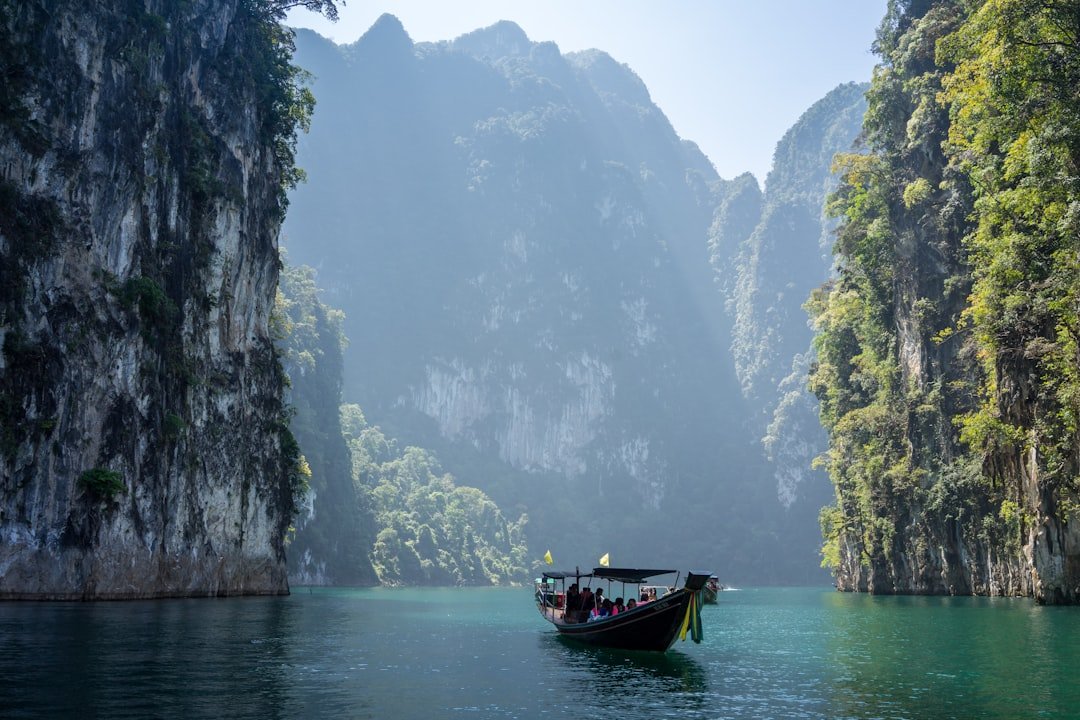
Thailand Essentials: Beaches, Temples and Island Escapes for First-Time Visitors
Thailand is a compact country of contrasts: bustling Bangkok streets, gilded temples, emerald islands and long, sun-drenched beaches. For first-time visitors the challenge is deciding what to prioritize. This guide distills the must-see highlights and practical tips for experiencing Thailand’s natural beauty, cultural heritage and island life without wasting time. You’ll get clear recommendations for temples and beach towns, tips on island-hopping logistics, how to eat well and respectfully, and when to visit to balance weather and crowds. Read on to plan a trip that mixes classic sightseeing with authentic local experiences—whether you have a week or three weeks to explore.
Must-See Attractions
Thailand’s iconic sites span urban marvels, historic temples and coastal gems. In Bangkok, don’t miss the Grand Palace and Wat Pho: the Grand Palace’s intricate architecture and Wat Pho’s reclining Buddha are best visited early to avoid heat and crowds. A longtail boat trip on the Chao Phraya River offers a different perspective of the city’s temples and riverside life.
Chiang Mai in the north is the cultural counterpoint: the Old City’s dozen-plus wats, especially Wat Phra Singh and Wat Chedi Luang, provide insight into Lanna architecture and monastic life. From Chiang Mai you can day-trip to Doi Suthep for sweeping city views and to nearby hill-tribe villages and national parks for waterfalls and trekking.
For iconic islands and beaches, head south. Phuket and Krabi are gateway hubs: Railay Beach near Krabi is famous for dramatic limestone karsts and climbing, while the Phi Phi Islands offer striking bays and snorkeling (note that Phi Phi can be crowded). For a more relaxed island vibe, Koh Lanta and Koh Yao Noi provide quieter beaches and slower rhythms. In the Gulf of Thailand, Koh Samui, Koh Phangan and Koh Tao form a popular trio—Samui for resorts and beaches, Phangan for its full-moon parties and quiet bays, and Tao for snorkeling and diving.
Best Time to Visit
Thailand’s climate is tropical with three broadly defined seasons: hot, rainy and cool. The cool season (November to early March) is the most popular time to visit—temperatures are milder and skies clearer, making it ideal for temple visits, northern trekking and southern beaches. Expect higher prices and more tourists during December and January.
The hot season (March to June) brings intense heat, particularly inland and in Bangkok. This period includes Songkran in mid-April—a lively albeit wet way to experience Thai culture. The rainy (monsoon) season varies by coast: generally June to October on the Andaman Sea (Phuket, Krabi, Phi Phi) and September to December for parts of the Gulf of Thailand (Koh Samui, Koh Tao).
For island hopping, consider the specific coast: November to April is best for the Andaman Sea; January to September favors the Gulf islands, with mid-year calmer seas around Koh Tao. Shoulder months (April–June and September–November) can yield lower prices and fewer crowds, but watch localized weather forecasts when planning boat transfers.
Essential Travel Tips
-
Transportation: Thailand’s internal transport network is extensive: budget carriers connect major cities and islands, trains link Bangkok to Chiang Mai and the northeast, and overnight trains or buses save daytime hours. For islands, research ferry schedules carefully—book during high season and arrive early at piers. In cities, use metered taxis, Grab (ride-hailing app) or tuk-tuks for short fares; agree on price before starting on a tuk-tuk.
-
Money: Cash remains king in many places—carry small bills and coins for markets, street food and small islands. ATMs are common in cities and tourist areas but may charge fees. Credit cards work in hotels, larger restaurants and shops but not at local stalls.
-
Safety: Thailand is generally safe for travelers, but petty theft can occur in busy tourist spots. Keep valuables secure, be cautious when withdrawing cash, and avoid unlicensed taxis. In ocean activities, only dive or snorkel with reputable operators who maintain equipment and follow safety protocols.
-
Packing: Lightweight, breathable clothing is essential. Pack a light rain jacket for sudden showers, sturdy sandals for wet rocks, and reef-safe sunscreen to protect marine environments. If trekking, include a hat, insect repellent and quick-dry layers.
-
Local etiquette: Dress respectfully at temples—cover shoulders and knees; many temples provide shawls if needed. Remove shoes before entering homes and some shops. When greeting, use the wai (palms together) as a sign of respect but don’t initiate cheek-kissing. Public displays of anger are frowned upon; keep cool and polite.
-
Health: Stay hydrated in the heat and drink bottled or filtered water. Food hygiene is generally good at busy street stalls where turnover is high. Consider routine travel vaccines and check health advisories—if planning remote jungle treks or prolonged island stays, consult a travel clinic for tailored advice.
Frequently Asked Questions
Do I need a visa to visit Thailand?
Visa requirements depend on your nationality and length of stay. Many countries are eligible for visa-free entry for short stays (typically 30 days) or visa-on-arrival; others require a visa in advance. Check the Royal Thai Embassy website or your country’s consular service for current rules and any COVID-related entry requirements.
Is Thailand expensive for travelers?
Thailand can suit many budgets. Street food, local transport and guesthouses make travel affordable, while luxury resorts and private tours offer high-end options. Plan daily expenses based on your travel style—budget travelers can manage comfortably on modest daily sums; mid-range travelers enjoy private transfers and nicer hotels with moderate costs.
Are beaches safe year-round?
Beaches are generally safe, but seasonal currents and monsoon weather affect sea conditions. Swim within flagged areas and heed local warnings. Some islands restrict swimming during rough months. Always ask locals or resort staff about current conditions before venturing into open water.
Can I use my phone and internet everywhere?
Mobile coverage and 4G are excellent across cities and most tourist areas; remote islands and national parks may have patchy reception. Buying a local SIM card at the airport or convenience stores is affordable and simple—bring an unlocked phone. Most hotels, cafés and guesthouses offer Wi-Fi.
What are tipping customs in Thailand?
Tipping isn’t mandatory but is appreciated. In restaurants, leaving small change or rounding up is common; a 10% tip is generous for good service. Tip bellhops and housekeeping a modest amount. For taxis, round up the fare rather than forcing a tip.
Conclusion
Thailand rewards first-time visitors who balance cultural sightseeing with time to relax on the coast. Plan key stops—Bangkok’s temples, Chiang Mai’s cultural heart and a selection of southern islands—then layer in local experiences like markets, festivals and outdoor adventures. Be mindful of seasons when scheduling island trips, travel with appropriate documentation and respect local customs to make your trip smoother and more rewarding. With straightforward logistics and friendly hospitality, Thailand is accessible for every kind of traveler: immersive, adventurous or simply looking to unwind on world-class beaches.