From Peaks to Pacific: A Traveler’s Guide to British Columbia’s Mountains, Coastlines, and Scenic Routes
British Columbia is a province of dramatic contrasts: jagged coastal fjords edged by temperate rainforest, alpine ranges crowned with glaciers, and sun-baked valleys dotted with vineyards. Drive the Sea-to-Sky corridor from Vancouver to Whistler, explore the wild beaches and surf culture of Tofino on Vancouver Island, or wind through the interior’s Okanagan orchards and vineyards. Whether you seek glacier-carved peaks for backcountry ski days, old-growth forests for quiet hikes, or scenic highways that reveal ocean vistas and mountain panoramas, BC delivers. This guide highlights iconic sights, authentic local experiences, practical timing and travel advice to help you plan a memorable, responsibly minded trip across the province.
Must-See Attractions
British Columbia’s landmarks span urban parks to remote wilderness. In Vancouver, Stanley Park and its Seawall offer an accessible introduction: city skyline views, Totem Poles, and a loop popular with cyclists. A short drive north brings the Capilano Suspension Bridge and Grouse Mountain—both crowd-pleasers that give quick immersion into coastal rainforest and mountain panoramas.
Head to the Sea-to-Sky Highway (Highway 99) for cinematic vistas between Vancouver and Whistler, stopping at viewpoints like Shannon Falls and the Sea to Sky Gondola near Squamish. Whistler itself is renowned for world-class skiing, mountain biking, and alpine hiking along the Whistler-Blackcomb massif.
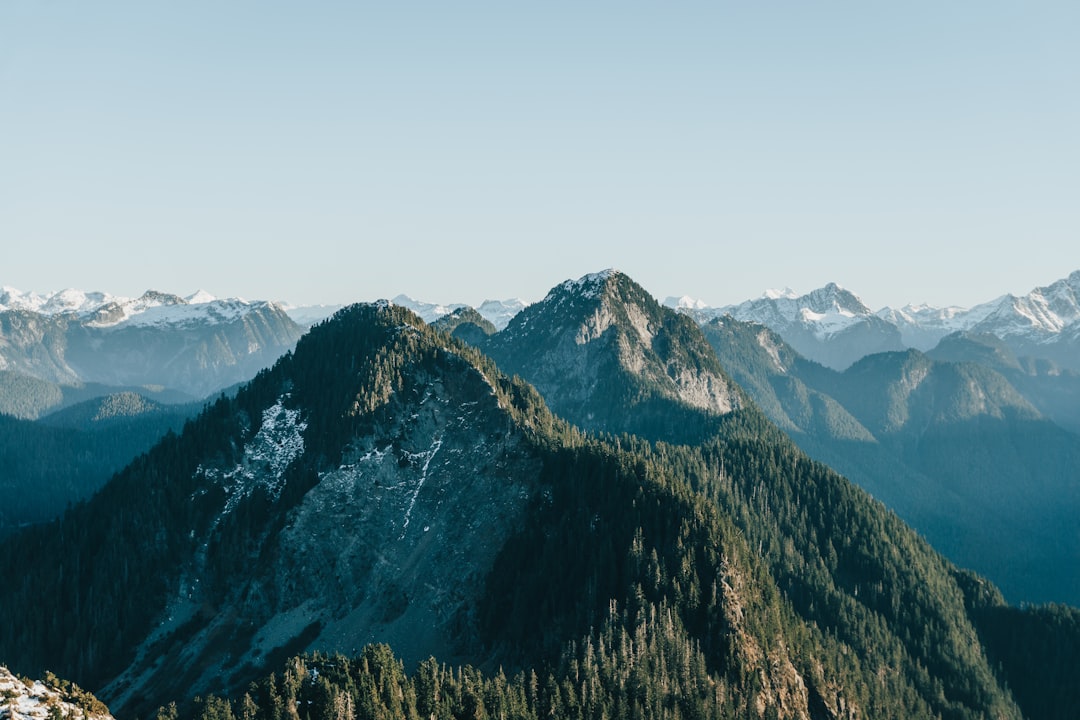
Vancouver Island offers Victoria’s refined Inner Harbour and Butchart Gardens, while the island’s west coast—Tofino and Ucluelet—draws storm-watchers and surfers to long, rugged beaches inside the Pacific Rim National Park Reserve. Inland, the Okanagan Valley centers on Kelowna and Penticton: vineyards, beaches, and warm summers. For dramatic mountain scenery drive the Trans-Canada through Yoho and Glacier National Parks in the Kootenays, or visit Revelstoke for steep terrain and deep-snow winters.
For true wilderness, the Great Bear Rainforest and Haida Gwaii offer remote coastal ecosystems and Indigenous cultural experiences—both require advance planning but reward with wildlife encounters and cultural depth.
Local Experiences
Food and drink in BC is tightly connected to place: coastal seafood, fruit from the interior valleys, and a thriving craft-beer and winery scene. In Vancouver, sample fresh oysters, Japadog-inspired street food, and vibrant multicultural neighborhoods—Granville Island Public Market is a reliable place to taste regional producers.
-
Markets: Victoria Public Market and Kelowna’s farmer markets showcase seasonal produce—berries, cherries, and stone fruits in summer; fall brings apples and late grapes.
-
Viewpoints: Drive up the Malahat on Vancouver Island for sweeping views over the Saanich Inlet, or hike to the top of Sulphur Mountain in Banff-adjacent terrain—(note: Banff is in Alberta; for high alpine views within BC, take the summit views at Revelstoke Mountain Resort or the Peak Chair in Whistler).
-
Neighborhoods: Explore Vancouver’s Kitsilano for beach culture and cafes, Gastown for historic charm and design shops, and Victoria’s James Bay for an intimate seaside village feel near the legislature.
-
Festivals: Time your visit to coincide with local events—Vancouver International Wine Festival, Whistler’s World Ski & Snowboard Festival, or the Celebration of Light fireworks in summer. Smaller communities host harvest festivals in the Okanagan and traditional potlatches and cultural gatherings on Haida Gwaii and the Central Coast.
-
Outdoor activities: Paddleboarding and kayaking are exceptional—explore the Gulf Islands or kayak among the sheltered inlets of Desolation Sound. In winter, BC is a magnet for skiers and snowboarders at Whistler, Revelstoke, and Kicking Horse. Summer hiking ranges from coastal walks in the Pacific Rim to alpine trails in Garibaldi Provincial Park.
Seek local guides for whale watching, bear-viewing tours, and Indigenous cultural experiences to ensure responsible wildlife viewing and respectful engagement with communities.
Best Time to Visit
BC’s size means weather and crowds vary widely by region. Coastal areas enjoy milder, wetter winters and cool summers, while the interior experiences hot, dry summers and cold winters.
-
Spring (March–May): Shoulder season with fewer crowds. Coastal wildflowers and migrating birds make spring a pleasant time in Vancouver and Victoria; trails may still have snow at higher elevations.
-
Summer (June–August): Peak season for beach, boating, and mountain hiking. Expect warm weather in the Okanagan (great for vineyards and lakes), busy parks and ferries, and long daylight hours. This is the best time for coastal kayaking and island hopping.
-
Fall (September–November): Harvest season in the Okanagan and quieter trails. Early fall—September and early October—often offers mild weather and thinning crowds. Fall colors appear in interior valleys and mountain aspens.
-
Winter (December–February): Prime time for snow sports. Whistler, Revelstoke and the Kootenays have deep snowpacks and world-class terrain. Coastal areas are cooler and rainy but still draw storm-watchers to the west coast of Vancouver Island.
For a balance of good weather and smaller crowds, late spring (May to early June) and September are excellent choices. Book peak-summer ferries and accommodation well in advance, especially for Vancouver Island, Whistler, and Okanagan wineries.
Essential Travel Tips
Planning ahead makes travel in British Columbia smoother and safer. Here are practical considerations to keep in mind.
-
Transportation: Renting a car is the most flexible way to explore scenic routes, but urban centers have good public transit—TransLink in Metro Vancouver and BC Transit in Victoria. Ferries (BC Ferries) connect the mainland to Vancouver Island and Gulf Islands; check schedules and book vehicles early in summer. For long distances, consider regional airlines; trains like the Rocky Mountaineer offer scenic but premium rail travel.
-
Money: Major credit cards are widely accepted in cities and tourist hubs; cash is handy in smaller communities and markets. Tipping 15–20% in restaurants is customary.
-
Safety: Coastal and mountain weather can change rapidly. Check local avalanche reports in winter if venturing into backcountry; always tell someone your plans and carry appropriate gear. Wildlife encounters are real—store food securely, follow bear-safety protocols, and give marine mammals respectful distance.
-
Packing: Layers are essential—coastal fog and inland heat can occur on the same trip. Waterproof outerwear and sturdy hiking shoes are musts. If you plan to kayak or beach-comb on the west coast, pack a warm layer and windproof jacket even in summer.
-
Local etiquette: Acknowledge that much of BC sits on traditional territories of First Nations. Respect signage, closures, and cultural sites. Ask before photographing people or cultural artifacts and consider guided Indigenous-run tours to support community-led interpretation.
Frequently Asked Questions
When is the best month to visit BC for warm weather and fewer crowds?
September strikes a good balance—warm daytime temperatures in the interior and milder coastal weather, plus thinner crowds after the August peak. Early June is another quiet window with long days and blooming landscapes.
Do I need a car to explore the province?
While cities like Vancouver and Victoria are walkable with public transit, a car is highly recommended to access scenic routes, dispersed parks, and smaller communities. Ferries are required for island travel and can carry vehicles.
Are there opportunities for wildlife viewing in BC?
Yes. Whale-watching is popular from Vancouver Island and the Gulf Islands, while coastal regions offer bear-viewing tours (notably around the Great Bear Rainforest and Knight Inlet). Use licensed guides and follow regulations to minimize disturbance to animals.
Is British Columbia suitable for solo travelers?
Absolutely. Major tourist corridors are well serviced and safe for solo travelers. Exercise standard outdoor safety practices—share your plans for remote excursions, carry emergency gear, and consider guided trips for backcountry activities.
How far in advance should I book accommodations and ferries?
During peak summer months (June–August) and holiday periods, book accommodations and BC Ferries vehicle reservations as early as possible—often several months ahead. For popular festivals or winter holidays at ski resorts, secure lodging and lift tickets early.
Conclusion
British Columbia rewards travelers who embrace its variety: coastal rainforests and surf-swept beaches, alpine summits and glacier-carved valleys, and fertile inland valleys bursting with produce and wine. Whether your itinerary focuses on urban culture and seafood in Vancouver and Victoria, on high-country pursuits in Whistler and Revelstoke, or on remote coastal wilderness in Haida Gwaii and the Great Bear Rainforest, thoughtful planning will heighten the experience. Respect local communities and ecosystems, allow extra time for ferries and weather shifts, and prioritize guided experiences for wildlife and Indigenous cultural encounters. The result is a trip that shows BC’s many faces—spectacular, soulful, and distinctly Pacific Northwest.