
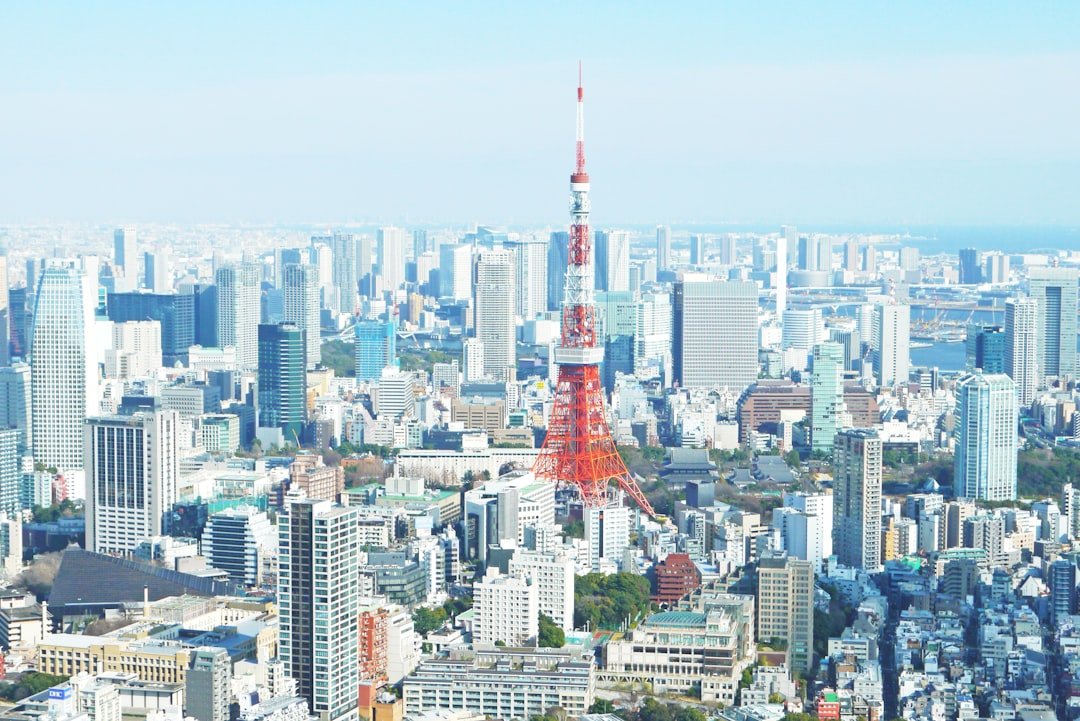
Japan Travel Guide: Temples, Trains and Neon — Your Essential Itinerary
Japan moves between contrasts: centuries-old temples shaded by maple trees and districts where neon adverts flicker until dawn. Whether you’re sipping matcha in a Kyoto teahouse, riding a shinkansen across cedar-lined countryside, or hunting for street food beneath Tokyo’s glowing signs, the country rewards curiosity. This guide distills the essentials for first-timers and repeat visitors alike — highlighting can’t-miss sites, hands-on local experiences, the best months to travel, and practical advice to navigate transit, money and etiquette. Read on for an efficient, experience-driven plan to help you craft a balanced itinerary that mixes heritage, contemporary culture and the easy rhythms of everyday Japanese life.
Must-See Attractions
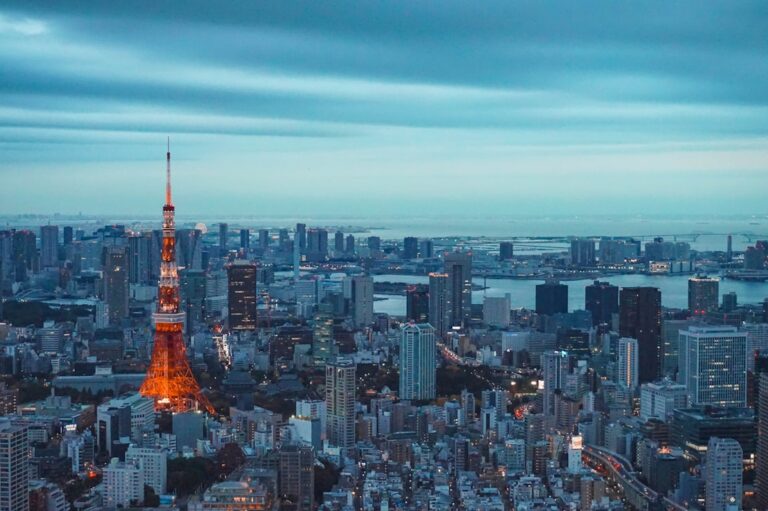
Japan’s landmarks are as diverse as its islands. Start in Kyoto, where the serenity of Kiyomizu-dera and the torii gates of Fushimi Inari Taisha showcase classical architecture and ritual pathways. Walk the Philosopher’s Path in spring for cherry blossoms, then visit Kinkaku-ji (the Golden Pavilion) to see a shimmering reflection garden. In Tokyo, experience the sensory overload of Shibuya Crossing, explore Meiji Jingu’s forested shrine precinct, and wander the fashion-forward streets of Harajuku. Don’t miss Asakusa’s Senso-ji for a glimpse of Old Tokyo and Nakamise-dori’s traditional snacks and souvenirs.
Historic Hiroshima and its Peace Memorial Park are essential for reflection; nearby Miyajima Island offers the iconic floating torii of Itsukushima Shrine. In the Kansai region, Nara’s Todai-ji houses a giant Buddha and friendly deer in Nara Park. For modern cityscapes fused with nature, visit Osaka to sample street food at Dotonbori and view Osaka Castle — a dynamic contrast of culinary exuberance and samurai history. If you have time, a trip to Hokkaido rewards hikers and food lovers alike with national parks and fresh seafood, while Hakone and Mount Fuji provide classic onsen and mountain vistas.
Local Experiences
Food is the quickest route to understanding Japan. Try sushi at an edo-style sushi bar or a conveyor-belt kaiten-zushi for an affordable sample. Seek out izakaya neighborhoods in Tokyo or Kyoto for late-night plates and local conversation. Sample regional specialties: okonomiyaki in Osaka, kaiseki dining in Kyoto, Hiroshima-style okonomiyaki, ramen varieties across prefectures, and Hokkaido’s seafood and dairy.
Markets and small shopping streets offer intimate glimpses of daily life. Explore Nishiki Market in Kyoto for pickled vegetables, fresh seafood and snacks; fish auctions and morning markets in Toyosu reveal Tokyo’s fish trade evolution. Stroll alleyways like Pontocho in Kyoto or Omoide Yokocho in Shinjuku for neon-lit lanes with tiny bars and yakitori stalls.
Neighborhoods matter: spend time in residential districts such as Yanaka (Tokyo) to see old wooden houses and temples without crowds. Attend a local festival (matsuri) when possible — summer festivals feature floats, portable shrines and street stalls; autumn festivals celebrate harvest with lanterns and performances. For outdoor experiences, cycle around rural Shimanami Kaido, hike in the Japanese Alps near Kamikochi, or take a scenic train ride (e.g., the JR limited express routes) to appreciate landscapes between cities.
Best Time to Visit
Timing your trip affects weather, crowds and what you can experience. Spring (late March–April) is world-famous for cherry blossom season; expect pleasant temperatures and high demand in popular spots. Golden Week (late April–early May) is busy and prices spike.
Summer (June–August) begins with a rainy season (tsuyu) in June on Honshu; July and August bring hot, humid weather and vibrant festivals but also high temperatures, especially in cities. Autumn (October–November) rivals spring for scenery: crisp air, colorful foliage and comfortable touring conditions—this is ideal for outdoor walks and temple gardens.
Winter (December–February) is cold in most regions but perfect for onsen bathing and skiing in Hokkaido or the Japanese Alps. Coastal areas and Okinawa remain milder; winter illumination events throughout cities offer a different kind of night-time spectacle. Best months overall: late March–April and October–November for scenery and moderate weather; December for quieter city visits and winter festivals if you don’t mind colder temperatures.
Essential Travel Tips
Transportation: Purchase a Japan Rail Pass only if your itinerary covers long-distance JR trains; regional passes can be more cost-effective. Reserve shinkansen seats during peak seasons. Use Suica/Pasmo IC cards for effortless local transit and small purchases in many urban areas.
Money: Cash remains widely used—keep yen on hand for markets, rural shops and smaller establishments. Credit cards are increasingly accepted in cities, but always confirm before relying solely on cards. ATMs at 7-Eleven and post offices accept many foreign cards.
Safety: Japan is one of the world’s safest countries; standard precautions suffice. Be mindful of earthquakes—learn basic emergency procedures and carry an emergency contact card. Respect rules in crowded areas, especially on trains (keep phone calls brief and set phones to silent).
Packing: Bring season-appropriate layers; comfortable walking shoes are essential. If visiting temples and shrines, pack socks for slipping shoes off, and a compact umbrella for sudden showers. For onsen visits, modesty and cleanliness rules apply—follow posted guidance regarding tattoos.
Local etiquette: Bowing replaces handshakes in many situations. Remove shoes where required (homes, some ryokan and traditional restaurants). Avoid eating while walking in crowded areas; queue politely and follow signs in public spaces. Learn a few phrases—arigatou (thank you), sumimasen (excuse me/sorry), and onegaishimasu (please)—they go a long way.
Frequently Asked Questions
Do I need a visa to travel to Japan?
Visa requirements depend on your nationality and length of stay. Many countries benefit from visa exemptions for short tourist visits, but check the Japanese Ministry of Foreign Affairs website or your government travel advisory before planning.
Is English widely spoken?
English is common in tourist hubs, transportation signage and major hotels, but less so in rural areas. Carry a downloaded map, translation app, or basic phrases to ease communication. Staff at tourist information centers often speak some English.
What’s the tipping culture in Japan?
Tipping is not customary and can cause confusion. Excellent service is standard; instead, show appreciation with a polite thank-you. In rare cases where tipping is accepted (high-end private guides), present money discreetly in an envelope.
Can I use my phone and data easily?
Yes—rent pocket Wi-Fi or a prepaid SIM for consistent mobile data, especially if relying on maps and transit apps. Free Wi-Fi hotspots are available in many urban areas but are less reliable outside cities.
How many days should I spend in Japan?
A two-week trip allows you to experience Tokyo, Kyoto and one or two additional regions (Osaka, Hiroshima, Hakone). For a focused highlights trip, 7–10 days covers either Tokyo-plus or Kyoto-plus circuits. Adjust based on interests: slower travelers might spend a month to include lesser-known prefectures.
Conclusion
Japan blends ritual and innovation in a way that rewards both fast-paced discovery and slow, deliberate exploration. From temple courtyards and sacred shrines to late-night ramen alleys and efficient rail journeys, the country offers varied experiences for every traveler. Plan seasons and routes around the sights you value most—cherry blossoms or autumn leaves, festivals or food pilgrimages—respect local customs, and allow time for unplanned moments. Those spontaneous detours—an unexpected shrine, a memorable meal in a narrow alley, or a quiet garden at dusk—often become the trip’s most lasting memories.
Inspired? Start planning your trip.
Move from inspiration to planning with BookingTabs — explore hotels, tours and travel options in one place.

Join the conversation
Ask a question, share a travel tip, or help another traveler plan with confidence.
Leave a comment
No account or email required.