
Coastal Australia Road Trips: Scenic Drives and Seaside Highlights
Australia’s coastline stretches more than 25,000 miles and offers some of the world’s most dramatic seaside scenery, from sculpted limestone stacks to tropical reefs and windswept beaches. Whether you want to drive the arresting curves of the Great Ocean Road, chase sunrise at Cape Byron, snorkel Ningaloo’s coral gardens, or sail among the Whitsunday Islands, the country’s coastal corridors reward road-trippers and slow travelers alike. This guide highlights the most scenic drives, must-see seaside towns and natural wonders, plus local experiences and practical tips to plan a safe, memorable journey along Australia’s shores.
Must-See Attractions
Australia’s coastline is a series of distinct regions, each with signature attractions that are best discovered at a relaxed pace.
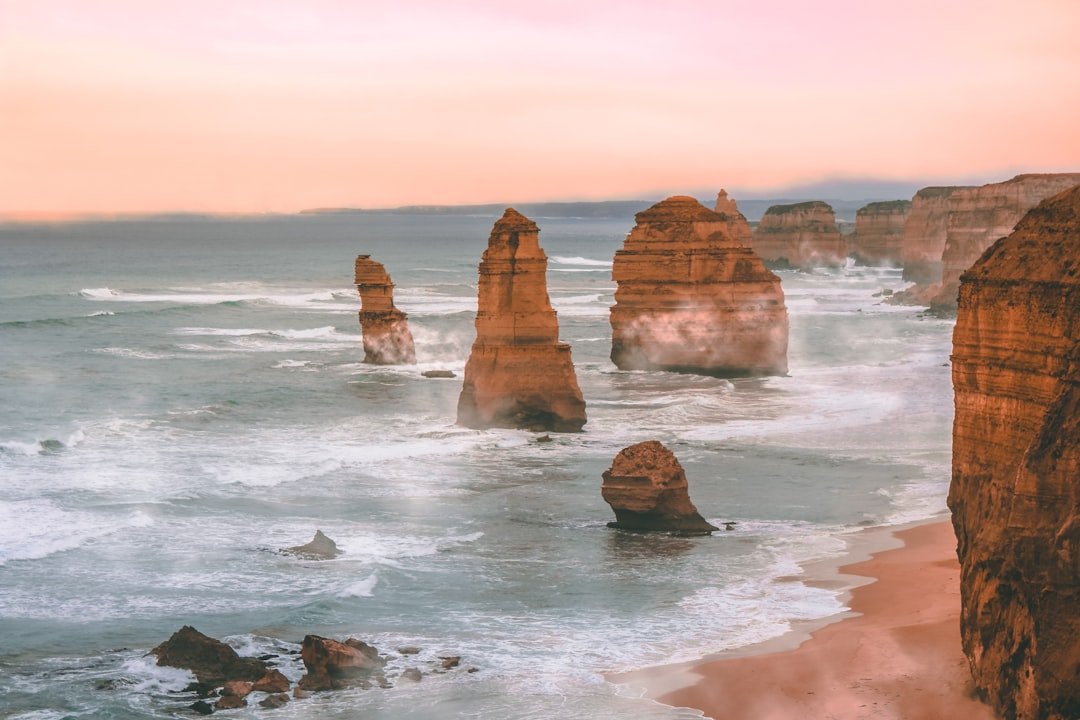
- Great Ocean Road (Victoria) — A classic coastal drive linking Torquay, Anglesea and Lorne to the Twelve Apostles near Port Campbell. The limestone stacks, coastal lookouts and nearby rainforest in Great Otway National Park make this a rich half- to full-day experience or multi-day road trip.
- Bondi to Coogee Walk (New South Wales) — An accessible urban coastal walk with cliffs, panoramic ocean views and pockets of sandy beach in Sydney’s eastern suburbs. Bondi Beach itself remains an icon for surf culture and people-watching.
- Cape Byron and Byron Bay (New South Wales) — Australia’s easternmost point features sweeping headlands and a relaxed arts-and-surf town. Sunrise at the Cape Byron Lighthouse offers a classic view and frequent dolphin and whale sightings.
- Grand Pacific Drive & Royal National Park (New South Wales) — South of Sydney, the coastal route includes the Sea Cliff Bridge, dramatic coastal cliffs and forested walking trails in Australia’s second-oldest national park.
- Whitsunday Islands & Whitehaven Beach (Queensland) — Offshore from Airlie Beach, the Whitsundays deliver bright turquoise waters and the famously pure silica sands of Whitehaven Beach; ideal for sailing and island-hopping.
- Great Barrier Reef access points (Queensland) — From Cairns and Port Douglas to the Whitsundays, the reef system offers world-class snorkeling and diving. Choose certified operators and reef-responsible tours.
- Ningaloo Reef (Western Australia) — A more intimate alternative to the Great Barrier Reef, Ningaloo lets snorkelers swim with whale sharks (seasonal) directly from shore near Exmouth and Coral Bay.
- Margaret River (Western Australia) — Coastal cliffs, surf breaks and a celebrated food-and-wine scene combine with nearby cape-to-cape walking trails and limestone caves.
- Freycinet National Park (Tasmania) — Wineglass Bay’s curved white sand and granite outcrops are among Australia’s most photogenic coastal views; short hikes and lookout platforms make it accessible.
- Kangaroo Island (South Australia) — Protected wildlife, sea-carved cliffs at Remarkable Rocks and coastal drives reveal a rugged, less crowded seaside character.
- Cable Beach & Broome (Western Australia) — Red sands, shallow turquoise water and camel rides at sunset define this remote tropical-west coastline.
Best Time to Visit
Australia’s vast latitudinal range means coastal weather and crowds vary considerably.
- Southeast coast (Sydney, Melbourne, Great Ocean Road, Tasmania) — Best months are September to November (spring) and March to May (autumn). Expect warm, pleasant conditions and fewer summer holiday crowds. Summer (December–February) is warm and busy, while winter can be cool and wet in Tasmania and Victoria.
- East coast tropics and subtropics (Cairns to Byron Bay) — The dry season (May–October) is ideal: lower humidity, less rainfall and calmer seas for reef visibility. The wet season (November–April) brings heat, heavy rain and marine stingers in northern waters.
- West coast and northwest (Perth to Broome, Ningaloo) — Autumn and spring (April–June, September–November) are comfortable. Ningaloo’s whale shark season runs roughly March–August depending on location.
- Specific crowd notes — School holiday periods (January, April, July, September/October by state) see higher local travel and booked accommodation. For quieter drives and better rates, travel outside major holiday windows.
Essential Travel Tips
Practical advice keeps a coastal trip safe and stress-free.
- Driving and distances — Coastal drives can hide long distances between services. Plan fuel stops, carry a spare tire and check local road conditions. Some iconic routes, like the Great Ocean Road, are best driven slowly to appreciate lookouts.
- Wildlife and safety — Kangaroos and wallabies are active around dawn/dusk—drive carefully. Observe marine wildlife from a distance and follow operator guidance for reef interactions. In northern waters, heed stinger nets and signage during the wet season.
- Sun protection — UV is intense year-round: pack high-SPF sunscreen, a wide-brim hat and UV-protective clothing.
- Money and services — Credit and contactless payments are widely accepted in towns; carry some cash in remote areas. ATMs may be scarce outside regional centers.
- Mobile coverage — Expect gaps outside major towns; download maps offline and share your route if traveling remote stretches like parts of the west coast or the Nullarbor Plain.
- Permits and national parks — Some parks require entry fees or permits—check park websites ahead of arrival and bring identification for bookings.
- Packing — Layers for variable weather, good walking shoes for headlands and board shorts/tops for water activities. A reef-safe sunscreen and a dry bag for small electronics are smart additions.
- Emergencies — Dial 000 for police, fire or ambulance. For remote medical retrievals or marine incidents, local tour operators and park rangers can advise on procedure.
Frequently Asked Questions
What’s the best coastal drive in Australia for first-time visitors?
The Great Ocean Road near Melbourne is the most iconic drive for first-time visitors—spectacular sea cliffs, the Twelve Apostles and accessible towns make it a natural introduction to Australia’s coastal scenery.
When can I swim with whale sharks at Ningaloo Reef?
Whale shark season varies by location but typically runs from March through August. Book with licensed operators in Exmouth or Coral Bay and confirm exact timing for the year you plan to visit.
Are beaches safe for swimming everywhere?
Not always. Many surf beaches have rips; swim between the red-and-yellow flags where lifeguards patrol. In northern tropical waters, observe stinger warnings and use provided nets during the wet season.
How busy are the Whitsunday Islands and Whitehaven Beach?
Peak season runs during the Australian winter dry months (June–August) and school holidays. To avoid crowds, aim for shoulder seasons (April–May or September–October) and choose early-morning or late-afternoon beach visits.
Can I drive along the entire Australian coast?
While much of the coast is connected by roads, some remote stretches require planning for fuel, supplies and road conditions. The Nullarbor and parts of the northwest have long distances between towns—prepare accordingly.
Conclusion
Australia’s coastline offers a remarkable mix of dramatic headlands, tranquil bays, coral reefs and bustling seaside towns—each region distinct in climate, culture and activities. Whether you prefer short coastal walks and city beaches or multi-day road trips and island-hopping sails, planning around seasonal weather and local conditions will maximize enjoyment. Slow travel pays dividends: lingering at lookouts, sampling regional seafood and joining guided reef or wildlife tours reveals the character of the shore beyond postcard views. With sensible preparation and respect for local habitats, a coastal journey in Australia becomes a lasting, sunlit memory.
Inspired? Start planning your trip.
Move from inspiration to planning with BookingTabs — explore hotels, tours and travel options in one place.


Join the conversation
Ask a question, share a travel tip, or help another traveler plan with confidence.
Leave a comment
No account or email required.