
Sun, Stone and Sand: Discover Montenegro’s Most Beautiful Beaches
Montenegro’s coastline packs an outsized variety of beaches into a short stretch of Adriatic shore. Pebbly coves tucked under medieval citadels, long sands that draw windsurfers, and an impossibly photogenic islet with terracotta roofs: each beach offers a distinct mood and set of activities. Because the country is compact, you can combine a day exploring Budva’s lively riviera with an afternoon on a quieter bay or a sunset at a UNESCO-style viewpoint. Whether you want family-friendly promenades, dramatic cliff paths, or wide open beaches for kitesurfing, Montenegro delivers. This guide highlights the beaches you shouldn’t miss and practical tips to make the most of each stop along the Adriatic.
Must-See Attractions
The coastline of Montenegro concentrates a handful of beaches that are as much about setting as sand or pebbles. Below are the most iconic stretches to plan around.
-
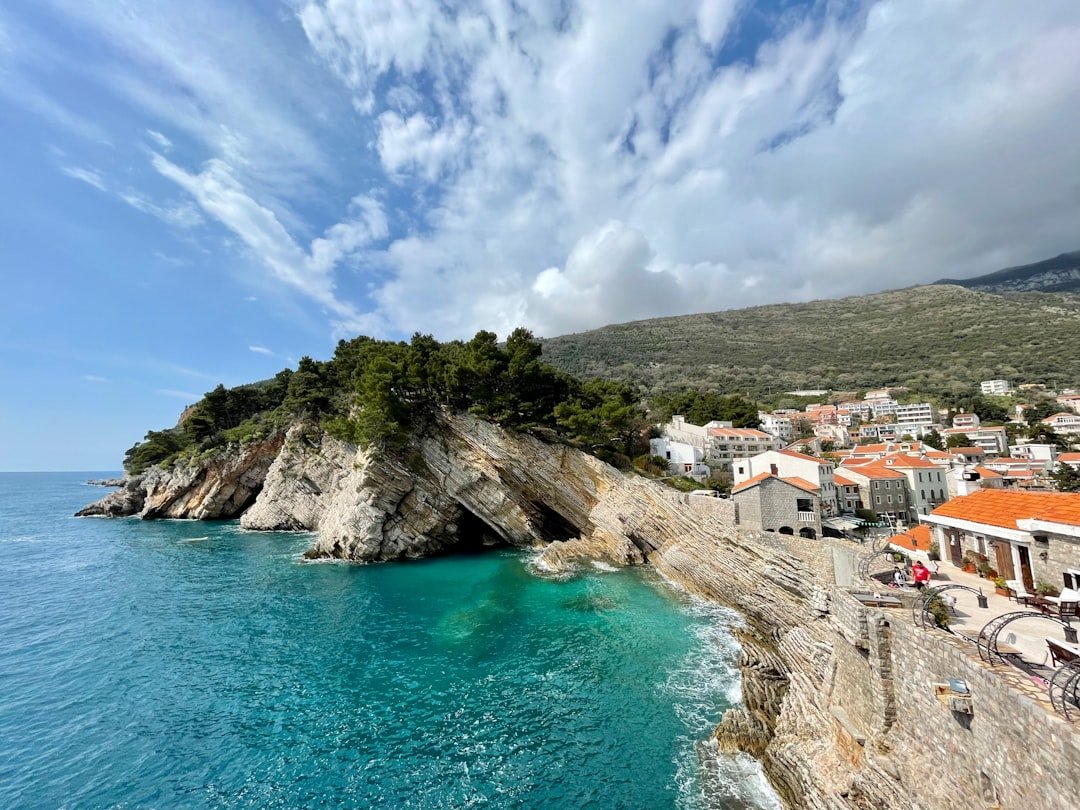
Sveti Stefan and Miločer Beach (near Budva) — The tiny islet of Sveti Stefan, linked to the mainland by a narrow causeway, is Montenegro’s signature image. The islet itself houses a private resort, but nearby Miločer Park and the adjacent beach offer superb panoramic views and elegant promenades lined with pine trees.
-
Mogren Beach (Budva) — Two sheltered pebble coves connected by a coastal tunnel and a short cliff path from Budva’s Old Town. Mogren’s warm, calm water and dramatic cliffs make it a favorite for photographers and swimmers who want proximity to nightlife and restaurants.
-
Jaz Beach (between Budva and Bar) — One of Montenegro’s longest pebble beaches, Jaz blends open space with a festival-ready setting; it has become known for large summer concerts and beach-side events. The long shoreline and gradual entry make it good for families and evening gatherings.
-
Slovenska Plaža (Budva) — The main Budva beachfront, a broad, amenity-rich strip with cafes, promenades and easy access for visitors staying in town. It’s lively, convenient and ideal for a classic Adriatic beach day.
-
Bečići Beach — Neighboring Budva, Bečići is famed for its long sweep of fine pebbles and gentle gradient into the sea, making it popular with families and sports facilities.
-
Buljarica Beach — A long, low-key bay south of Petrovac that offers more space and fewer high-rise developments. Its relaxed atmosphere makes it one of the best spots for a quiet day by the water.
-
Petrovac Bay — A small palm-lined promenade and sheltered pebble beaches characterize Petrovac. The town’s compact harbor and seaside walk are ideal for combining a swim with a coffee or an evening stroll.
-
Ada Bojana — A triangular river island at the mouth of the Bojana River, Ada Bojana is famous for long sandy shores, strong winds that attract kitesurfers, and a laid-back beach culture with seafood shacks along the sand.
-
Velika Plaža (Long Beach), Ulcinj — Stretching roughly 12 kilometers, Velika Plaža is Montenegro’s largest sandy beach. Its uninterrupted expanse is perfect for long walks, wind sports and those seeking wide-open space far from dense resort development.
Local Experiences
Beyond sunbathing, Montenegro’s coastal culture is best experienced through food, markets, views and outdoor activities.
-
Seafood and Konobas — Look for local konobas (family-run taverns) serving freshly grilled fish, octopus salad and black risotto. Coastal towns serve simple, Atlantic-style seafood where the catch of the day defines the menu.
-
Seaside Promenades and Markets — Budva’s Slovenska Plaža and Petrovac’s waterfront offer lively promenades lined with cafes and gelaterias. Weekly markets in towns like Bar and Ulcinj let you sample olives, citrus and regional cheeses; small stalls also sell handmade summer crafts.
-
Cliff Walks and Viewpoints — The Budva to Sveti Stefan coastal path and the trail linking Budva Old Town to Mogren Beach provide rewarding viewpoints. For sweeping panoramas, head to the coastal road above Sveti Stefan at golden hour.
-
Festivals and Nightlife — Summer brings music festivals and beach parties, concentrated around Budva and Jaz. Even outside big events, Budva’s Old Town has bars and clubs open late, while smaller towns offer low-key evenings with live traditional music.
-
Watersports and Outdoor Activities — From paddleboarding and snorkeling in calm coves to kitesurfing at Ada Bojana and windsurfing on Velika Plaža, the coast supports a wide range of activities. Boat trips from Kotor Bay or Budva are an easy way to explore hidden coves and nearby islands.
Best Time to Visit
Timing your trip affects weather, crowds and sea conditions. Montenegro’s coast has a Mediterranean climate with hot summers and mild winters.
-
High season (July–August) — Warmest sea temperatures and maximum activity. Beaches are busiest and accommodation prices are highest. Ideal for swimming, festivals and long daylight hours.
-
Shoulder seasons (May–June, September–early October) — Often the best overall time to visit: warm weather, fewer crowds, and more pleasant temperatures for hiking and sightseeing. Sea temperatures are usually comfortable by June and remain warm into September.
-
Low season (late October–April) — Many beach facilities close or scale back services. Winters are mild compared with northern Europe, but water is cooler and some towns are much quieter—good for sightseeing without the bustle.
For wind sports like kitesurfing, late spring and early autumn can bring steady winds at Ada Bojana and Velika Plaža; check local forecasts before traveling with specialized gear.
Essential Travel Tips
-
Getting Around — Montenegro’s coastal towns are linked by a single main coastal road. Buses run between major towns (Budva, Kotor, Bar, Ulcinj) and are affordable; renting a car gives you flexibility to reach quieter beaches like Buljarica and Ada Bojana.
-
Money and Costs — Montenegro uses the euro. Coastal resorts tend to be pricier than inland areas; small konobas and markets often accept cash, so keep some euros on hand.
-
Safety and Health — Beaches are generally safe; watch for strong sun and bring reef shoes for pebble beaches, which can get hot and be slippery underfoot. Lifeguard presence varies by beach—check local signage.
-
Packing Suggestions — Include sunscreen, a hat, water shoes for pebble shores, and a light windbreaker for evenings or windy beaches. If you plan on watersports, book lessons or rental equipment from reputable operators.
-
Local Etiquette — Dress is casual on the coast, but cover up when entering churches or conservative neighborhoods. Respect private property and local signs—some beaches adjacent to resorts limit access for guests.
-
Parking and Access — Popular beaches like Mogren and Slovenska Plaža can have limited parking in high season. Arrive early in the day or use public transport to avoid delays.
Frequently Asked Questions
Are Montenegro’s beaches sandy or pebbly?
Both. Much of the Adriatic coast in Montenegro is pebble or coarse shingle, especially around Budva and Kotor. Notable sandy stretches include Velika Plaža (Ulcinj), Ada Bojana, and parts of Bečići—check beach descriptions in advance if you prefer sand.
Can I visit Sveti Stefan’s beach without staying at the resort?
You can view Sveti Stefan from public viewpoints and the surrounding beaches such as Miločer. The islet itself primarily houses a private resort with restricted access, so plan for external viewpoints for photos and walks.
Which beach is best for families?
Bečići and Slovenska Plaža are known for gentle entry, amenities and family-friendly services. Mogren is sheltered and close to Budva’s facilities, but note it’s a pebble beach and can be crowded.
Where should I go for kitesurfing and wind sports?
Ada Bojana and Velika Plaža in Ulcinj are the prime spots for wind- and kite-powered sports due to steady winds and wide open space. Local schools provide lessons and gear rental in season.
How crowded do Montenegro’s beaches get in summer?
July and August are peak months with busy beaches, full promenades and higher prices. For fewer crowds while still enjoying warm water, aim for May–June or September.
Conclusion
Montenegro’s coastline is compact but astonishingly diverse. In a single trip you can combine the postcard-perfect silhouette of Sveti Stefan, the lively promenades of Budva and the long windswept sands of Ulcinj’s Velika Plaža. Each beach offers different rhythms—family-friendly leisure, festival energy, or quiet unspoiled stretches for long walks. Plan your visit according to the activities you want: bustling promenades and nightlife in high summer, or shoulder-season calm for swimming and hiking. With easy connections between towns, a memorable beach day and an evening of coastal cuisine are never far apart.
Inspired? Start planning your trip.
Move from inspiration to planning with BookingTabs — explore hotels, tours and travel options in one place.

Join the conversation
Ask a question, share a travel tip, or help another traveler plan with confidence.
Leave a comment
No account or email required.