
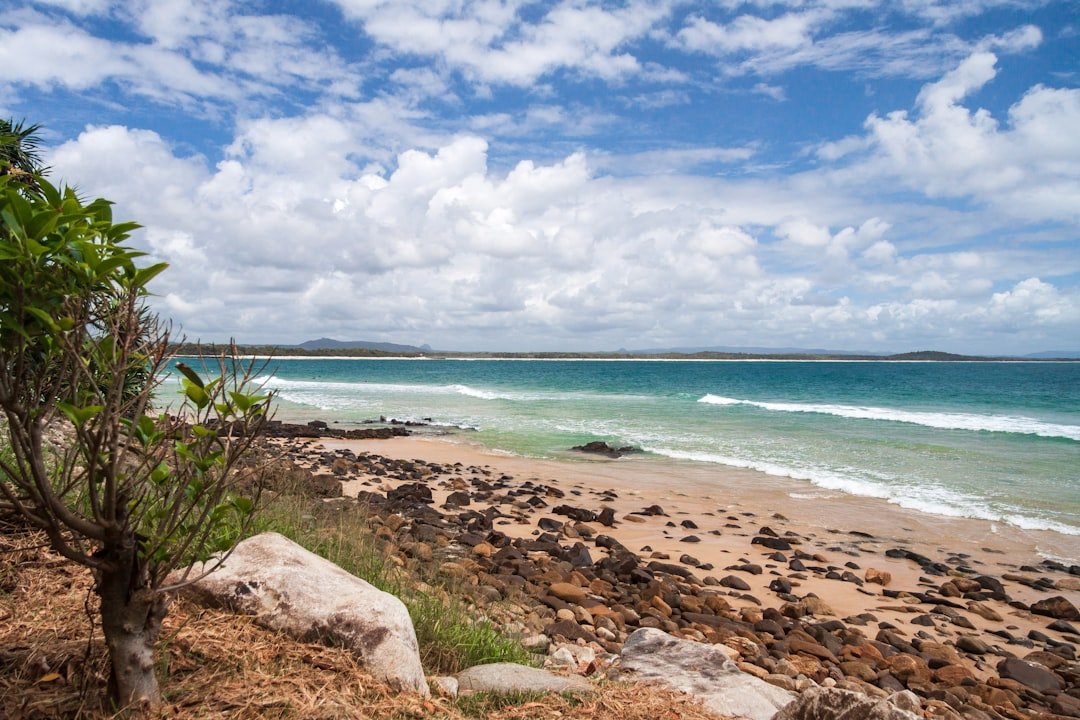
Coastal Australia: Scenic Drives and Must-See Seaside Destinations
Australia’s coastline stretches more than 25,000 miles and offers dramatic headlands, white-sand beaches, reef-fringed waters and long, open highways that invite slow travel. Whether you have a long summer for an east-coast expedition or a few days to experience Tasmania’s windswept bays, there are coastal drives and seaside towns that showcase the country’s natural contrasts: towering cliffs, temperate rainforests meeting the sea, and underwater worlds visible from shore or a short boat trip. This guide maps the most scenic coastal routes and destinations worth prioritizing, from the iconic Great Ocean Road and the Whitsundays to lesser-traveled treasures like Ningaloo Reef and the Nullarbor crossing. Expect practical advice and local experiences to help plan an unforgettable coastal itinerary.
Must-See Attractions
The Great Ocean Road (Victoria) is quintessential Australia: the winding coastal highway passes dramatic cliffs and the limestone stacks of the Twelve Apostles. In New South Wales, the Grand Pacific Drive and the stretch from Sydney up to Byron Bay combine oceanlookouts, surfing beaches and rainforest detours. Queensland’s east coast features the Whitsunday Islands and the southern reaches of the Great Barrier Reef—Whitehaven Beach on Whitsunday Island is world-famous for its silica sand. Farther north, the Great Barrier Reef around Cairns and Port Douglas offers snorkeling and diving among extensive coral systems.
Western Australia’s Coral Coast centers on Ningaloo Reef, where you can snorkel with whale sharks (seasonal) and swim straight off the beach among coral gardens. Along the southern coast, Kangaroo Island (South Australia) combines wildlife viewing with dramatic sea cliffs and secluded bays. Tasmania’s Bay of Fires is acclaimed for its orange lichen-streaked rocks and crystalline beaches, while the nearby Freycinet Peninsula and Wineglass Bay provide iconic hiking vistas. For long-haul road adventurers, the Nullarbor Plain offers stark, remote panoramas and the chance to sight native wildlife against a vast ocean backdrop on the Bunda Cliffs.
Local Experiences
Food and markets along Australia’s coast are regionally distinct. Melbourne and Adelaide coastal regions lean into seafood and local produce—look for rock lobster in South Australia or freshly shucked oysters in Tasmania. In Queensland, tropical fruits and reef-to-plate seafood dominate menus around Cairns and the Whitsundays. Coastal towns host farmers’ markets and fish markets year-round: the Fisherman’s Wharf markets in Hobart and local markets along the NSW North Coast are good bets for fresh, local fare.
Viewpoints and neighborhoods reward slow exploration. Walk the clifftop trails along the Great Ocean Road for sunset views of the Twelve Apostles, or climb Cape Byron Lighthouse near Byron Bay for a sweeping lookout over humpback migration corridors. In Perth, Cottesloe Beach and the West Coast Drive provide oceanfront cafés and sunset swims; in Tasmania, the Friendly Beaches and the vantage points at Wineglass Bay lookouts are must-visits for photographers.
Outdoor activities are the backbone of coastal life: surfing breaks on the Gold Coast and Bells Beach, snorkeling and diving on the Great Barrier Reef and Ningaloo, sea kayaking around Hobart and the Freycinet islands, and wildlife encounters—sea lions on Kangaroo Island, humpback whales along eastern migration routes, and birding along the Coorong and Moreton Bay. Seasonal festivals—like the Camel Cup in Broome (if you extend into the Kimberley) or regional seafood festivals—offer cultural flavor and local specialties.
Best Time to Visit
Timing depends on region and activities. For tropical Queensland and the Great Barrier Reef, April to November avoids the wet season and stinger season, providing calmer seas and better diving conditions. The Whitsundays are pleasant in the Australian winter and shoulder seasons (May–September). For southern destinations—Victoria, Tasmania, South Australia—late spring to early autumn (November to March) offers warmer weather and longer daylight for drives, hikes and beach visits, but expect higher crowds in December–February. Western Australia’s Coral Coast is best from April to November for whale sharks and comfortable temperatures.
If you want to combine road-tripping with wildlife viewing, plan around migration and breeding windows: humpback whales migrate north from May to July and return south from August to November; whale shark aggregations at Ningaloo typically occur between March and July. For fewer crowds and milder weather, consider shoulder seasons (March–May and September–November) for many coastal routes.
Essential Travel Tips
- Transportation: Rent a reliable vehicle for long coastal drives—many routes are sealed, but if you plan to explore off‑highway tracks or the Nullarbor, a high-clearance vehicle is recommended. Allow extra time for scenic stops and wildlife sightings.
- Ferries and island access: Book ferry crossings to Kangaroo Island, the Whitsundays, and Tasmanian islands in advance, especially in high season.
- Money: Credit and debit cards are widely accepted, but remote towns may have limited ATM access; carry some cash as a backup.
- Safety: Swim between the flags at patrolled beaches; rips are common on exposed shorelines. In tropical areas, heed jellyfish warnings and use stinger suits when required. Keep a safe distance from wildlife and follow local guidelines.
- Packing: Bring layered clothing for coastal fluctuations, sunscreen, a sturdy pair of walking shoes, a refillable water bottle and, for snorkeling/diving, reef-safe sunscreen. If traveling in winter to the south, include a windproof jacket.
- Local etiquette: Respect Indigenous sites and local signage; many coastal stretches are culturally significant to Aboriginal and Torres Strait Islander communities. Leave no trace and follow camping regulations when stopping along national parks and remote stretches.
Frequently Asked Questions
What coastal drive is best for a short trip (2–3 days)?
If you have just a weekend, the Great Ocean Road out of Melbourne is ideal: a two- to three-day itinerary can include Torquay, the Twelve Apostles, the Otway rainforests and coastal lookouts with manageable daily drives.
When can I swim with whale sharks at Ningaloo Reef?
Whale sharks are usually seen at Ningaloo between March and July. Tours run from Exmouth and must be booked with licensed operators—check seasonal windows each year as they can vary with marine conditions.
Are there accessible snorkeling options without a boat?
Yes—Ningaloo Reef and many Queensland islands offer shore-access snorkeling directly from beaches and headlands. Check local entry points and tides; some of the best coral gardens are accessible from the shore at low to mid tides.
How crowded are the Whitsundays and Great Barrier Reef?
Peak season (December–February) sees the most tourists and higher prices. Visiting in shoulder seasons (April–June or September–November) reduces crowds and often provides better weather for diving and sailing.
Is it safe to drive the Nullarbor Plain?
The Nullarbor is safe if you prepare: carry ample water, fuel and spare tires, know the distances between services and let someone know your route. Mobile reception is limited, so satellite communication is advisable for remote travel.
Conclusion
Australia’s coastline is enormous and varied, offering compact highlights for short trips and epic routes for travelers who want to linger. From the surf culture and clifftop vistas of the Great Ocean Road to the underwater spectacles of the Great Barrier Reef and Ningaloo, each region has its own rhythms, seasonal considerations and signature experiences. Plan around the activities you prioritize—diving, wildlife, hiking or simply scenic driving—reserve ferries and popular tours in advance, and give yourself time to slow down at viewpoints and beaches. Those who travel deliberately along these coastal roads will encounter some of Australia’s most enduring landscapes and a welcoming coastal way of life.
Inspired? Start planning your trip.
Move from inspiration to planning with BookingTabs — explore hotels, tours and travel options in one place.


Join the conversation
Ask a question, share a travel tip, or help another traveler plan with confidence.
Leave a comment
No account or email required.