
Best Things to Do in Deira and Al Ras
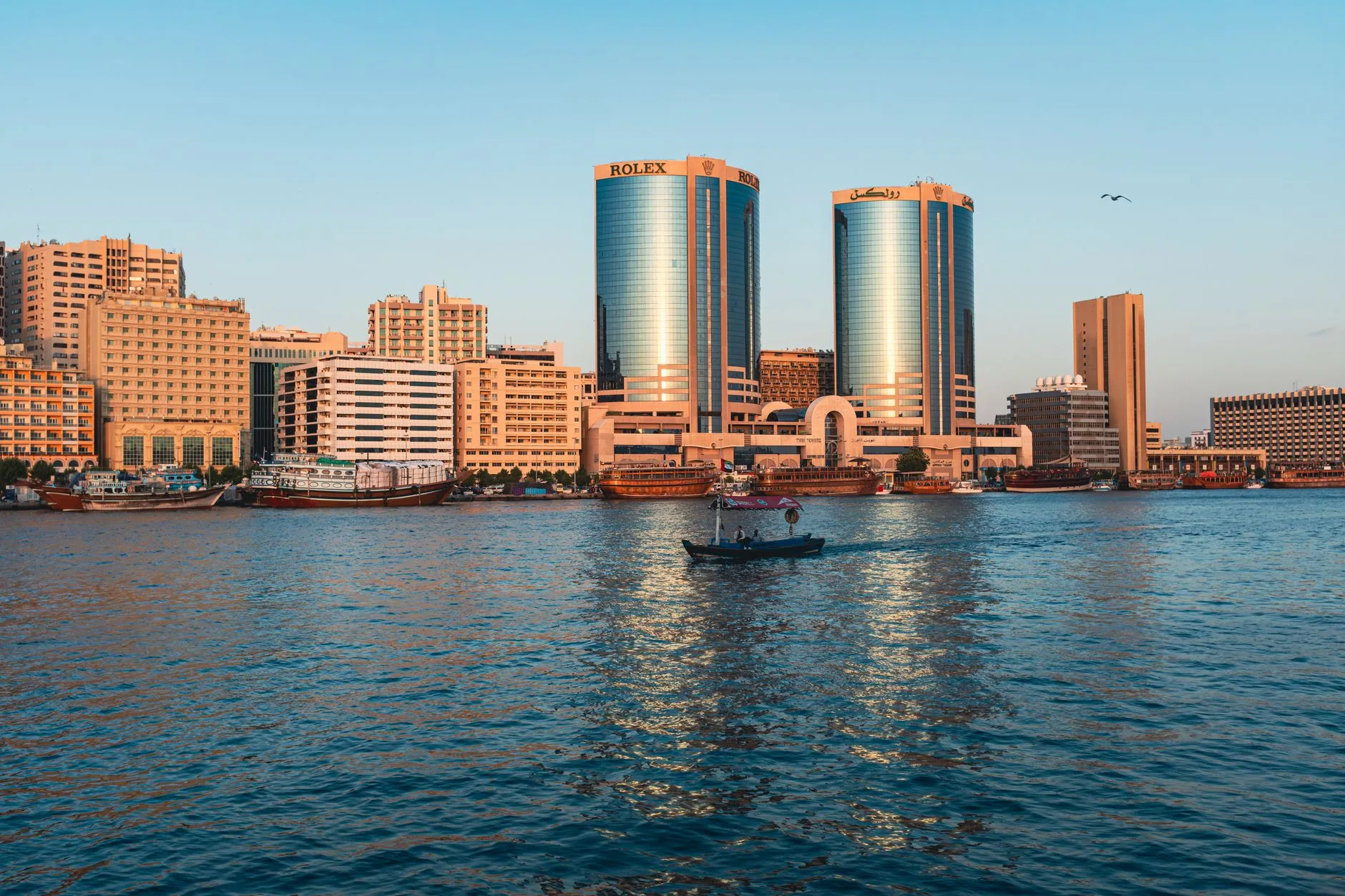
Deira and Al Ras show Dubai at its most atmospheric and grounded. Instead of skyscraper views and large-scale attractions, this part of the city is defined by Dubai Creek, traditional markets, working waterfront activity, heritage buildings and restaurants shaped by the many communities that have traded and lived here.
Al Ras is the compact historic quarter within the larger Deira district. It contains the Gold Souk, Spice Souk, Perfume Souk, several heritage sites and Al Ras Metro Station. Deira extends well beyond it, covering busy commercial streets, hotels, shopping centres, residential areas and the newer Waterfront Market.
A full day is enough to explore the main souks, walk along the creek, cross to Bur Dubai by abra and visit one or two heritage attractions. Stay or return for a second day if you want to include museums, seafood, shopping centres or a more relaxed food itinerary.
Why Visit Deira and Al Ras
Deira and Al Ras are among the best places in Dubai for understanding the city’s earlier identity as a trading port. The creek still gives the area a sense of movement, with traditional wooden dhows, passenger boats and cargo activity creating a very different atmosphere from modern Downtown Dubai.
The main attractions are close enough to combine on foot. You can browse jewellery in the Gold Souk, follow the aromas through the Spice Souk, test Arabic fragrances in the Perfume Souk and reach the creekside without needing a taxi between every stop. An abra crossing then links the Deira side with Bur Dubai and the historic Al Fahidi area.
The district is also a strong choice for food-focused travelers. Deira’s restaurants and cafeterias reflect its South Asian, Arab, Persian and Gulf communities. Persian rice dishes, Levantine grills, Indian and Pakistani breakfasts, seafood, Arabic coffee, juices and sweets are all part of the local food landscape.
The area works particularly well for first-time visitors who want to see historic Dubai, photographers looking for everyday street scenes and travelers with a short stopover. It is also well connected by the Green Line of the Dubai Metro, making it possible to explore without hiring a car.
Weather and the Best Time to Go
The most comfortable period for walking through the souks and along the creek is generally October to March. Dubai’s winter is mild by international standards, with average temperatures around 23°C, while summer averages can reach approximately 41°C. The cooler season is also the busiest travel period, so hotel demand and tour availability can be higher.
December to February is especially good for creek walks, outdoor photography and combining Deira with Bur Dubai. Make advance plans for popular tours and accommodation, particularly around major events and holiday periods.
October and November can offer a useful balance between more manageable weather and the busiest winter months. September can still be very hot, while March to May becomes increasingly uncomfortable for long afternoon walks. In spring, start early, take indoor breaks and move outdoor activities to the evening.
June to August is hot and humid. A short visit to the souks is still possible, particularly early in the morning or after sunset, but midday walking can be difficult. Air-conditioned shops, restaurants and shopping centres make summer manageable, and accommodation or airfare may sometimes be more competitive. Check seasonal attraction schedules before setting out.
Transport in Deira and Al Ras
The historic Al Ras sights are best explored on foot, supported by the Dubai Metro and an abra crossing. The streets around the souks can be narrow and crowded, and driving into the core is often less convenient than arriving by public transport.
Al Ras Station, G23, is on the Green Line and is useful for the historic quarter. Gold Souq Station, G22, can also serve the Gold Souk and nearby markets. Union and BurJuman are interchange stations connecting the Green Line with the Red Line, which is useful for Downtown Dubai and other parts of the city.
A nol card is required for Dubai Metro and can also be used on eligible buses and marine transport. Tap in and out as required, maintain the necessary balance and check current fares, service hours and holiday schedules with RTA before travel.
Walking is practical within Al Ras, but wear comfortable shoes and carry water. Pavements may be crowded, shade is limited and the heat can make distances feel longer than they appear on a map.
Dubai taxis are widely available and useful when carrying luggage or traveling to parts of Deira away from the metro. Traffic can delay journeys during busy periods. Official airport taxis use meters and have different starting-fare arrangements from ordinary road pickups. Careem is another commonly used option, although availability and pricing vary.
Driving is possible but usually not the easiest choice for the historic souks. Congestion, narrow streets and limited parking can make a short visit unnecessarily complicated. If you have a car, consider parking outside the souk core and continuing by metro or taxi.
From Dubai International Airport
Dubai International Airport, or DXB, is close to Deira. Metro facilities are available at Terminals 1 and 3. Travelers heading to Al Ras will generally use the Red Line and change to the Green Line at Union, depending on their terminal and destination.
A taxi is usually the simplest option when carrying substantial luggage, arriving with children or traveling outside metro operating hours. Terminal 2 has different transport arrangements, so check the current airport and RTA guidance for that terminal. Metro schedules, station access and luggage practicality should be verified before departure.
Where to Stay in Deira and Al Ras
Looking for a place to stay? Compare hotels for Deira and Al Ras on BookingTabs.
Al Ras
Stay in Al Ras if your priority is immediate access to the traditional souks, creekside walks and heritage sites. The area is convenient for an early start at the markets and for travelers who want to step directly into the historic atmosphere of Old Dubai.
It is a busy, practical district rather than a resort-style base. Streets can be crowded, and hotel surroundings vary from one block to the next. Check the precise location, luggage access and nearby transport before booking.
Deira Creekside
Creekside accommodation suits travelers who value waterfront views, abra access and a more atmospheric setting. It can be particularly appealing for photographers and visitors planning to combine Deira with Bur Dubai.
The distance to individual souks varies, so check the walking route rather than assuming that every creekside property is close to the Gold Souk. Heat and traffic can also affect short journeys.
Naif and Al Sabkha
Naif and Al Sabkha are busy commercial areas with hotels, restaurants, shops and strong pedestrian activity. They can be useful for travelers looking for practical accommodation and easy access to central Deira.
Expect a dense urban environment rather than a quiet neighborhood. Check noise levels, room access and proximity to the nearest metro station if these matter to your stay.
Central Deira
Central Deira offers a wider choice of hotels, restaurants, shopping centres and transport connections. It is a sensible base if you want to combine Old Dubai with other parts of the city or prefer access to Red Line stations around Union and City Centre Deira.
It is farther from the compact Al Ras souks, but taxis and the metro make the connection straightforward. This area may suit travelers who want a broader choice of services while keeping Deira’s markets within easy reach.
Which Deira and Al Ras experience would you most like to build your visit around?
Best Things to Do in Deira and Al Ras
Explore the Gold Souk
The Gold Souk is Deira’s best-known traditional market and one of the defining experiences of Al Ras. Jewellery shops line the market streets, with elaborate displays ranging from everyday pieces to highly decorative designs. Even if you are not planning to buy anything, the concentration of gold and jewellery makes the souk worth seeing.
Treat it as a retail market rather than a museum. Prices, designs, karat specifications, making charges, payment policies and return conditions vary by retailer. Compare several shops before committing to a purchase, ask for a clear receipt and confirm the weight and karat of any item you buy.
The Gold Souk can be reached from either Al Ras or Gold Souq Metro stations, depending on the entrance and walking route most convenient on the day. Shop schedules can vary, particularly during Ramadan, public holidays and weekly prayer periods, so check current timings if your visit depends on a specific retailer.
Follow the aromas in the Spice Souk
The Spice Souk is a smaller, more sensory market where shops display spices, herbs, dried fruit, rice and other food products. Sacks and trays of colourful ingredients create some of the most recognisable photographs in Al Ras, while the aromas change from one shopfront to the next.
This is a good place to browse rather than rush. Ask vendors about the ingredients, recommended uses and packaging for travel. If you are taking food products across an international border, check the customs rules and permitted quantities for your destination before buying.
Prices and product quality differ between vendors. Compare packages, ask what is included and make sure the goods are sealed appropriately if you have a long journey ahead. The market is close to the creek and can be combined easily with the Gold Souk and Perfume Souk.
Try an Arabic fragrance at the Perfume Souk
The Perfume Souk brings together shops selling concentrated oils, Arabic perfumes, incense and custom scent blends. Some retailers offer familiar fragrance profiles, while others can create or adjust a blend according to your preference.
Sample slowly rather than testing too many scents at once. Ask about bottle sizes, ingredients, concentration and whether the shop can ship purchases if you are buying larger quantities. Product availability, prices and opening times depend on the individual retailer.
Perfume shopping is also a useful way to experience an important part of the region’s commercial culture without the pressure to purchase expensive jewellery. A small bottle of oil or incense can be easier to pack than larger souvenirs, but confirm airline and destination regulations where relevant.
Walk beside Dubai Creek
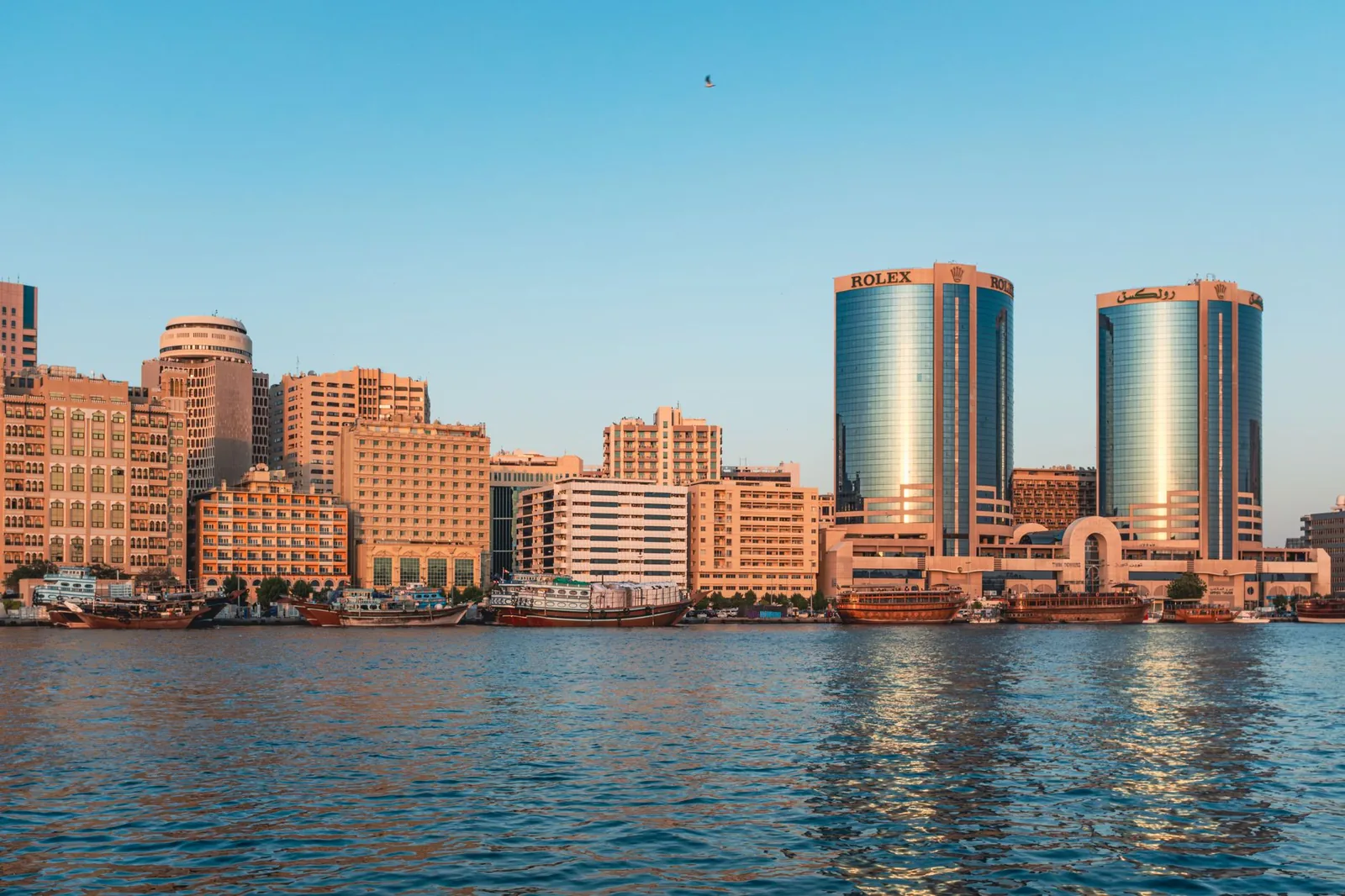
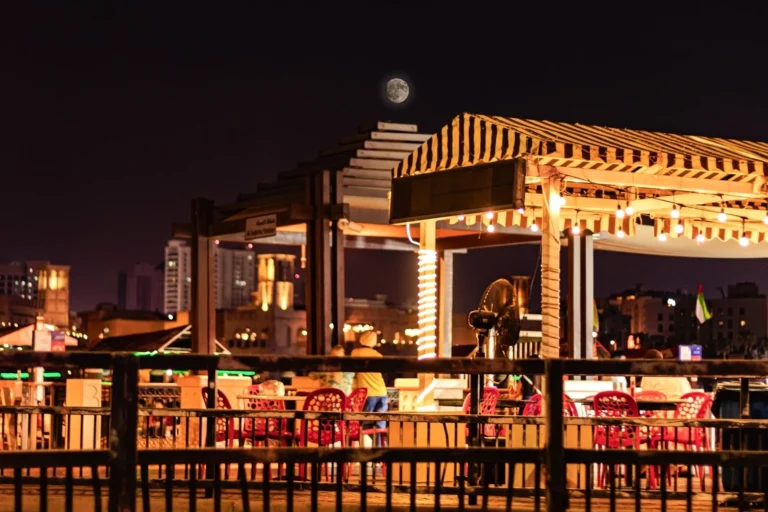
Deira Creekside is the natural link between the markets and the water. From the shore, you can see traditional dhows, the older Bur Dubai shoreline and the ongoing movement of boats and goods along Dubai Creek. Early morning offers softer light and less heat; evening brings more activity and a cooler walking environment.
The creekside is not one single attraction with a fixed itinerary. It is best experienced as part of a wider circuit: visit the souks, walk towards the water, pause for photographs and continue to an abra station. Shade can be limited, especially outside the cooler months, so carry water and plan around the heat.
The waterfront is also a useful place to appreciate the difference between Deira and the newer parts of Dubai. The city’s modern skyline is not the focus here. Instead, the interest comes from scale, movement, trade and the relationship between the two historic sides of the creek.
Take a traditional abra across the creek
A traditional abra crossing is one of the simplest and most memorable experiences in Old Dubai. The boats connect Deira with Bur Dubai and provide a short view of the creek from the water rather than the pavement.
The standard public crossing has historically been listed at AED 1 per passenger, but fares, routes, stations and operating arrangements can change. Check the information displayed at the station or current RTA guidance before boarding. A nol card can be used on eligible Dubai marine transport, although payment arrangements should be confirmed locally.
The crossing is especially useful because it connects naturally with Al Fahidi Historical Neighbourhood, Bur Dubai and the Al Shindagha area. If you have time, plan the abra ride as the midpoint of a full Old Dubai walking route rather than as an isolated boat trip.
Visit Al Ahmadiya School and nearby heritage sites
Al Ahmadiya School is a historic education site in Al Ras and an important stop for travelers interested in Dubai’s early modern development. It helps place the souks and trading activity in a wider social and historical context.
Nearby heritage attractions include Heritage House, a traditional historic residence associated with domestic life and architecture in old Dubai. These sites are more rewarding when visited at an unhurried pace, particularly after the livelier market streets.
Opening days, access arrangements, restoration work and admission policies can change. Do not assume that every heritage building is open for independent walk-in visits. Check current information through Dubai Culture or the official tourism listing before making a special journey.
Look for smaller museums
Bait Al Banat Women’s Museum, near the Gold Souk, focuses on women’s contributions and stories in the United Arab Emirates. It is a potentially worthwhile addition for visitors who want a more focused cultural stop rather than another market.
Naif Museum explores Dubai’s police force, justice system and institutional history. Its location and operating arrangements should be confirmed before visiting, as small museums in historic districts may change their schedules or access rules.
These museums are best treated as optional additions to a souk and creek itinerary. Build flexibility into the day, and verify opening hours, ticketing and current operating status shortly before travel.
Photograph Deira Clocktower from a safe viewpoint
Deira Clocktower is a recognisable mid-century landmark between central Deira and the older creekside districts. It is primarily an exterior landmark and traffic roundabout rather than a conventional attraction.
Use a safe, pedestrian-accessible viewpoint and avoid crossing busy roads simply to reach a better angle. The clocktower works well as a short stop while moving between central Deira, the creek and the airport-side parts of the district.
See the modern side at Deira Waterfront Market
The Deira Waterfront Market offers a contrast with the traditional markets of Al Ras. It is associated with fresh seafood and food shopping and is more relevant to travelers interested in ingredients, local commerce and seafood dining than in heritage architecture.
The market is farther from the Gold Souk than the central Al Ras attractions, so allow additional travel time. Individual vendors and restaurants may follow different schedules, and the visitor experience can change as the waterfront area develops. Check which stalls and dining venues are operating before planning a meal around it.
Local Food and Drink
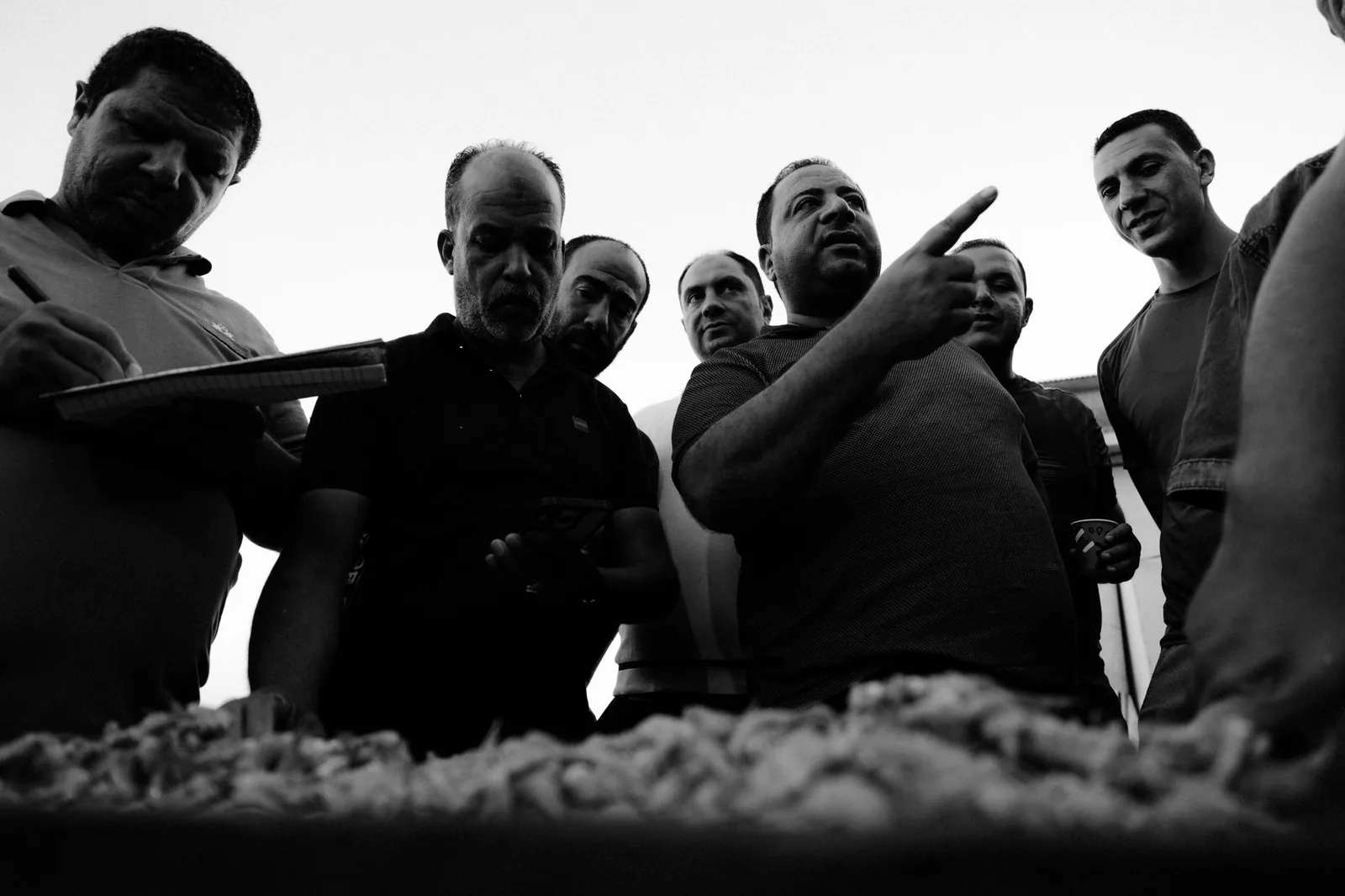
Deira is one of Dubai’s most useful districts for varied, relatively informal dining. You do not need to restrict yourself to a single cuisine or seek out only destination restaurants; some of the area’s character comes from cafeterias, bakeries, juice shops and long-established neighborhood venues.
Persian restaurants serve grilled meats, rice dishes and stews, while Levantine kitchens offer shawarma, mezze, flatbreads, grilled meats and pastries. Central Deira is particularly strong for Indian and Pakistani food, including breakfasts, bakeries, tea shops and casual meals.
For Gulf and Emirati cooking, look for restaurants specifically identified as serving local dishes rather than assuming that every Arabic restaurant offers traditional Emirati food. Seafood is most closely associated with the Deira Waterfront Market area, where shopping and dining options depend on current vendor schedules.
Small cafeterias are useful for Arabic tea, coffee, juices and desserts while touring the souks. Carry water during hot-weather walks, and remember that restaurant menus, prices and opening hours can change.
Places to Visit Beyond Deira and Al Ras
Al Fahidi Historical Neighbourhood and Bur Dubai
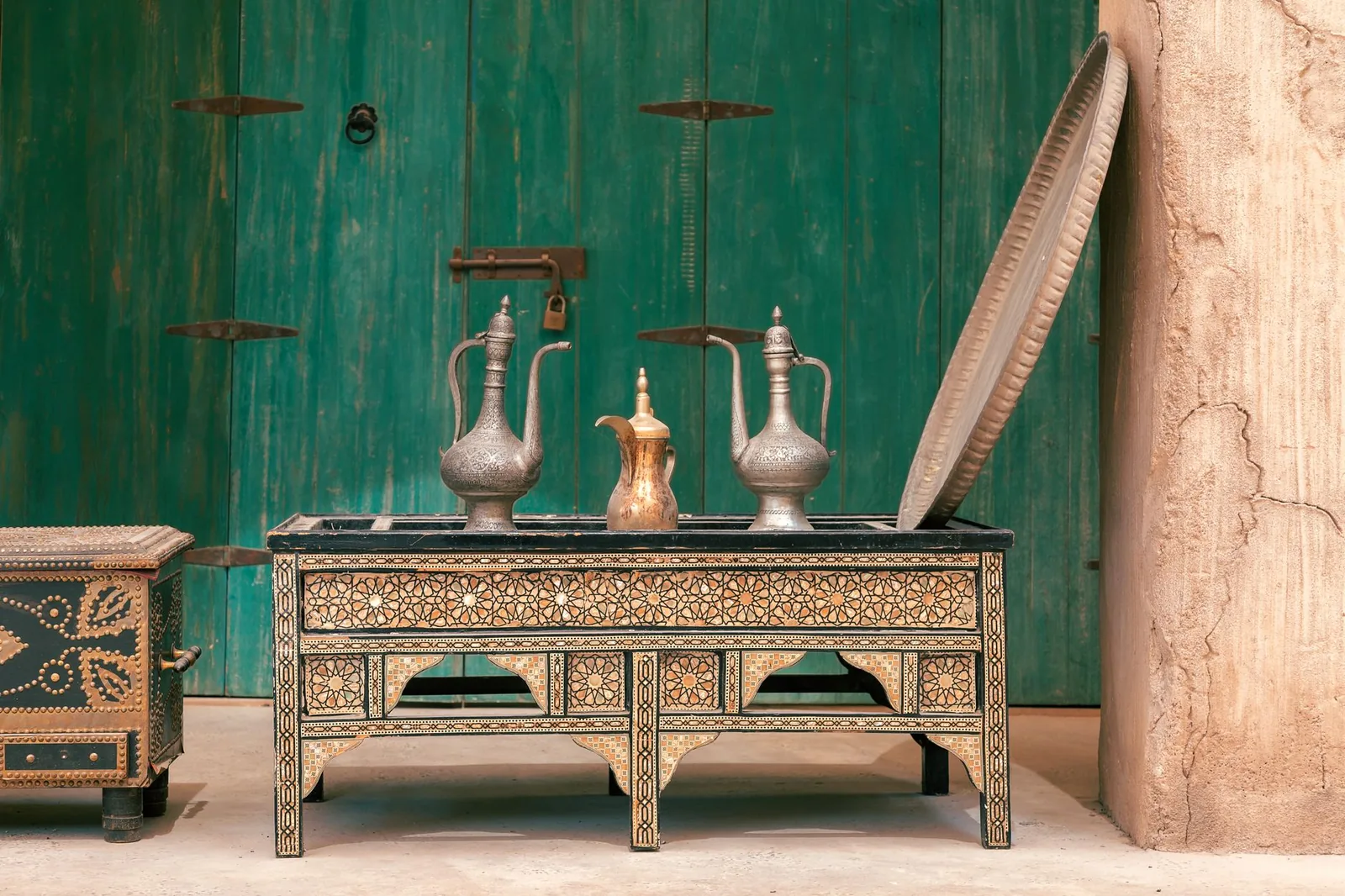
This is the most natural companion to Deira and Al Ras. Cross the creek by abra and continue through Al Fahidi’s heritage lanes, museums, galleries and traditional-style architecture. The two sides of the creek offer different perspectives on Old Dubai and can comfortably form one full day.
Al Shindagha Museum
Continue along the historic creek to Al Shindagha Museum, a larger heritage complex focused on Dubai’s history, culture and traditional life. Check current opening times and ticket arrangements before traveling, particularly if the museum is the main reason for your excursion.
Downtown Dubai
For a sharp contrast, take the Green Line to Union or BurJuman and change to the Red Line towards Downtown Dubai. This creates an easy Old Dubai and modern Dubai combination, pairing souks and dhows with major shopping, skyline views and landmark attractions.
Dubai desert excursion
A desert excursion adds dunes, open landscapes and evening cultural entertainment to a trip otherwise focused on the city. Operators may offer pickup in Deira, but confirm the pickup area, inclusions, cancellation terms and licensing before booking.
Sharjah heritage area
Sharjah is a practical regional excursion for museums, heritage lanes and cultural institutions. Road traffic can affect the journey, so allow flexibility and confirm cross-emirate taxi or tour arrangements in advance.
Essential Travel Tips
- Carry a nol card or obtain one before using the metro, buses or eligible RTA marine services.
- Use the RTA journey planner or S’hail app for current routes, service information and timetables.
- Wear comfortable shoes for busy pavements, narrow lanes and extended market walks.
- Visit outdoor markets early or in the evening during the hotter months.
- Keep valuables secure in crowded areas and avoid blocking shop entrances while taking photographs.
- Ask permission before photographing shopkeepers, workers or residents.
- When buying gold, request a clear receipt and confirm weight, karat, making charges and return conditions.
- Ask perfume retailers about ingredients, bottle sizes and shipping options before purchasing.
- Dress respectfully, especially near mosques and heritage sites; modest clothing is the safest choice.
- Check Ramadan, Friday and public-holiday schedules before visiting museums, souks or restaurants.
- Carry a card and some small cash because payment methods vary between vendors.
- Use official taxis from marked airport ranks and confirm that the meter is operating.
- Do not assume that every heritage building is open for independent walk-in visits.
- Remember that metro cabins have separate rules, including Gold Class and designated women’s and children’s areas.
Frequently Asked Questions
Are Deira and Al Ras the same place?
No. Deira is a large historic and commercial district on the northern side of Dubai Creek. Al Ras is a smaller historic neighborhood within Deira and contains the principal traditional souks and Al Ras Metro Station.
How long do I need in Deira and Al Ras?
One full day is enough for the Gold, Spice and Perfume Souks, the creekside and an abra crossing. Allow two days if you want to add museums, the Waterfront Market, shopping centres and a slower food itinerary.
Which metro station is best for the Gold Souk?
Gold Souq Station G22 and Al Ras Station G23 on the Green Line are the most relevant stations. The better choice depends on the precise souk entrance and the current walking route.
Can I reach Deira from Dubai International Airport by metro?
Yes. Metro facilities are available at DXB Terminals 1 and 3. Depending on your destination, use the Red Line and change to the Green Line at Union, or take a taxi for a simpler door-to-door transfer. Verify the current timetable and station access before traveling.
How much does the traditional abra cost?
The standard creek crossing has historically been listed at AED 1 per passenger, but fares and route arrangements can change. Check the station sign or current RTA information before boarding.
Is Deira good for food?
Yes. The district is particularly useful for Persian, Levantine, South Asian, Gulf and seafood dining, from casual cafeterias to hotel restaurants. Menus, hours and prices vary considerably.
Is Deira suitable for families?
Yes, especially for families interested in markets, boats and cultural sightseeing. Crowded pavements, traffic, heat and the intensity of the souks can be challenging for very young children, so plan shorter walking segments and regular breaks.
Is it better to visit the souks in the morning or evening?
Morning is generally more comfortable for walking and photography, while evening brings more activity and cooler conditions. Exact shop schedules vary, so check the specific market or retailer.
Before You Go
Deira and Al Ras are best approached as working urban districts rather than polished theme-park versions of Old Dubai. The appeal lies in the combination of markets, creek traffic, heritage buildings, food and everyday commercial life.
Plan the main souk circuit around Al Ras, add time beside the creek and cross to Bur Dubai by abra if your schedule allows. Visit during the cooler months for the easiest walking conditions, or structure a summer visit around early mornings, evenings and air-conditioned breaks. With a metro card, comfortable shoes and a flexible itinerary, this is one of the most rewarding ways to see Dubai beyond its modern skyline.
Inspired? Start planning your trip.
Move from inspiration to planning with BookingTabs — explore hotels, tours and travel options in one place.
Join the conversation
Ask a question, share a travel tip, or help another traveler plan with confidence.
Leave a comment
No account or email required.