
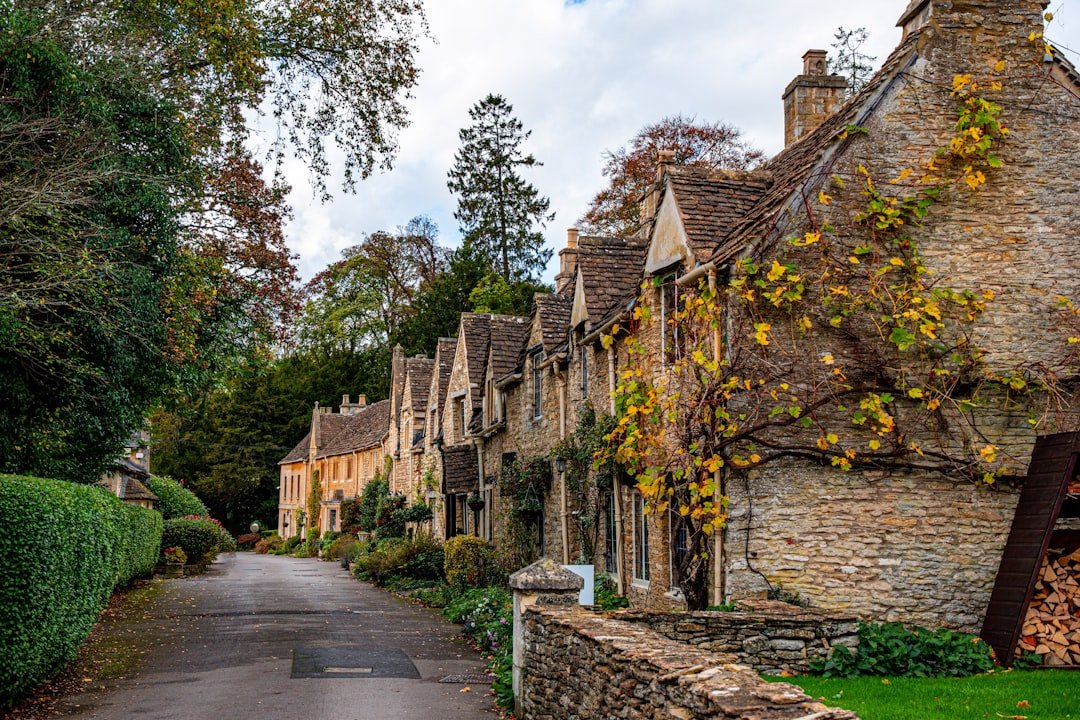
Timeless Streets: A Guide to the Best Historic Towns in the United Kingdom
The United Kingdom is threaded with towns where centuries of history remain visible in stone, timber and narrow lanes. These places aren’t just museum pieces; they’re living communities where medieval churches, Georgian crescents and Tudor storefronts sit alongside cafés, independent shops and regular markets. This guide highlights a curated selection of historic towns across England, Scotland and Wales that deliver architecture, stories and experiences you can’t get anywhere else. Whether you’re tracing Roman walls in York, sipping tea in Bath’s Georgian terraces, walking Shakespeare’s streets in Stratford-upon-Avon or scanning the North Sea from Whitby’s headland, each town offers a distinct slice of Britain’s past paired with modern hospitality. Read on for must-see sights, local experiences, practical timing and travel tips to plan a memorable historic-town crawl through the UK.
Must-See Attractions
These towns are compact enough to explore on foot yet dense with iconic sights—here are the essentials to include on your itinerary.
- York – York Minster dominates the skyline; walk the medieval City Walls, wander the Shambles’ timber-framed lane, and visit Clifford’s Tower for views over the Ouse.
- Bath – The Roman Baths are remarkably preserved; combine them with the sweeping Royal Crescent, the Circus and a walk across Pulteney Bridge.
- Stratford-upon-Avon – Shakespeare’s Birthplace welcomes visitors to the house where he was born; also see Anne Hathaway’s Cottage and catch a play at the Royal Shakespeare Theatre.
- Canterbury – Canterbury Cathedral is a World Heritage site and a centerpiece of pilgrimage history; explore the medieval streets and the Roman city gate.
- Chester – The city walls encircle a remarkably complete Roman foundation; shop along the unique two-level Rows and visit the medieval Eastgate Clock.
- Rye – A compact East Sussex gem with cobbled Mermaid Street, Ypres Tower and well-preserved Tudor and Georgian houses.
- Whitby – Dramatic coastal ruins of Whitby Abbey inspired Bram Stoker; enjoy the harbour, fish and chips, and the climb up 199 steps to the churchyard.
- Ludlow – A food-lover’s historic market town in Shropshire centered on Ludlow Castle, with well-preserved timber-framed streets and a reputation for regional produce.
- St Andrews – Scotland’s ancient university town, where the ruins of St Andrews Cathedral and Castle sit beside the Old Course, the cradle of golf.
- Stirling – Dominated by Stirling Castle and the Wallace Monument, this town offers a commanding view of Scotland’s history and its battlefields.
Local Experiences
Historic towns are best experienced at street level—here are authentic activities that reveal local character.
- Cafés and traditional tea rooms – From Bath’s cream teas served in Georgian rooms to cosy tea houses in York and Rye, enjoying tea and a slice of local cake is a simple cultural ritual.
- Markets – Seek out farmers’ and craft markets: Ludlow’s food markets showcase local producers; York and Canterbury hold regular artisan markets where regional specialties are on offer.
- Walking viewpoints and neighborhoods – Walk York’s City Walls for a panorama of the Minster; in Whitby, the headland near the abbey gives expansive sea views; in Chester, stroll along the riverside and the Rows for architectural detail.
- Historic pubs and local beer – Many towns have pubs that have traded for centuries. Try traditional ales in a centuries-old pub in Chester or a coastal brew in Whitby after a harbour walk.
- Festivals and events – Time visits to coincide with town festivals: the York Early Music Festival, Bath Literature Festival and Stratford’s theatre season all add cultural depth to a visit.
- Outdoor activities – Combine history with nature: walk coastal paths from Whitby, explore the rolling countryside around Ludlow, or use Stirling as a base for hikes across the Ochils or the Trossachs.
- Independent shops and crafts – Browse independent bookshops, artisan food stores and makers’ studios in Rye, Bath and St Andrews; look for traditional crafts and souvenirs rather than mass-produced items.
Best Time to Visit
When you travel affects crowds, weather and opening hours. These general guidelines help you pick the best months for a comfortable and culturally rich visit.
- Late spring to early autumn (May to September) – The most pleasant weather and longest daylight make this the peak season. Expect larger crowds in popular towns such as Bath, York and Stratford, especially in July and August.
- Shoulder seasons (April–May, September–October) – Ideal for fewer tourists, lower accommodation rates and mild weather. Gardens and countryside are at their best in late spring.
- Winter (November–March) – Quieter streets and atmospheric skies suit off-season travelers. Some attractions reduce hours, but winter festivals—like Christmas markets—offer a festive appeal.
- Festival timing – Check local event calendars before booking. A festival can transform a small town into a lively destination but will affect availability and prices.
Essential Travel Tips
Practical advice helps you move between towns and make the most of historic sites.
- Transportation – Trains and coaching services link many historic towns to major cities: York, Bath and Canterbury have excellent rail connections. For smaller towns like Ludlow or Rye, combine train travel with a short taxi ride or local bus. Driving offers flexibility but expect narrow streets and limited parking in town centers.
- Money – Card payments are widely accepted, though some tiny shops and markets may prefer cash. ATMs are common but check opening times in smaller towns.
- Safety – The UK is generally safe for travelers; usual precautions apply. Watch your step on uneven cobbles, especially in wet weather, and secure belongings in crowded tourist spots.
- Packing – Pack layers and a waterproof jacket—British weather can change quickly. Comfortable walking shoes are essential for cobbles, hills and castle grounds.
- Local etiquette – Be respectful at religious sites: dress modestly for cathedrals and remain quiet during services. In pubs and cafés, queuing and polite service expectations are the norm; tipping is appreciated for table service (around 10–15%) but not always obligatory.
- Advance bookings – For popular attractions—Roman Baths, York Minster tours, Royal Shakespeare Company performances—book tickets in advance, especially in high season.
Frequently Asked Questions
What defines a “historic town” in the UK?
A historic town typically has a well-preserved core of architecture and streetscapes from earlier periods—Roman, medieval, Tudor, Georgian—plus identifiable landmarks such as castles, cathedrals or market squares that have played a role in local history.
How many days should I spend in a historic town?
One to two full days is usually enough to see a compact town’s highlights. Longer stays (3–4 days) allow time for nearby countryside walks, relaxed dining and attending local events.
Are historic towns family-friendly?
Yes—many historic towns offer child-friendly attractions like interactive museums, castles with open grounds and outdoor activities. Check family ticket options and accessibility at heritage sites.
Can I visit multiple towns in one trip?
Yes. The UK’s rail network and road system make multi-stop itineraries feasible. Concentrate on one region—e.g., northern England (York, Whitby, Chester) or southern England (Bath, Stratford, Rye)—to minimize travel time between stops.
Are these towns accessible for people with mobility issues?
Accessibility varies. Many major sites provide step-free access, ramps and audio tours, but historic streets and buildings often include cobbles, narrow passages and stairs. Check individual attraction accessibility pages and contact visitor centers before travel.
Conclusion
The United Kingdom’s historic towns offer a richly textured travel experience—each presents its own architectural language, local flavors and stories that span centuries. Whether you’re tracing Roman footprints in Bath, roaming medieval alleyways in York, standing beneath the ruins at Whitby or sampling regional food in Ludlow, these places reward slow travel and curiosity. Plan visits around events that interest you, allow time for wandering off the beaten track, and expect to encounter welcoming cafés, independent shops and knowledgeable guides who bring the past to life. A well-paced tour of these towns will leave you with memorable views, a deeper appreciation for Britain’s layered history, and plenty of reasons to return.
Inspired? Start planning your trip.
Move from inspiration to planning with BookingTabs — explore hotels, tours and travel options in one place.






Join the conversation
Ask a question, share a travel tip, or help another traveler plan with confidence.
Leave a comment
No account or email required.