
Dubai Travel Guide
Dubai is a city of striking contrasts. In a single trip, you can stand above the skyline at Burj Khalifa, cross Dubai Creek in a traditional abra, spend an afternoon on a beach and head into the desert before sunset. Its modern districts are polished and highly developed, while Old Dubai offers souks, museums and a more grounded sense of the city’s history.
The city stretches along a long urban corridor, so an enjoyable visit depends on planning by area rather than trying to see everything in one day. Four to five full days is a practical length for a first trip. A shorter stopover can cover the headline sights, while six or seven days gives you room for beaches, family attractions, museums, desert activities and Hatta.
Why Visit Dubai
Dubai works particularly well for first-time visitors, families, luxury travelers, food-focused trips and short breaks. Its major attractions are easy to combine with shopping, restaurants and hotels, but the city also rewards travelers who move beyond its best-known malls and towers.
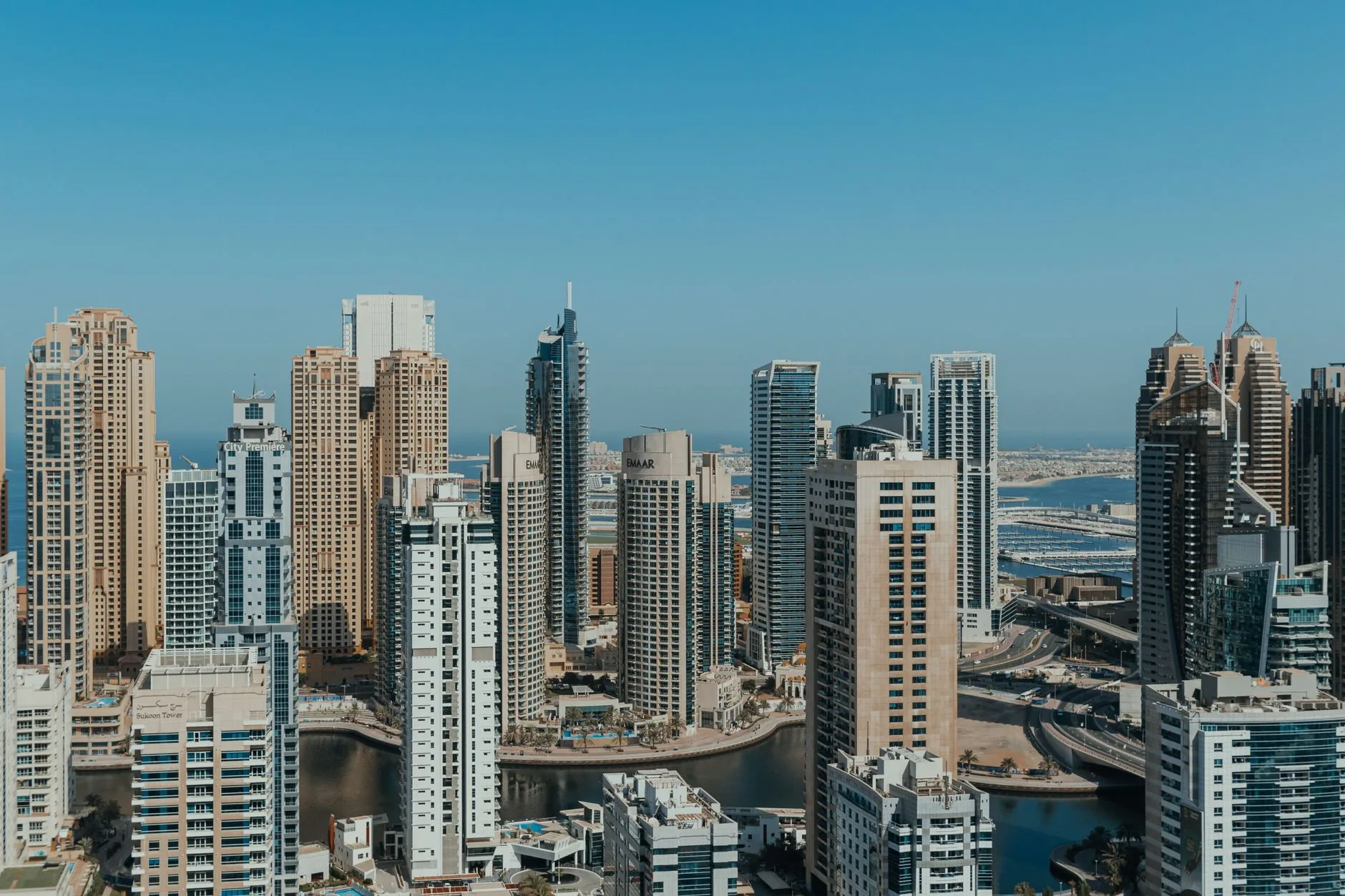
The modern side of Dubai includes Burj Khalifa, the Museum of the Future, Dubai Frame, Downtown Dubai, Palm Jumeirah and Dubai Marina. The historic side is concentrated around Dubai Creek, with Al Fahidi, Al Shindagha, Bur Dubai, Deira and the traditional souks.
The city is also a convenient base for outdoor experiences. Desert safaris provide access to dunes and managed desert areas, while Hatta offers mountains, kayaking, hiking and adventure activities. With Dubai International Airport and a well-developed network of metro, trams, taxis and buses, it is relatively straightforward to build an itinerary around different parts of the city.
Best Things to Do in Dubai
Planning your activities? Compare tours and activities for Dubai on BookingTabs.
See Dubai from Burj Khalifa
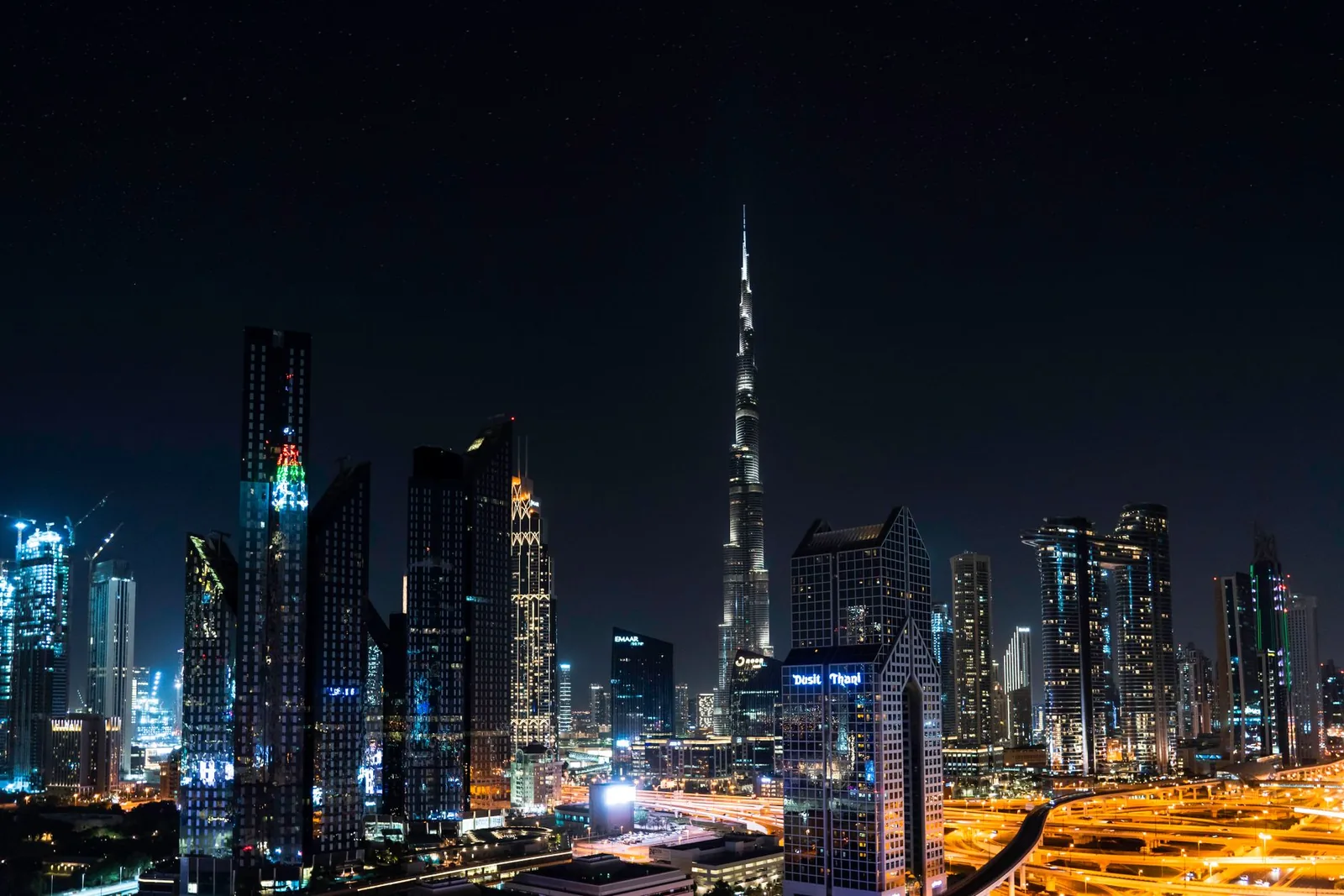
Burj Khalifa remains Dubai’s signature experience. Observation decks provide views across Downtown Dubai, the coast and the wider urban landscape, making this a useful first activity if you want to understand the city’s scale.
Observation experiences are ticketed and generally use timed entry. Check the official attraction details before visiting, particularly if you want a specific observation level, a sunset time or a premium ticket. Build extra time into your visit for security, elevators and movement through Dubai Mall.
Explore Dubai Mall and the aquarium
Dubai Mall is more than a shopping stop. It combines retail, restaurants and indoor entertainment, including Dubai Aquarium & Underwater Zoo. The mall is a practical choice during the hottest part of the day, when outdoor sightseeing can be uncomfortable.
Access to the mall and admission to the aquarium are separate considerations, and individual venues may have different schedules or ticket arrangements. Verify current opening hours and aquarium experiences before you go. You can also combine the visit with Burj Khalifa because both are in Downtown Dubai.
Visit the Museum of the Future
The Museum of the Future is one of Dubai’s most distinctive buildings and focuses on science, technology, innovation and possible future societies. Its exhibitions are designed as an immersive experience rather than a conventional museum visit.
Timed admission is important, so check availability well ahead of your preferred date. Exhibition content, age rules and operating arrangements can change. It is close to the Emirates Towers area and can be paired with Downtown Dubai, although allowing separate time for each is more comfortable than rushing between them.
Walk through Al Fahidi Historical Neighbourhood
Al Fahidi is the best place to begin understanding Dubai before the skyscrapers. Narrow lanes, traditional wind towers, galleries, museums, cultural venues and cafés occupy the historic district near the Creek.
Come early or later in the day when temperatures are more manageable, and explore on foot. From here, you can continue towards Al Seef, Bur Dubai’s textile souks and the Creek waterfront. Al Fahidi is not a quick photo stop; its value lies in slowing down and noticing the architecture and small cultural venues along the lanes.
Cross Dubai Creek and browse Deira’s souks
A traditional abra crossing offers one of the simplest and most memorable ways to experience Dubai Creek. The waterway separates the historic districts of Bur Dubai and Deira, both of which retain their importance as commercial and cultural areas.
On the Deira side, explore the Gold Souk, Spice Souk, perfume shops and older market streets. Bargaining practices vary, and it is sensible to compare goods and prices before buying. Abra routes, fares and operating times can change, so confirm current details locally.
See the city’s past and present at Dubai Frame
Dubai Frame was designed to frame two different views: older Dubai in one direction and the modern skyline in the other. Its exhibitions explain aspects of the city’s development and future, making it a useful attraction for visitors who want context as well as a viewpoint.
It works well between Old Dubai and Downtown, although the districts are not close enough to treat as one continuous walking route. Check current admission details, opening times and last-entry rules before setting out.
Spend time on Palm Jumeirah
Palm Jumeirah is a large resort and leisure district rather than a single attraction. It includes hotels, beaches, restaurants, beach clubs and waterfront activities, with The View at The Palm providing a high vantage point over the artificial island and coastline.
Allow time for transfers between venues. The Palm Monorail can be useful for some journeys, but its route and operating arrangements should be checked before travel. If you want to visit The View, compare ticket options and consider whether a daytime or sunset visit best fits your itinerary.
Enjoy Dubai Marina and JBR
Dubai Marina and Jumeirah Beach Residence offer a lively waterfront experience, with skyscrapers, Marina Walk, restaurants, shopping, beaches and watersports. The area is particularly attractive in the evening, when the heat eases and the towers are illuminated.
The Marina connects with the Dubai Metro and Tram, but the waterfront is spread out. A boat cruise can add a different perspective, while JBR is a natural place to combine a walk, beach time and dinner. Avoid trying to walk here from distant districts; use public transport or a taxi for the longer connections.
Take a desert safari
A desert safari is one of Dubai’s defining excursions. Depending on the operator, a trip may include dune driving, sandboarding, camel rides, cultural activities, meals, wildlife or conservation experiences and transfers from your hotel. Some packages also offer overnight stays or hot-air-balloon flights.
The differences between operators can be substantial. Before booking, check the exact itinerary, vehicle type, pickup area, meal arrangements, activity add-ons, insurance, cancellation terms and any conservation requirements. Choose a licensed operator and remember that weather or seasonal conditions can affect desert activities.
Visit Jumeirah Mosque or Al Shindagha Museum
Jumeirah Mosque offers an opportunity to learn about Islamic architecture, faith and local customs through visitor programs or guided cultural tours. Dress requirements, photography rules and visiting times vary, so check directly before arrival.
For a deeper heritage experience, allow several hours for Al Shindagha Museum. The museum area covers Dubai’s development, maritime life, Emirati traditions, perfume and the city’s relationship with the Creek. It is spread across multiple houses and thematic areas, so verify which galleries are open on your chosen day.
Check seasonal attractions
Dubai Miracle Garden is an elaborate outdoor floral attraction with themed installations and extensive displays. It is seasonal rather than a guaranteed year-round stop. Check its opening calendar, current hours, transport and weather-related arrangements before including it in your plans.
Which Dubai experience would you most want to build your trip around?
Weather and the Best Time to Go
The cooler winter period is generally the most comfortable time for walking, beaches, outdoor dining and desert excursions. Official tourism information gives average temperatures of about 23°C in winter, although actual conditions vary. This is also a busy travel season, so reserve popular timed attractions and tours in advance.
Spring becomes hotter as it progresses. Early spring can still suit outdoor sightseeing, while late spring is better planned around mornings, evenings, shaded areas and air-conditioned attractions.
Summer is the hottest period, with average temperatures listed at about 41°C. The city remains viable for travel, but plan around indoor attractions, malls, hotel pools and evening activities. Long outdoor walks and midday desert experiences may be uncomfortable, and schedules can change because of heat.
Autumn gradually becomes more suitable for outdoor plans. Early autumn may still feel very hot, while later autumn is generally more comfortable for beaches, walks and desert trips. Check the current forecast rather than relying only on seasonal averages.
Ramadan dates move each year and may affect daytime dining, public behavior, attraction schedules and venue hours. Verify the relevant dates and current local guidance before traveling.
What to Eat and Drink

Dubai’s food scene reflects Emirati, Gulf, South Asian, Persian, Levantine and North African traditions. You can eat well at neighborhood cafés, souks, casual restaurants and high-end dining rooms.
Try Emirati dishes such as machboos, thareed, balaleet, luqaimat, khameer bread and regag. Arabic coffee, or gahwa, is commonly flavored with cardamom and sometimes saffron. Karak chai, a strong spiced tea, is another everyday favorite found in cafés and casual tea shops.
Shawarma is an easy casual option, while South Asian restaurants offer Indian, Pakistani, Bangladeshi and Sri Lankan dishes across a wide range of prices. Persian, Levantine and North African cooking is also widely available, from mezze and flatbreads to grilled meats, rice dishes and regional sweets.
Creek and coastal areas can be useful starting points for seafood, although individual restaurants vary. Alcohol service is generally associated with licensed hotels, restaurants, bars and entertainment venues rather than ordinary public spaces. Check venue-specific licensing, age rules and dress codes before visiting.
Easy Day Trips from Dubai
Hatta
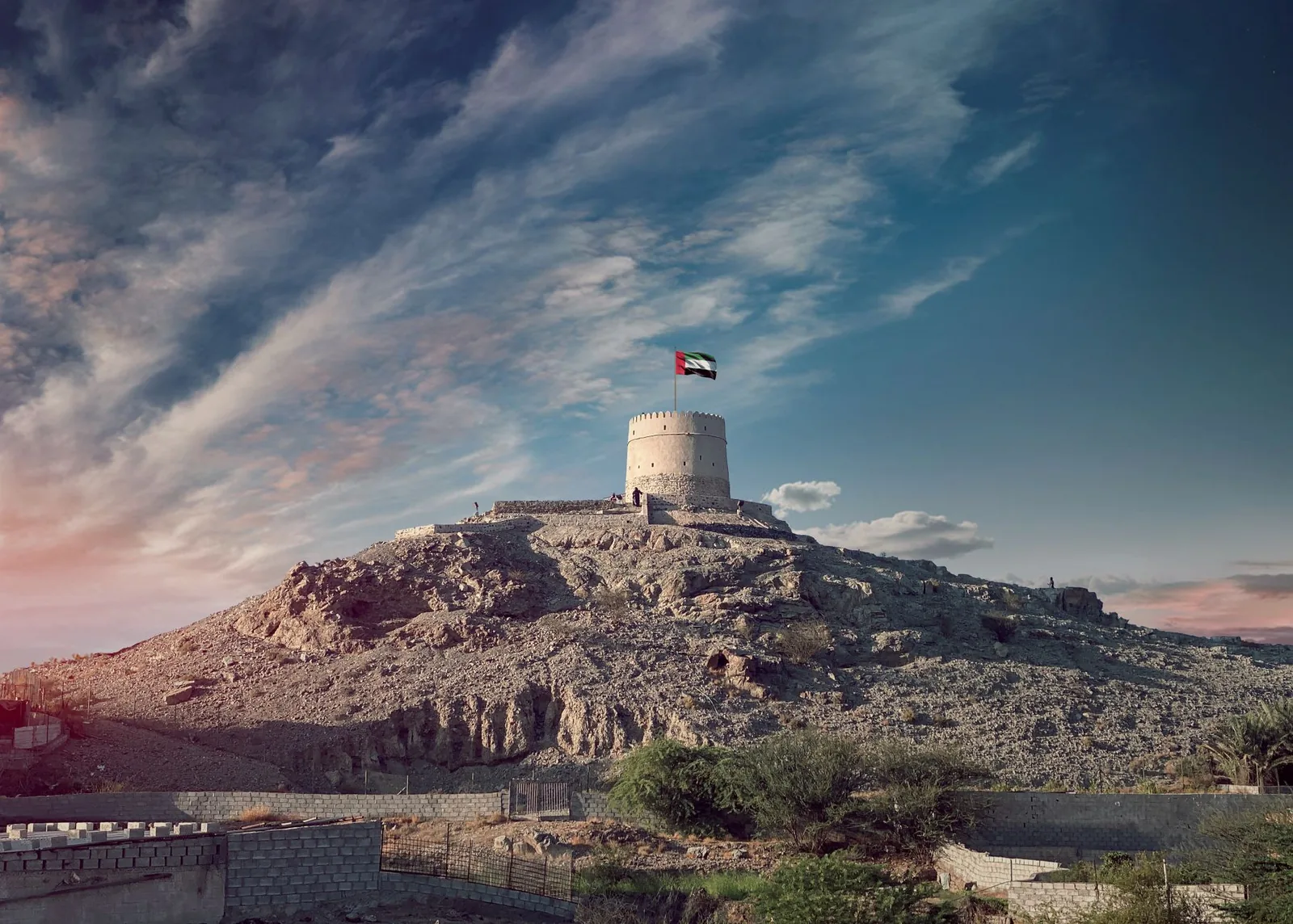
Hatta provides a mountain contrast to the city, with kayaking, hiking, mountain biking, camping, heritage attractions and outdoor scenery. Hatta Dam and Hatta Wadi Hub are key stops. The drive is often described as roughly 90 minutes from Dubai’s city lights, but travel time varies with your starting point and traffic.
Abu Dhabi
Abu Dhabi makes a demanding but rewarding full-day excursion. Highlights may include Sheikh Zayed Grand Mosque, Qasr Al Watan, the Corniche, museums and other cultural attractions. Organized tours can simplify transport, but check hotel pickup, entry arrangements, closures and clothing requirements.
Sharjah
Nearby Sharjah offers museums, heritage districts, traditional markets and a more culture-focused itinerary. Traffic and congestion can affect the journey, so allow flexibility and check museum opening days before leaving Dubai.
Al Ain
Al Ain is a longer inland excursion with oasis landscapes, forts, archaeological and cultural sites, mountain views and a slower pace. A private car or organized tour is usually more practical than trying to fit it into a tight schedule. Confirm driving time and attraction hours in advance.
A managed desert area
A conservation-focused desert outing can provide dunes, wildlife and Bedouin-style experiences with different rules from a standard safari. Access, vehicles and permitted activities vary by reserve and operator, so confirm the specific arrangements before booking.
Where to Base Yourself in Dubai
Looking for a place to stay? Compare hotels for Dubai on BookingTabs.
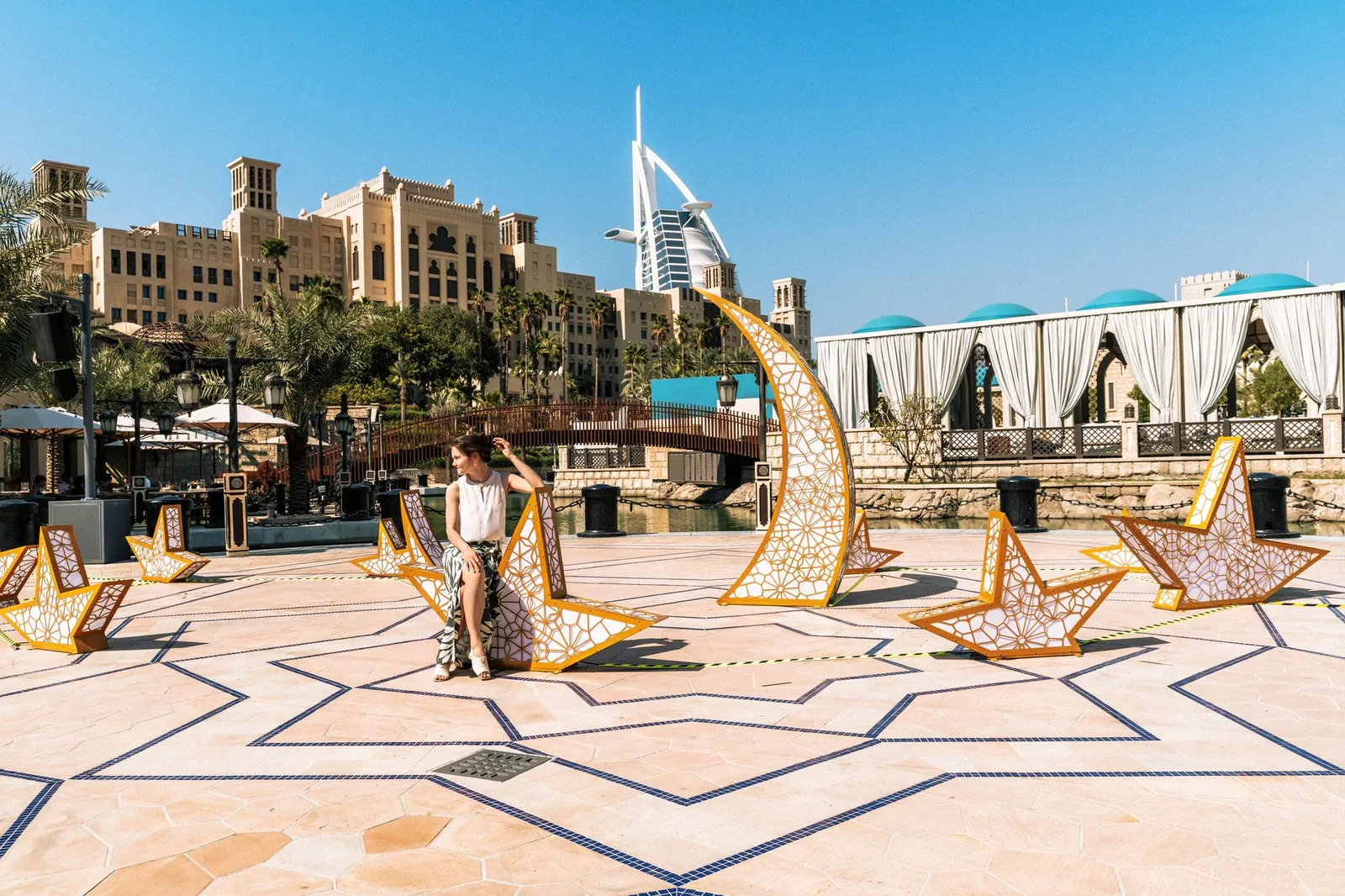
Choose your base according to the experience you want. Dubai’s districts are connected, but distances and traffic make location important.
Downtown Dubai is the easiest choice for a first visit focused on Burj Khalifa, Dubai Mall, the Dubai Fountain area, Dubai Opera, restaurants and high-density luxury accommodation. It is convenient for headline attractions, although it can feel busy and premium-priced.
Al Fahidi and Bur Dubai suit travelers interested in heritage, museums, cultural venues, textile souks and Creek crossings. The atmosphere is more historic, and the area can offer a different perspective from the polished resort districts.
Deira and Al Ras are useful for traditional commercial Dubai, including the Gold Souk, Spice Souk, perfume shops, old markets and Creek waterfront activity. These districts are especially appealing to travelers prioritizing food, markets and local urban atmosphere.
Al Shindagha is a strong choice for a heritage-focused itinerary, with Al Shindagha Museum and several sites connected to Dubai’s history and maritime culture.
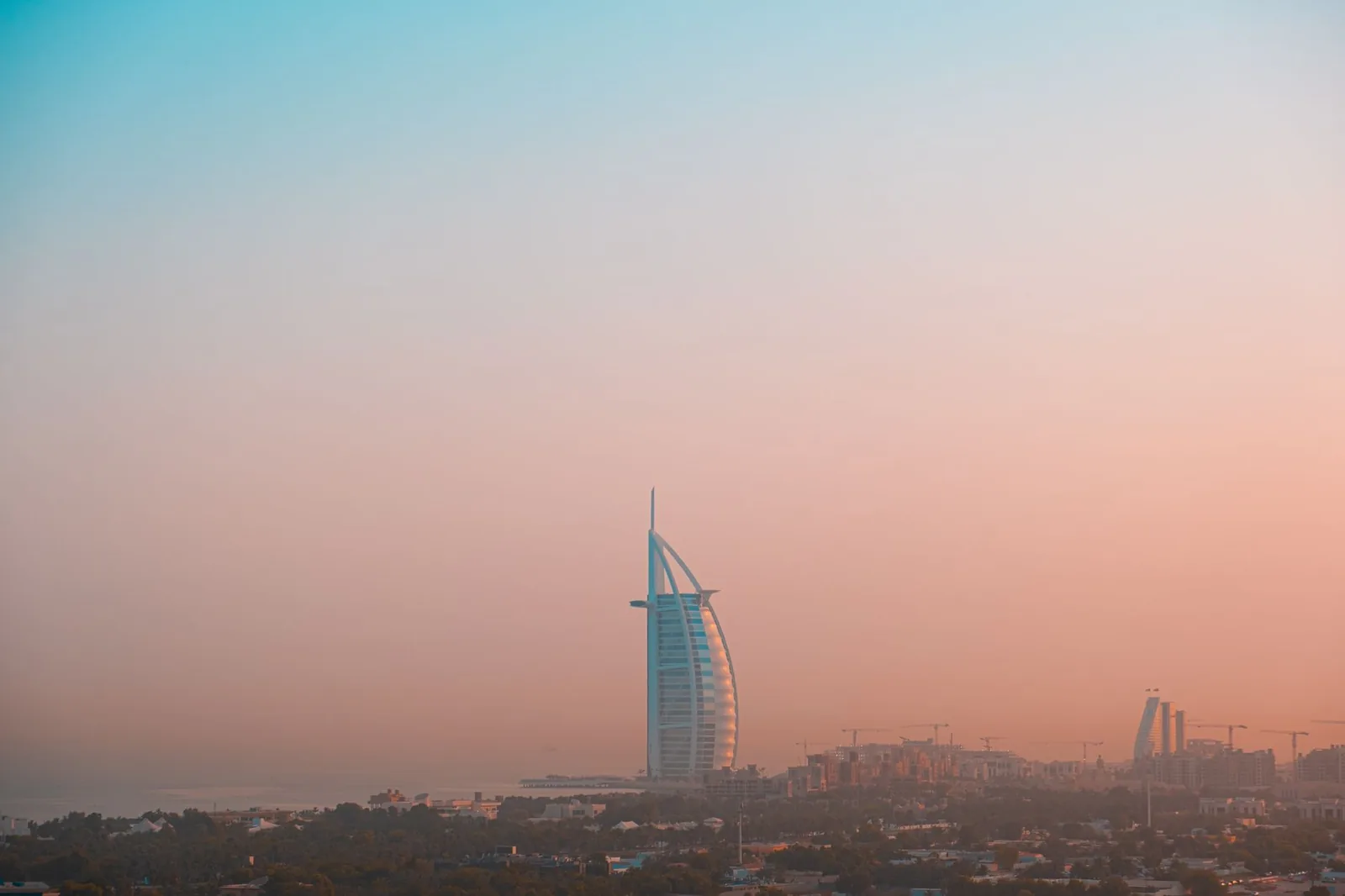
Jumeirah offers beach access, coastal restaurants, residential streets, Jumeirah Mosque and views towards Burj Al Arab. It is a good compromise for travelers who want both city access and a coastal setting.
Palm Jumeirah is best for resort stays, beaches, waterfront leisure and hotel-based trips. It is less convenient if most of your itinerary is in Old Dubai or Downtown.
Dubai Marina and JBR suit visitors who want high-rise waterfront scenery, beaches, restaurants, watersports and evening activity. The area has useful rail connections, but choose accommodation carefully because venues are spread across a large district.
Business Bay and DIFC are practical for modern dining, galleries, business travel and access to Downtown. They are less heritage-oriented but work well for travelers who prefer contemporary urban surroundings.
How to Get Around Dubai
Dubai is easiest to navigate with a combination of Metro, Tram, buses, taxis and occasional water transport. It is not uniformly walkable. Walk within compact districts such as Al Fahidi, parts of Deira, Downtown, Marina Walk and JBR, but use transport between neighborhoods.
The Dubai Metro has Red and Green lines. The Tram serves parts of Dubai Marina, JBR, Media City and the Palm connection. Public transport uses nol cards or tickets, with fares calculated by zones. The RTA divides Dubai into seven transport zones, and Metro-to-bus transfers generally need to be made within 30 minutes to count as one journey under current rules. Fares, service hours and pass conditions can change, so check the latest information before travel.
The RTA S’hail app is useful for journey planning and real-time transport information. Heat, wide roads, construction and limited shade can make long walks difficult, so carry water and save outdoor walking for cooler periods.
Official Dubai taxis are metered and available at designated ranks. Uber, Careem and Bolt also operate in the city. For central sightseeing, taxis are often the simplest option when attractions are separated by major roads. A rental car is more useful for Hatta, desert-area attractions and trips outside the central city, but traffic, parking and highway interchanges can make driving less convenient in Downtown and Old Dubai.
Arriving at Dubai International Airport
Dubai International Airport, or DXB, is the main arrival airport. The Dubai Metro Red Line connects directly with Terminals 1 and 3. Terminal 2 does not have a direct Metro station, so you will need another transfer option.
Airport taxis operate around the clock from designated ranks. Ride-hailing services use marked pickup areas. Metro hours can change during public holidays and major events, so check current airport and RTA information if arriving late, traveling with heavy luggage or connecting to a hotel away from a station.
Essential Travel Tips
- Dubai uses the UAE dirham, abbreviated AED. Cards are widely accepted, but carry some cash for small purchases, souks, abras and situations where payment options differ.
- Check passport validity and visa eligibility before departure. Passport requirements generally include at least six months of validity from the date of entry, but visa-on-arrival rules vary by nationality and can change.
- Dress modestly in religious, heritage and government settings. Swimwear is appropriate at beaches and pools, not in general public areas.
- Ask before photographing people, particularly Emirati families, religious settings, security personnel and government buildings. Avoid photographing airports or military infrastructure unless clearly permitted.
- During Ramadan, daytime eating, drinking and smoking in public may be subject to special restrictions, and venue schedules may change.
- Carry sunscreen, sunglasses, a hat and water. A light layer is useful indoors because air-conditioning can be strong.
- For desert safaris and adventure activities, confirm licensing, insurance, transfers, inclusions and cancellation terms.
- Use official taxi ranks or reputable ride-hailing apps rather than accepting unsolicited airport transport offers.
- Do not assume attractions are open year-round. Check seasonal venues, timed-entry requirements, current hours, last entry and ticket conditions.
- Plan by neighborhood. Old Dubai, Downtown, Palm Jumeirah and Dubai Marina are not realistic as one walking itinerary.
Common Questions About Dubai
Is Dubai a city or a country?
Dubai is a city and emirate within the United Arab Emirates. The country is commonly abbreviated as the UAE.
How many days do you need in Dubai?
Four to five full days is a practical first-visit length. Two to three days can work for a stopover focused on headline attractions, while six to seven days allows more time for beaches, museums, family attractions, desert activities and Hatta.
What is the best time to visit Dubai?
Winter is generally the most comfortable period for outdoor sightseeing, walking and desert activities. Summer is much hotter, although indoor attractions, malls, pools and evening activities remain available. Check current weather and seasonal schedules before travel.
Do you need a car in Dubai?
Not necessarily. Metro, Tram, buses, taxis and ride-hailing services cover many visitor areas. A car is more useful for Hatta, desert locations and trips outside central Dubai. The S’hail app can help plan public-transport journeys.
How do you get from Dubai Airport to the city?
The Metro Red Line connects DXB Terminals 1 and 3. Taxis operate 24/7 from airport ranks, and Uber, Careem and Bolt are available from marked pickup areas. Terminal 2 requires a different transfer arrangement.
Is Dubai expensive?
Dubai accommodates a wide range of budgets, but hotels, attractions, taxis, beach clubs, fine dining and resort experiences can become expensive quickly. Metro travel, neighborhood restaurants and careful comparison of attraction tickets can help reduce costs.
Is Dubai suitable for families?
Yes. The city offers aquariums, waterparks, theme parks, beaches, museums, malls and many indoor attractions. Check each venue’s age, height, supervision and child-ticket rules.
Can tourists visit mosques in Dubai?
Some mosques offer public visits or guided cultural programs. Clothing, bookings, visiting hours and photography rules vary, so check directly with the mosque or official tourism information.
Before You Go
Dubai is most rewarding when you balance its famous modern attractions with the older districts around Dubai Creek. Give Downtown, Old Dubai, the coast and the desert their own blocks of time rather than treating the city as one compact sightseeing area.
A well-planned first trip might combine Burj Khalifa and Dubai Mall, a morning in Al Fahidi and Deira, an evening around Marina and JBR, a beach or museum day and a desert safari. Add Hatta or another emirate if you have more time. Above all, plan around the heat, verify changing schedules and leave enough space to enjoy the city between its major attractions.
Inspired? Start planning your trip.
Move from inspiration to planning with BookingTabs — explore hotels, tours and travel options in one place.




Join the conversation
Ask a question, share a travel tip, or help another traveler plan with confidence.
Leave a comment
No account or email required.