
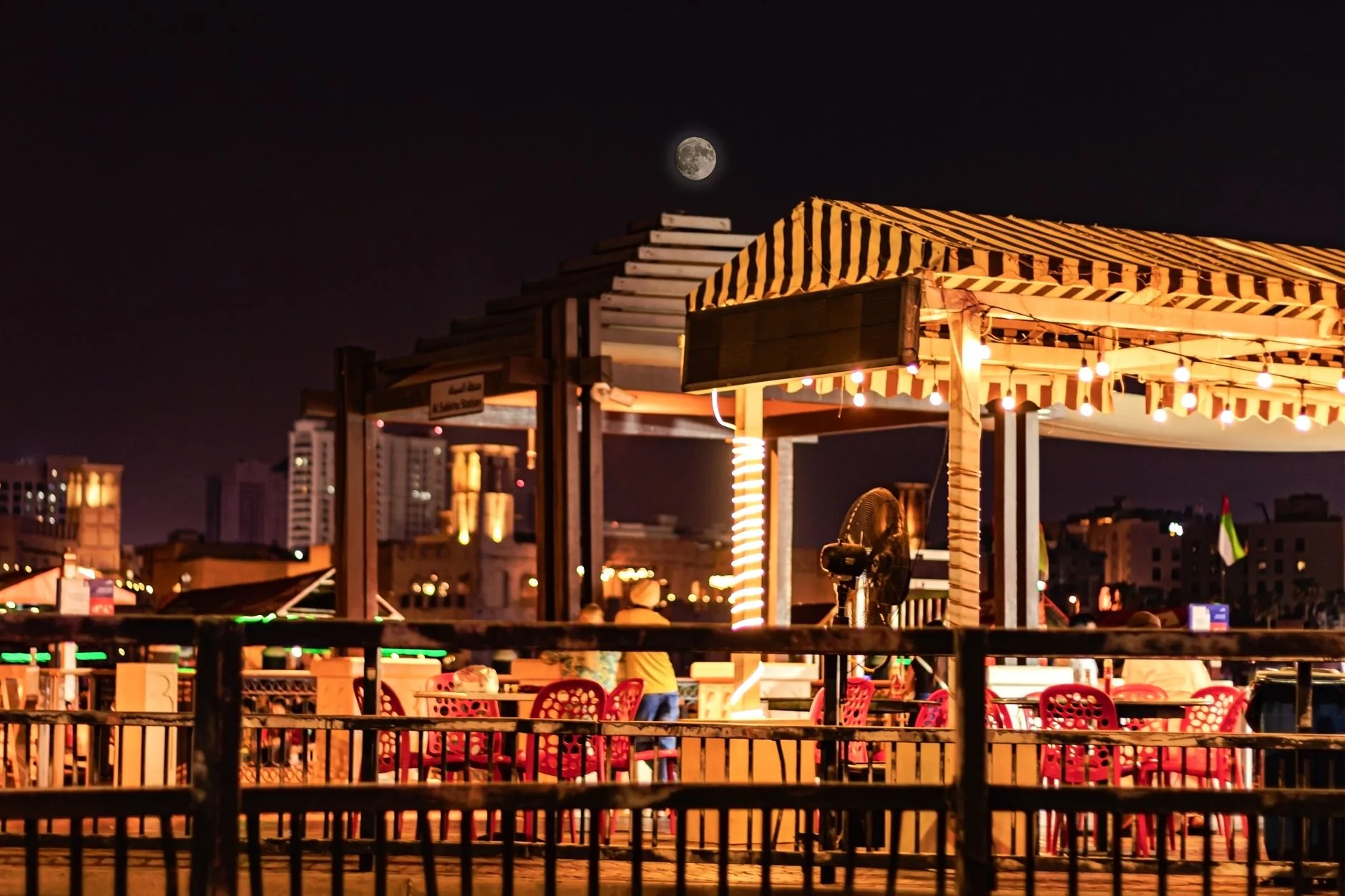
Best Things to Do in Al Fahidi and Bur Dubai
Al Fahidi and Bur Dubai offer a very different view of Dubai from the one found around Downtown or the Palm. West of Dubai Creek, this historic part of the city is best explored on foot, with time to look beyond the main sights. Restored wind-tower houses, shaded courtyards, traditional markets, museums, creekside promenades and busy South Asian restaurants all sit within a relatively compact area.
The district works well for a half-day visit, but a full day gives you time for Al Fahidi Historical Neighbourhood, Al Shindagha, a traditional abra crossing, local food and an unhurried walk along the water. It is also one of the most useful areas to visit during a short Dubai stopover because it combines history, culture, shopping and public transport access without requiring a long journey across the city.
Why Al Fahidi and Bur Dubai Is Worth Visiting
Bur Dubai is one of Dubai’s oldest areas and occupies the western side of the creek. Al Fahidi usually refers to the Al Fahidi Historical Neighbourhood and its surrounding heritage quarter, which forms part of the wider Bur Dubai area. The two names are sometimes used interchangeably, but they are not exactly the same: Bur Dubai is the broader neighbourhood, while Al Fahidi is its best-known historic core.
The area is rewarding because it shows how Dubai looked and functioned before the modern skyline took shape. Narrow lanes lead between coral-and-gypsum buildings, wind towers and courtyards. Along the creek, traditional boats still connect Bur Dubai with Deira, while the nearby souks remain active places to shop, eat and observe everyday commerce.
Al Fahidi and Bur Dubai are particularly suitable for:
- First-time visitors who want historical context
- Travellers interested in Emirati culture and architecture
- Photographers looking for textured streets and traditional buildings
- Food travellers seeking Persian, Indian, Pakistani, Arabic and Emirati cuisine
- Families who enjoy museums and short boat rides
- Budget-conscious visitors and Dubai stopovers
Allow at least half a day for the principal heritage area, the creekfront and one or two museums. A full day is preferable if you want to include Al Shindagha Museum, a cultural meal, souk browsing and an abra crossing to Deira.
When to Visit Al Fahidi and Bur Dubai
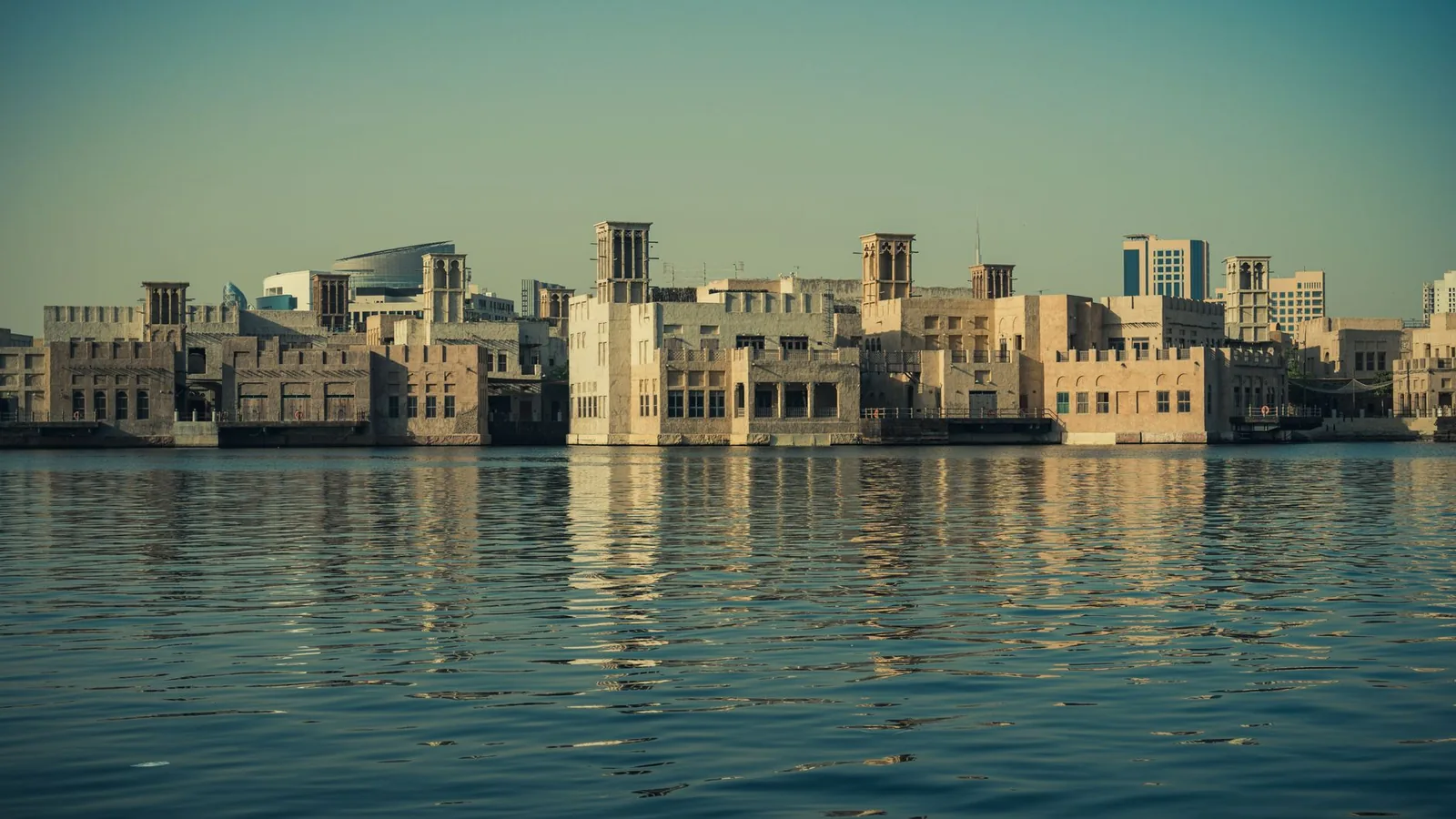
The most comfortable period for walking is generally October to March. Temperatures are more suitable for exploring the heritage lanes, creekfront and souks, and outdoor dining is more appealing. December to February is typically the busiest and most comfortable period, so cultural meals, guided walks and popular restaurants may need advance planning.
March to May can still work well, particularly in March and early April. As spring progresses, plan outdoor walking for the morning or late afternoon and use museums, cafés and indoor dining during the hottest part of the day.
June to September is very hot and humid. The area remains visitable, but a long midday walking itinerary is unlikely to be comfortable. Concentrate on air-conditioned museums and restaurants, use short outdoor sections, and return to the creekfront after sunset. Summer may bring better accommodation or airfare value, but seasonal opening hours and programs need checking.
October and November usually bring improving conditions, although early autumn can still be hot. In every season, carry water, use sun protection and leave flexibility in the schedule.
How to Get Around Al Fahidi and Bur Dubai
Walking is the best way to explore the heritage core, Textile Souk, parts of the creekfront and Al Seef. Expect narrow lanes, uneven paving, steps and exposed waterfront sections. Comfortable closed-toe shoes are sensible, particularly if you plan to cross the creek and continue through Deira.
Dubai Metro’s Green Line serves Al Fahidi and BurJuman stations. Al Fahidi Metro Station is generally convenient for the historical neighbourhood and Textile Souk, while BurJuman may be useful depending on your starting point. Al Ghubaiba is practical for Al Shindagha, buses and marine transport.
RTA abras connect Bur Dubai and Al Fahidi with Deira and other creek stations. Use an RTA Nol card for metro, bus and eligible public transport services, but carry some cash because payment rules differ by marine route and station. Check the current journey planner and live timetables before travel.
Taxis, Uber and Careem are useful in hot weather, with luggage or when travelling to an attraction outside the walkable core. Ask to be dropped at the nearest accessible road entrance because some heritage lanes are narrow or pedestrianised.
A car is usually unnecessary for this part of Dubai. Traffic, narrow streets and parking can make driving less convenient than using the metro or a taxi. A rental car becomes more useful only if you are combining Old Dubai with distant parts of the emirate or a longer excursion.
Arriving from Dubai International Airport
Dubai International Airport is the most practical airport for Al Fahidi and Bur Dubai. The Red Line operates from Terminals 1 and 3, and travellers can connect through the metro network towards the Green Line and Old Dubai. A taxi or private transfer is more convenient with substantial luggage, young children or an arrival at Terminal 2.
Airport metro hours and connections can vary by terminal, day, public holiday and major event. Check the current RTA and airport information for your arrival date. If arriving late, travelling with several bags or staying away from a metro station, a taxi is usually the simplest option.
Where to Base Yourself in Al Fahidi and Bur Dubai
Looking for a place to stay? Compare hotels for Al Fahidi and Bur Dubai on BookingTabs.
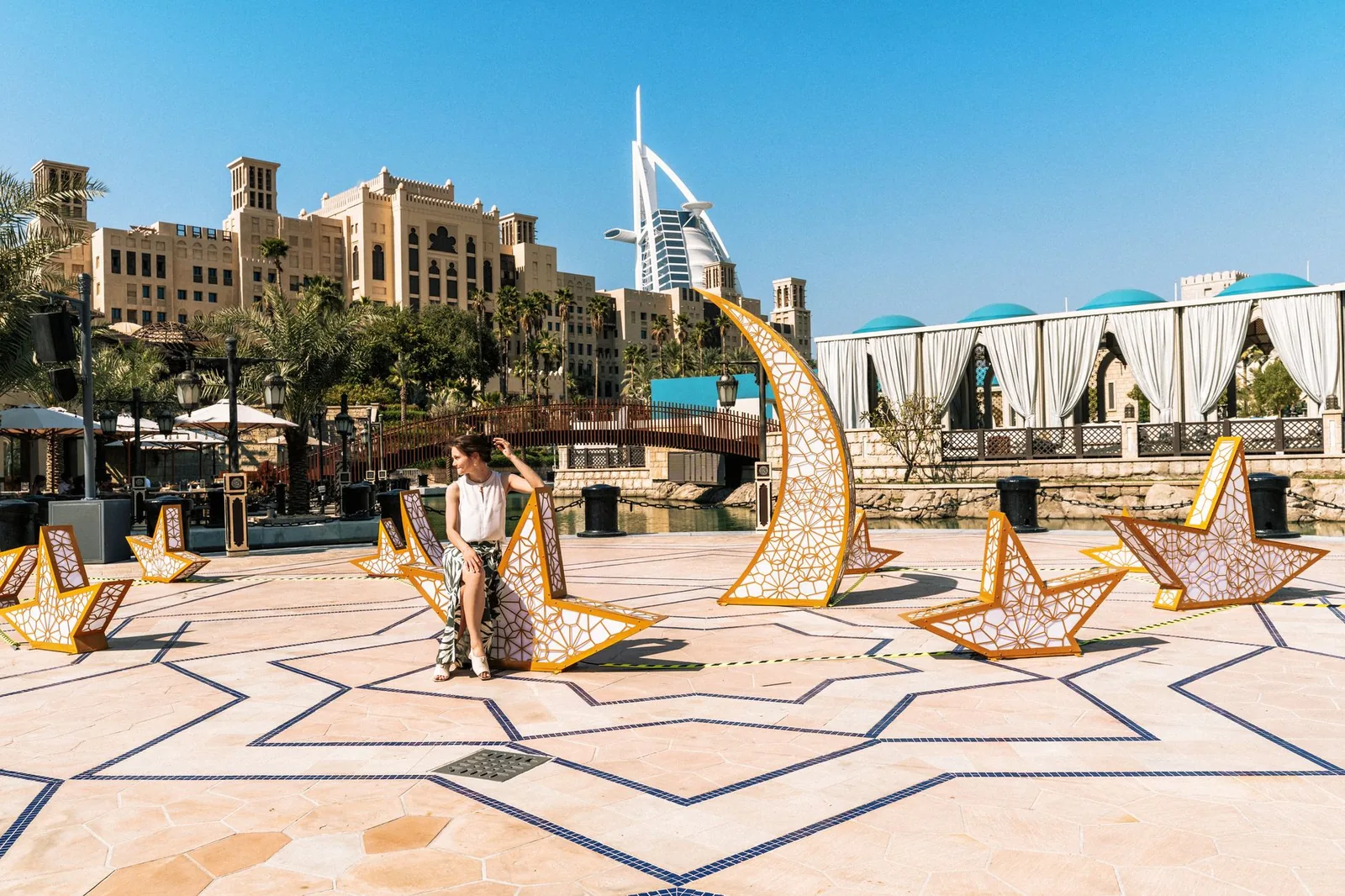
Choose the Al Fahidi Historical Neighbourhood area if you want heritage architecture, quiet lanes and quick access to cultural venues. Accommodation options here can be more limited than in the wider Bur Dubai district, and the atmosphere may be calmer than in the busier commercial streets.
The Bur Dubai Creekfront is useful for visitors who want creek views, abra access and a convenient route towards the Textile Souk, Al Seef and Al Shindagha. It can be a practical choice for a short stay focused on Old Dubai.
Al Ghubaiba suits travellers who value transport connections. The area provides access to metro, buses and marine transport, as well as Al Shindagha’s museums and heritage attractions.
Meena Bazaar is a lively option for travellers who prioritise restaurants, shopping and local commercial activity. It is less tranquil than Al Fahidi, but dining is convenient and the area can offer good value compared with Dubai’s resort districts.
Al Seef is better suited to travellers who want a polished waterfront setting with restaurants and an evening promenade. It is connected to the historic areas, but its atmosphere is more contemporary and its built environment is largely heritage-inspired rather than entirely historic.
Which Al Fahidi and Bur Dubai experience would you most want to build your day around?
What to See and Do in Al Fahidi and Bur Dubai
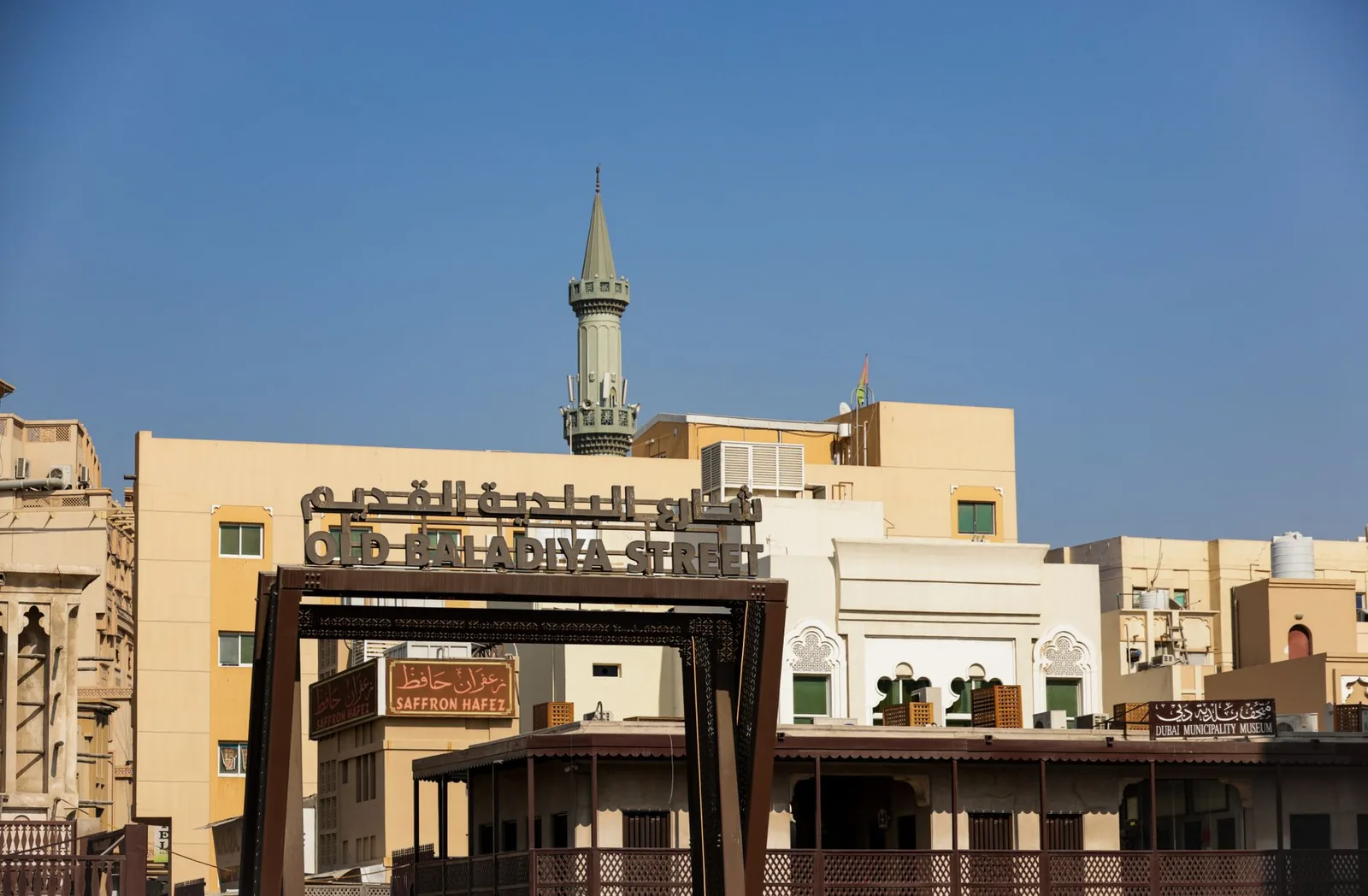
Walk through Al Fahidi Historical Neighbourhood
Begin in Al Fahidi Historical Neighbourhood, the most atmospheric part of the district. Its restored buildings, wind towers, courtyards and narrow sikkas were designed to reflect the traditional architecture of the area before Dubai’s rapid expansion.
This is not a conventional museum with one entrance, one route and a single ticket. The neighbourhood contains galleries, cafés, cultural venues and individual heritage buildings, each with its own arrangements. The best approach is to walk slowly, look into the courtyards and treat the district as a living cultural quarter rather than rushing between landmarks.
Go early in the day or later in the afternoon, especially outside the cooler season. Shade is intermittent, and the combination of heat, uneven paving and frequent stops can make a short-looking route take longer than expected.
See Al Fahidi Fort and check the Dubai Museum status
Al Fahidi Fort is one of Dubai’s most important historic landmarks. It has traditionally housed Dubai Museum, whose exhibits interpret the city’s early settlements, maritime life, trade and transformation.
The fort and museum have been subject to a major rehabilitation project, so visitors should not assume that the museum is open simply because the building is visible. Reopening arrangements, galleries, admission, opening hours and last entry should be checked through current official information before making it part of an itinerary.
Even if access is unavailable, the fort remains an important reference point for understanding the historic district. Pair it with a walk through the surrounding lanes and a visit to another open museum or cultural venue.
Explore Al Shindagha Museum
Across the creekside part of Bur Dubai, Al Shindagha Museum provides a broader and more structured look at Dubai’s history and Emirati life. The museum district includes exhibitions on traditional crafts, perfume, pearl diving, childhood, domestic life and the development of the city.
It is a good choice for travellers who want more than architectural photographs. The different museum houses allow you to connect the visual details of Al Fahidi and Al Shindagha with the people, skills and industries that shaped Dubai.
Al Shindagha is near Al Ghubaiba, making it accessible by metro, bus and marine transport. It is also possible to reach it on foot from the Al Fahidi and creekfront areas, although the walk is more comfortable during the cooler part of the day. Museum hours, ticket arrangements and access to individual houses can change, so verify the current details before visiting.
Visit Sheikh Saeed Al Maktoum House
Sheikh Saeed Al Maktoum House is a former ruler’s residence in Al Shindagha and an important example of traditional domestic architecture. Its displays include historic photographs, documents, coins and stamps connected with Dubai’s past and ruling family.
The building is worth including for its architecture as much as its collections. Look for the relationship between the rooms, courtyards, wind towers and shaded spaces. Check current opening arrangements and whether access is sold separately or included in a wider Al Shindagha Museum experience.
Join a cultural talk or traditional meal
The Sheikh Mohammed bin Rashid Al Maktoum Centre for Cultural Understanding offers heritage tours, cultural talks and traditional meals intended to explain Emirati customs, food and daily life in an informal setting.
This can be one of the most useful experiences in Al Fahidi because it adds context that is easy to miss when exploring independently. Visitors can ask questions about local traditions, architecture, religion and food rather than simply viewing historic buildings.
Programs generally operate on scheduled dates and may require reservations. Check the meeting point, dress guidance, dietary arrangements and cancellation terms before booking. Modest clothing covering the shoulders and knees is the safest general choice for cultural venues.
Cross Dubai Creek by abra
A traditional abra crossing is one of the simplest and most memorable things to do in Bur Dubai. The small boats connect the Bur Dubai side of the creek with Deira, offering a brief view of the water, working boats and historic waterfront.
The most useful crossing is also a practical way to continue your day in Deira. After arriving, you can walk towards the Gold Souk, Spice Souk, Perfume Souk and Deira waterfront before returning by boat or public transport.
Abra routes do not all operate in exactly the same way. Fares, payment methods, operating hours and departure points vary by service, and schedules may change during Ramadan, public holidays or operational interruptions. The commonly used Bur Dubai to Deira Old Souq crossing has been listed by the RTA at AED 1, while other creek routes may cost AED 2. Confirm the intended route at the station before boarding.
Browse the Textile Souk
The Textile Souk near the creek is a colourful stop for fabrics, tailoring and traditional-market atmosphere. Even travellers who are not planning to buy clothing may enjoy the shopfronts, bolts of fabric and lively bargaining.
If you order a tailored garment, confirm the full price, measurements, delivery date, alteration policy and collection arrangements before leaving a deposit. Allow more time than expected if your plans involve fitting or collection.
The nearby Grand Souk Bur Dubai adds more opportunities for souvenirs, fabrics and everyday shopping. The area is more commercial than the quietest lanes of Al Fahidi, so comfortable shoes and patience are useful.
Spend time in Meena Bazaar
Meena Bazaar is one of Bur Dubai’s most active commercial and dining areas. It is associated with Indian and South Asian shopping, jewellery, textiles, sweets, restaurants and everyday local commerce.
Visit for the food as much as the shopping. The area is useful for Indian, Pakistani and wider South Asian specialities, including biryani, kebabs, vegetarian snacks and regional sweets. It is busier and less deliberately preserved than Al Fahidi, but that is part of its character: this is a working neighbourhood rather than a heritage display.
Continue to Al Seef
Al Seef extends along the creek and combines heritage-inspired architecture with contemporary shops, cafés, restaurants and waterfront promenades. It is a convenient continuation of an Al Fahidi walk, especially if you want more dining choices or an evening stroll beside the water.
The distinction between the areas matters. Al Fahidi Historical Neighbourhood and Al Shindagha contain authentic historic buildings and heritage sites, while much of Al Seef is a newer development designed with traditional references. Both are useful to visit, but they offer different experiences.
Al Seef is most comfortable in the cooler months or after sunset. It also has a marine transport station, making it possible to combine a waterfront walk with a boat journey.
Look for the smaller museums and galleries
The Coins Museum is a specialist attraction in Al Fahidi displaying more than 470 rare coins from different Middle Eastern historical periods, including examples dating back to the seventh century according to Dubai’s visitor information. It is a focused stop rather than a large museum, so allow time for it only if numismatics or regional history interests you.
The Coffee Museum explores the cultural role of coffee through brewing equipment, artefacts and displays in a traditional Al Fahidi setting. Coffee and hospitality are important parts of the region’s social life, making this a natural addition to a heritage walk.
XVA Gallery and café combines regional contemporary art, traditional architecture and dining. It is a good choice for travellers interested in design as well as history. Small museums, galleries and independent cafés can change their hours or programming, so check current details close to your visit.
Local Food and Drink
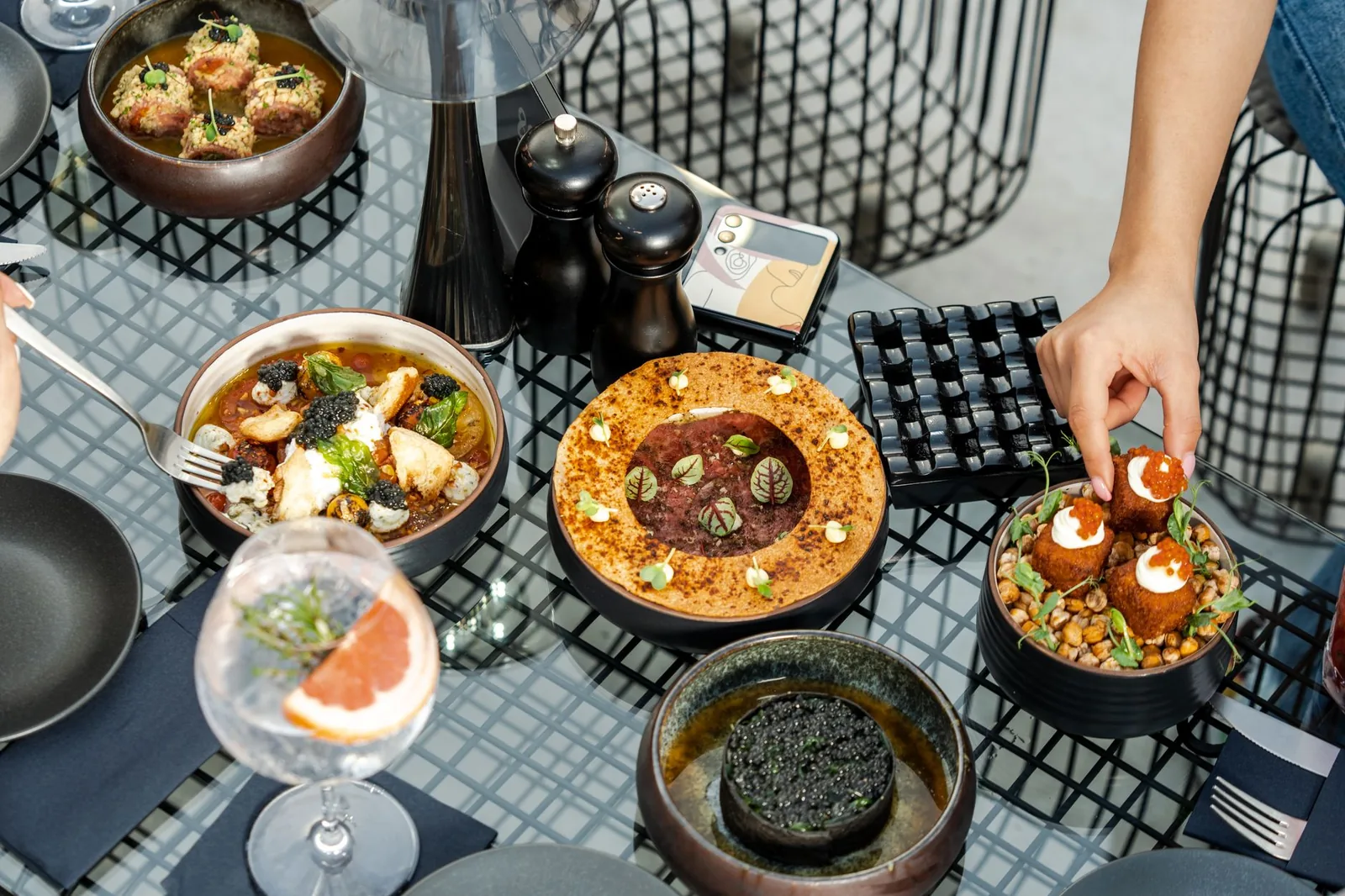
Al Fahidi and Bur Dubai are among Dubai’s best areas for exploring food across several regional traditions. Look for Emirati dishes such as machboos, harees, thareed, grilled seafood and luqaimat, along with Arabic coffee and karak tea.
Al Seef and heritage restaurants are the easiest places to seek Emirati food in a traditional setting. Al Fanar Restaurant and Café is associated with dishes including machboos, jesheed and luqaimat, while Al Khayma Heritage Restaurant is another heritage-style option. Menus, operators and opening hours can change, so confirm current details before visiting.
Arabian Tea House is a well-known Al Fahidi-area stop for tea, light meals and a courtyard setting. It is useful for a slower break during a walking itinerary, particularly when the heat is building.
Bur Dubai is also strongly associated with Persian and Iranian food. Al Ustad Special Kabab is highlighted as a popular Persian dining option, while the wider area has many casual grilled-meat restaurants.
For Indian and South Asian food, head towards Meena Bazaar and the surrounding Bur Dubai streets. Choices range from vegetarian snacks and sweets to biryani, kebabs and regional specialities. The creekfront and Al Seef provide a broader mix of regional, Mediterranean, Asian and international dining, with evening demand often higher during the cooler season.
Easy Day Trips from Al Fahidi and Bur Dubai
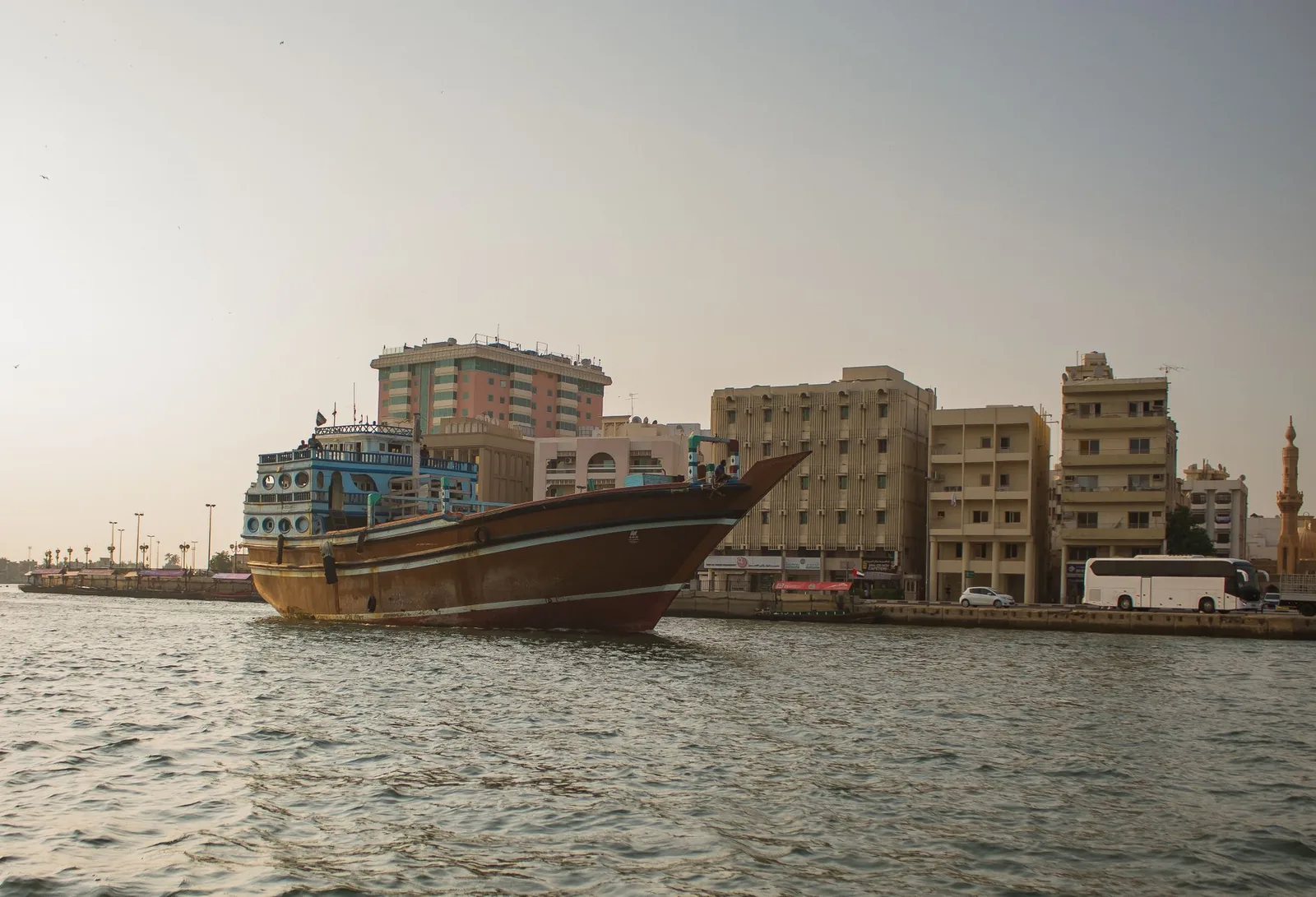
Deira and the traditional souks
This is the most natural extension of an Al Fahidi visit. Cross the creek by abra and continue through the Gold Souk, Spice Souk and Perfume Souk before exploring the Deira waterfront. Allow several hours if you enjoy browsing and bargaining.
Downtown Dubai
Pair Old Dubai’s heritage with the modern skyline around Burj Khalifa, Dubai Mall and Downtown Dubai. The two areas are not within walking distance of each other, and traffic can significantly affect journey times, so avoid scheduling them too tightly.
Jumeirah and Etihad Museum
Jumeirah offers a different side of Dubai, with coastal districts and beaches, while Etihad Museum focuses on the formation of the United Arab Emirates. Check transport links and opening arrangements separately.
Desert safari
A desert safari provides a strong contrast with the dense historic city. Depending on the operator, excursions may include dune driving, camel experiences and an evening camp. Compare pickup arrangements, inclusions, cancellation terms and safety or conservation policies before booking.
Hatta
Hatta is a longer excursion into Dubai Emirate’s Hajar Mountain area, with outdoor activities, landscapes and heritage attractions. It requires substantial travel time from Bur Dubai and is best treated as a full-day outing.
Good to Know Before You Go
- Treat Al Fahidi and Bur Dubai as neighbourhoods within Dubai, not as a separate city.
- Plan the main walking route for early morning, late afternoon or evening outside the hottest months.
- Carry water, sunscreen and comfortable shoes; shade is not continuous.
- Dress respectfully in heritage sites, cultural centres, mosques and traditional neighbourhoods.
- Ask permission before photographing residents, workers, worshippers or people in close-up.
- Check whether cultural meals, guided walks and workshops require advance reservations.
- Allow extra time for souk browsing, tailoring discussions and creek crossings.
- Verify museum opening status, especially for Al Fahidi Fort and Dubai Museum.
- Confirm abra route, fare, payment method and operating hours at the intended station.
- Expect possible changes during Ramadan, public holidays and major city events.
- Remember that small museums, galleries and independent cafés may change hours with little notice.
- Cards are widely accepted, but cash remains useful for small purchases and some transport services.
Al Fahidi and Bur Dubai Travel FAQ
Are Al Fahidi and Bur Dubai the same place?
No. Bur Dubai is the broader historic neighbourhood west of Dubai Creek. Al Fahidi usually refers to the Al Fahidi Historical Neighbourhood and the surrounding heritage area within Bur Dubai.
How long do I need in Al Fahidi and Bur Dubai?
Half a day covers the main heritage lanes, creekfront and one museum. A full day is better if you want to include Al Shindagha, souks, a cultural experience, dining and an abra crossing.
Can I walk around Al Fahidi and Bur Dubai?
Yes. The heritage core, Textile Souk, Al Seef and parts of the creekfront are well suited to walking. Heat, humidity, uneven surfaces and the distance to Al Shindagha make taxis or public transport useful at times.
How do I get from Bur Dubai to Deira?
The traditional abra is the most atmospheric option. RTA operates several creek routes, but route numbers, fares, payment methods and hours differ. Confirm the exact service at the station or through current RTA information.
Is Dubai Museum open?
Al Fahidi Fort, the historic home of Dubai Museum, has been undergoing rehabilitation. Current reopening status, opening hours, ticketing and visitor access should be verified directly before your visit.
What should I eat in Bur Dubai?
Try Emirati dishes such as machboos and luqaimat, Persian kebabs, Indian and Pakistani food around Meena Bazaar, Arabic coffee, karak tea and creekside dining at Al Seef.
Which metro station is best for Al Fahidi?
Al Fahidi Metro Station is generally convenient for Al Fahidi Historical Neighbourhood and the Textile Souk. BurJuman can also be useful, while Al Ghubaiba is practical for Al Shindagha and marine transport.
Planning Your Al Fahidi and Bur Dubai Trip
Al Fahidi and Bur Dubai are the best places in Dubai to slow down and look past the skyline. The area brings together restored heritage architecture, working souks, museums, cultural programs, creek crossings and some of the city’s most varied everyday food.
Plan it as a walk rather than a checklist. Start in Al Fahidi, continue towards the creek and Al Seef, choose a museum or cultural experience, then cross to Deira if time allows. With comfortable weather and a flexible schedule, this compact part of Old Dubai can provide more insight into the city than a day spent moving between headline attractions.
Inspired? Start planning your trip.
Move from inspiration to planning with BookingTabs — explore hotels, tours and travel options in one place.
Join the conversation
Ask a question, share a travel tip, or help another traveler plan with confidence.
Leave a comment
No account or email required.