
Goa Travel Guide
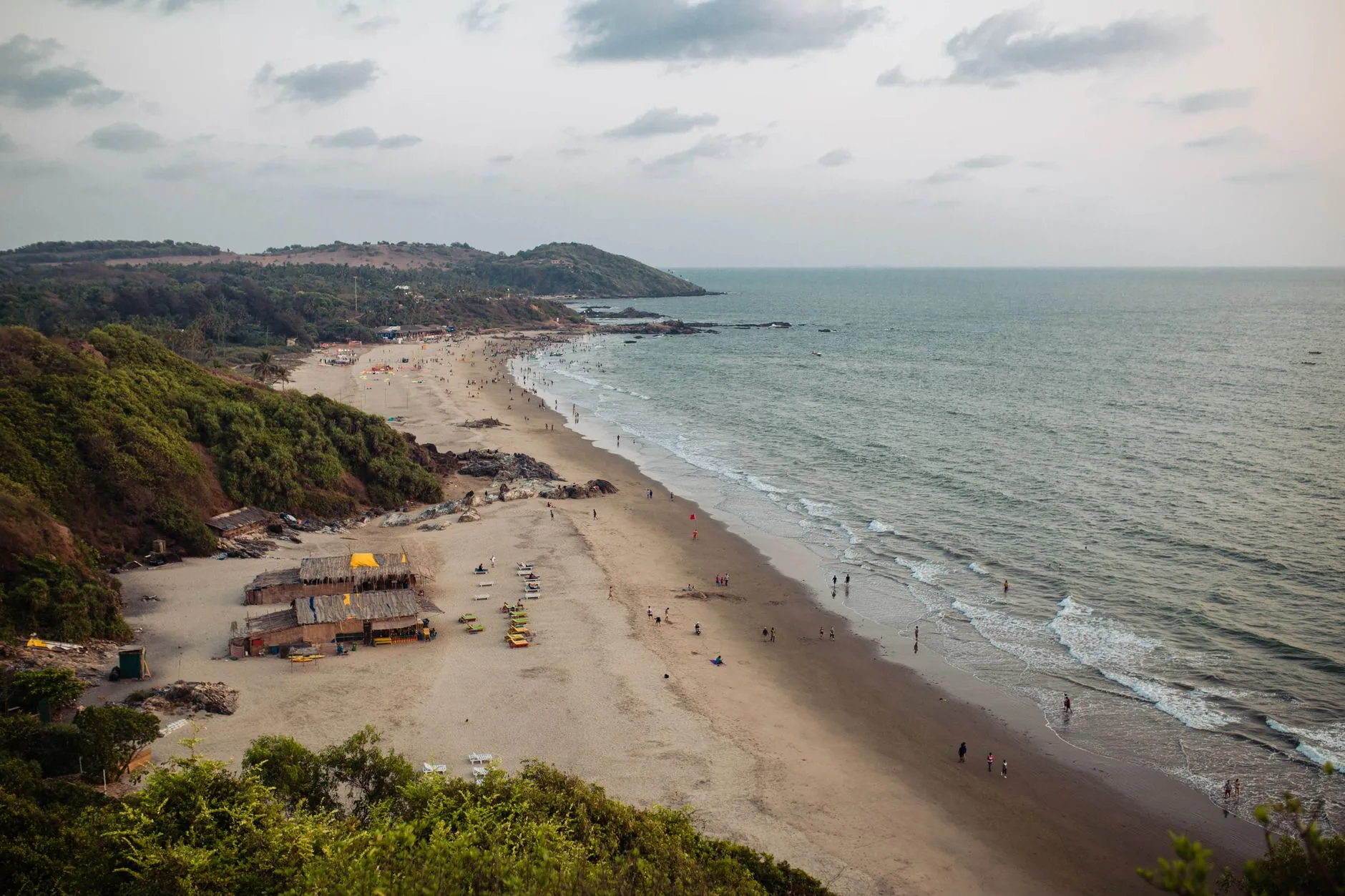
Goa is a coastal state on India’s Konkan coast, bordered by the Arabian Sea and the Western Ghats. Its appeal lies in the variety packed into a relatively compact destination: busy resort beaches, quieter southern shores, Portuguese-influenced architecture, Hindu temples, rivers, waterfalls, forest reserves, spice plantations and one of India’s most distinctive regional food cultures. Panaji is the state capital, while Old Goa preserves the monuments of the former Portuguese capital.
A first visit is easiest when planned geographically. North Goa is generally more developed and energetic, Panaji and Old Goa provide the strongest heritage focus, and South Goa offers a slower beach experience. Inland Goa leads towards Ponda, Mollem, Dudhsagar Falls and the Western Ghats. Five to seven days is a useful starting point; eight to ten days allows a more relaxed combination of coast, heritage and nature.
Why Visit Goa
Goa suits travellers who want several kinds of holiday without making long intercity journeys. You can spend a morning walking through historic churches, an afternoon on the coast and the following day travelling inland to a spice plantation or forest landscape.
The beaches are varied rather than interchangeable. Calangute and Baga are convenient for nightlife, restaurants, shopping and organised activities. Anjuna and Vagator combine dramatic coastline with beach venues, markets and evening entertainment. Candolim and Sinquerim are practical bases near Fort Aguada. In the south, Palolem and Agonda are better suited to travellers seeking scenic bays and a less concentrated resort atmosphere.
Goa’s heritage is equally important. Old Goa’s Churches and Convents of Goa form a UNESCO World Heritage property, with major monuments representing Manueline, Mannerist and Baroque architecture. Panaji’s Fontainhas quarter offers a more intimate urban experience, with colourful Indo-Portuguese houses, narrow lanes and cafés.
Food is another reason to come. Goan cooking brings together coastal Indian ingredients and Portuguese influences, from fish curry and rice to pork vindaloo, chicken cafreal, xacuti, sorpotel, sannas and bebinca. Beyond the coast, the Western Ghats provide waterfalls, forest and wildlife excursions, while Ponda’s temples and spice plantations offer a different view of the state.
Best Things to Do in Goa
Planning your activities? Compare tours and activities for Goa on BookingTabs.

Explore Old Goa’s UNESCO-listed churches
Old Goa is the essential heritage stop. The former capital contains a remarkable concentration of religious monuments, including the Basilica of Bom Jesus, Sé Cathedral, the Church and Convent of St Francis of Assisi, the Church of St Cajetan, the Chapel of St Catherine, the Church of Our Lady of the Rosary and the ruins of St Augustine.
The Basilica of Bom Jesus is particularly significant because it houses the tomb of St Francis Xavier. The monuments can be visited together, and the principal sites are close enough to connect on foot. Several remain active religious buildings, so dress modestly and behave respectfully. Interior access, photography rules, opening hours and restrictions during services can vary, making it sensible to check locally before setting out.
Old Goa works well as a half-day visit from Panaji, but allow longer if you want to take your time with the architecture, museums and surrounding landscape.
Walk through Panaji and Fontainhas
Panaji is a useful base as well as a destination in its own right. The capital has riverfront areas, restaurants, cultural attractions and convenient access to Old Goa, Dona Paula and northern beaches.
Fontainhas is the city’s most atmospheric district for a heritage walk. Its narrow lanes and colourful houses reflect Goa’s Indo-Portuguese urban character, while cafés provide natural places to pause. A guided walk can add context about the buildings and neighbourhood’s history, although independent exploration is also rewarding.
Fontainhas is residential, so treat it as a living neighbourhood rather than an open-air film set. Keep noise low, avoid blocking doorways and ask before photographing people or private homes.
Visit Fort Aguada and Reis Magos Fort
Fort Aguada occupies a prominent coastal position overlooking the Arabian Sea and the Mandovi estuary. Its Portuguese-era walls, elevated setting and broad views make it one of Goa’s best-known heritage landmarks. It combines easily with Sinquerim or Candolim, although the exposed position means little shade and strong sun.
Across the Mandovi from Panaji, Reis Magos Fort offers a different perspective on Goa’s coastal defences. The restored fort was strategically positioned at the river mouth and is well paired with a visit to Fontainhas or central Panaji. Surfaces can be uneven, and access arrangements may change, so confirm current opening information before travelling.
Chapora Fort is another popular viewpoint. The hilltop site overlooks the Chapora River and coastline and is commonly combined with Vagator and nearby northern beaches. The approach can be steep or uneven, with limited shade. Visit early or later in the day if you want to reduce exposure to the heat.
Choose the right beach area
There is no single “best beach” in Goa; the right choice depends on the kind of trip you want.
Candolim and Sinquerim are convenient for resorts, restaurants, beach access and Fort Aguada. They are a comfortable choice for first-time visitors who want North Goa’s attractions without staying in the most concentrated nightlife zone.
Calangute and Baga offer the broadest range of accommodation, dining, shopping, nightlife and organised beach activities. They are practical and lively, but visitors seeking quiet may find the area busy, especially during peak periods.
Anjuna and Vagator suit travellers interested in coastal scenery, markets, beach venues and nightlife. Chapora Fort is nearby, and the area has a more alternative character than the central resort belt, although atmosphere and facilities vary by season.
Palolem is one of South Goa’s most recognisable beaches, with a scenic crescent-shaped bay and access to other southern beaches. Agonda is generally better for a slower-paced stay, with facilities spread more widely and a less concentrated feel.
Colva, Benaulim, Varca and Cavelossim provide further southern options, while Margao is the main commercial centre for the region. Beach conditions, water sports, seasonal accommodation and swimming suitability can change, so follow local signs and lifeguard advice.
Head inland to Dudhsagar and Mollem
Dudhsagar Falls and the surrounding Bhagwan Mahavir Wildlife Sanctuary bring Goa’s Western Ghats into the itinerary. The waterfall is a major inland attraction, but it should not be treated as a simple, guaranteed day out. Access may involve Kulem, trekking or authorised four-wheel-drive approaches, and a walk may still be required to reach the base.
Rules, permits, authorised vehicles, road conditions and access routes can change with weather and conservation requirements. Monsoon conditions can make roads, trails, rivers and waterfalls hazardous. Check current arrangements before booking, and use an authorised operator where required. Do not assume that a train crossing, jeep trip or swim will be available on your chosen date.
Discover Ponda’s temples and spice plantations
Ponda and the surrounding hinterland provide an inland alternative to the beach circuit. The area is useful for visiting Hindu temples, tropical plantations and rural landscapes. Spice plantation experiences may include information about local crops, demonstrations, traditional meals or transfers, but inclusions differ between operators.
This is a good choice for travellers who want to understand Goa beyond its coast. Confirm transport, accessibility and operating arrangements in advance, particularly outside the main tourist season.
Visit Chorao Island and the Dr Salim Ali Bird Sanctuary
Chorao Island, in the Mandovi estuary, offers mangrove scenery and a quieter contrast to the resort beaches. The Dr Salim Ali Bird Sanctuary is a useful choice for travellers interested in birdwatching and wetlands.
Reaching the sanctuary may involve a ferry and local transport. Allow flexibility, wear practical footwear and check ferry arrangements and sanctuary access before leaving. Bird activity is naturally variable, so the experience is best approached as a peaceful estuary excursion rather than a guaranteed wildlife sighting.
Places to Visit Beyond Goa

Old Goa from Panaji
This is the easiest heritage excursion, covering the UNESCO-listed churches and convents and nearby cultural attractions. It can be completed in half a day, although a slower visit is more rewarding.
Dudhsagar and Mollem
Combine the waterfall area with Western Ghats scenery, but verify permits, authorised vehicles, trail access and weather restrictions first. This is not a trip to improvise during heavy rain.
Chorao Island
Travel to Chorao for mangroves and the Dr Salim Ali Bird Sanctuary. Check ferry and sanctuary arrangements before setting off and allow extra time for local connections.
Ponda temples and spice plantations
This excursion introduces Goa’s inland religious architecture, tropical agriculture and traditional food experiences. It is particularly worthwhile for visitors who have already spent several days on the coast.
Reis Magos and Panaji
Pair the restored fort with Fontainhas, central Panaji and riverfront areas for a manageable heritage-focused day.
A South Goa beach circuit
From a southern base, connect beaches such as Colva, Benaulim, Varca, Cavelossim, Agonda or Palolem. Choose a realistic number of stops rather than attempting every beach in one day.
What would you most want to experience on a Goa trip?
What to Eat and Drink
Goan food reflects both coastal Indian traditions and Portuguese influence. Start with xit kodi, fish curry served with rice and commonly prepared with coconut, spices and a souring ingredient such as kokum or tamarind.
Pork vindaloo is a vinegar, garlic and spice-based preparation traditionally made with pork. Chicken cafreal has a green, herb- and spice-rich character, while xacuti is a deeply spiced curry made in versions with chicken, crab, mutton or other ingredients.
For festive and regional cooking, try sorpotel with sannas. Sorpotel is a spicy, vinegar-seasoned pork dish, while sannas are steamed rice cakes. Vegetarian travellers should look for khatkhate, a mixed-vegetable stew made with coconut and local spices.
Save room for bebinca, a layered egg-and-coconut dessert associated with festive meals. Feni, made from cashew fruit or coconut palm sap, is Goa’s traditional spirit. Drink responsibly and buy alcohol from reputable establishments, paying attention to current local rules.
Beach shacks, family-run restaurants, cafés and higher-end dining rooms all offer different ways to eat in Goa. For the most local experience, look beyond the busiest beachfront strips and ask your accommodation team where residents eat.
Where to Stay in Goa

Panaji and Fontainhas
Choose Panaji for central access, restaurants, cultural attractions and straightforward trips to Old Goa. Fontainhas is best for travellers who value heritage surroundings, cafés and walkable streets. It is not a beach base, but it works well for a short city-and-heritage stay.
Candolim and Sinquerim
These areas are practical for a first North Goa visit. They combine beach access with restaurants, resorts and proximity to Fort Aguada, while remaining convenient for Panaji. They suit couples, families and travellers who want a developed base without staying directly in the busiest nightlife zone.
Calangute and Baga
Stay here for convenience and entertainment. Accommodation, restaurants, shops, nightlife and beach activities are concentrated in the area. It is a useful choice for visitors who want to walk to many facilities, but less suitable if quiet evenings are a priority.
Anjuna and Vagator
These northern areas appeal to travellers interested in nightlife, markets, beach venues and a more alternative atmosphere. They also provide easy access to Chapora Fort. Facilities and noise levels vary by pocket, so check the precise location rather than choosing by area name alone.
Arambol and Mandrem
Arambol and Mandrem are associated with a more relaxed, wellness-oriented and long-stay atmosphere. They can suit travellers seeking a northern base away from the densest resort areas, though seasonal character and available facilities differ.
Margao and Colva
Margao is a useful South Goa commercial centre with transport connections and everyday services. Colva offers a more developed beach base and access to nearby southern beaches. This combination suits travellers who want a practical southern location rather than a remote coastal stay.
Palolem and Agonda
Palolem and Agonda are strong choices for a slower beach holiday. Palolem has a scenic bay and a wider visitor infrastructure, while Agonda generally feels more spread out and subdued. Check seasonal accommodation and beach-protection arrangements before booking.
Ponda and the hinterland
Ponda is useful for inland sightseeing, temples, plantations and routes towards waterfalls and wildlife areas. It is better suited to travellers prioritising rural and cultural experiences than those wanting to step directly onto the beach.
When to Visit Goa

For conventional beach weather, October to March is generally the most suitable period. Skies are usually clearer and sea conditions are more suitable for normal beach activities, although exact conditions vary. December, Christmas and New Year are especially popular and can bring heavier demand, more crowded beaches and higher accommodation costs.
December to February is Goa’s comparatively dry winter. Days are typically warm, with cooler evenings, and this is the busiest period for conventional holidays. Book well ahead if travelling over the festive season.
March to May is hot and increasingly humid. Daytime temperatures can reach around 35–36°C in April and May. This period may suit travellers prioritising lower-season availability, but plan sightseeing for mornings and late afternoons and take heat protection seriously.
The southwest monsoon normally affects Goa from early June through late September. Rain can be heavy, landscapes become intensely green and some inland excursions are at their most atmospheric. However, outdoor plans may be disrupted, and swimming or bathing in the sea during the monsoon is dangerous and prohibited under Goa tourism guidance. Rivers, waterfalls and other water bodies can also become unsafe after heavy rain.
September is a transition month. Rain may continue, while October and November generally become drier and more comfortable for sightseeing. Always check current weather, beach warnings and attraction notices before travelling during the shoulder or monsoon seasons.
Transport in Goa
Goa is geographically compact, but attractions are spread across coastal and inland zones. Traffic, narrow roads, seasonal congestion and monsoon rain can make journeys take longer than the map suggests. Organise your itinerary by area instead of crossing the entire state repeatedly.
Kadamba Transport Corporation and private buses connect major towns and some villages. Buses can be inexpensive, but services may be indirect or infrequent for remote beaches, forts and nature attractions. Walking is practical in Fontainhas, central Panaji, Old Goa’s main monument area and some compact beach settlements, but not between separate beaches or rural attractions.
Taxis are widely used, including airport taxis, hotel-arranged vehicles and app-based or state-linked services. Use registered tourist transport where possible. Confirm the complete fare, tolls, waiting time and luggage arrangements before departure, as prices and app availability can change.
A private car with driver is convenient for multi-stop sightseeing, particularly if you want to combine Old Goa, forts, South Goa and an inland excursion. Self-driving is possible, but requires confidence with Indian traffic, scooters, buses, narrow roads and unmarked junctions. Check licence requirements, insurance, fuel policy and parking conditions before renting.
Goa has two airports. Manohar International Airport at Mopa uses the code GOX and is in North Goa. Dabolim Airport, code GOI, remains active near Vasco da Gama. Check the airport code on your ticket before booking accommodation or arranging a transfer. The more convenient airport depends on both your flight and your base. Airport buses, taxis and self-drive options are available, but routes, fares and schedules should be verified close to travel.
Essential Travel Tips
- Check whether your flight arrives at GOX or GOI before arranging accommodation or a transfer.
- Plan by geographic area. North Goa, Panaji, Old Goa, South Goa and the hinterland are separate bases, not interchangeable labels.
- Use registered taxis or reputable pre-booked transfers and confirm the total fare before departure.
- Carry modest clothing for churches and temples and follow photography restrictions.
- Swim only where conditions are suitable, between lifeguard flags and according to local advice.
- Do not swim or bathe in the sea during the monsoon. Avoid rivers, waterfalls and other water bodies during heavy rain.
- Never enter the sea after drinking alcohol, and do not ignore warning flags.
- Carry water, sunscreen, a hat and breathable clothing. Heat and humidity can make short walks surprisingly tiring.
- Keep some small cash for local transport, markets and smaller eateries while retaining digital payment options.
- Verify current rules for Dudhsagar, wildlife sanctuaries, water sports, vehicle rentals and adventure activities.
- Recheck attraction hours, taxi fares, bus schedules, beach-shack operations and airport transport shortly before travelling.
- Keep emergency and tourism contacts current. Goa’s tourism helpline and emergency numbers can change, so verify them before departure.
Goa Travel FAQ
Is Goa a city or a state?
Goa is a state of India, not a city. Panaji is the state capital. Tourist areas include North Goa, South Goa, Old Goa, Panaji and inland regions.
What is the best month to visit Goa?
For generally dry beach weather, October through March is the broadest recommendation. December and New Year are popular but can be crowded and expensive. April and May are hotter, while June through September is the main monsoon period.
Can visitors swim in Goa during the monsoon?
No. Goa tourism guidance states that swimming or bathing in the sea during the monsoon is dangerous and prohibited because of strong currents and undercurrents. Rivers, waterfalls and lakes can also be hazardous during heavy rain.
Which airport should I use for Goa?
Goa has Manohar International Airport at Mopa, code GOX, and Dabolim Airport, code GOI. The better airport depends on your flight and accommodation, so check the airport code on your ticket before arranging transport.
How many days are enough for Goa?
Five to seven days works well for a first visit covering beaches, Panaji or Old Goa and one inland or heritage excursion. Eight to ten days allows a slower split between North Goa, South Goa and the Western Ghats.
Is public transport available in Goa?
Yes. Kadamba Transport Corporation and private operators connect major towns and some tourist areas. Services can be limited for remote beaches and nature attractions, so many visitors combine buses with taxis, hired scooters, cars or private drivers.
Final Thoughts
Goa rewards travellers who treat it as a region rather than a single beach resort. Give North Goa time for its lively coast and forts, use Panaji and Old Goa for architecture and history, and head south for a quieter shoreline. If your schedule allows, add Ponda, a spice plantation or the Western Ghats to see another side of the state.
The best trip is rarely the one with the most stops. Choose one or two well-placed bases, leave room for traffic and weather, and check current safety and access information before heading into the sea, forests or waterfalls. That balance lets Goa’s beaches, food, heritage and landscapes work together rather than compete for your time.
Inspired? Start planning your trip.
Move from inspiration to planning with BookingTabs — explore hotels, tours and travel options in one place.





Join the conversation
Ask a question, share a travel tip, or help another traveler plan with confidence.
Leave a comment
No account or email required.