Brazil Unpacked: Beaches, Cities, Rainforests and Culture — Your Practical Guide
Brazil stretches across half a continent, blending sun-drenched beaches, dense rainforests, frenetic cities and a culture that pulses with music and food. From Rio de Janeiro’s skyline—where Sugarloaf and Christ the Redeemer frame beaches—to the river-carved labyrinth of the Amazon and the wetlands of the Pantanal, Brazil offers contrast at every turn. This guide breaks the country down into manageable parts: essential sights, authentic local experiences, practical timing advice and travel tips that seasoned visitors use. Whether you’re chasing Carnival, snorkeling in protected marine reserves, or tasting street food in Salvador’s Pelourinho, expect sensory overload balanced with moments of quiet wilderness. Read on for a grounded, useful plan to explore Brazil beyond postcards.
Must-See Attractions
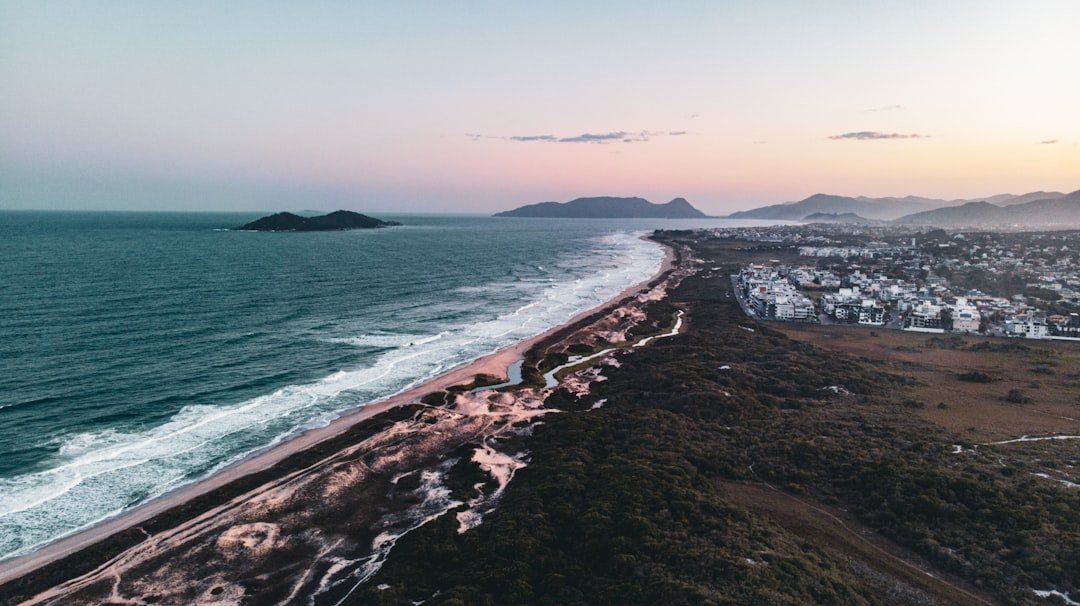
Brazil’s iconic attractions are as diverse as its landscapes. In Rio de Janeiro, the twin wonders of Christ the Redeemer on Corcovado and Pão de Açúcar (Sugarloaf) offer sweeping city and bay panoramas; nearby Copacabana and Ipanema are urban beaches perfect for people-watching and sunset rituals.
São Paulo rewards those interested in contemporary culture—world-class museums, a riot of neighborhoods and a legendary food scene—while Salvador showcases Afro-Brazilian history, colonial architecture in Pelourinho and live music on cobbled squares.
For nature, the Amazon remains the defining wilderness: Manaus is the usual gateway for lodge stays, river cruises and rainforest walks. The Pantanal is the best place for easy, high-density wildlife viewing—jaguars, caimans and an extraordinary bird list—especially during the dry season. The Atlantic Forest fragments include Chapada Diamantina’s dramatic plateaus and waterfalls, while Lençóis Maranhenses’s otherworldly dunes-and-lagoon landscape and Fernando de Noronha’s protected marine life are musts for nature lovers and divers.
Don’t miss Brasília’s modernist architecture—Oscar Niemeyer’s civic buildings are compelling for anyone interested in urban planning and mid-century design.
Best Time to Visit
Brazil’s size means travel windows vary by region. The southern and southeastern coast enjoy warm, humid summers and mild winters, while the Amazon and Pantanal follow wet/dry cycles that shape accessibility and wildlife viewing.
- High season (December–February): Summer and Carnival months bring beach weather and festive crowds—expect higher prices and packed attractions in Rio, Salvador and coastal resorts.
- Amazon (December–May): The rainy season raises river levels, favoring boat-based jungle access and flooded-forest wildlife viewing; lower water (June–November) exposes trails and sandbanks but can restrict river navigation in some areas.
- Pantanal (July–October): The dry season concentrates wildlife around shrinking water sources, making this the best window for big-game and bird watching.
- Shoulder seasons (March–May, September–November): Often the best compromise—fewer crowds, lower rates and pleasant weather for both cities and many natural areas.
- Lençóis Maranhenses: Visit during the rainy season’s end (May–July) when lagoons are fullest and the dunes-studded pools are most impressive.
Essential Travel Tips
- Transportation: Brazil’s distances are large. Domestic flights connect major hubs (Rio, São Paulo, Brasília, Manaus, Salvador). Long-distance buses are comfortable and economical for shorter interstate legs. Cities often have metros, ride-hailing services (Uber operates widely) and plentiful taxis—agree on metered fares or use apps.
- Money: The Brazilian real (BRL) is the local currency. Credit cards are accepted in most urban businesses; keep cash for street markets, smaller towns and tips. ATMs are common in cities but use machines in banks where possible to reduce fraud risk.
- Safety: Exercise common-sense precautions—avoid displaying valuables, be cautious after dark in unfamiliar neighborhoods and use hotel safes. In big cities, pickpocketing and opportunistic theft are the main concerns; stick to busy, well-lit areas and trusted transport. Register travel plans with your embassy if advised.
- Packing: Lightweight, breathable clothing for most of the country; a rain jacket for rainforest and wet-season travel; reef-safe sunscreen and insect repellent (DEET or picaridin) for tropical zones. Bring a good pair of walking shoes for cobblestones and hikes, plus a hat and reusable water bottle.
- Health: Check vaccinations—yellow fever is regionally recommended, particularly for Amazon and Pantanal travel; malaria prophylaxis may be advised in some Amazonian areas—consult a travel clinic well before departure. Drink bottled or purified water outside major cities.
- Etiquette: Brazilians are generally warm and informal. A handshake or light cheek kiss are common greetings. Learn basic Portuguese greetings to show respect in markets and small towns. Tipping of 10% is customary in many restaurants; some menus include a service charge.
Frequently Asked Questions
Do I need a visa to travel to Brazil?
Visa requirements depend on your nationality. Citizens of many countries can enter visa-free for short tourist stays, but always check current entry rules with Brazilian consular services before booking.
Is Portuguese necessary or is English widely spoken?
Portuguese is the official language and dominant in daily life. English is commonly spoken in tourist areas, upscale hotels and guided tours, but learning basic Portuguese phrases will enhance your experience in markets and neighborhoods.
What vaccinations or health precautions should I take?
Yellow fever vaccination is recommended for travel to certain regions (Amazon, Pantanal, some inland areas); routine vaccines should be up to date. Malaria risk exists in parts of the Amazon—consult a travel health clinic for personalized advice before travel.
How safe is it to swim at Brazilian beaches?
Many urban beaches like Copacabana and Ipanema are safe for casual swimming, but always heed local lifeguards, flags and signage—rip currents and surf conditions can change quickly. In remote islands or reefs, use guides and follow conservation rules.
What is the best way to get around between cities?
For long distances, domestic flights are the fastest and often competitively priced. For regional travel, night or luxury buses offer comfortable alternatives. Within cities, metros, buses and ride-hailing apps are practical; avoid unlicensed taxis.
Conclusion
Brazil resists a single definition: it is at once an urban powerhouse of art and gastronomy, a nation of beach rituals, and a matrix of ecosystems that are globally significant. Planning with regional timing in mind—choosing the right season for jungle, wetland or beach—makes a trip more rewarding. Seek local experiences: markets, music and neighborhood walks reveal the country’s soul more than any checklist. With common-sense safety measures, basic Portuguese phrases and a flexible itinerary, Brazil opens quickly to travelers eager for vibrant culture and remarkable natural diversity.