Brazil Unpacked: A Practical Guide to Beaches, Cities, Rainforests and Culture
Brazil is a country of dramatic contrasts: sun-soaked beaches and thundering waterfalls, frenetic cities and near-impenetrable rainforest, improvised musical corners and centuries-old colonial streets. Traveling here means switching quickly from samba in a crowded bloco to the hush of dawn in the Amazon, from the nightlife of São Paulo to the artisanal markets of Salvador. This guide unpacks the essentials for first-time visitors and repeat travelers alike — the can’t-miss attractions, authentic local experiences, when to plan your trip, and the down-to-earth tips that make travel smoother. Read on for a practical, experience-driven view of Brazil that balances tourist highlights with ways to see the country like a local.
Must-See Attractions
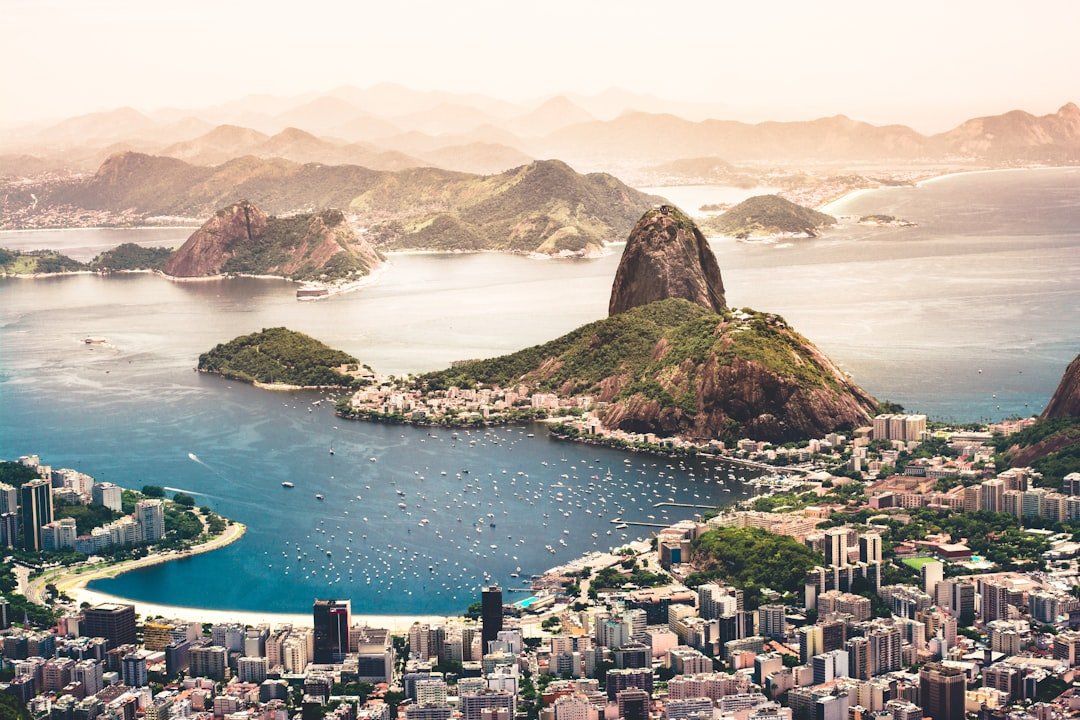
Start in Rio de Janeiro, where the city’s layout—beaches, mountains and neighborhoods—feels choreographed. Visit Christ the Redeemer on Corcovado for sweeping views, then take the cable car to Sugarloaf Mountain (Pão de Açúcar) for sunset over Guanabara Bay. Copacabana and Ipanema beaches are iconic for people-watching and sunbathing; nearby Lapa offers historic arches and nightlife.
In the south, Iguaçu Falls on the Brazil–Argentina border is a landscape-defining experience: walk the boardwalks that take you close to the Devil’s Throat. For wildlife and wetlands, the Pantanal is unmatched—seasonal flooding concentrates animals, making river and jeep safaris excellent for spotting jaguars, caimans and hundreds of bird species.
The Amazon Rainforest is essential for nature lovers. Manaus serves as the main gateway; join a guided lodge stay or river cruise to explore flooded forests, night safaris and indigenous communities. Northeast Brazil offers unique coastal wilderness: the dunes and freshwater lagoons of Lençóis Maranhenses and the diving-rich archipelago of Fernando de Noronha, where marine life and world-class snorkeling are highlights.
Historic towns show Brazil’s colonial past. Salvador’s Pelourinho is a living Afro-Brazilian cultural center with colorful churches and music; Ouro Preto and Paraty preserve cobblestone streets, baroque churches and artisanal traditions. São Paulo, Brazil’s economic heart, rewards visitors with top-tier museums (Museu de Arte de São Paulo), diverse gastronomy and vibrant neighborhoods like Vila Madalena.
Best Time to Visit
Brazil’s sheer size creates multiple microclimates, so the best time depends on where you’re going. Coastal cities like Rio and Salvador have warm, beach-friendly weather year-round, with peak beach season and higher crowds from December to March. Carnival usually falls in February or March and dramatically increases demand and prices.
The Amazon sees a clear dry season (July–September) when river levels drop and forest trails are more accessible; conversely, the wet season (December–May) floods lowland trails and makes river travel primary. The Pantanal’s dry season (May–September) concentrates wildlife around shrinking waterholes, making it the prime time for wildlife viewing.
For beach islands such as Fernando de Noronha, the best months are August to December when seas are calmer and visibility for diving is highest. For trekking in highland regions like Chapada Diamantina or Serra da Canastra, the dry months (May–September) offer clearer trails and safer river crossings. If you want fewer crowds and lower prices, shoulder seasons (April–May and September–November) are good compromises across many regions.
Essential Travel Tips
Transportation: Distances are large; domestic flights connect major hubs efficiently. Long-distance buses are comfortable and economical for shorter routes. In cities, ride-hailing apps (Uber) operate reliably in most urban areas—confirm safety protocols and pick-up spots in advance.
Money: The currency is the Brazilian real (BRL). Major cards are widely accepted in cities, but smaller towns and markets favor cash. ATMs are common but use machines attached to banks for better security. Notify your bank before travel to avoid card blocks.
Safety: Use common-sense precautions—avoid displaying valuables, take registered taxis or ride-hailing at night, and ask locals or hotel staff about neighborhoods to avoid. Petty theft is the most common crime; keep copies of important documents and use hotel safes when available.
Packing: Bring insect repellent and a lightweight rain jacket (tropical downpours are frequent). For Amazon and Pantanal trips, include quick-dry clothing, long sleeves for mosquitoes, sunscreen and a strong headlamp for rural lodges. If you plan to dive or snorkel, a reef-safe sunscreen protects marine life.
Local etiquette: Brazilians are warm and expressive—greetings often include a single cheek kiss in many regions, or a handshake in business contexts. Learn a few Portuguese phrases (obrigado/obrigada, por favor, desculpe) to open doors and show respect. Tipping is customary: 10% service is common in restaurants if not included on the bill.
Frequently Asked Questions
Do I need a visa to travel to Brazil?
Visa requirements vary by nationality. Many countries have visa-free entry or e-visa agreements with Brazil; check the current rules on your government’s travel site or the Brazilian consulate page before booking.
Is Portuguese necessary or is English widely spoken?
Portuguese is the national language and widely used outside tourist centers. In big cities, many hospitality staff speak English, but learning basic Portuguese phrases improves interactions and is appreciated.
What vaccinations or health precautions should I take?
Routine vaccinations should be up to date. Yellow fever vaccination is recommended for travel to certain inland and Amazon regions; check current health advisories. Use mosquito protection in tropical areas and drink bottled or filtered water where recommended.
Can I use credit cards everywhere?
Cards are accepted in most urban restaurants, hotels and shops, but cash remains important for street food, markets, small towns and tips. Carry smaller bills for convenience.
How safe is it to swim at Brazilian beaches?
Many Brazilian beaches are safe for swimming, but currents and rips can be strong. Swim between flagged areas where lifeguards are present, heed local warnings and ask about seasonal conditions. Some remote beaches may have no services and limited rescue options.
Conclusion
Brazil resists a single narrative. It’s a place where natural spectacle, urban energy and deep cultural variety coexist. Whether you come for the beaches, to trek in inland national parks, to float past riverbanks in the Amazon, or to dance through Carnival, planning around seasons and local customs makes the experience richer. Prioritize a few distinct regions rather than trying to see everything at once: you’ll return with stronger memories and a clearer sense of the country’s many faces. With basic preparations—respect for safety norms, an openness to local rhythms, and a taste for the food—you’ll find Brazil both exhilarating and welcoming.