Morocco Unveiled: Imperial Cities, Sahara Dunes and Authentic Culture
Morocco is a country of contrasts: ochre medinas ringing with calls to prayer, snow-capped peaks in the High Atlas, windswept Atlantic beaches and the vast amber silence of the Sahara. Travelers arrive for the vibrant sensory overload of Marrakech and Fes, the cinematic kasbahs of southern oases, and the promise of an unforgettable desert night under stars. Yet Morocco’s appeal is equally rooted in everyday life — aromatic mint tea shared on a riad rooftop, souk bargaining that sharpens the senses, and small villages where traditional crafts endure. This guide surveys the must-see highlights, authentic local experiences, the best time to plan your trip and practical advice so you can travel confidently across imperial cities, dune seas and coastal medinas.
Must-See Attractions
Morocco’s landmarks are concentrated between its imperial cities, the Atlas Mountains and the southern approach to the Sahara.
-
Marrakech — Jemaa el-Fna and the Medina: The city’s heart is Jemaa el-Fna square, a living theatre of food stalls, storytellers and musicians. Explore the surrounding medina for Bahia Palace, the Koutoubia Mosque (viewable from outside by non-Muslims) and lush riad courtyards.
-
Fes — Medieval Fes el-Bali: Fes is a labyrinthine, largely unchanged medieval capital. The tanneries at Chouara, the Qarawiyyin area and the tangle of souks reward slow exploration; consider a guided walking tour to decode the medina’s alleyways and history.
-
Rabat and Meknes: Rabat offers a calmer imperial capital experience — the Kasbah des Oudaias and the Hassan Tower are photogenic highlights. Meknes presents grand gates and the nearby Roman ruins of Volubilis for a concise imperial-day itinerary.
-
Chefchaouen: The Rif mountain town famed for its blue-washed medina provides a peaceful counterpoint to busier cities, ideal for photographers and relaxed wandering.
-
Ait Ben Haddou and the High Atlas: This UNESCO-listed ksar near Ouarzazate is an archetypal earthen fortress used in many films. The pass at Tizi n’Tichka connects Marrakech to the desert and offers dramatic Atlas vistas.
-
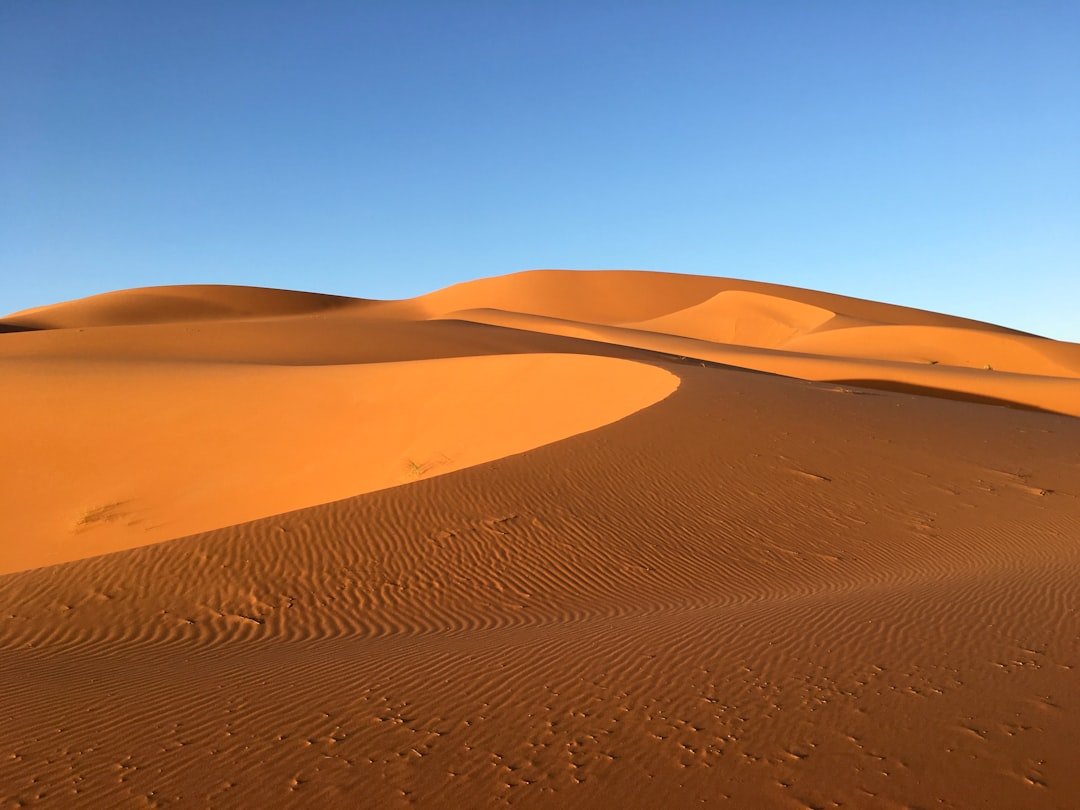
Sahara Dunes — Erg Chebbi (Merzouga) and Erg Chigaga: For classic Sahara experiences, Merzouga’s Erg Chebbi dunes are accessible by 4×4 and camel treks; Erg Chigaga is wilder and more remote. Overnight in a desert camp to watch sunrise and sample Berber hospitality.
-
Essaouira: A breezy Atlantic port with fortified ramparts, fresh seafood, and a compact medina; wind conditions make it a kite-surfing hotspot and a relaxed seaside alternative.
-
Dades Valley and Todra Gorge: The dramatic gorges and layered rock formations between Ouarzazate and Merzouga are superb for hiking and scenic drives that reveal rural life and kasbahs.
Best Time to Visit
Morocco’s climate varies by region, so timing depends on your priorities.
-
Spring (March–May): Widely considered the best time for most travelers. Wildflowers and comfortable daytime temperatures make it ideal for cities, mountains and the desert. Expect moderate crowds in April and May.
-
Fall (September–November): Another excellent window: warm days and cooling nights, fewer summer tourists, and comfortable trekking weather in the Atlas Mountains.
-
Summer (June–August): Coastal areas and higher elevations remain pleasant, but inland cities like Marrakech and the desert can be very hot; daytime temperatures often exceed 100°F (38°C) in the south.
-
Winter (December–February): Mild along the coast and in cities; Atlas elevations receive snow and can close passes temporarily. Desert nights are cold, so plan warm clothing for overnight camps.
-
Crowds and festivals: Major festivals and school holidays (July–August) bring more visitors. For quieter exploration, target shoulder seasons in spring and fall.
Essential Travel Tips
Practical advice helps you navigate Morocco’s cities, countryside and desert with confidence.
-
Transportation: Trains run reliably between Casablanca, Rabat, Fes, Meknes, and Marrakech (ONCF). Long-distance CTM and Supratours buses connect many towns. For rural stretches and desert access, hire a private driver or 4×4; grand taxis serve shorter routes between towns.
-
Money: The Moroccan dirham (MAD) is cash-based; ATMs are common in cities but scarce in rural areas and the desert. Credit cards are accepted in larger hotels and restaurants; always carry cash for markets and taxis.
-
Safety: Morocco is generally safe for travelers; common-sense precautions apply. Watch for pickpockets in crowded souks and squares, keep valuables secure, and be cautious when accepting unsolicited help. Drink bottled water if you have a sensitive stomach.
-
Packing: Pack layers for temperature swings, sturdy shoes for uneven medina streets, a sunhat and high-SPF sunscreen for desert days, and a lightweight scarf for mosque visits and dust. If visiting in winter or higher altitudes, include a warm jacket.
-
Local etiquette: Morocco is culturally conservative. Dress modestly (cover shoulders and knees) in smaller towns and religious sites. Always remove shoes before entering a home or certain riad areas. Ask permission before photographing people, especially women.
-
Language: Arabic (Moroccan Darija) and Amazigh (Berber) languages are common; French is widely used in business and tourism. Learning a few phrases like salam (hello) and shukran (thank you) is appreciated.
-
Connectivity: SIM cards from local providers (e.g., Maroc Telecom, Orange) are affordable and useful outside Wi‑Fi spots. Bring a universal adapter for European-style two-pin plugs.
Frequently Asked Questions
Do I need a visa to visit Morocco?
Many nationalities, including citizens of the U.S., Canada, UK and EU, can enter Morocco visa-free for stays up to 90 days. Check the current entry requirements with your embassy before traveling, as rules can change.
Is it safe to travel to the Sahara by myself?
Independent travelers can reach desert areas, but remote dunes are best accessed with experienced local guides or organized tours. Guides know the terrain, provide navigation, and arrange desert camps and vehicle support for safety.
Can I drink tap water in Morocco?
Tap water in major cities is generally treated, but many travelers prefer bottled or filtered water to avoid stomach upset, especially when staying in rural areas or in desert camps.
What should I wear when visiting religious sites?
Dress modestly: cover shoulders and knees. Men and women should avoid revealing clothing. In some mosques only Muslims are allowed inside; non-Muslim visitors should respect signage and local instructions.
How many days do I need to see Morocco’s highlights?
A focused trip to Marrakech, a day trip to the Atlas Mountains, and a short tour to Ait Ben Haddou and the desert requires about 7–10 days. To include Fes, Chefchaouen and coastal Essaouira comfortably, plan for 10–14 days or more.
Conclusion
Morocco rewards travelers who balance curiosity with patience. From the sensory overload of Marrakech’s souks to the hush of the Sahara and the blue tranquility of Chefchaouen, each region offers distinct landscapes and cultural rhythms. Prioritize a mix of iconic sights and smaller local experiences — a rooftop tea at sunset, a guided walk through a medina, or a night beneath desert stars — and travel with practical preparation for heat, crowds and cash needs. Whether you’re tracing imperial histories, following ancient caravan routes or simply savoring tagine flavors, Morocco remains a richly layered destination that invites repeat visits and slower exploration.