Brazil Beyond the Stereotypes: Beaches, Cities, Rainforests and Culture
Brazil is a country of scale and diversity: golden beaches that meet Atlantic swells, megacities pulsing with samba and street art, and an immense interior of rainforest that sustains an extraordinary array of life. Travel here can shift from the sun-drenched coast to the shade of towering trees within hours, and each region carries distinct rhythms—culinary, musical, and social. This article unpacks the highlights and keeps the focus practical: iconic sights worth prioritizing, authentic local experiences, when to go, and the travel know-how that helps you move confidently between beach towns, urban neighborhoods and jungle lodges. Whether you’re planning a first visit or returning to dig deeper, use this as your concise guide to experiencing Brazil’s multi-layered appeal.
Must-See Attractions
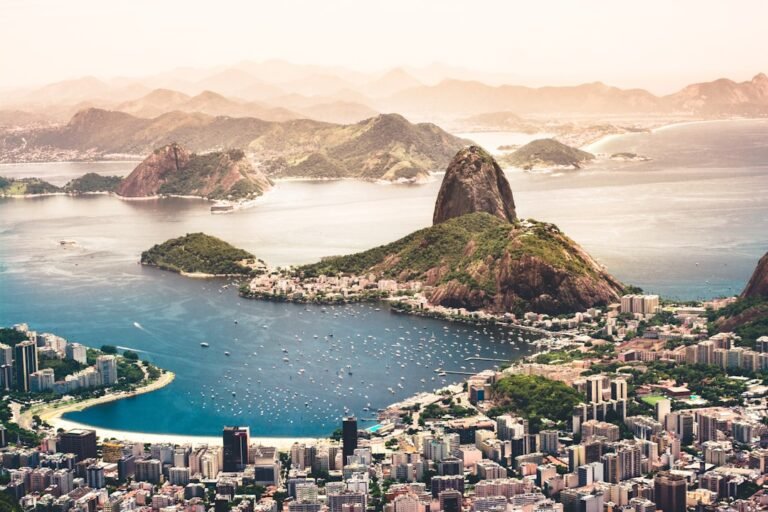
Brazil’s landmarks are as varied as its landscapes. In Rio de Janeiro, the statue of Christ the Redeemer atop Corcovado and the cable car to Sugarloaf Mountain offer postcard panoramas of beaches, bays and the city’s jagged skyline. Nearby Copacabana and Ipanema are cultural stages where sunbathers, vendors and impromptu football matches create a lively beachfront life.
São Paulo is Brazil’s economic heart and contemporary-art capital; the Avenida Paulista corridor, the Pinacoteca museum and the street art of Beco do Batman in Vila Madalena illustrate its cultural breadth. Salvador da Bahia introduces Afro-Brazilian heritage: the Pelourinho district’s colonial architecture, elevated percussion traditions and Candomblé influences make it unlike anywhere else.
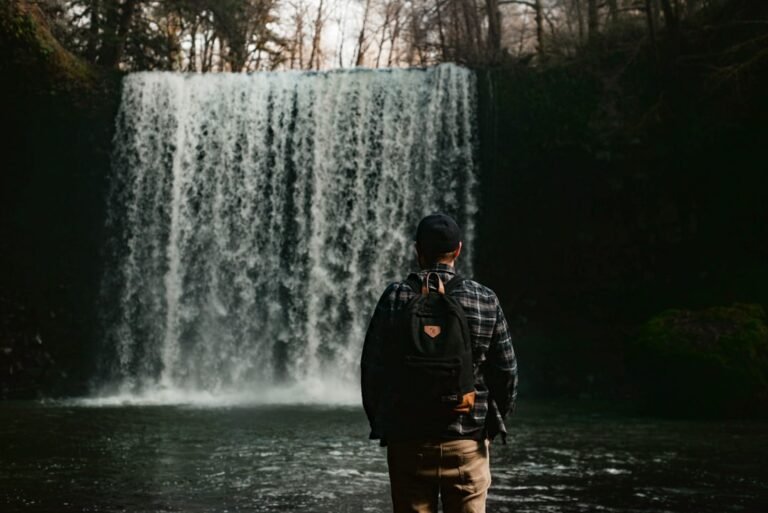
For nature, the Amazon Basin centers on Manaus and river-based lodges where guided jungle walks, night safaris and boat trips to meet pink dolphins reveal the rainforest’s ecology. In the south, Iguaçu Falls—on the border with Argentina—delivers thunderous cascades and well-maintained walkways and viewpoints in Iguaçu National Park.
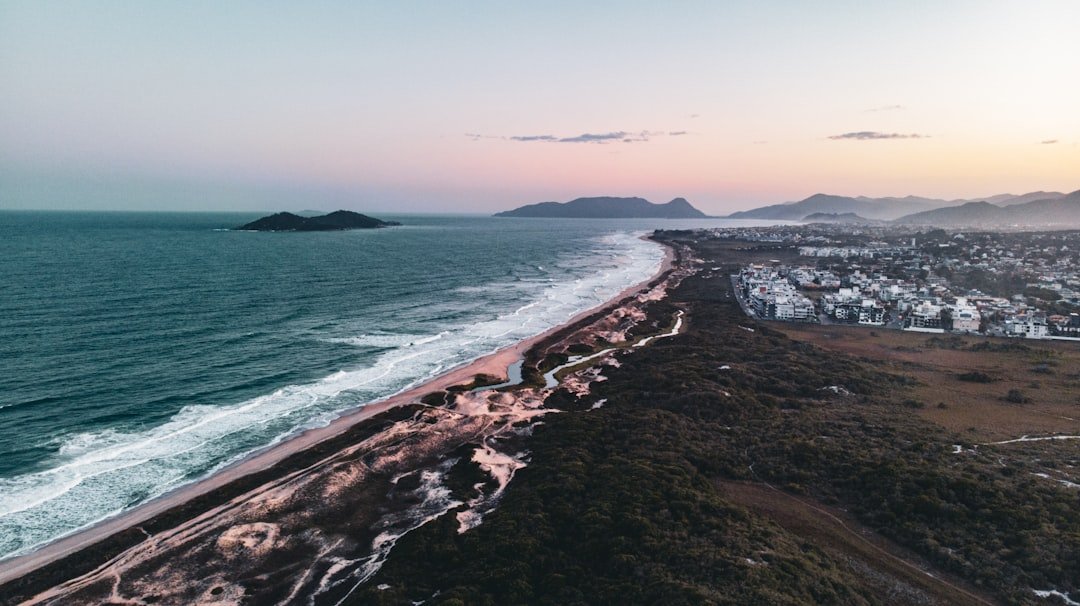
The northeastern coast includes Praia do Forte and the dunes and lagoons around Jericoacoara—each offers dramatic coastal scenery and water-sport options. In the Pantanal, the world’s largest tropical wetland, guided safaris are the best way to see jaguars, capybaras and diverse birdlife.
Best Time to Visit
Brazil’s climate varies widely. The coastal southeast (Rio, São Paulo) has a humid subtropical climate: summers (December–March) are hot and humid with afternoon showers; winters (June–August) are milder and drier. For beaches and outdoor sightseeing in pleasant conditions, April–June and August–October are often ideal.
The Amazon is hot year-round; the dry season (July–December) typically offers lower river levels that make forest trails and wildlife spotting easier, while the wet season (January–June) expands flooded forest routes accessible by boat. The Pantanal’s best wildlife viewing falls in the dry months (July–October), when animals concentrate near shrinking water sources.
Northeastern Brazil is generally sunny for most of the year—December–March are warmer and busier with domestic tourists. Iguaçu Falls are dramatic year-round, but water volume peaks in the Southern Hemisphere summer. Carnival, usually in February or March, is a cultural highlight but expect peak crowds and higher prices in Rio and Salvador.
Essential Travel Tips
- Transportation: Domestic flights cover long distances efficiently; book ahead for peak seasons. In cities, use registered taxis, ride-hailing apps (like Uber), and reliable metro lines where available (São Paulo, Rio). Long-distance buses are a budget option with comfortable overnight routes.
- Money: Carry some cash—small vendors and markets may not accept cards. ATMs are widespread in urban centers. Credit cards are accepted at most hotels and restaurants. Use a mix of payment methods and notify your bank before travel.
- Safety: Exercise common-sense precautions: avoid poorly lit or deserted areas at night, keep valuables out of sight, and use hotel safes for passports and extra cash. Stay informed about neighborhood safety—ask hosts or staff which areas to avoid. Register travel plans and keep emergency contacts handy.
- Packing: Pack lightweight, breathable clothing for the coast and insect-repellent, long sleeves and sturdy footwear for jungle treks. Bring sun protection and a swimwear cover-up for religious sites in some towns. A small first-aid kit, water-purification tablets for remote travel, and waterproof bags for electronics are useful.
- Local etiquette: Brazilians are warm and conversational; a handshake or light hug is common. Learn a few Portuguese phrases—simple greetings and thank-yous go a long way. Dress modestly in religious sites; be aware that tipping is appreciated but not always required (10% service charge is common in restaurants).
Frequently Asked Questions
Do I need a visa to visit Brazil?
Visa requirements depend on your nationality. Many countries have visa-free arrangements for short tourist stays, but it’s essential to check the Brazilian consulate or embassy website for up-to-date entry rules, passport validity requirements and any e-visa procedures.
Is it safe to swim at Brazilian beaches?
Most popular urban beaches (Copacabana, Ipanema) have lifeguards and are safe for swimming in designated areas. Always heed local flags and lifeguard instructions about currents. Some remote beaches can have strong rips—ask locals or guides before entering the water.
What vaccinations or health precautions should I take?
Routine vaccinations should be up to date. Yellow fever vaccination is recommended for travel to certain regions (Amazon, parts of the interior); check CDC or WHO guidance and consult your doctor well before departure. Use insect repellent and consider antimalarial advice for specific areas.
Can I use English in Brazil?
Portuguese is the national language. In major tourist hubs and hotels you’ll often find English speakers, but in smaller towns and remote areas English may be limited. Learning basic Portuguese phrases improves interactions and access to services.
How can I experience Brazilian music and dance authentically?
Seek local music venues, samba schools and cultural centers. In Rio and Salvador, live samba and Afro-Brazilian performances are frequent; check community calendars for rehearsals and small concerts. Respect performance spaces by observing local customs and supporting performers.
Conclusion
Brazil resists easy definition: it’s a place of broad horizons and close communities, where coastal leisure and urban intensity sit beside remarkably diverse ecosystems. Prioritize a few regions to avoid feeling rushed—each offers distinct highlights, from Rio’s panoramas and São Paulo’s cultural depth to the Amazon’s wilderness and northeastern shores. Balance iconic sights with neighborhood-level experiences—markets, music, and meals—to better understand the country’s rhythms. With flexible planning, sensible precautions and curiosity, Brazil rewards travelers with rich sensory experiences and memories that stretch far beyond snapshots.