Alpine Lakes & Charming Towns: A Lakeside Journey Through Austria
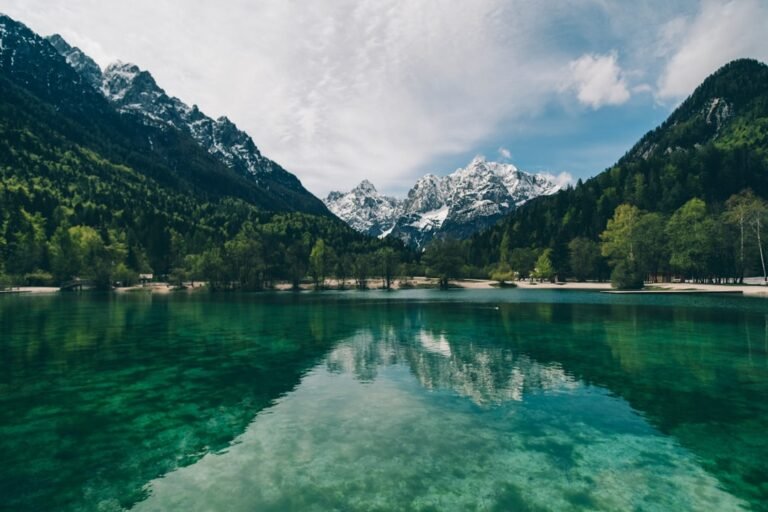
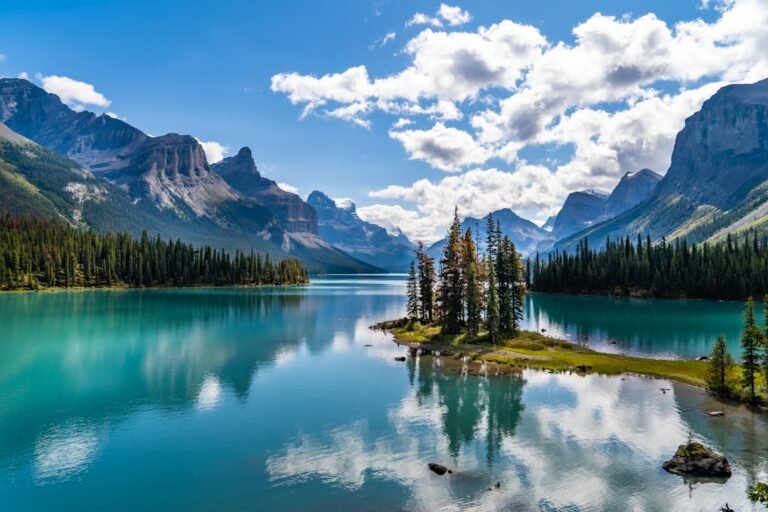
There is a distinct hush that falls over Austria’s alpine lakes at dawn: mirrored water, church steeples punctuating mountain silhouettes, and narrow lanes where centuries of trade and mountain life meet modern hospitality. From the limestone cliffs of the Salzkammergut to the turquoise basins in Carinthia and the glacier-fed lakes near Zell am See, Austria’s lakeside towns deliver a blend of dramatic scenery and accessible outdoor living. This article guides you through the most beautiful lake destinations, highlights authentic local experiences, explains when to go, and offers practical advice so you can build an itinerary that balances iconic sights with quieter discoveries.
Must-See Attractions
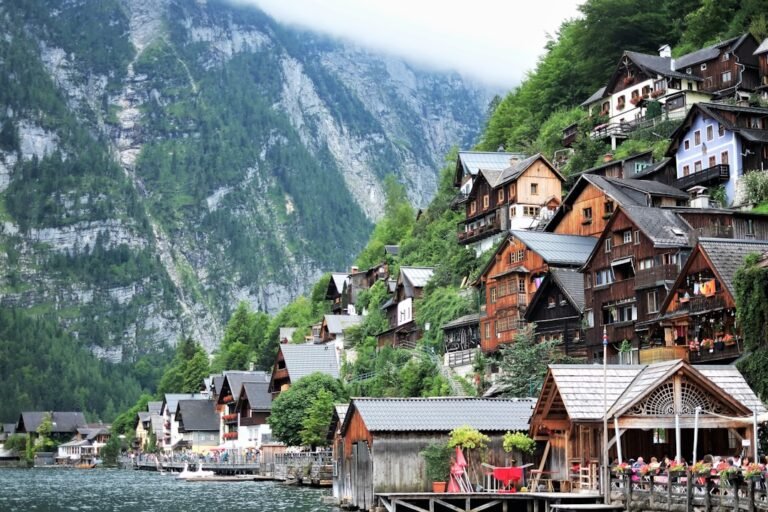
Hallstatt and Hallstätter See: Few places capture postcard-perfect Austria like Hallstatt. The compact village clings to the shore of Hallstätter See beneath towering Dachstein cliffs. Walk the waterfront promenade, visit the centuries-old market square, and take the funicular up to the Hallstatt Skywalk for sweeping views across the lake.
Wolfgangsee and St. Wolfgang: A classic combination of boating and baroque architecture, Wolfgangsee’s best-known town is St. Wolfgang. The white-and-black exterior of the Pilgrimage Church and the lakeside promenade make it one of the most photographed spots in the Salzkammergut.
Attersee and Mondsee: Attersee’s clear waters attract sailors and swimmers, while neighboring Mondsee contains the 15th-century collegiate church and a pleasant lakeside town center. Both lakes are ideal for day trips from Salzburg and for those seeking water-based recreation.
Zell am See and Zeller See: Nestled beneath the Kitzsteinhorn and the Hohe Tauern range, Zell am See offers year-round scenery. In summer, the lake invites stand-up paddleboarding and boat cruises; in winter, the nearby slopes complement a snowy alpine town atmosphere.
Traunsee and Gmunden: Traunsee’s deep waters and the fairytale Schloss Ort on a tiny island bring a different mood—slightly wilder and dramatic. Gmunden, the largest town on the lake, is known for its earthenware ceramics and handsome lakeside esplanade.
Wörthersee and Velden/Klagenfurt: Wörthersee is the warmest of Austria’s larger alpine lakes and draws visitors for its vivid color and resort towns. Klagenfurt and Velden provide promenades, cafés, and lively summer scenes along the shore.
Weissensee (Carinthia): For a quieter, conservation-minded lakeside experience, Weissensee is famous for crystal-clear waters and protected shoreline. It’s an excellent choice for those seeking tranquility and nature-focused activities.
Best Time to Visit
Spring (April–June): Spring brings blooming meadows and rising water temperatures, though weather can be changeable at higher elevations. Late spring is ideal for quieter sightseeing and fewer crowds before the summer high season.
Summer (July–August): High season delivers the warmest weather and the greatest number of operating services—lake ferries, guided boat tours, and open-air concerts. Expect the most visitors in July and August, particularly in Hallstatt, St. Wolfgang, and around Wörthersee.
Autumn (September–October): Early autumn offers crisp air, clearer visibility, and dramatic foliage on mountain slopes. September is often a sweet spot—pleasant water temperatures remain in some lakes while crowds thin after the summer rush.
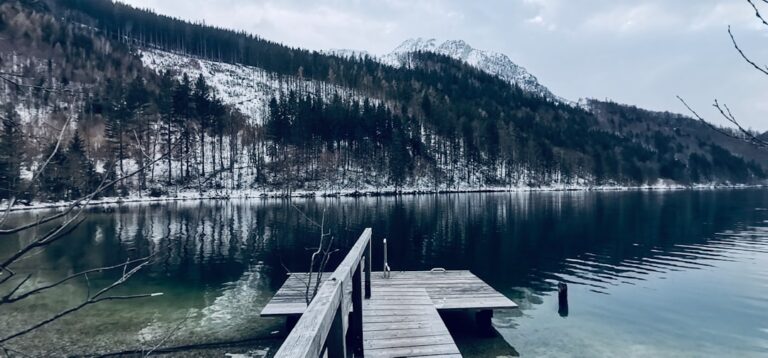
Winter (November–March): Winter transforms many lakeside towns into tranquil, snow-dusted villages. Zell am See and the surrounding Hohe Tauern region are at their best for combined lake-and-ski itineraries. Higher-elevation lakes may be partially frozen; lakes in Carinthia tend to remain milder.
Overall recommendations: For warm-water swimming and full summer programming choose July–August. For a balance of good weather and smaller crowds, aim for late June or September.
Essential Travel Tips
Transportation: Austria’s rail network (ÖBB) connects many lakeside towns and nearby regional hubs; some lakes require a short bus link from the nearest station. Seasonal ferry services operate on larger lakes—check schedules in advance. Renting a car gives flexibility for smaller hamlets and remote viewpoints, but expect narrow roads and limited parking in historic centers.
Money and payments: Austria uses the euro. Credit and debit cards are widely accepted in towns and for larger purchases, but carry cash for smaller cafés, market stalls, and rural vendors.
Safety and health: Alpine weather changes quickly—layer clothing and carry a waterproof jacket for hikes. Swim only where designated and heed local warnings about water temperature and currents. Trail markers are generally reliable; take a printed map or offline map app when heading into higher terrain.
Packing: Bring sturdy walking shoes for cobbled streets and trails, swimwear for summer lake activities, and sun protection. If traveling in shoulder seasons, include warmer layers and a light insulated jacket for evenings.
Local etiquette: Austrians appreciate polite, somewhat formal greetings—use Grüß Gott or Guten Tag in rural areas. Respect quiet hours in residential neighborhoods (often after 10 p.m.). When visiting churches or historic sites, dress modestly and observe any photography restrictions.
Connectivity: Wi‑Fi is common in cafés, hotels, and tourist offices, but signal can be patchy in remote valleys. Download timetables and trail maps beforehand if you plan mountain excursions.
Frequently Asked Questions
Which lake town is best for a day trip from Salzburg?
Mondsee and St. Gilgen on Wolfgangsee are both close and accessible by car or regional bus. They offer a compact mix of historic sites, cafes, and lakeside promenades that fit well into a day.
Can I swim safely in Austrian alpine lakes?
Yes—many lakes have designated swimming areas and lidos. Water can be cold even in summer at higher elevations, so check local conditions and use lifeguarded areas where available.
How crowded does Hallstatt get, and how can I avoid peak crowds?
Hallstatt is one of Austria’s most visited small towns and can be very busy in July and August. Visit early in the morning, late afternoon, or in shoulder seasons (late spring or September) to avoid the largest crowds.
Are there guided boat tours on these lakes?
Yes—many lakes offer scheduled passenger ferries and guided cruises during the warm months. Timetables vary seasonally, so check the local tourist office or ferry operator for up-to-date schedules.
Is public transportation convenient for visiting multiple lakes?
Rail and bus networks cover many of the main routes between towns, especially in the Salzkammergut and around Salzburg. For remote lakes or a more flexible itinerary, a rental car is practical—just be prepared for narrow mountain roads and limited parking in historic centers.
Conclusion
Austria’s alpine lakes offer a remarkable range of experiences, from the storybook lanes of Hallstatt to the broad, warm waters of Wörthersee and the tranquil clarity of Weissensee. Each lakeside town presents a different rhythm—active sailing and summer concerts, slow promenades and regional cuisine, or alpine hiking and winter slopes nearby. With accessible transport links, well-marked trails, and a strong tradition of hospitality, these destinations are ideal for building a varied itinerary that combines scenic viewpoints, authentic local food, and outdoor pursuits. Plan around your preferred season, prioritize one or two regions to explore in depth, and allow time to simply sit by the water—the best memories often form in quiet moments watching the light change over the lake.