
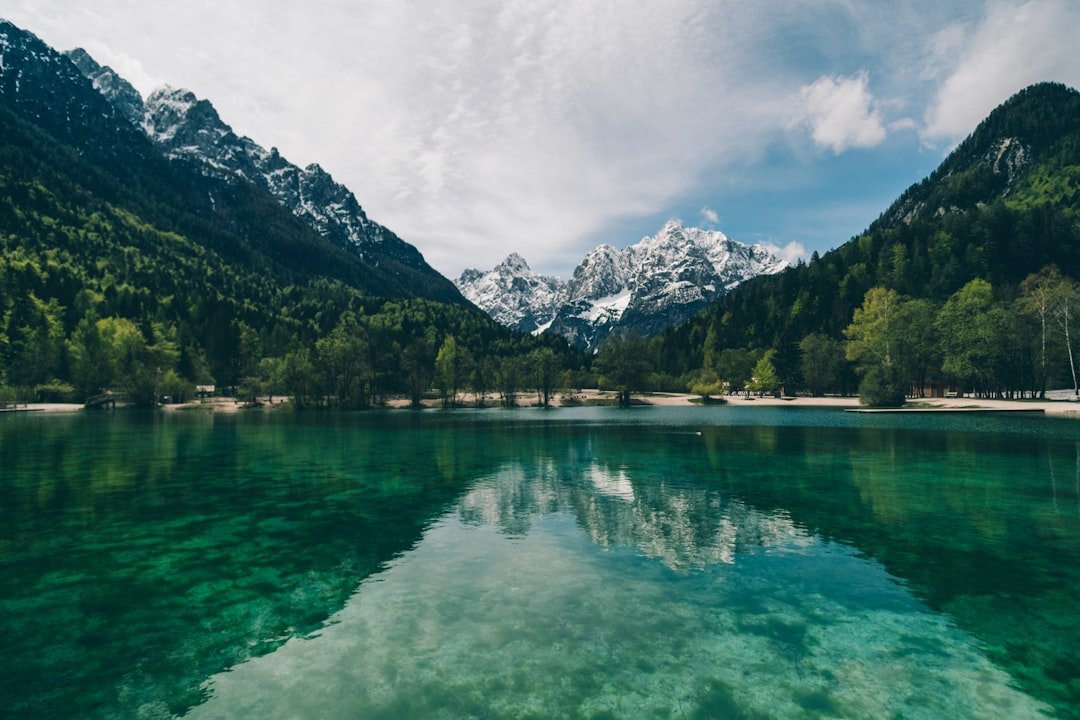
Alpine Mirror: Exploring Slovenia’s Most Beautiful Mountain Lakes
Slovenia’s Alpine lakes are compact wonders where emerald water, limestone peaks and centuries of folklore meet. Within an hour or two of Ljubljana you can step into postcard panoramas: a church on an island, secluded glacial basins ringed by spruce, and karst springs that glow impossibly green. These lakes are concentrated around the Julian Alps and Triglav National Park, where accessible trails, historic villages and seasonal festivals make each visit feel intimate rather than touristy. Whether you want to row to a medieval island, hike to a mountain cirque, or simply sit with a picnic beneath dramatic cliffs, Slovenia’s high-country waters offer a quiet, nature-first experience that’s uniquely Alpine yet unmistakably Slovenian.
Must-See Attractions
Slovenia’s Alpine lakes vary in character—from the social magnetism of Lake Bled to the wild remoteness of Lake Krn. Here are the essential lakes and what makes them iconic.
-
Lake Bled – The most photographed Slovenian lake, Bled combines a medieval castle perched on a cliff, a tiny island topped by the Church of the Assumption, and an easy lakeside promenade. Rent a traditional pletna boat or a rowboat and glide to the island; stroll up to Bled Castle for sweeping views over the lake and Julian Alps.
-
Lake Bohinj – Larger and quieter than Bled, Bohinj sits deep inside Triglav National Park. The lake’s clear water is ringed by forest and peaks; nearby, the Savica waterfall and Vogel cable car offer straightforward access to high viewpoints and alpine hiking routes.
-
Lake Jasna – A pair of small, mirror-like lakes just outside Kranjska Gora, Jasna is a popular spot for quick stops on alpine drives. The setting is compact and dramatic, with views of the surrounding peaks and easy walking paths, making it ideal for family visits and sunset photography.
-
Lake Krn – Tucked into a glacial cirque above the Soča Valley, Krn is a true high-Alpine lake favored by hikers and wildflower enthusiasts. The trail to Krn crosses high meadows and moraine fields; the lake’s dark, reflective surface and surrounding rugged ridges make it a rewarding destination for those prepared to walk.
-
Zelenci Nature Reserve – Technically a karst spring and marsh rather than a conventional lake, Zelenci lies near the headwaters of the Sava Dolinka and dazzles with vivid emerald pools. A short boardwalk trail makes it accessible; the reserve is an excellent introduction to Slovenia’s wetland and spring ecosystems.
Local Experiences
Beyond the scenery, Alpine lakes in Slovenia connect you to local life through food, markets, viewpoints and seasonal traditions.
-
Food and regional cuisine – Try hearty mountain dishes like jota (bean and sauerkraut stew), žganci (buckwheat spoonbread), and freshwater fish such as trout prepared at local gostilnas (inns). In Bled, sample the kremšnita cream cake—an iconic local pastry best enjoyed beside the lake.
-
Markets and local producers – Weekly markets in nearby towns such as Bohinj and Kranjska Gora sell farm cheeses, honey, preserves and smoked trout. Seasonal produce and artisanal goods make excellent picnic supplies for a lakeside afternoon.
-
Viewpoints and short walks – For panoramic views, walk up to the Bled Castle or take the Vogel cable car above Bohinj. The simple loop around Lake Bled is paved and stroller-friendly; Bohinj’s lakeshore trail is longer and more rugged but still accessible for most walkers.
-
Local neighborhoods and small towns – Stay in villages such as Stara Fužina (Bohinj) or the settlement near Lake Krn to experience slow-paced mountain life. These communities often host guided nature walks and storytelling evenings focused on regional folklore.
-
Festivals and seasonal events – Summer brings lake-side festivals, open-air concerts and boat processions on Bled. In autumn, look for harvest fairs in local mountain villages. Winter features traditional events tied to holiday markets and winter sports in the nearby resorts.
-
Outdoor activities – Swimming, stand-up paddleboarding and kayaking are common in summer at Bohinj and Bled. Hiking routes range from short lakeside strolls to multi-day treks inside Triglav National Park. Anglers can fish with a permit; in winter, frozen lakes occasionally permit natural ice skating when conditions are safe and authorities allow it.
Best Time to Visit
Timing depends on the experience you seek: warm-water activities and busy festivals in summer, colorful foliage and quieter trails in shoulder seasons, or snowy silence in winter.
-
High season (June–August) – Warmest weather, best conditions for swimming, boating and alpine hiking. Expect the largest crowds at Bled and easier access to mountain huts. Advance accommodation booking is advised.
-
Shoulder seasons (May–early June, September–October) – Cooler temperatures, fewer visitors, and excellent light for photography. Wildflowers in late spring and autumn colors in September–October make trails especially scenic.
-
Winter (December–February) – Lakes can freeze in cold spells and surrounding mountains become ski terrain. Winter landscapes are quiet and atmospheric, but many high trails and some facilities may be closed. Check local conditions before planning ice activities.
-
Weather and crowds – Mountain weather changes quickly. Afternoon thunderstorms are common in summer—start hikes early. Bled sees the highest visitor concentration, while Bohinj and Krn remain comparatively tranquil even in summer.
Essential Travel Tips
Prepare practically so your visit to Slovenia’s Alpine lakes is safe and smooth.
-
Transportation – Ljubljana is the nearest major hub. Regular buses connect Ljubljana to Bled and Bohinj; Kranjska Gora and the Soča Valley are accessible by regional buses. Renting a car gives flexibility for early starts and remote trailheads—roads are well maintained but narrow in places.
-
Money and services – Slovenia uses the euro. ATMs are available in towns; smaller mountain villages may accept only cash at some family-run establishments. Credit cards are widely accepted in tourist centers.
-
Safety – Stay on marked trails and heed weather forecasts. Mountain rescue services are efficient but have limited cell coverage in some areas—carry a map and tell someone your route. Swimming is safe in designated spots; avoid jumping from cliffs and obey local signs.
-
Packing – Layered clothing for variable mountain weather, sturdy hiking boots for rocky trails, a waterproof jacket, and sun protection are essential. Bring a refillable water bottle—many mountain springs provide potable water.
-
Local etiquette – Slovenes value respect for nature. Take all waste with you, keep noise low near settlements, and follow Triglav National Park rules. When visiting churches or small local events, modest dress and polite behavior are appreciated.
-
Permits and regulations – No permit is generally needed for lake visits, but fishing requires a license and some protected areas restrict access during sensitive seasons. Drones are regulated—check local rules before flying.
Frequently Asked Questions
Which lake is best for a first-time visitor to Slovenia?
Lake Bled is the most accessible and iconic for first-time visitors—its compact layout, boat rides to the island, and castle viewpoint pack a classic Slovenian experience into one easy stop.
Can I swim in the Alpine lakes?
Yes; swimming is popular at Lake Bohinj and parts of Lake Bled during summer months. Water can be cold even in warm weather, so check local conditions and swim in designated areas.
How much time should I allocate to visit the main lakes?
A long day can cover Bled and Bohinj together if well planned. To explore more slowly—hiking around Bohinj, visiting Krn, and enjoying local villages—plan 3–5 days to avoid rushed travel.
Are the lakes wheelchair- or stroller-friendly?
Lake Bled’s lakeside promenade and many viewpoints are paved and accessible. Bohinj has some accessible sections but more uneven trails; check specific trail information in advance for mobility needs.
Do I need to book activities in advance?
In high season, book popular activities such as boat trips, Vogel cable car tickets and guided hikes in advance. For casual visits and independent hiking, reservations are usually unnecessary but accommodations should be booked ahead.
Conclusion
Slovenia’s Alpine lakes offer a concentrated, authentic mountain experience that’s easy to access from the capital yet feels remote and wild. From Bled’s fairy-tale island to Bohinj’s expansive shoreline, Jasna’s mirrored pools and Krn’s high-Alpine solitude, each waterbody reveals different facets of the Julian Alps’ geology and culture. Respect for nature, seasonal rhythms and local food traditions thread these places together: whether you’re paddling at dawn, hiking into a cirque, or sampling trout at a family-run inn, the lakes invite slow discovery. Plan according to the season, follow local advice, and allow time to simply sit and watch how the light changes across the water—those quiet moments are often the most memorable.
Inspired? Start planning your trip.
Move from inspiration to planning with BookingTabs — explore hotels, tours and travel options in one place.
Join the conversation
Ask a question, share a travel tip, or help another traveler plan with confidence.
Leave a comment
No account or email required.