Alpine Lakes & Charming Towns: Austria’s Best Lakeside Journeys
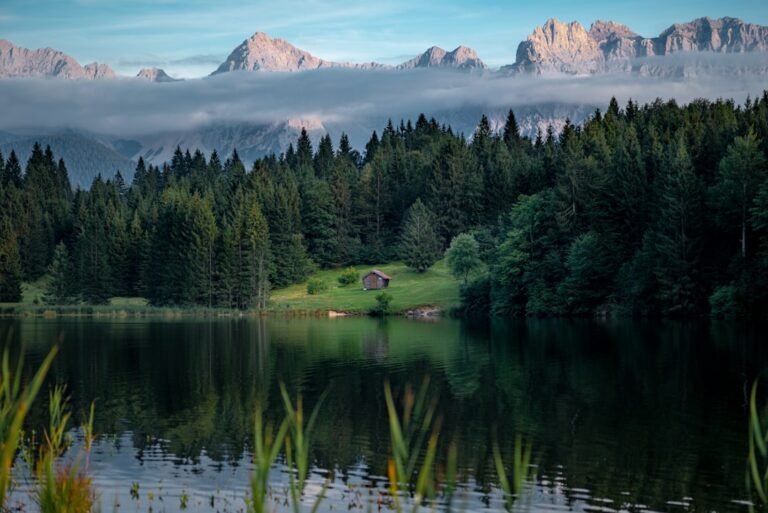
Austria’s alpine lakes stitch together mirror-like water, towering peaks and centuries-old towns into one of Europe’s most picturesque travel corridors. From the fairy-tale streets of Hallstatt to the family-friendly promenades of Zell am See, each lakeside destination offers a distinct blend of outdoor adventure, cultural history and slow-paced lakeside life. Whether you plan to paddle at dawn, ride a historic mountain railway, or linger over fresh fish at a waterfront Gasthaus, these journeys reward travelers who combine active days with unhurried evenings. This guide focuses on the country’s most iconic lakes and towns—how to reach them, what to see, and how to experience them like a local—so you can plan a route that fits one long trip or several short escapes.
Must-See Attractions
Austria’s lakesides concentrate signature sights in compact areas, making it easy to pair natural beauty with cultural highlights.
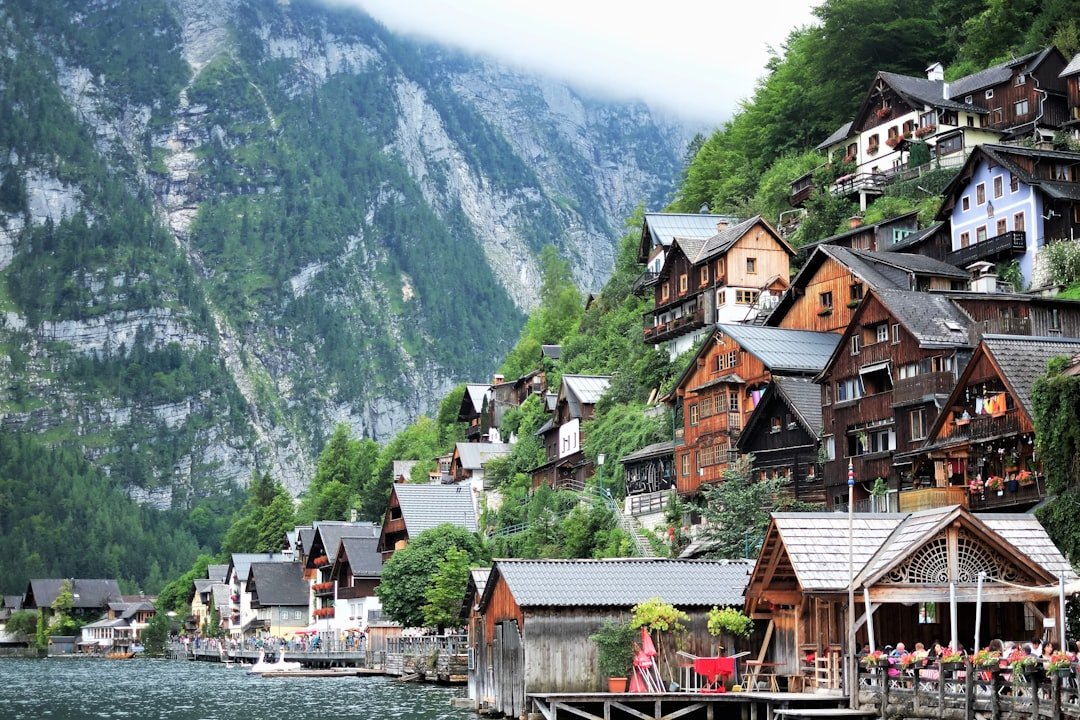
- Hallstatt and Hallstätter See: The UNESCO-listed village of Hallstatt clings to a narrow strip between mountain and lake. Don’t miss the Hallstatt Skywalk for panoramic views, the Hallstatt bone house (Beinhaus) at the parish church, and the archaeological heritage in the Hallstatt Museum.
- Wolfgangsee and St. Wolfgang: Ride the historic SchafbergBahn rack railway from St. Wolfgang to Schafberg summit for sweeping views over Wolfgangsee and neighboring lakes. Wander the painted façades and waterfront promenade of St. Wolfgang village.
- Zell am See–Kaprun (Lake Zell): The lake sits beneath glaciated peaks. Take the cable car to Schmittenhöhe for alpine panoramas, and for glacier views head to the Kitzsteinhorn in nearby Kaprun.
- Achensee: Tyrol’s largest lake is famed for its deep emerald water and mountain backdrop. Take a historic steamer from Pertisau, hike the gentle lakeside trails, or mountain-bike on the surrounding routes.
- Traunsee and Gmunden: Traunsee’s dramatic setting is dominated by Traunstein (a sheer limestone peak). Visit Schloss Ort—an island castle reached by bridge—and explore Gmunden’s porcelain tradition at the Gmundner Keramik sites.
- Attersee and Mondsee: Attersee is known for windsurfing and clear waters that attracted artists like Gustav Klimt. Mondsee’s baroque basilica (Basilika St. Michael) is famous to film fans as the wedding church in The Sound of Music.
- Wörthersee and Velden: In Carinthia, Wörthersee’s warm summer waters and elegant lakeside villas draw sun-seekers. Stroll Velden’s lakeside promenade and discover Maria Wörth’s peninsula church.
Best Time to Visit
Choosing when to visit depends on which experiences you prioritize—sunbathing, hiking, or winter sports.
- Late spring (May–June): Wildflowers and lower crowds make this an attractive shoulder season. Some higher-elevation trails and boat services may open later in June.
- Summer (July–August): Warmest weather and full service on steamer lines, boat tours and open-air events. This is peak season—expect larger crowds in Hallstatt and Wolfgangsee on sunny weekends.
- Early autumn (September–October): Crisp air, clear visibility and fall foliage create spectacular scenery. Tourist numbers drop after mid-September, but some summer services reduce schedules.
- Winter (November–April): Lakes freeze or hibernate with quiet shores, but nearby ski resorts (Zell am See–Kaprun, Kitzbühel region) are in full swing. Hallstatt and some towns feel serene under snow, ideal for a quieter cultural visit.
For a balance of good weather and manageable crowds, aim for late June or September.
Essential Travel Tips
Practical tips will make lakeside travel smoother and more enjoyable.
- Getting There & Around: Austria’s rail network (ÖBB) connects major hubs—Salzburg, Innsbruck and Vienna—to lake regions via regional trains and buses. The Salzkammergutbahn links Salzburg with Bad Ischl and Hallstatt; regional buses and ferries serve many lakes. Renting a car offers flexibility for small towns and scenic drives, but be aware of narrow mountain roads and summer parking limits.
- Money & Payments: Austria uses the euro. Cards are widely accepted in towns and restaurants, but carry some cash for small vendors, markets and rural bus fares.
- Safety: Alpine lakes are generally safe, but observe standard precautions: swim in designated areas, check weather before boat trips, and never underestimate mountain weather changes. For hiking, bring a map or GPS and inform someone of longer routes.
- Packing: Layered clothing is essential—mornings can be cool even in summer. Bring a lightweight rain shell, sturdy walking shoes, sun protection and swimwear. If you plan to cycle or hike high trails, pack specific gear: trekking poles, a headlamp, and blister care.
- Local Etiquette: Austrians appreciate punctuality and quiet public behavior. Respect nature: follow marked trails, observe swimming and boating regulations, and use designated waste bins—recycling is common. Tipping is modest; leaving 5–10% for good service is customary.
- Connectivity & Services: Mobile coverage is reliable in towns but patchy in remote valleys. Book accommodations and popular steamer or railway rides in summer well in advance.
Frequently Asked Questions
Which lake is best for families with children?
Wolfgangsee and Wörthersee are particularly family-friendly—gentle beaches, shallow swim areas, promenades and boat services make them ideal. Zell am See also offers easy lakeside activities combined with cable-car rides suitable for children.
How do I get to Hallstatt from Salzburg?
Take a regional train from Salzburg to Attnang-Puchheim, then transfer to the Salzkammergutbahn toward Bad Ischl/Hallstatt. Alternatively, buses and car routes connect Salzburg to Hallstatt in about 1.5–2 hours depending on traffic.
Can I swim in alpine lakes year-round?
Swimming is seasonal—best in summer months when water temperatures rise. Lakes at higher elevation remain cold even in summer; always check local signage for designated swim zones and safety notices.
Are boat services available on all lakes?
Major lakes—Hallstätter See, Wolfgangsee, Achensee, Traunsee and Wörthersee—offer regular steamer or ferry services in spring through autumn. Smaller lakes may have private boat operators or no service; check local timetables ahead of travel.
Is English widely spoken in lakeside towns?
Yes. In tourist areas and service industries, English is commonly spoken. Learning a few German phrases (Guten Tag, Danke, bitte) is appreciated and helps in rural areas.
Conclusion
Austria’s alpine lakes and towns form a varied tapestry of reflective water, craggy peaks and enduring local traditions. Whether you choose the postcard-pretty lanes of Hallstatt, the steamers and summits surrounding Wolfgangsee, or the active playgrounds of Achensee and Zell am See, each lakeside stop offers distinct rhythms—days of outdoor pursuits and evenings of relaxed culinary pleasures. Plan your route around the seasons and your preferred activities, and allow time for unhurried moments by the water: that quiet lakeshore bench, a golden hour reflection on the surface, or a small-town market are often the memories that last longest.