Brazil Unveiled: Beaches, Cities, Rainforests and Culture
Stretching from the South Atlantic to the Amazon Basin, Brazil is a country of dramatic contrasts — sun-drenched beaches, pulsing megacities, dense rainforest and a culture fused from Indigenous, African and European roots. Whether you crave the samba beats of Rio de Janeiro, the colonial charm of Salvador, the otherworldly power of Iguaçu Falls or the wildlife-rich wetlands of the Pantanal, Brazil delivers memorable experiences at every scale. This guide unpacks the must-see sights, authentic local experiences, practical timing and on-the-ground tips to plan a trip that balances iconic highlights with quieter, offbeat discoveries. Read on to learn how to navigate distances, what to pack for humid forests and reef waters, and how to encounter Brazil’s culture respectfully and safely.
Must-See Attractions
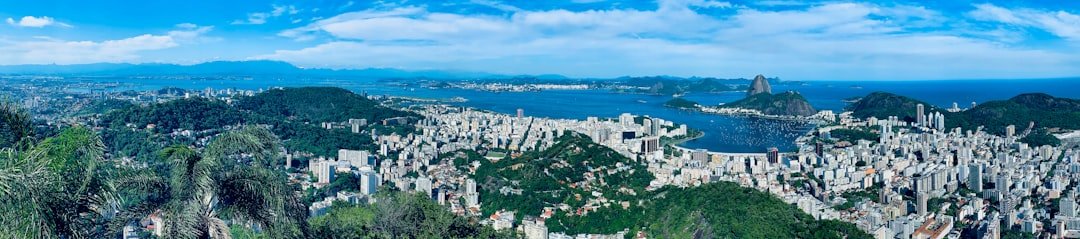
Brazil’s landmarks are as diverse as its landscapes. In Rio de Janeiro, Christ the Redeemer crowns Corcovado Mountain and offers sweeping views of Guanabara Bay, while Sugarloaf Mountain (Pão de Açúcar) gives a postcard-perfect panorama at sunset. Copacabana and Ipanema are urban beaches where locals exercise, play footvolley and sip coconut water.
Beyond Rio, Iguaçu Falls on the border with Argentina is one of the world’s most impressive waterfall systems — boardwalks and boat rides bring you close to thunderous cascades. In the north, the Amazon around Manaus is the gateway to rainforest lodges, river cruises and biodiversity excursions; boat trips reveal river dolphins, macaws and towering kapok trees.
Historic cities also reward exploration: Salvador’s Pelourinho preserves Afro-Brazilian culture, baroque churches and colourful facades, while Ouro Preto displays colonial-era architecture and mining history. Nature lovers should not miss the Pantanal, the planet’s largest tropical wetland, famed for jaguars, caimans and birdwatching. For marine life and pristine beaches, the Fernando de Noronha archipelago is a protected UNESCO-recognized environment with world-class snorkeling and turtle sightings.
Finally, São Paulo, Latin America’s largest metropolis, is a cultural powerhouse for museums, nightlife and gastronomy — its scale and diversity contrast sharply with Brazil’s more relaxed beach towns and remote natural reserves.
Best Time to Visit
Brazil’s sheer size means climate varies by region. The southeast and coast (Rio, São Paulo, Salvador) have a tropical to subtropical climate: summer (December–March) is hot and humid with occasional heavy rain, while winter (June–August) is milder and drier. For beach weather with fewer storms, consider late spring and early fall (September–November).
The Amazon and northern Brazil are hot year-round with a rainy season roughly from December to May; river levels rise and some trails may be flooded, though wildlife viewing by boat can be excellent during high water. The Pantanal’s dry season (May–September) concentrates wildlife around shrinking waterholes, making June–September the best months for jaguar and bird sightings.
Carnival typically falls in February or March; if you want to experience parades but avoid peak crowds and prices, attend local blocos instead of the main samba-parade tickets, or travel immediately before or after Carnival week. For diving at Fernando de Noronha, visibility is best from August to February.
Plan domestic travel around regional seasons to avoid monsoon-related cancellations in the north and heavy holiday crowds around Carnival and New Year’s on the coast.
Essential Travel Tips
Transportation: Domestic flights are the fastest way to cover long distances between regions; major carriers include LATAM, Gol and Azul. Long-distance buses are comfortable and economical for shorter overnight routes. In cities use app-based taxis (Uber) or licensed taxis; on short trips, metro systems in São Paulo and Rio are efficient.
Money: The currency is the Brazilian real (BRL). Cards are widely accepted in urban centers, but carry cash for markets, small vendors and remote areas. ATMs are plentiful in cities but can charge fees; notify your bank before travel to avoid card blocks.
Safety: Exercise standard precautions — keep valuables discreet, avoid isolated areas at night, and use hotel safes for passports and extra cash. Petty theft is the most common concern in tourist zones. Registering your trip with your embassy and buying travel insurance that covers medical evacuation and adventure activities is advisable.
Packing: Bring light, breathable clothing for tropical heat, a waterproof jacket for sudden rains, reef-safe sunscreen and a hat. For rainforest and Pantanal excursions pack long sleeves, long pants and high-quality insect repellent; consider gaiters and quick-dry clothing for wet conditions. If diving or snorkeling, bring a reef-safe sunscreen and any personal gear you prefer.
Health and documents: Vaccination requirements can change; consult official health guidance before travel. Yellow fever vaccination is recommended or required for certain regions and border crossings. Carry a photocopy of your passport and a digital backup.
Etiquette and language: Portuguese is the official language; learning basic greetings (bom dia, obrigado/obrigada, por favor) goes far. Brazilians are generally warm and conversational; a social kiss on the cheek is common in informal settings. Respect local customs around religious and cultural sites, and ask permission before photographing people in intimate or ceremonial contexts.
Frequently Asked Questions
Do I need a visa to travel to Brazil?
Visa requirements vary by nationality. Many countries have visa-free arrangements or offer e-visa programs. Check Brazil’s Ministry of Foreign Affairs website or your local consulate for current entry rules before booking.
Is it safe to swim at Brazilian beaches?
Many beaches are safe, but local conditions vary. Swim between flagged lifeguard stations where available, heed surf and rip-current warnings, and ask locals about tides. Some remote beaches have strong currents or rocky seabeds.
What vaccinations are recommended before visiting the Amazon?
Recommendations change over time. Yellow fever vaccination is commonly advised for Amazon and certain interior regions; routine vaccines should be up to date. Consult a travel health clinic or your physician well before departure for personalized guidance.
How do I get around cities like Rio and São Paulo?
Use metros and buses for many urban trips; they are cost-effective and cover wide areas. Ride-hailing apps like Uber and 99 are reliable for door-to-door service. In Rio, funiculars and cable cars access Sugarloaf, while Corcovado is reached via the Corcovado Train or authorized shuttles.
When is the best time to see wildlife in the Pantanal?
The dry season (roughly May–September) concentrates animals around water sources, improving visibility for wildlife safaris. Guides and lodges plan excursions to maximize sightings of jaguars, capybaras, caimans and a wide array of birds.
Conclusion
Brazil defies a single travel label: it’s a mosaic of energetic cities, serene beaches, primeval rainforest and rich cultural traditions. Planning around regional climates and festivals helps you make the most of each destination, from Carnival rhythms to quiet jaguar-spotting in the Pantanal. Prioritize a mix of iconic sights and local experiences — a samba night in Lapa, a market visit in Belém, a snorkeling day in Fernando de Noronha — and take practical steps for safety, health and respectful engagement. With thoughtful preparation, Brazil’s landscapes and people deliver experiences that linger long after the journey ends.