Vancouver Island Guide: Coastal Towns, Wildlife & Wild Places
Vancouver Island stretches along British Columbia’s Pacific edge, an island of dramatic coastlines, temperate rainforests and lively small cities. From Victoria’s historic Inner Harbour to the storm-battered beaches of Tofino, the island rewards road-trippers, surfers, wildlife lovers and hikers alike. Marine life — orca, humpback whales, sea lions and abundant seabirds — shares the waters with working harbors and seaside communities. Inland, ancient Douglas-fir and western red cedar groves shelter waterfalls and hiking trails. Whether you plan a long exploration or a focused weekend on the west coast, this guide outlines the island’s must-see spots, authentic local experiences, best times to go and practical tips to make travel smooth and respectful of local ecosystems.
Must-See Attractions
Start in Victoria, the island’s capital, where the Inner Harbour, British Columbia Legislature buildings and the collection of museums and historic neighborhoods make for a compact urban exploration. A short drive north of downtown, Butchart Gardens is world-famous for its seasonal floral displays and formal garden rooms.
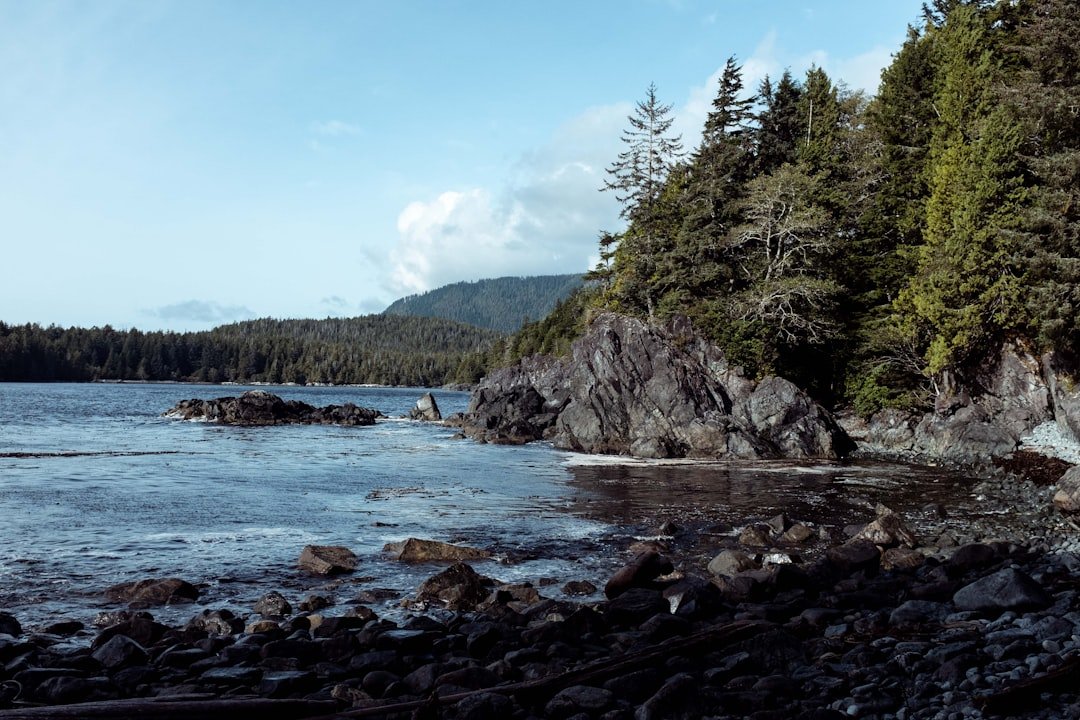
On the west coast, Tofino and nearby Ucluelet are gateways to the Pacific Rim National Park Reserve. Long beaches, ancient rainforests and the Wild Pacific Trail offer iconic coastal scenery. Tofino’s beaches—Long Beach in particular—are major draws for both storm watchers in winter and surfers in summer.
Inland and central Vancouver Island reward with Cathedral Grove at MacMillan Provincial Park, where towering old-growth Douglas-fir and red cedar stand along short interpretive trails. Port Alberni sits at the head of a long inlet and is the launching point for the challenging West Coast Trail on the island’s southwest edge — a legendary multi-day coastal trek that requires permits and planning.
Nanaimo and the Cowichan Valley provide a taste of seaside city life and fertile agricultural hinterlands. The Comox Valley and Campbell River on the east coast are known for access to rivers, salmon runs and excellent sport fishing. For marine wildlife, the waters around Johnstone Strait and the northern island channels are some of the best places for orca sightings, particularly in summer.
Local Experiences
Food and drink: Vancouver Island’s cuisine focuses on local seafood, farm produce and craft beverages. Try fresh oysters, spot prawns in season and salmon prepared at local restaurants. Farmers’ markets are a direct way to taste local cheese, bread and produce—markets in Victoria, Nanaimo and the Cowichan Valley run seasonally and are excellent for picnic supplies.
Markets & neighborhoods: Victoria’s Old Town and the Inner Harbour brim with galleries, cafés and walkable streets. The Victoria Public Market at the Hudson showcases local artisans and food producers. In smaller towns like Tofino and Ucluelet, main streets have surf shops, local outfitters and independent cafés that reflect west-coast life.
Outdoor activities: Kayaking among sheltered bays and pounding surf is a favorite in Tofino and the Broken Group Islands. Guided whale-watching tours depart from multiple ports; choose operators who follow responsible wildlife-viewing guidelines. Salmon and halibut charters, sport fishing and guided river fishing are widely available on the east coast. For seasoned hikers, the West Coast Trail offers remote coastal wilderness; for day hikes, the Rainforest Trail systems and viewpoints along the Wild Pacific Trail provide accessible immersion into old-growth forest and rugged shorelines.
Festivals & culture: The island hosts a variety of cultural events—film festivals, music festivals like Rifflandia in Victoria, and smaller community celebrations such as local harvest days and Ukee Days in Ucluelet. Indigenous cultural experiences, including interpretive centres and galleries, offer important perspectives on the island’s First Nations histories and contemporary art; seek out community-run programs and museums to learn respectfully.
Best Time to Visit
The best months depend on what you want to do. Summer (June through August) brings the warmest, driest weather and the longest days—ideal for hiking, kayaking and beach time. Expect higher crowds, especially in July and August, and plan accommodations and ferry reservations in advance.
Late spring (May–June) and early fall (September) are excellent shoulder seasons: milder crowds, blooming landscapes in spring and good wildlife viewing in both seasons. Many businesses remain open through September, and seas are often calmer for marine activities.
Winter (November–March) is wetter across much of the island, particularly on the west coast, but this is prime season for storm watching in Tofino and Ucluelet and for seeing migrating gray whales and other marine life offshore. Inland valleys and higher elevations can still offer quieter experiences, with lower prices and open trails depending on weather.
Essential Travel Tips
Transportation: BC Ferries is the primary marine link between the mainland and the island as well as between island communities—reserve spots for vehicles during summer and long weekends. Driving distances on the island can be long and winding; allow extra time for scenic stops. Floatplanes and regional airlines offer fast connections to Victoria, Nanaimo and Tofino from Vancouver.
Money & services: Currency is Canadian dollars (CAD). Credit cards are widely accepted, but smaller towns may rely on cash for farmers’ markets or small businesses. ATMs are common in larger centres; check hours in remote areas.
Safety & wildlife: Respect wildlife and follow guidelines—keep a safe distance from marine mammals and bears, store food securely while camping, and carry bear spray if hiking or camping in backcountry areas known for black bears. If boating or kayaking, wear a personal flotation device and check weather forecasts for wind and swell conditions.
Packing: Layered clothing is essential—coastal weather changes quickly. Include a waterproof outer layer, insulated mid-layer, sturdy hiking shoes and a warm hat for evening. For west-coast activities bring a wetsuit for surfing or a drysuit for colder-season paddling if planning extended sessions.
Permits & etiquette: Purchase park passes where required and secure permits for routes such as the West Coast Trail. When visiting Indigenous sites, follow signage and guidance; ask before photographing people or cultural spaces. Leave no trace: pack out what you pack in and respect fragile shoreline ecosystems.
Frequently Asked Questions
How do I get to Vancouver Island?
You can reach the island by BC Ferries from Vancouver (Tsawwassen) to Swartz Bay near Victoria or Horseshoe Bay to Departure Bay in Nanaimo, by floatplane from Vancouver to Victoria or Nanaimo, or by scheduled flights to Victoria, Comox, Campbell River and Tofino.
Where are the best places for whale watching?
Good whale-watching areas include the waters off Victoria, the Strait of Juan de Fuca, the Johnstone Strait north of Campbell River and the offshore areas near Tofino. Choose operators that follow responsible viewing protocols to minimize disturbance to the animals.
Can I surf on Vancouver Island?
Yes. Tofino is the island’s surf hub with consistent breaks and a range of surf schools for first-timers. Long Beach in Pacific Rim National Park Reserve is a popular spot; colder water means wetsuits are generally required year-round.
Do I need permits for hiking trails?
Most day hikes do not require permits, but specialized routes like the multi-day West Coast Trail do require advance permits and bookings. National and provincial park passes may be required for some areas; check Parks Canada and BC Parks websites before you travel.
Is Vancouver Island family-friendly?
Yes. Many towns offer family-friendly beaches, easy coastal and forest trails, wildlife-viewing tours suitable for children, and interactive museums in Victoria. Plan around ferry schedules and shorter driving segments to keep travel days manageable for families.
Conclusion
Vancouver Island blends accessible urban amenities with wild coastal landscapes and rich biodiversity. From Victoria’s cultured harborfront to the raw, wind-sculpted beaches of Tofino and the cathedral-like old-growth stands inland, the island offers experiences for every pace and interest. Thoughtful planning—considering seasonal weather, ferries and any needed permits—lets you maximize wildlife encounters, outdoor adventures and local culinary delights while minimizing impact. Whether you seek surf, solitude, whale sightings or gardens in bloom, Vancouver Island delivers a variety of memorable journeys framed by some of Canada’s most evocative coastal scenery.