Lakeside Journeys: Discover Austria’s Alpine Lakes and Charming Towns
Austria’s alpine lakes stitch together dramatic mountains, timbered villages and centuries-old traditions. From the mist-soft mornings on Hallstätter See to the postcard-perfect waterfronts of St. Wolfgang and Zell am See, each lake brings its own tempo: quiet reflection, active mountain sport or soulful music and market life. Much of this charm sits within the Salzkammergut and the borderlands of Salzburg, Tyrol and Carinthia, where lakes are framed by peaks and dotted with towns whose histories are shaped by salt, railways and summer tourism. Whether you want to paddle turquoise water, ride a cog railway to panoramic ridges, or linger in a lakeside café, Austria’s alpine lakes reward slow travel, careful listening and the occasional detour down a narrow lane.
Must-See Attractions
The region’s signature sights are anchored to a handful of lakes and towns that embody the Alpine lake experience.
-
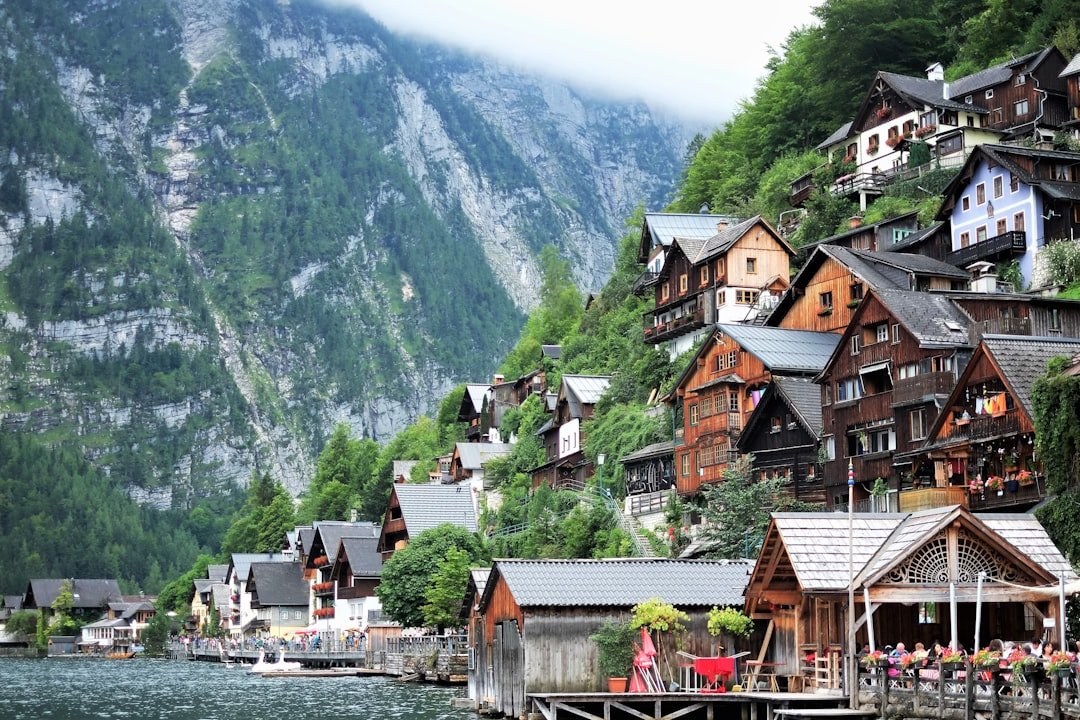
Hallstatt and Hallstätter See: The UNESCO-listed village of Hallstatt is a visual icon with its salt-mining history, ecclesiastical spire and lakeside promenade. Descend into the Hallstatt Salt Mine (Salzwelten) for a subterranean glimpse into the industry that shaped the town, and take the funicular for views across the lake.
-
St. Wolfgang and Wolfgangsee: St. Wolfgang’s whitewashed parish church and the historic Weiße Rössl inn draw visitors to this sail-friendly lake. Ride the Schafbergbahn cog railway from the town of St. Wolfgang to the Schafberg summit for sweeping lake panoramas.
-
Zell am See / Zeller See: This lively resort town sits on the shores of Zeller See with the Hohe Tauern range as a backdrop. The combination of Schmittenhöhe ridgeline hiking and nearby Kitzsteinhorn glacier in Kaprun makes the area year-round attractive for both summer and winter pursuits.
-
Achensee: Tyrol’s largest lake, Achensee, is framed by steep limestone peaks. Expect clear water popular for sailing and windsurfing, with classic steamer boats connecting small villages like Maurach and Pertisau.
-
Traunsee and Gmunden: Traunsee’s deep waters meet the baroque town of Gmunden, famed for ceramics (Trattoria-style cafés and Gmundner Keramik). The castle Ort on a small peninsula and nearby Traunstein climbing routes add variety.
-
Attersee and Mondsee: Artist-favored Attersee offers windsurfing and artistic heritage, while Mondsee’s lakeside town and basilica featured in film and pilgrimage add cultural layers to lakeside strolls.
-
Wörthersee and Velden: In Carinthia, Wörthersee is known for warmer waters, landscaped promenades and villas in Velden and Pörtschach—appealing for relaxed summer swimming and lakeside evenings.
Best Time to Visit
Choosing when to visit influences weather, crowds and available activities.
-
Late spring (May–June): Wildflowers and melting mountain snow create dramatic scenery. Fewer crowds than midsummer and better conditions for hiking in lower to mid elevations.
-
High summer (July–August): Warmest weather and longest days—ideal for swimming, sailing and lake sports. Expect the highest number of visitors, particularly at Hallstatt and popular beaches on Wörthersee and Wolfgangsee.
-
Early autumn (September–October): Crisp air and autumnal colors make this a favorite for photographers and hikers. Many summer crowds thin out; some seasonal services close after September so check timetables for boats and lifts.
-
Winter (December–March): Lakeside towns adopt a quieter pace. Zell am See–Kaprun is busiest for skiing; Hallstatt is atmospheric with snow but some summer services are reduced. Ice and snow transform landscapes, but lakes may be partially frozen only in cold spells.
Essential Travel Tips
Practical advice to navigate the lakes and towns with ease.
-
Getting around: Austria’s rail network (ÖBB) and regional Postbus services connect many lakeside towns. Some lakes are best reached by a combination of train and bus or boat—check local timetables. Renting a car offers flexibility for accessing smaller coves and remote viewpoints but expect narrow alpine roads and limited parking in historic centers.
-
Money and costs: Currency is the euro. Smaller towns may have limited ATM and card acceptance at local stalls; keep some cash for markets and tolls. Tourist taxes may apply per night in many lakeside towns.
-
Safety: Alpine weather can change quickly—carry layers, sunscreen and a light rain jacket. If swimming, be aware that mountain lakes can be colder than expected beneath the surface; follow local signage for safe swimming areas.
-
Packing essentials: Sturdy walking shoes, a daypack, reusable water bottle, insect repellent for summer and a swim suit. For shoulder seasons, include warmer midlayers and a windproof jacket.
-
Local etiquette: Austrians value quiet in public spaces; keep noise low in residential lakeside areas, especially in the evenings. Respect signs around protected natural areas and cultural sites. Tipping is customary—round up or leave 5–10% in restaurants.
Frequently Asked Questions
How do I travel between the main lake towns?
Use the ÖBB rail network for major hubs (e.g., Attnang-Puchheim, Salzburg, Bischofshofen) and regional buses (Postbus) to reach lakeside towns. Many lakes have spring–autumn boat services linking towns; schedules vary by season.
Are Austria’s alpine lakes suitable for swimming?
Yes—many lakes like Wolfgangsee, Attersee and Wörthersee have designated swimming areas and beaches. Water is often clear but can be cold, especially at depth. Always follow local safety signs and lifeguard guidance where present.
Can I visit Hallstatt in a day trip from Salzburg?
Hallstatt is reachable as a day trip from Salzburg by car or public transport, though travel times vary (about 1–1.5 hours by car). A day allows you to see the lakeside village and a salt mine visit, but staying overnight lets you enjoy quieter hours and better photography light.
Are lifts and cog railways open year-round?
Many mountain railways operate seasonally. Key attractions like the Schafbergbahn and some funiculars run mostly in spring to autumn, with limited winter schedules. Check operator websites for exact seasonal opening dates.
Do I need to book activities in advance?
For popular experiences (salt mine tours, cog railway rides, summer boat crossings), booking in advance during peak months is recommended. For hiking and casual boating, reservations are less common but rental availability can be limited on busy days.
Conclusion
Austria’s alpine lakes offer a spectrum of experiences—quiet reflections on glassy water, active sailing and windsurfing, mountain ascents rewarded by far-reaching panoramas, and small-town culture shaped by centuries of salt trade and alpine life. Planning around seasons, using local transport options and allowing time for spontaneous detours will deepen the experience: sit longer at a lakeside café, take a lesser-used walking path, or time a sunrise visit for the most memorable views. These lakes and towns are best discovered deliberately—by foot, boat and slow conversation—so you return with stories that feel like they belong to the place.